
Classical Facades in Old Arles: A Photo Guide
Explore the elegant classical facades in Old Arles. Discover Arles Renaissance mansions and historic architectural photography spots in our 2025 guide.
On this page
Arles is a beautiful city that features a remarkable blend of ancient Roman and modern styles. You can discover stunning classical facades in Old Arles while walking through the narrow historic streets. These elegant buildings represent a time when Arles was a major center for French high society. Visiting these sites allows you to see the architecture in Arles up close today.
The city has managed to preserve its unique heritage through centuries of social and political changes. Many of the most impressive structures date back to the seventeenth and eighteenth century golden age. Local architects used fine limestone to create detailed carvings that still look sharp after many years. These facades serve as a silent witness to the history of this vibrant southern French town.
Evolution of Classical Style in Arles
The transition from medieval fortifications to open classical design changed the face of the entire city. Wealthy merchants began building grand homes that reflected the new artistic trends coming from the capital. They replaced heavy stone walls with large windows that allowed natural light into their private rooms. This architectural shift marked the beginning of the most prosperous era for the local urban nobility.
Classical design in this region focuses heavily on balance and the use of the golden ratio. You will notice that the windows are perfectly aligned across the vertical and horizontal planes. Each floor usually has a specific height that relates to the floor directly above or below. This mathematical approach creates a sense of harmony that is very pleasing to the human eye.
The use of local stone provides a warm color that changes throughout the bright daylight hours. This soft limestone was easy for sculptors to carve into complex shapes and decorative floral patterns. You can find these details around the door frames and on the corners of the buildings. These artistic touches helped to distinguish the homes of the wealthy from the regular city houses.
Today these buildings continue to dominate the narrow alleys of the historic center of the town. Modern urban planning focuses on protecting these historic assets while allowing the city to grow naturally. Walking past these walls feels like a journey through the artistic evolution of the French Renaissance. Each stone tells a story of the craftsmen who built these monuments during a glorious past.
Design Elements of Arles Renaissance Mansions
The Arles Renaissance mansions are famous for their unique blend of local and national styles. Most of these houses feature a grand central entrance that leads into a hidden private courtyard. These courtyards were designed to provide shade and cool air during the hot summer months. The stone work around these entrances is often the most decorative part of the entire facade.
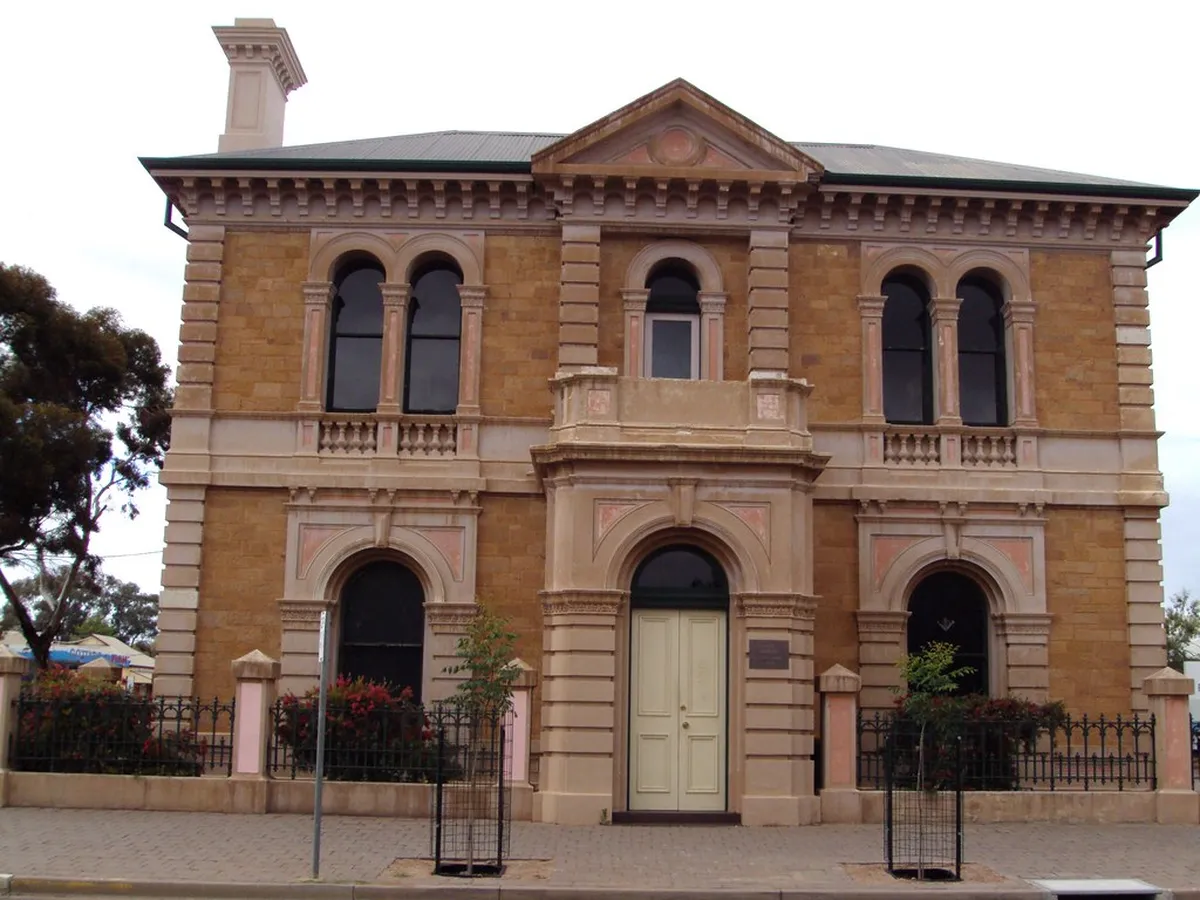
Columns and pilasters are common features that give the buildings a sense of strength and height. Many architects used the Corinthian or Ionic styles to decorate the front of these prestigious homes. You will see these elements used to frame windows and create a visual rhythm on the wall. These classical details were intended to showcase the education and cultural knowledge of the home owners.
- Symmetrical Windows: Perfectly aligned openings that create a balanced look for the exterior.
- Stone Pediments: Triangular or curved decorations placed above the windows or the main door.
- Wrought Iron Balconies: Delicate metal work that adds a touch of elegance to the upper floors.
- Carved Cornices: Decorative stone borders that separate the different levels of the building facade.
The roofs are typically covered with traditional terracotta tiles that match the colors of the limestone walls. These tiles provide excellent protection against the rain while maintaining the historic aesthetic of the city. The roof lines often include small decorative windows known as dormers to light the attic spaces. These functional elements are integrated into the overall classical design to maintain a clean appearance.
The Influence of Italian Baroque on Facades
Arles was heavily influenced by the artistic trends that flowed through the Mediterranean from nearby Italy. Some of the classical facades in Old Arles incorporate theatrical elements typical of the Baroque style. You can see this in the use of curved lines and dramatic shadows on the stone. These features add a sense of movement and energy to the otherwise static and rigid walls.
Sculpted faces known as mascarons are often found above the main arches of the larger mansions. These stone carvings represent mythological figures or local characters meant to protect the house and family. The expressions on these faces range from serene and beautiful to intense and quite frightening. They provide a fascinating focal point for photographers looking for unique architectural details in the streets.
The placement of balconies also reflects the influence of Italian urban design on the local French culture. Wealthy families used these balconies to watch public events and religious processions passing through the city. The iron work on these balconies is often very complex and features intricate floral or geometric shapes. These metal elements contrast beautifully with the solid and heavy appearance of the yellow limestone walls.
Architects in the 1700s began to experiment with depth by adding recessed panels to the facade surfaces. This technique creates a play of light and shadow that makes the buildings look more three-dimensional. It was a clever way to make a flat wall look much more interesting and expensive. This level of detail is why the city remains a top destination for architecture enthusiasts.
Top Streets for Viewing Classical Facades
The best way to see these historic treasures is to wander through the Rue de la Republique. This wide street is home to several of the most important civic and private buildings in town. You will find the City Hall here which features a very famous vaulted ceiling and facade. Many other private mansions stand side by side along this route offering a great visual history.
Rue du Grand-Prieure is another excellent location to explore for anyone interested in old world French design. This street leads toward the river and contains some of the most well preserved residential stone work. The buildings here are taller and more narrow than those found on the main city squares. This creates a cozy and intimate atmosphere that is perfect for taking slow walks during the day.
For a more quiet experience you should visit the streets near the ancient Roman theater and arena. The houses in this area often reuse stone from the Roman monuments in their own classical facades. This creates a layers of history where different eras of construction meet on a single street corner. You can see how the Renaissance builders respected the ancient proportions while creating their own style.
Make sure to spend some time in the Rue de la Roquette to see a different side. This neighborhood was traditionally home to the sailors and craftsmen who worked on the nearby Rhone river. The facades here are less grand but they still feature beautiful classical proportions and simple stone carvings. It provides a great contrast to the more aristocratic parts of the historic old town center.
Tips for Photographing Arles Historic Streets
Capturing the beauty of these buildings requires a good understanding of how light interacts with the stone. The best time for photography is during the golden hour when the sun is low in the sky. This light brings out the warm orange and yellow tones of the limestone used for the facades. It also creates long shadows that emphasize the depth of the carvings and the window frames.
Using a wide angle lens will help you capture the full height of the mansions in narrow. You might need to stand far back or use a special lens to avoid distorting the lines. Pointing the camera slightly upward can create a dramatic effect that makes the buildings look very powerful. Be careful to keep your camera level to ensure the vertical lines of the walls stay straight.
The Arles architecture photography spots offer endless opportunities for close up shots of the decorative details. Focus on the door handles and the stone carvings to show the craftsmanship of the old master builders. These small details often tell a more interesting story than a wide shot of the whole street. Look for patterns in the windows or the shadows cast by the iron balconies on walls.
In 2025 you should also look for the contrast between the old stone and the modern life. Including people in your shots can provide a sense of scale and show how the buildings are used. The laundry hanging from the windows or a bicycle leaning against a wall adds a local touch. These elements help to create a more authentic photo essay of life in this historic city.
Current Preservation Efforts for 2025
The local government works hard to ensure that the classical facades in Old Arles remain in excellent condition. Strict rules prevent owners from making changes that would harm the historic character of the exterior walls. Any restoration work must be done using traditional materials and techniques approved by the national heritage office. This ensures that the city maintains its status as a UNESCO World Heritage site for everyone.
Environmental factors like pollution and vibrations from traffic are a constant challenge for the old stone structures. Specialized teams clean the limestone using gentle methods that do not damage the delicate carvings or the surface. They also use modern sensors to monitor the stability of the walls and the foundations of the homes. These efforts help to prevent the stone from crumbling due to age or the local weather.
Public funding and private grants support the expensive task of maintaining these private mansions for the future generations. Many of these buildings have been converted into museums or luxury hotels to help pay for repairs. This allows the public to enjoy the historic interiors while keeping the structures in active daily use. It is a successful model for urban preservation that other historic cities often try to follow.
Community awareness programs teach the local residents about the importance of their unique architectural heritage and local history. Walking tours and lectures explain the significance of the classical styles to students and visiting tourists alike. This creates a sense of pride that encourages people to take care of their own historic properties. Arles remains a leader in the protection of cultural assets in the south of France.
Frequently Asked Questions
What defines a classical facade in Arles?
A classical facade in Arles is defined by its symmetry and use of local yellow limestone. These buildings feature balanced window placements and decorative elements inspired by ancient Greek and Roman architecture styles. You will often see stone columns and carved pediments that create a grand and formal appearance.
Which Arles Renaissance mansions are most famous?
The Hôtel de Laval-Castellane and the Hôtel d'Alpheran are among the most famous mansions in the city. These structures showcase the height of seventeenth century design with their grand entrances and intricate stone work. Many of these important buildings are located near the city hall in the historic center.
Can I tour the interiors of these historic buildings?
Some mansions are open to the public as museums or cultural centers throughout the year. Others are private residences that you can only admire from the street during your walking tour. During special heritage days in 2025 many private courtyards may open their doors for limited public viewing.
Why are the facades in Arles so well preserved?
The facades are well preserved due to strict local laws and the high quality of the limestone. The dry climate of Provence also helps to prevent the stone from eroding as quickly as in wetter regions. Continuous restoration efforts by the city ensure that these buildings stay safe and beautiful for visitors.
When is the best time for architectural photography?
The best time for photography is early morning or late afternoon during the golden hour light. The sun hits the limestone facades at an angle that highlights the textures and the stone carvings. Spring and fall offer clear skies and comfortable temperatures for exploring the city streets with a camera.
The classical facades in Old Arles represent one of the most beautiful architectural collections in the south of France. From the grand mansions of the nobility to the quiet streets of the old town, the city is a visual delight. We hope this guide inspires you to explore these historic treasures during your next trip in 2025. You should take the time to look closely at the details and enjoy the timeless atmosphere of Arles.
Key Takeaways
- Visit Rue de la Republique to see the most impressive civic and private classical facades.
- Look for the symmetry and mathematical balance that defines the classical style in local architecture.
- Plan your photography during the golden hour to capture the warm tones of the Arles limestone.
- Respect the local preservation rules by staying on public paths while viewing these historic private mansions.
Related reads: architecturebycity.com, private courtyards of arles, hotel de laval castellane history.