
Hôtel de Laval-Castellane History and Architecture Guide
Discover the rich Hôtel de Laval-Castellane history. Explore this 16th-century gem among Arles Renaissance mansions. Start your architectural tour today!
On this page
Arles houses many architectural wonders within its ancient and historic Roman city walls today. The fascinating Hôtel de Laval-Castellane history begins during the vibrant French Renaissance in the sixteenth century. This majestic building represents the absolute height of French noble living during that prosperous era. Visitors often admire its grand facade and the intricate details carved into the local stone.
The mansion stands as a key example of Arles Renaissance mansions found in the city center. Its stones tell stories of wealth, power, and art from a distant and elegant past. You can find this site tucked away in the heart of the busy city streets. It remains a must-see for history lovers visiting the region during the year 2025.
Origins and the Laval-Castellane Family
The property dates back to the late Renaissance period in the beautiful region of Provence. Jean de Laval-Castellane commissioned this impressive private residence to showcase his family's wealth. He specifically wanted a home that reflected his high social status and political power. The architectural design perfectly blended traditional local styles with elegant Italian Renaissance influences.
Construction took place during a time of great urban change within the ancient city of Arles. The family chose a central location near other noble estates to remain near the social center. This strategic placement ensured they remained at the very heart of important local city life. The mansion soon became a symbol of the family's enduring influence and high noble rank.
Jean de Laval-Castellane was a prominent figure in regional politics during his long and successful life. His family held significant influence over local affairs for many generations in the city of Arles. The mansion served as their primary seat of power for official business and social gatherings. It hosted many elite guests who were influential in the development of the Provence region.
Archives suggest the family spared no expense on the high-quality materials used for the construction. They used premium limestone from the famous and nearby stone quarries in the Alpilles hills. Skilled artisans carved every decorative element by hand to ensure the highest level of beauty. This dedication to quality has preserved the building for many centuries of use and admiration.
Architectural Features of the Renaissance
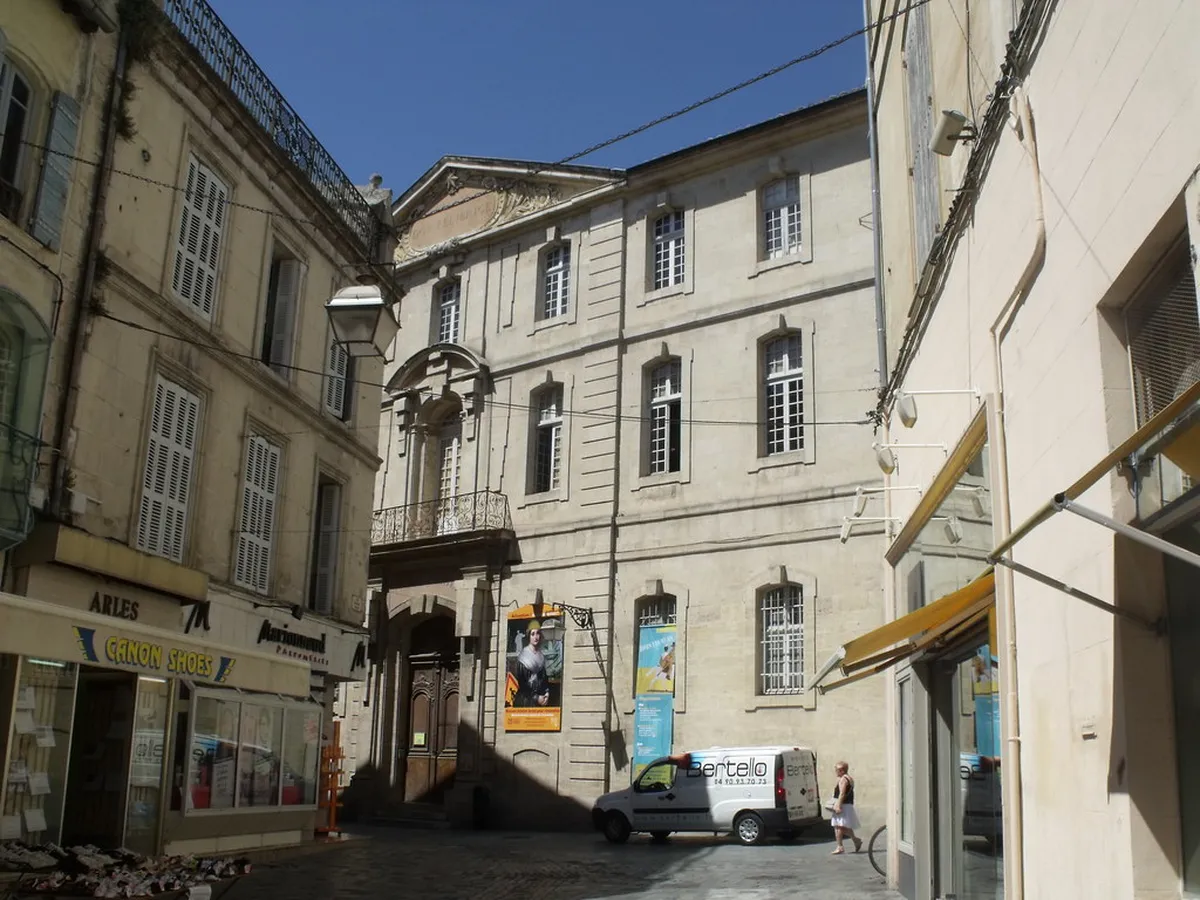
The facade displays the classic features of sixteenth-century French architecture for every visitor to see. You will notice the perfectly symmetrical layout of the large windows across the stone surface. Ornate moldings frame each opening with great precision to show off the high level of craftsmanship. These elements define the classical facades in old Arles that tourists admire today.
A large and arched stone doorway welcomes visitors into the main structure of the mansion. Heavy wooden doors still stand as a testament to the incredible craftsmanship of the original builders. Look for the detailed family crest carved into the hard stone directly above the entry. These symbols represent the long and noble lineage of the original owners of the home.
The interior layout follows a traditional noble floor plan designed for both comfort and social display. Large reception rooms occupy the first floor to provide space for various public and formal uses. Private chambers remain tucked away on the upper levels to ensure privacy for the family members. This separation of space was a very common feature in grand French noble mansions.
Stone staircases provide grand access between the different levels of the large and historic home. They feature elegant railings and wide, comfortable steps designed for the long gowns of noble ladies. High ceilings throughout the building create a sense of vast space and allow for better airflow. This clever design kept the rooms cool during the very hot and dry Provençal summers.
The Guardian of Hôtel de Laval-Castellane History
The building underwent a major transformation in the late nineteenth century to become a cultural hub. Frédéric Mistral founded the Museon Arlaten within these historic walls to celebrate local Provençal life. Mistral was a very famous poet who loved his regional traditions and Provençal language very deeply. He wanted to preserve the unique customs of Arles for many future generations to study.
The mansion provided the perfect historic backdrop for the many traditional exhibits found inside today. Its historic rooms now hold thousands of rare regional artifacts that tell stories of local life. You can see traditional costumes, old tools, and various household items from the local area. This functional change successfully saved the building from potential neglect and total ruin over time.
Converting a private noble home into a public museum required very careful and detailed planning. Architects had to protect the original structure during the extensive renovation and restoration process. They added modern lighting systems while keeping the old and historic stone walls visible. The final result is a beautiful and seamless blend of the ancient past and present.
Today, the museum continues to draw large crowds of curious visitors from all around the world. It serves as the primary and most important guardian of the Hôtel de Laval-Castellane history. Visitors can walk through the same halls as the ancient and wealthy nobles once did. The experience offers a very deep and meaningful look into local life and history.
The Courtyard and Hidden Details
One of the best features is the quiet inner courtyard hidden away from the busy streets. Many private courtyards of Arles offer a peaceful escape for residents and visitors alike. This open space allowed natural light to reach the interior rooms throughout the entire day. It also provided a secure and private area for various family activities and outdoor dining.
The courtyard contains rare architectural elements from several different eras of the city's long history. You might spot ancient Roman remains integrated directly into the much later Renaissance stone walls. This recycling of old stone was a very common practice in the ancient city of Arles. It adds many fascinating layers of history to the foundation of the noble mansion.
Decorative stone sculptures adorn the walls surrounding the central open space of the large courtyard. These carvings often depict mythological figures or various local plants found in the Provence region. Time has softened the stone, but the original artistry remains very clear to the naked eye. Spend a few quiet minutes observing these small and hidden details during your next visit.
Water features once played a major role in the overall design of the central courtyard space. Small stone fountains helped to cool the air on the many sunny and warm days. Although some features are gone, the original drainage systems are still visible on the ground. These practical touches show the high intelligence and skill of the original Renaissance builders.
Visiting the Mansion in 2025
Planning a visit to this historic site is very easy for most travelers in 2025. The mansion is located at 29 Rue de la République in the center of Arles. It sits within very easy walking distance of the famous and ancient Roman Arena. Expect to spend at least two full hours exploring the site and its many exhibits.
Ticket prices for the museum are quite affordable for most international and local travelers today. Adults usually pay around eight Euros to gain full access to the entire museum collection. Students and seniors often receive discounted rates when they show a valid form of identification. Check the official city website for the current opening hours before you start your walk.
The museum offers several amenities to make your visit more comfortable and very enjoyable. You can find the following facilities available for use during your visit to the site:
- Detailed guidebooks are available in several different languages at the main reception desk.
- Large storage lockers provide a safe place for your heavy bags and personal items.
- A small gift shop features unique books and local crafts made by many Provençal artisans.
- Clean public restrooms are located on the ground floor near the main courtyard entrance.
These services help ensure that every visitor has a pleasant and educational experience in Arles. The surrounding neighborhood offers many charming and quiet cafes for a nice meal after your tour. You can enjoy local food made with fresh ingredients from the nearby markets and farms. This allows you to experience the rich local culture with all of your five senses.
Preservation and Modern Restoration Efforts
Maintaining a very old stone building requires constant care and significant amounts of annual funding. Recent restoration projects have cleaned the exterior limestone surfaces to restore their original bright white color. Experts used very gentle techniques to avoid damaging the delicate and historic stone carvings. This work ensures the facade remains bright and beautiful for many future museum guests.
The large roof underwent a complete and thorough renovation just a few years ago in Arles. Workers used traditional clay tiles to match the original and historic Renaissance style of the home. This keeps the building watertight and protects the precious museum collection stored safely inside. Modern insulation was also added to improve the overall energy efficiency of the old structure.
Specialists monitor the structural integrity of the ancient walls every single year for safety reasons. They look for small cracks or shifts in the ancient stone foundation of the grand mansion. Careful repairs always use traditional lime mortar to allow the ancient stones to breathe naturally. These methods respect the historical nature of the building and its original construction materials.
Local government grants help fund these essential and very expensive maintenance tasks in the year 2025. Public interest in the mansion helps justify the high costs involved in these complex projects. Your entry fees contribute directly to the ongoing preservation of this important historical city site. This generous support keeps history alive for everyone to enjoy for many years to come.
Frequently Asked Questions
Where is the Hôtel de Laval-Castellane located in the city?
You can find this historic building in the heart of the old center of Arles. Its physical address is located at 29 Rue de la République near the city center. It is situated very close to other famous and historic landmarks within the ancient city.
Can I see the interior of the mansion during my visit?
Yes, the interior of the mansion is open to the public during normal museum hours. It currently houses the extensive Museon Arlaten museum collection for visitors to enjoy. You can explore many of the historic rooms and the beautiful central courtyard today.
What makes this building a true Renaissance mansion?
It features perfectly symmetrical designs and classical stone carvings on the main facade. These elements were very popular during the sixteenth-century French Renaissance period. The large windows and the grand stone entry are also key signs of this style.
Is the mansion accessible for visitors with limited mobility?
Recent renovations have greatly improved access throughout the museum for all types of guests. Elevators now reach the main display levels to assist visitors who cannot use the stairs. Some older stone sections may still have small steps due to the historic architecture.
The Hôtel de Laval-Castellane history is a true treasure of the city of Arles. It shows the evolution of French noble architecture and the rich local Provençal culture. Visit this historic site to see the beauty of the Renaissance era firsthand today. Start planning your trip to Provence for an unforgettable and very educational travel experience.
Key Takeaways
- The mansion was founded in the 1500s by the noble Laval-Castellane family.
- It now houses the Museon Arlaten museum founded by poet Frédéric Mistral.
- The building features a stunning Renaissance facade with classical stone carvings.
Related reads: architecturebycity.com, architecture in arles, roman architecture in arles.