
Jean-Baptiste Franque Works in Avignon: A Guide
Explore how architect Jean-Baptiste Franque works in Avignon shaped the city. Discover his neoclassical masterpieces in this 2025 guide. Read more now!
On this page
Avignon is a city filled with stunning historical buildings and stone streets. In the 18th century, a master builder changed the urban landscape forever. The legendary architect Jean-Baptiste Franque works in Avignon are still standing today. He brought a sense of balance and grandeur to the local streets. Visitors can still see his influence throughout the historic city center. His designs help define the unique architecture in Avignon today. Exploring his creations is a highlight for any traveler in 2025. You will find his touch on mansions, churches, and public hospitals.
The Life and Style of Jean-Baptiste Franque
Jean-Baptiste Franque was born in 1683 into a family of builders. He learned the trade of stone cutting from a very young age. This hands-on experience gave him a deep understanding of local materials. He became the most sought-after architect in the Provence region. His style blended traditional French design with new neoclassical ideas. He preferred clean lines and symmetrical shapes for his grand projects.
The architect lived most of his life within the city walls. He worked closely with his son, François Franque, on many tasks. Together, they established a dynasty of famous French architects. They focused on creating harmony between buildings and the narrow streets. Their work remains a testament to the golden age of masonry. You can see their precision in every carved stone detail. The family legacy is visible in many private homes nearby.
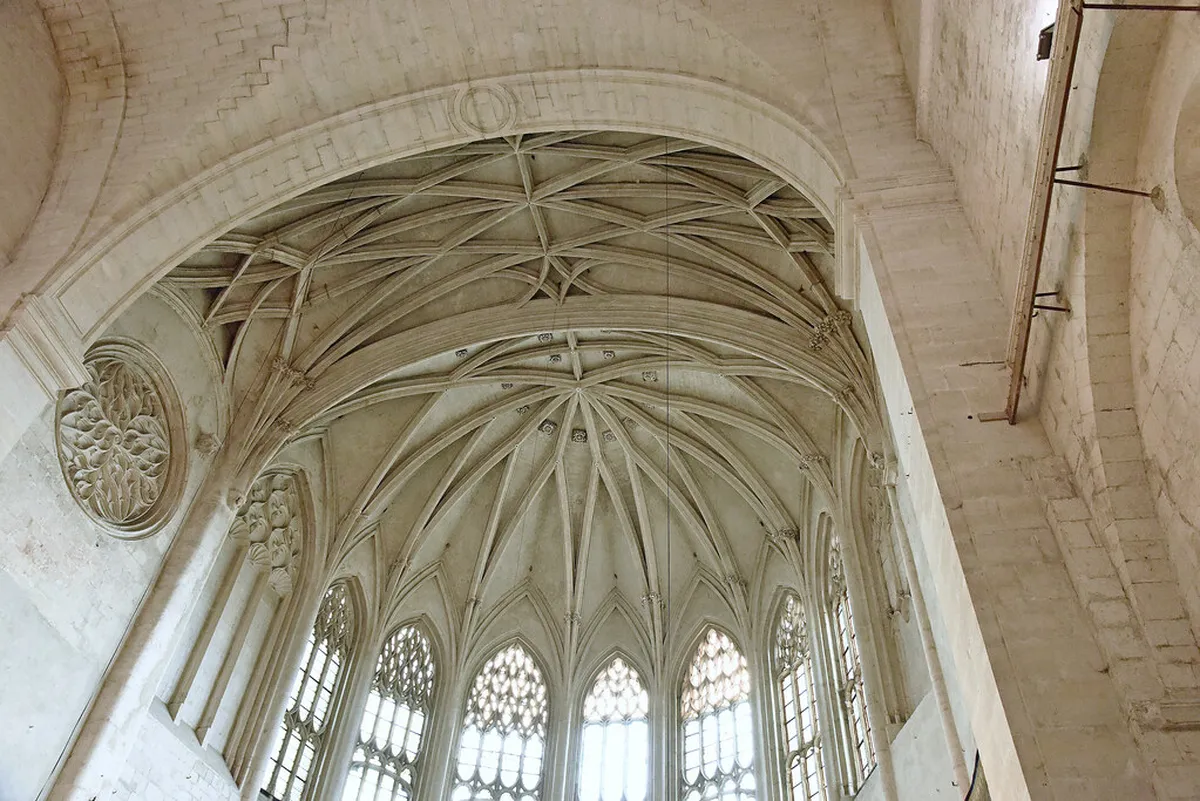
Franque was known for his technical skill in vaulting systems. He solved many complex engineering problems for the local nobility. His ability to maximize light in small spaces was legendary. This skill was vital for the dense urban layout of Avignon. Many of his structures have survived for over three hundred years. They represent the peak of 18th-century French construction techniques. The use of local white limestone makes his work glow.
During the 2025 season, many of these sites are open. Travelers can admire the soft textures of the aged stone walls. Each building tells a story of wealth and artistic ambition. Franque transformed the city from medieval to a modern center. His vision helped the city transition into the Enlightenment era. Exploring these sites provides a deep connection to French history. It is a journey through time and artistic excellence.
The Musée Calvet and the Neoclassical Legacy
The Musée Calvet is perhaps his most famous residential project. It was originally known as the Hôtel de Villeneuve-Martignan. This grand mansion shows how the architect Jean-Baptiste Franque works in Avignon. The courtyard is wide and welcoming to all prestigious guests. Its facade features elegant columns and perfectly balanced windows. You can visit this museum today at 65 Rue Joseph Vernet.
Inside, the Musée Calvet neoclassical architecture is truly breathtaking to see. The grand staircase is a masterpiece of stone engineering and grace. Franque designed it to impress every person who entered the home. The museum now houses an incredible collection of fine arts. Admission is often free for the permanent galleries in 2025. This makes it an accessible stop for all budget travelers. The garden offers a quiet place for peaceful reflection.
The mansion was built between 1741 and 1759 for a marquis. It reflects the high status of the people living in Avignon. Franque used the classical orders to create a sense of power. The stonework is so precise that the joints are barely visible. This level of craftsmanship was rare even in his time. Visitors should look closely at the decorative carvings on the walls. They represent the best of French decorative arts from that era.
Today, the museum serves as a cultural hub for the city. It hosts various exhibitions that attract thousands of global tourists annually. The building itself is as important as the art inside. It remains a protected monument under French national heritage laws. Walking through the rooms feels like stepping into the 1700s. The light filters through the large windows just as intended. It is a must-see for anyone interested in classic design.
Grand Mansions and Hôtels Particuliers
Avignon is famous for its collection of private urban mansions. These buildings are known in France as hôtels particuliers of Avignon today. Franque was the primary architect for many of these noble residences. He designed the Hôtel de Caumont with a grand artistic flair. This building now serves as a major art center and cafe. It is located at 3 Rue de l'Hocéane for visitors.
Each mansion he designed followed a specific and rigorous architectural layout. They usually featured a large entrance gate for horse-drawn carriages. A central courtyard provided privacy from the busy public streets. The main living quarters were located at the back of the lot. This design allowed for beautiful private gardens behind the stone walls. Franque was a master at fitting these grand homes into tight spots. His urban planning skills were ahead of their time.
He also worked on the Hôtel des Laurens during his career. This building shows his talent for creating monumental and sturdy facades. He used heavy cornices and decorative ironwork to add visual interest. Many of these homes are still used by private families today. Others have been converted into luxury boutiques or stylish hotels. They represent the enduring charm of the city's historic center. Walking past them feels like a lesson in high-end design.
In 2025, several of these mansions offer guided interior tours. These tours provide a rare look at the original wood paneling. You can see the intricate plasterwork on the high ceilings. The cost for these tours is usually around fifteen Euros. It is best to book your tickets online in advance. Most sites are located within walking distance of the central square. This makes an architectural tour very easy to complete.
Religious and Civic Works of the Master
Franque did not just build homes for the wealthy elite. He also contributed to the city's important public infrastructure projects. He worked on the expansion of the Hôpital Sainte-Marthe in Avignon. This hospital needed more space to care for the local population. Franque designed wings that were functional and also very beautiful. His work helped define 18th-century neoclassicism in Provence through civic buildings. The hospital facade remains an impressive sight for modern pedestrians.
He also lent his expertise to various religious buildings in town. The architect worked on the chapel of the Oratoire during the 1700s. He focused on creating a space that felt light and airy. His use of domes and arches was influenced by Roman design. This connection to the past was very popular during his era. The stone used in these churches was sourced from local quarries. It has a warm yellow tint that glows at sunset.
Franque's civic works often prioritized the health of the citizens. He understood the importance of ventilation and clean living spaces. His hospital designs included large windows for fresh air and light. This was a revolutionary idea for the mid-18th century period. He believed that beauty could help people heal more quickly. The scale of these buildings showed the city's growing civic pride. They stand as monuments to his social and artistic vision.
Today, these public buildings serve new and modern purposes. The old hospital is now part of the local university campus. Students walk through the same stone arches that Franque designed. This repurposing helps keep the history of the city alive. Visitors can admire the exterior of these buildings while exploring. The integration of old and new is a local specialty. It makes the urban landscape feel vibrant and layered.
Planning Your Architectural Walking Tour
The best way to see his work is on foot. You can follow an Avignon architectural walking tour this year. Start your journey at the Place de l'Horloge in the morning. This central square is near many of his famous sites. Wear comfortable shoes as the old streets are quite uneven. Most of the main buildings are within a one-mile radius. You can see his best works in about three hours.
Be sure to bring a camera for the amazing details. The morning light is perfect for capturing the stone textures. You will see many small details on the door frames. Franque often included subtle carvings that are easy to miss. Look for the family crests on the large wooden doors. These small touches show the pride of the original owners. The city is very photogenic during the spring and fall.
Stop at the Musée Calvet for at least one hour total. The courtyard is the best place for a quick rest. Many local cafes are located near these historic architectural sites. You can enjoy a coffee while looking at a masterpiece. The prices for a drink are usually three to five Euros. This allows you to soak in the local atmosphere slowly. The locals are very proud of their architectural heritage.
Finish your tour at the Hôtel de Caumont for lunch. Their garden cafe is one of the best in town. You can dine surrounded by the beauty of the 1700s. The menu features local Provence dishes and fresh seasonal ingredients. This is a great way to end your historical journey. You will leave with a deep appreciation for Franque's skill. His work truly defines the spirit of this ancient city.
Frequently Asked Questions
What is the most famous building by Jean-Baptiste Franque?
The Musée Calvet is his most famous work in Avignon. It was originally a grand mansion for the Villeneuve-Martignan family. The building is a masterpiece of neoclassical design from 1741. You can visit it today to see the incredible stonework.
Is Jean-Baptiste Franque's work easy to find in Avignon?
Yes, his work is scattered throughout the historic city center. Most of his buildings are within the old city walls. You can find them by looking for the grandest stone mansions. Many are marked with historical plaques for tourists to read.
What architectural style did Franque use for his projects?
He primarily used the French neoclassical style during his career. This style focuses on symmetry, columns, and very clean stone lines. It was a reaction against the overly decorated Baroque style. His work feels both solid and very elegant to visitors.
Did he work alone or with a team of architects?
Jean-Baptiste often worked with his talented son, François Franque. They operated a successful family business for many decades together. This collaboration allowed them to take on very large urban projects. Their shared style created a consistent look for the city.
Jean-Baptiste Franque was a visionary who defined the 18th-century look of Avignon. His mansions and public buildings remain the heart of the city today. Visitors in 2025 should take time to explore these stone treasures. You will discover a world of elegance and technical mastery. Start your journey by visiting the local architecture in Avignon sites today. Experience the timeless beauty of French neoclassical design for yourself.
Key Takeaways
- Jean-Baptiste Franque was a master of 18th-century French neoclassicism.
- The Musée Calvet is his most significant and accessible work today.
- His buildings are famous for their intricate stone cutting and engineering.
- A walking tour is the best way to see his mansions.
- He helped transition Avignon from medieval styles to modern elegance.
Related reads: architecturebycity.com.