
Discover Hôtels Particuliers of Avignon
Explore the stunning Hôtels Particuliers of Avignon. Discover hidden private mansions and French architecture with our expert 2025 neighborhood guide.
On this page
Avignon is a city of hidden treasures and history. It is famous for its grand private mansions. These buildings are called Hôtels Particuliers of Avignon. They show the city's rich history and wealth.
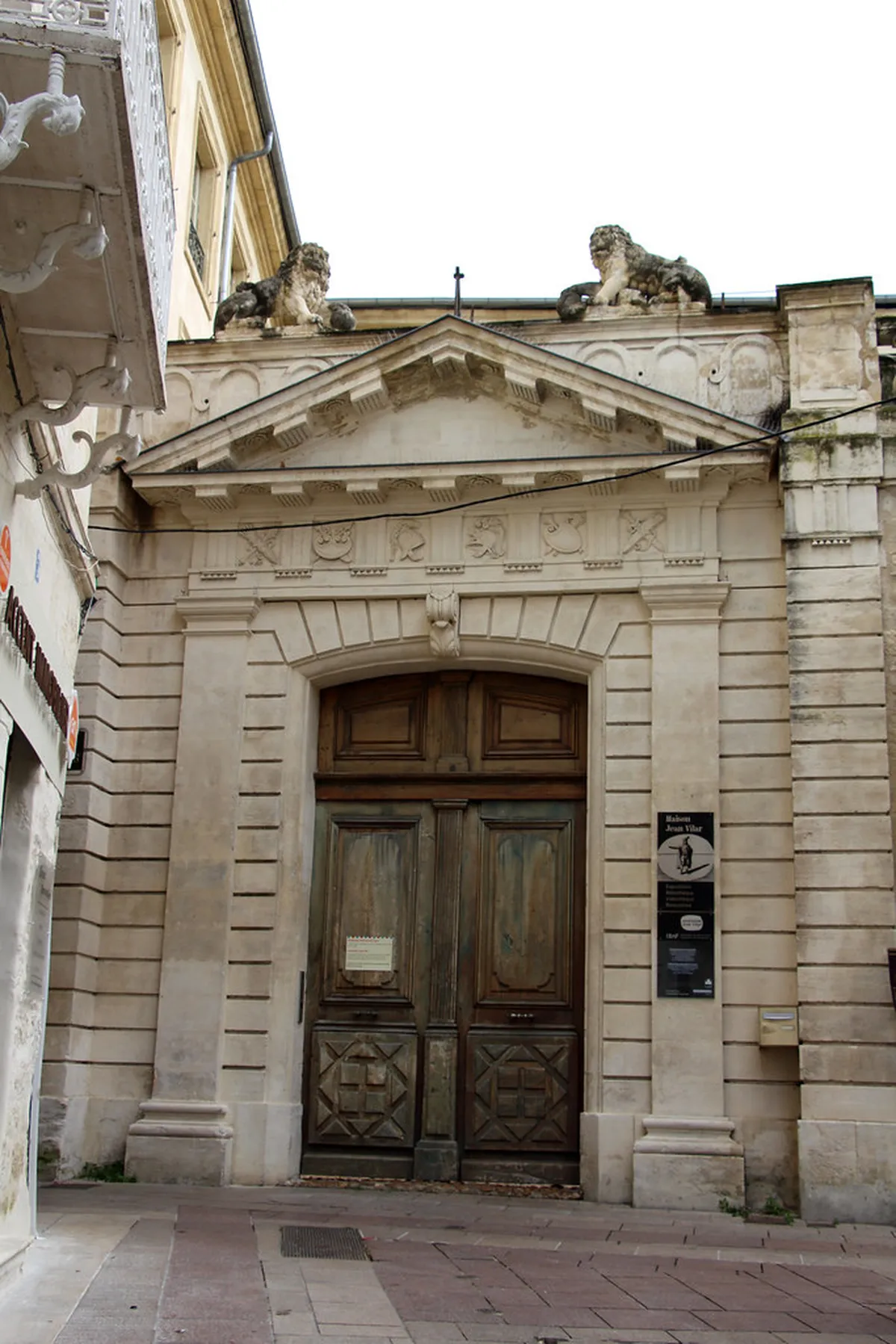
The city center is full of these elegant homes. Most date back to the 17th and 18th centuries. They feature beautiful facades and secret inner courtyards. Visitors often miss these gems behind large wooden doors.
This guide explores the most beautiful historic homes. You will learn about their unique architectural styles. We will cover the best streets for a walking tour. Discover the stories of the families who lived here.
The History of Private Mansions in Avignon
Avignon grew wealthy during the Papal era. Cardinals and noble families built grand homes here. These mansions reflected their high social status. You can see this legacy in architecture in Avignon today.
The 17th and 18th centuries were the golden age. Many families hired top architects for their projects. They wanted grand courtyards and ornate facades. These homes are now symbols of French luxury.
The French Revolution changed many of these grand estates. Some were divided into smaller private apartments. Others were used as government offices or schools. Many have been restored to their former glory recently.
The city protected these sites as historic monuments. This ensures the stone carvings remain in good condition. Walking through these streets feels like visiting a museum. Every corner reveals a new piece of history.
Stunning Baroque Architecture on Rue Banasterie
Rue Banasterie is home to many beautiful buildings. This street feels like a trip back in time. You will find the baroque mansions of Rue Banasterie here. The stonework is intricate and very well preserved.
Many of these houses have large wooden doors. These doors lead to hidden inner courtyards. In 2025, many remain private family residences. Others have become museums or luxury guest houses.
Look up to see the ornate stone balconies. The windows often feature decorative iron railings. Local stone from nearby quarries was used here. It gives the street a warm and golden glow.
- Hôtel Madon de Châteaublanc: Features a majestic facade.
- Hôtel de Tonduti: Known for its classical proportions.
- Hôtel de Pampelonne: Displays unique decorative details.
Take your time walking down this narrow street. The lack of cars makes it very peaceful. It is a perfect spot for historical photography. Note the height of the grand entrance gates.
Architect Jean-Baptiste Franque's Lasting Legacy
One name stands out in Avignon's design history. Jean-Baptiste Franque was a very famous local architect. He worked on many iconic buildings in the city. You can study architect Jean-Baptiste Franque works in Avignon nearby.
His style combined classical beauty with local materials. He used white limestone from neighboring quarries. This stone glows under the bright Provence sun. His designs influenced many other builders in the region.
Franque was known for his technical engineering skills. He designed complex staircases that looked very light. His work helped define the 18th-century look of Avignon. Many Hôtels Particuliers of Avignon bear his signature style.
He often worked for the most powerful local families. His buildings featured wide halls and high ceilings. These spaces stayed cool during the hot summers. This practical design remains useful for residents today.
Must-Visit Mansions: Hotel de Beaumont and More
The Hotel de Beaumont private mansion architecture is truly stunning. This building features a magnificent grand staircase. It also has a beautiful hidden garden area. It is one of the best Hôtels Particuliers of Avignon.
Another great spot is the Hotel de Villeneuve-Martignan. It now houses the famous Calvet Museum. The building showcases classic French Baroque design elements. Visitors can enjoy the art and the building.
The Hôtel de Caumont is another impressive site. It is now a primary school building. You can still admire the facade from outside. The scale of the entrance is quite massive.
Many mansions are located near the Papal Palace. This area was the most prestigious in town. Wealthy families wanted to live near the seat of power. These homes are clustered in the historic center.
Practical Tips for Exploring Avignon's Hidden Gems
Most private mansions are located within the walls. Start your walk at the Place de l'Horloge. Many mansions are hidden behind very tall walls. Look for bronze plaques that give historical details.
Wear comfortable shoes for the cobblestone streets. Some courtyards are open for public festivals. Check the local tourism office for special opening times. Many sites offer guided tours during the summer.
Respect the privacy of the current residents here. Most of these buildings are still private homes. Avoid entering gates unless there is a sign. Stay on the public sidewalks while taking photos.
Visiting in 2025 is a great choice for travelers. Many buildings have finished their recent exterior cleanings. The stone looks bright and fresh for visitors. Early morning light is best for viewing facades.
Frequently Asked Questions
What is a Hôtel Particulier in France?
A Hôtel Particulier is a grand private mansion. It is usually built for a single family. Unlike a standard town house, it stands alone. These homes often feature a courtyard and garden.
Are the Hôtels Particuliers of Avignon open to the public?
Some are museums you can enter for a fee. Many others remain private homes for local families. You can view most of them from the street. Some open their gates during heritage festivals.
Where is the best street to see these mansions?
Rue Banasterie is the most famous street for mansions. Rue Joseph Vernet also features many grand homes. Both streets are easy to walk in the center. They offer a high density of historic architecture.
How much does it cost to visit a mansion museum?
Museum entry usually costs between 6 and 10 Euros. Some smaller galleries are free to enter. Check the Calvet Museum for the best value. It is housed in a stunning private mansion.
The Hôtels Particuliers of Avignon offer a unique experience. They represent the peak of French provincial luxury. Take a walk through the historic streets this year. You will find beauty behind every wooden door.
Key Takeaways
- Rue Banasterie is the best street for sightseeing.
- Look for architect Jean-Baptiste Franque's iconic stone designs.
- Visit the Calvet Museum to see a mansion interior.
- The 18th century was the peak building period.
- Respect private property while exploring the historic neighborhood.