
Avignon Opera House Facade Details: A 2025 Guide
Explore the intricate Avignon Opera House facade details. Learn about its Neoclassical style and history in our expert 2025 architectural guide. View it today.
On this page
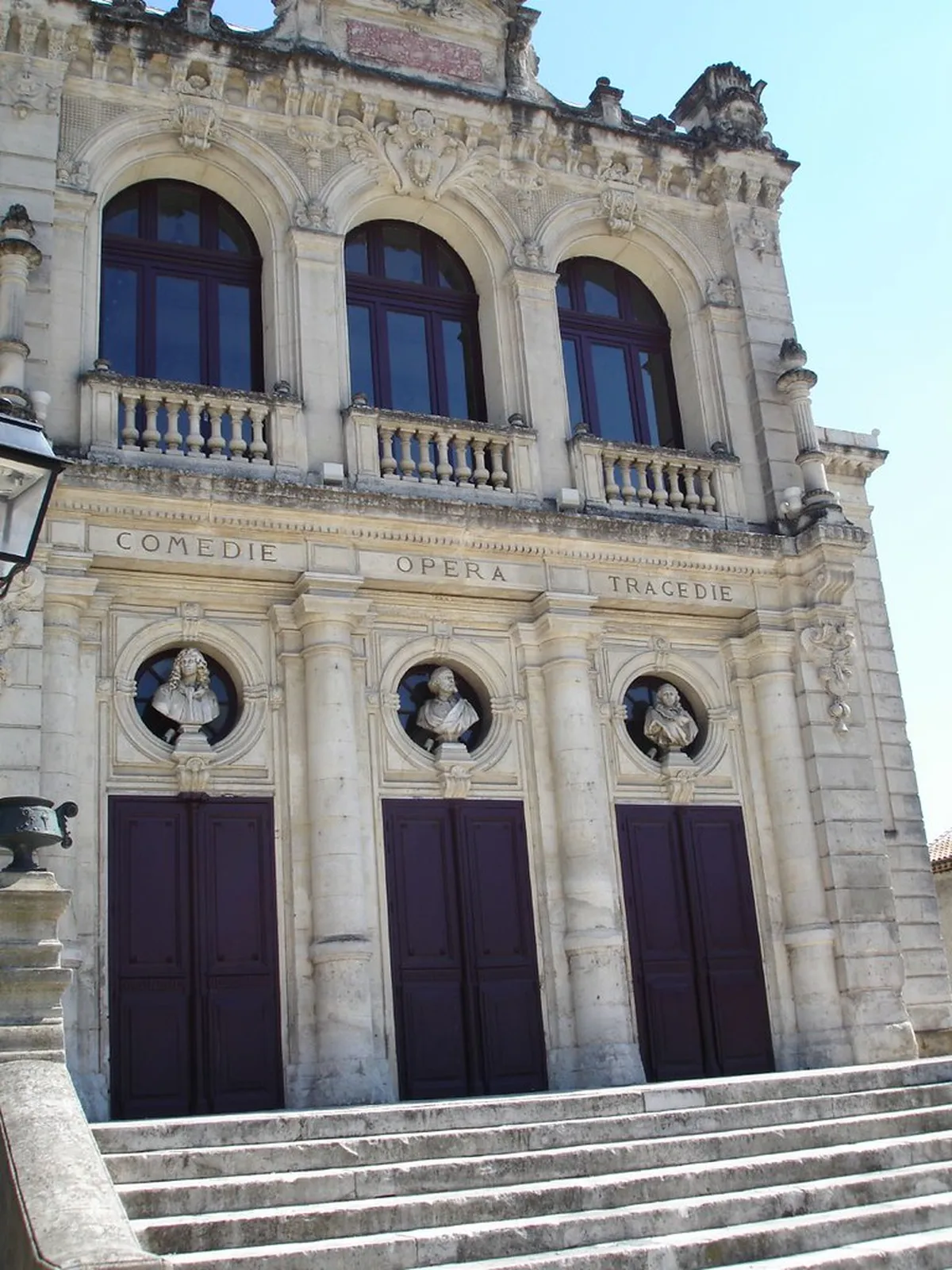
The Opera Grand Avignon stands as a true masterpiece of Neoclassical design in France. This iconic structure anchors the city center with its impressive presence and elegant proportions. You will find incredible Avignon Opera House facade details throughout the front of this historic building. It serves as a vital cultural hub for the local community and visitors alike.
Understanding the architecture in Avignon requires a close look at this specific theater. The building was first constructed in 1824 but faced a devastating fire soon after. It was beautifully rebuilt in 1847 to reflect the grandeur of the nineteenth century. Today, it remains one of the most photographed sites in the entire city.
The facade tells a story of artistic ambition and civic pride through its stone carvings. Every element was carefully chosen to represent the importance of the performing arts. In this guide, we will examine the specific features that make this building unique. Join us as we explore the architectural brilliance of the Grand Avignon Opera.
The Neoclassical Style of the Opera Facade
The Neoclassical style provides a sense of order and timeless beauty to the city. Architects Léon Feuchère and Théodore Charpentier designed the current facade after the 1846 fire. They utilized classical Greek and Roman elements to create a formal aesthetic. This style was very popular for public buildings during the mid-nineteenth century.
Symmetry is a defining characteristic of the Opera Grand Avignon. The central portico draws the eye toward the main entrance with perfect balance. Tall Corinthian columns stand proudly to support the heavy upper structure. These columns feature intricate leaf carvings at their tops, known as capitals. Such details showcase the high level of craftsmanship available during that era.
The use of local limestone gives the building a warm and golden hue. This stone reflects the bright Mediterranean sunlight beautifully throughout the day. It creates a striking contrast against the blue skies of southern France. You can see the texture of the stone when viewing the Avignon Opera House facade details closely.
The upper portion of the facade includes a decorated frieze and a grand pediment. These sections contain subtle carvings that celebrate the muses of theater and music. The proportions follow the strict rules of classical architecture to ensure visual harmony. This mathematical approach to design was a hallmark of the Neoclassical movement.
Sculptures of Molière and Corneille
Two large statues sit prominently in front of the theater to welcome every guest. These figures represent the famous French playwrights Molière and Pierre Corneille. Sculptors Joseph-Brian and Imbert created these detailed stone works in the nineteenth century. They serve as a reminder of the literary heritage of the French nation.
Molière is depicted with a contemplative expression, holding a script in his hands. The artist captured the fine details of his period clothing and flowing hair. Each fold in the stone fabric looks remarkably realistic and fluid. This statue honors the comedic genius who shaped French theatrical history forever.
Corneille stands on the opposite side to represent the power of classical tragedy. His posture is firm and authoritative, reflecting the serious nature of his famous plays. The placement of these statues creates a balanced entry for the Opera Grand Avignon. They are essential components of the overall Avignon Opera House facade details.
Visitors often pause to read the inscriptions at the base of these stone figures. The statues have survived decades of weather and urban growth in the city center. Recent restoration efforts in 2025 have ensured they remain in excellent condition for future generations. They continue to inspire artists who perform inside the historic theater today.
Integration with Place de l'Horloge Historic Buildings
The Opera House is a central part of the Place de l'Horloge historic buildings cluster. This square has served as the social heart of Avignon for several centuries. The theater stands right next to the impressive Town Hall of the city. Together, they create a grand architectural ensemble that defines the urban landscape.
The height of the Opera House matches the surrounding buildings to maintain a uniform skyline. This careful urban planning prevents any single structure from overwhelming the historic square. Wide pedestrian paths allow locals to admire the facade from various angles. The open space provides the perfect vantage point for studying architectural details.
Cafes and restaurants line the edges of the square near the theater entrance. These lively spots offer a great place to sit and watch the world go by. You can enjoy a coffee while looking at the majestic stone columns of the Opera. The building truly comes alive during the famous Avignon Festival held every summer.
The transition between the theater and the Hotel de Ville Avignon bell tower is visually seamless. Both structures use similar building materials and architectural languages from different periods. This blend of styles tells the long history of the city of Avignon. It makes the square one of the most important cultural sites in France.
Detailed Elements of the Grand Portico
The grand portico is perhaps the most famous feature of the entire building. It consists of four massive columns that create a covered entrance for visitors. This architectural element provides shade and protection from the occasional rain in the region. It also adds a sense of monumental scale to the theater front.
The ceiling of the portico contains geometric patterns carved directly into the stone. These subtle decorations are often missed by people rushing to see a performance. You should look upward to appreciate the full extent of the artistic work. The craftsmanship extends to every corner of the exterior structure.
- Large wooden doors with iron fittings
- Intricate stone moldings around every window
- Decorative balconies with ornate metal railings
- Engraved dates commemorating the theater construction
The windows on the upper floor feature rounded arches that soften the rectangular facade. These openings allow natural light to flood the internal foyer during the day. The glass reflects the vibrant activity of the Place de l'Horloge below. Every window is framed by decorative pilasters that match the main columns.
Ornate ironwork can be found on the small balconies overlooking the main square. These railings feature floral motifs and scrolls that add a touch of delicacy. They provide a contrast to the solid and heavy nature of the limestone walls. Such intricate metalwork was a sign of prestige during the 1800s.
The Impact of the 1846 Reconstruction
The original theater on this site was destroyed by a fire in early 1846. This event was a major tragedy for the cultural life of the city. However, the local government decided to rebuild the structure almost immediately. The new design was intended to be even more grand than the first.
The reconstruction project was completed in a remarkably short period of time. It took only about one year to finish the new facade and interior. This rapid pace shows the dedication of the local workers and architects. They wanted to return music and drama to the citizens as quickly as possible.
During the rebuild, the architects improved the fire safety features of the building. They used more stone and less wood in the structural components of the facade. This decision has helped the theater survive into the modern era without further damage. The 1847 version is what we see and admire today.
Modern visitors can still see the influence of the original 1820s layout in the foundation. The architects respected the history of the site while adding new decorative elements. This layering of history makes the building a fascinating subject for architectural students. It represents the resilience and artistic spirit of the people of Avignon.
Preserving Architectural Heritage in 2025
Preservation efforts for the Opera Grand Avignon are an ongoing priority for the city. Specialists use modern technology to clean the delicate limestone without causing any erosion. This process removes city grime and reveals the original bright color of the stone. Maintaining these details requires a high level of expertise and careful planning.
The lighting system for the facade was recently updated in early 2025. New LED lights highlight the columns and statues during the evening hours. This creates a dramatic effect that can be seen from across the square. Nighttime photography of the theater has become very popular among tourists lately.
Conservationists also monitor the statues of Molière and Corneille for signs of wear. They apply protective coatings to prevent damage from acid rain and temperature changes. These efforts ensure that the sculptures remain sharp and clear for years to come. The goal is to keep the building looking as it did in 1847.
The Opera House serves as a model for historic preservation in southern France. It shows how old buildings can remain functional and beautiful in the modern age. Visitors can support these efforts by purchasing tickets to see a live performance inside. Experience the history of Avignon by visiting this incredible landmark during your trip.
Frequently Asked Questions
What are the most famous Avignon Opera House facade details?
The most famous details include the grand Corinthian columns and the large portico. You should also look for the statues of Molière and Corneille out front. These elements represent the height of French Neoclassical design in the nineteenth century.
When was the Opera Grand Avignon facade rebuilt?
The current facade was rebuilt in 1847 after a fire destroyed the original building. Architects Léon Feuchère and Théodore Charpentier designed the new structure. It was completed quickly to resume theatrical performances for the city.
Can you take photos of the Opera House facade?
Yes, taking photos of the exterior is highly encouraged and very popular. The best time for photography is during the late afternoon sun. This lighting highlights the warm colors of the limestone and the intricate carvings.
Where is the Opera Grand Avignon located?
The theater is located on the Place de l'Horloge in the center of Avignon. It sits right next to the Town Hall and other historic buildings. This area is easily accessible by foot for anyone exploring the city walls.
The Opera Grand Avignon is a stunning example of Neoclassical architecture that deserves your attention. From the towering columns to the detailed statues, it offers a wealth of visual beauty. Make sure to spend time admiring the Avignon Opera House facade details on your next visit. We recommend booking a tour to see how the exterior beauty matches the grand interior hall. Plan your trip today to experience this historic treasure in the heart of France.
Key Takeaways
- The theater features a classic Neoclassical facade with symmetrical proportions.
- Statues of Molière and Corneille guard the entrance to honor French drama.
- The building was reconstructed in 1847 following a major fire in 1846.
- Local limestone gives the structure its signature warm and golden appearance.
- The Opera House is a key part of the historic Place de l'Horloge.
Related reads: architecturebycity.com, haussmann style buildings in avignon center, palais des papes architecture.