
Palais des Papes Architecture: A Gothic Gem
Discover the history and design of Palais des Papes architecture. Visit this Avignon landmark in 2025 to see Gothic beauty. Plan your trip today!
On this page
The Palais des Papes stands as a grand symbol of power in Southern France. It remains the largest Gothic palace found anywhere in the entire world today. In 2025, visitors can explore the massive stone walls and soaring towers of this medieval fortress. This historic site served as the residence for nine different popes during the 14th century.
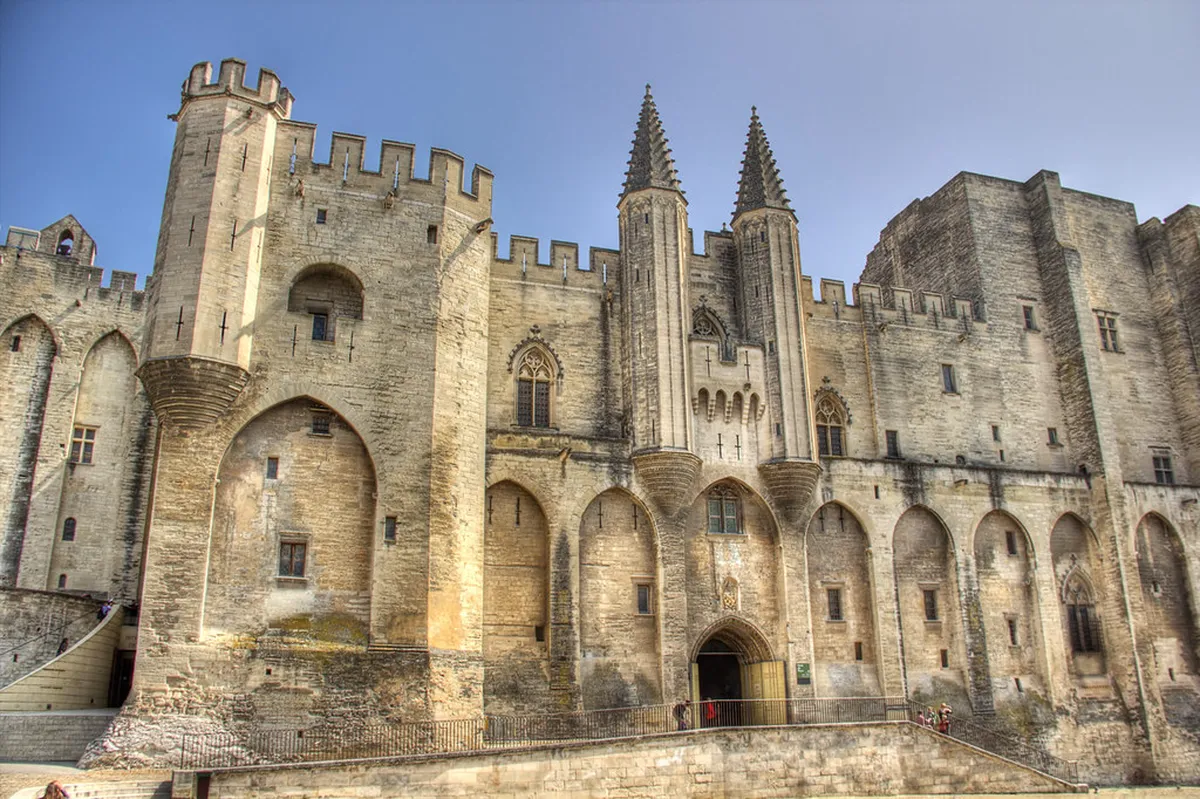
Understanding the Palais des Papes architecture requires a look at its dual nature. It serves as both a defensive castle and a lavish religious palace. The structure dominates the Avignon skyline with its sheer size and golden limestone. You will find it located near the Rhône River in the heart of the city.
This masterpiece reflects the peak of medieval engineering and artistic vision in France. Its design influenced many other examples of architecture in Avignon during the Middle Ages. Tourists come from across the globe to admire its scale and complexity. Let us dive deep into the fascinating details of this UNESCO World Heritage site.
The Evolution of Two Combined Palaces
The Palais des Papes actually consists of two buildings joined together. These are known as the Palais Vieux and the Palais Neuf. Pope Benedict XII commissioned the construction of the Palais Vieux in 1334. He wanted an austere and functional fortress to protect the papacy. This older section features thick walls and very simple decorative elements.
Later, Pope Clement VI added the Palais Neuf to showcase his immense wealth. This second phase of construction began in 1342 and finished in 1352. It introduced more ornate features and larger halls for hosting grand ceremonies. The transition between these styles shows the shifting priorities of the medieval church. Architects Pierre Peysson and Jean de Louvres led these massive building projects.
The palace covers an impressive area of 15,000 square meters in total. It contains high vaulted ceilings and deep defensive ditches around the outer perimeter. The builders used local limestone which gives the walls a warm and golden glow. Even today, the seamless integration of these two palaces remains an engineering marvel. It is a key stop on any architectural walking tour of the city center.
Mastering the Avignon Gothic Style
The palace is the ultimate example of the International Gothic style. It features high pointed arches and heavy stone buttresses for structural support. These elements allowed architects to build much higher than ever before in history. You can see these features clearly in the soaring towers and wide galleries. The design highlights the strength and permanence of the Catholic Church.
The facade of the palace appears rugged and meant for military defense. However, the interior spaces reveal the delicate beauty of Avignon Gothic architecture through fine carvings. Stone window traceries allow soft light to filter into the massive interior chambers. The builders focused on creating vertical lines that draw the eye toward heaven. This verticality is a hallmark of the Gothic movement in Europe.
Large courtyards break up the massive stone volumes of the palace exterior. The Honor Courtyard serves as the central hub for the entire building complex. It hosts the famous Avignon Festival every summer in the open air. The surrounding walls reach heights of nearly 50 meters in some specific areas. This scale creates a feeling of awe for everyone who enters the gates.
Interior Marvels and Decorative Arts
The interiors of the palace were once filled with colorful frescoes and tapestries. Many of these decorations were lost during the French Revolution in the 1700s. However, the private apartments of the Pope still contain beautiful and rare paintings. Italian artist Matteo Giovannetti created many of these stunning works of art. His style blended naturalism with the elegance of the papal court life.
The Grand Tinel hall is one of the most impressive rooms inside. It measures 48 meters long and served as the main dining hall. The wooden barrel-vaulted ceiling was once painted blue with bright gold stars. This room could hold hundreds of guests during massive official banquets. It highlights the social importance of architecture in the 14th century.
Another notable space is the Stag Room, used as a private study. Its walls are covered in hunting scenes and lush forest landscapes. These paintings represent a move away from purely religious themes in art. The room feels intimate and warm compared to the cold stone halls. It provides a rare glimpse into the daily life of the medieval popes.
Strategic Fortifications and Military Design
The Palais des Papes was designed to withstand long and difficult sieges. Its outer walls are over three meters thick to resist heavy artillery. Ten massive towers guard the perimeter and provide excellent views of the city. Archers could fire through narrow slits while remaining safe behind the stone. These defensive features were essential during the turbulent times of the 1300s.
Visitors can explore the secret passages hidden within the thick palace walls. These tunnels allowed the popes to move safely between different sections. Some passages led to underground vaults where the church kept its gold. The palace also includes machicolations at the top of the towers. These openings allowed defenders to drop stones on any approaching enemies.
The Trouillas Tower is the tallest and most formidable of all towers. it housed the mint and the treasury of the papal state. The height of the tower served as a warning to potential invaders. It also provided a vantage point to see the Rhône River. The military design ensured that the palace remained an unconquerable fortress for decades.
Practical Tips for Your 2025 Visit
Planning a trip to see the palace in 2025 is very easy. The landmark is open every day of the year for visitors. Standard adult tickets cost approximately 12 euros for the main palace entry. You can buy a combined ticket to see the nearby bridge as well. Booking online in advance is highly recommended to avoid long lines.
- Opening Hours: Usually 9:00 AM to 7:00 PM in peak season.
- Audio Guides: The Histopad provides a high-tech virtual reality experience.
- Accessibility: Some areas have steep stairs that may be difficult for some.
- Location: Place du Palais, 84000 Avignon, France.
The Histopad is included with your ticket price at the main entrance. It allows you to see the rooms as they looked in 1350. This technology brings the bare stone walls back to life with color. It is the best way to understand the complex layout of the building. Most visitors spend about two to three hours exploring the entire site.
Frequently Asked Questions
What is the best time to visit Palais des Papes?
The best time to visit is during the spring or fall months. You will find pleasant weather and much smaller crowds than summer. The July festival makes the city very busy and quite expensive. Morning visits are ideal to enjoy the soft light on the limestone.
How long does it take to tour the palace?
Most people need at least two hours to see the main rooms. If you enjoy history, you might want to stay for three hours. The Histopad guide provides a lot of interesting detail for each room. Be sure to allow extra time for the rooftop views.
Can I take photos inside the Palais des Papes?
Photography is allowed in most of the large public halls and courtyards. However, you cannot use a flash near the delicate medieval frescoes. Some private chapels may have strict no-photo rules to protect the art. Always check for signs in each specific room you enter.
The Palais des Papes architecture is a true marvel of the medieval world. It tells a story of faith, power, and incredible artistic achievement. Seeing the palace in person is an experience you will never forget. You should start planning your 2025 trip to Avignon right now. Explore this historic site and discover the secrets of the popes today!
Key Takeaways
- The palace is the largest Gothic building in Europe.
- It features a unique blend of military and religious architecture.
- The Histopad offers a great virtual look at medieval interiors.
- The site consists of two distinct palaces built by different popes.
- Advance booking is essential for visiting during the summer months.