
Grand Tinel Hall Interior Architecture in 2025
Explore the Grand Tinel hall interior architecture in Avignon. Learn about the Palais des Papes architecture and its unique Gothic design features.
On this page
The Grand Tinel is a highlight of the famous Popes' Palace. It showcases the best Grand Tinel hall interior architecture in France. This room served as the primary dining hall for medieval popes. It remains an essential stop for visitors in 2025. You will feel the weight of history beneath its soaring ceiling.
Overview of Grand Tinel Hall Interior Architecture
The Grand Tinel is central to the Palais des Papes architecture found in Avignon. This hall is massive in scale and historical importance. It sits within the Old Palace section of the complex. Architects designed it to impress visiting kings and diplomats.
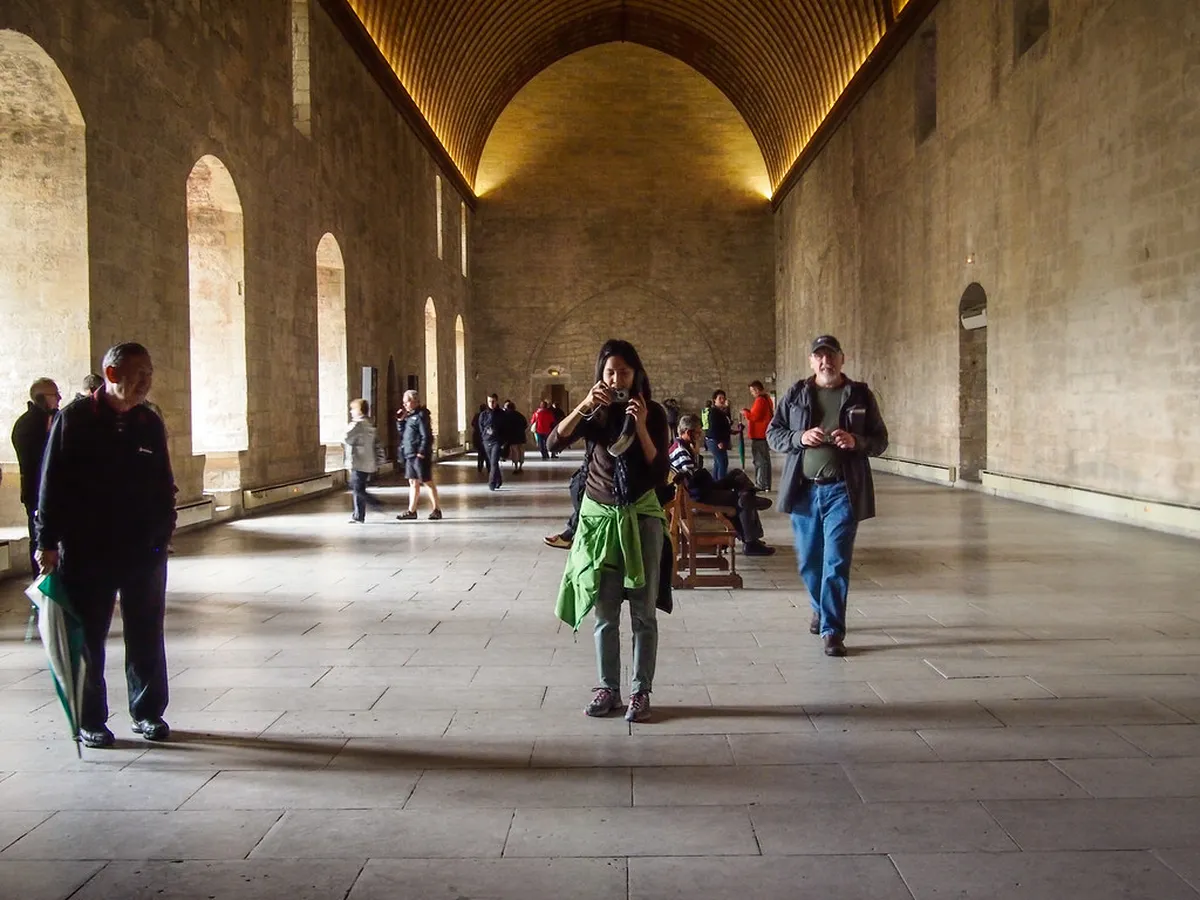
The room measures forty-eight meters in length. It spans ten meters in width. This vast area demonstrates the immense power of the papacy. It provides a rare look at 14th-century palace life. The scale is truly breath-taking for modern guests.
The walls consist of sturdy local limestone blocks. These stones have survived for many centuries. You can still see the precision of the medieval masons. They built this structure to last for many generations. It stands as a testament to their skill today.
The Iconic Wooden Vault Ceiling
The ceiling is the most famous part of the hall. It features an inverted ship's hull design made of oak. This style is a hallmark of Avignon Gothic architecture from that era. The wooden vaulting creates a sense of lightness and height.
Artisans originally covered the wood with fine blue cloth. They added golden stars to represent the heavens. This decoration was sadly lost during a fire in 1413. However, the exposed oak beams still look spectacular today. The wood provides a warm contrast to the stone walls.
The ceiling structure supports the weight of the roof tiles. It uses complex joinery to maintain its unique shape. This engineering marvel protected the popes from the harsh weather. It remains one of the finest examples of medieval woodwork.
Gothic Windows and Natural Light
Tall windows line the walls of the Grand Tinel. These windows follow the classic pointed Gothic arch style. They allow natural light to flood the interior space. This light reveals the texture of the stone masonry. The atmosphere changes as the sun moves across the sky.
The windows also offer views of the palace courtyard. This connection to the exterior was important for ventilation. During the summer, the stone keeps the interior cool. The architecture balances functional needs with artistic beauty perfectly. It reflects the sophistication of the papal court.
Strong stone pillars support the arches of the windows. These elements provide both strength and visual rhythm. You can see how the light emphasizes the vertical lines. This verticality is a key feature of Gothic design. It draws the eye upward toward the wooden ceiling.
The Great Fireplace and Heating
A massive fireplace stands at the northern end of the room. It is one of the largest fireplaces in all of Europe. This feature was necessary to heat such a vast hall. It served as a focal point during winter banquets. The scale of the hearth is truly impressive.
The chimney is built directly into the thick outer walls. This design choice kept the smoke away from the diners. It shows the advanced planning of the palace architects. They considered comfort alongside the need for grand display. The fireplace remains a functional piece of art today.
You will see intricate stone carvings around the fireplace opening. These details reflect the wealth and status of the popes. No expense was spared in decorating this ceremonial space. It provided a warm and luxurious setting for guests. This was essential for the cold Avignon winters.
Dining Ceremonies and Social Life
The Grand Tinel hosted the most important papal banquets. Guests sat at long tables arranged by their social rank. The Pope sat on a raised platform at the end. This layout made the hierarchy of the court clear. It was a place for both food and politics.
A wooden gallery once held musicians during these grand events. Their music would echo through the large stone hall. Servers brought food from the kitchen tower nearby. This efficient system ensured that every meal was hot. It was a busy hub of palace activity.
These ceremonies often lasted for several hours or days. They were meant to display the influence of the church. Grand Tinel hall interior architecture provided the perfect backdrop for these events. Today, we can still imagine the splendor of those moments. The hall continues to inspire all who enter.
Frequently Asked Questions
How large is the Grand Tinel hall in Avignon?
The hall is forty-eight meters long and ten meters wide. It is one of the largest medieval rooms in Europe. This scale is typical of architecture in Avignon during the papacy. It was built to host hundreds of guests at once.
What does the word Tinel mean?
The word Tinel comes from the Latin word for a dining room. In the context of the palace, it means the main refectory. This was the primary space where the popes and guests ate. It highlights the functional purpose of the grand architectural design.
What happened to the original ceiling decorations?
The original ceiling had blue cloth and gold stars. This beautiful decoration was destroyed by fire in 1413. Today, the natural oak beams of the vaulting are visible. Many visitors prefer this look as it shows the construction.
Can I visit the Grand Tinel in 2025?
Yes, the Grand Tinel is open to the public in 2025. It is a major part of the Palais des Papes tour. You can walk through the entire space and see the fireplace. It is best to book your tickets in advance.
The Grand Tinel hall interior architecture is a true medieval wonder. Its massive scale and wooden ceiling make it unique in France. You should visit this hall to experience the power of history. Book your trip to Avignon in 2025 to see it yourself.
Key Takeaways
- The hall measures 48 meters by 10 meters in size.
- The oak ceiling mimics an upside-down ship's hull design.
- The northern fireplace is one of the largest in Europe.
- The room served as the primary papal dining hall.
Related reads: architecturebycity.com.