
Avignon Gothic Architecture: Guide to Medieval Styles
Explore Avignon Gothic architecture in 2025. Learn about the Palais des Papes and medieval design in this expert style guide. Start your city tour today!
On this page
Avignon Gothic architecture provides a fascinating look into the history of the medieval Catholic Church. You can explore massive palaces and delicate churches while walking through the historic city center. This style guide covers the key features and history of these impressive stone structures today. We will help you identify the unique elements of the local building styles in France. Let us begin our journey by looking at the best architecture in Avignon from the middle ages.
The Rise of Southern Gothic Design
Avignon Gothic architecture differs significantly from the ornate styles often found in Northern France. This unique style focuses on massive volumes and utilizes much thicker stone walls for strength. You will notice significantly fewer large windows than in the famous Gothic cathedrals of Paris. The buildings appear more like fortresses because they needed to protect the powerful church leaders.
Builders in the south generally preferred single-aisle churches to ensure better acoustics for the congregation. This smart design allowed large crowds to hear the sermons clearly during the medieval period. The local style emphasizes solid structural strength over the delicate look of tall flying buttresses. These characteristics define the specific Southern Gothic style that is very common in the Provence region.
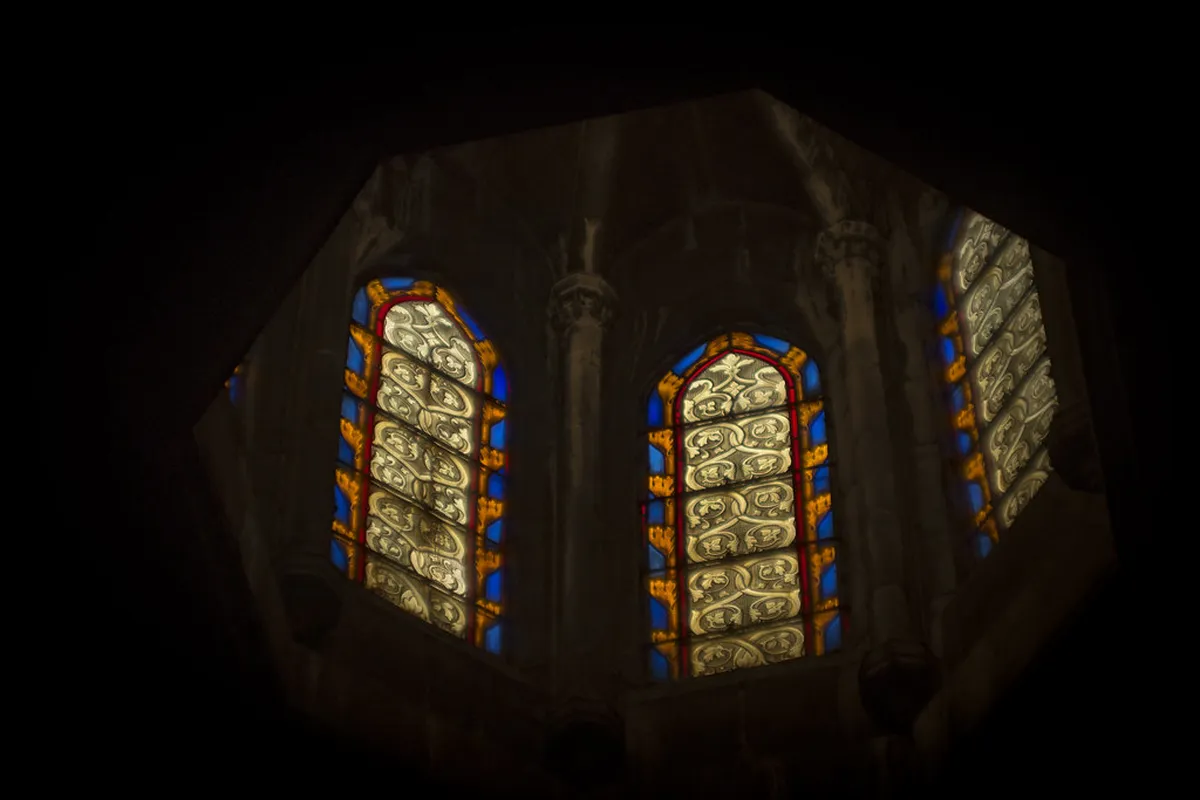
The intense sunlight of Southern France also influenced how medieval architects used space and light. Small window openings helped to keep the building interiors cool during the very hot summer months. You will see how these functional choices created a very distinct visual identity for the city. Architects focused on creating wide interior spaces that felt grand without needing massive external support systems.
Many structures in the city utilize local limestone which features a warm and golden hue. This material makes the ancient buildings glow beautifully during the famous golden hour in late afternoon. The stone texture remains somewhat rugged yet looks very refined across the entire historical city center. You can see this material used in almost every major religious building from that specific era.
Palais des Papes: The Pinnacle of Gothic Power
The Palais des Papes represents the grandest example of Avignon Gothic architecture in the entire world. It served as both a secure fortress and a holy palace for the ruling popes. This massive stone complex covers over fifteen thousand square meters of floor space in the center. It remains the largest Gothic palace ever built in Europe and stands as a UNESCO site.
Two distinct construction phases shaped the palace during the middle of the fourteenth century in France. The Old Palace shows austere and fortress-like lines with very thick defensive stone walls everywhere. The New Palace features more decorative elements including elegant vaulting and much larger ceremonial halls. You can see the transition from military needs to more artistic desires in the masonry work.
Inside the palace, the Great Tinel hall displays incredible pointed arch ceilings from the medieval period. These architectural feats allowed for massive open spaces without the need for many internal stone pillars. You should study the Palais des Papes architecture during a guided tour to see every detail. The scale of the rooms shows the immense wealth and power of the papacy at that time.
Visitors usually spend about two hours exploring the various chapels and towers within the palace walls. Tickets for adults cost around twelve Euros for the current 2025 travel season in Southern France. It is always best to book your entry time online to avoid the long daily queues. Early morning visits offer the best light for seeing the details of the exterior stone carvings.
Flamboyant Gothic Details in Local Churches
Late medieval periods brought the beautiful Flamboyant style to the historic center of the old city. This specific sub-style of Avignon Gothic architecture features very intricate flame-like stone carvings and patterns. It adds a wonderful sense of movement and grace to the heavy stone facades of churches. You can find these details on the portals and window frames of many local buildings.
The Church of Saint Pierre offers the very best look at this specific architectural detail today. Its massive wooden doors feature intricate carvings and very delicate stone tracery work located just above. The entire facade looks like a lace curtain made from solid rock by master stone masons. It is one of the most photographed religious sites in the city for good reason.
Please examine the Church of Saint Pierre flamboyant facade closely during your next walking tour of the town. You will see statues of various saints tucked neatly into decorative stone niches along the walls. This historic site is free to visit during regular daytime hours for all curious travelers. Take time to look at the high vaulted ceilings inside the main church nave.
Many smaller chapels in the city also hide these beautiful and complex architectural details inside them. Look for the ribbed vaults with carved boss stones located at the center of the ceiling. These small artistic touches show the high skill levels of the medieval craftsmen in the region. They represent the final peak of Gothic design before the Renaissance styles arrived in France.
Medieval Walls and Defensive Architecture
Avignon remains world famous for its perfectly preserved medieval city walls from the fourteenth century. These massive ramparts showcase the military side of Avignon Gothic architecture for all modern visitors. The walls stretch for over four kilometers and completely surround the historic heart of the city. They are among the finest examples of medieval defensive engineering remaining in all of Europe.
Built around the year 1350, the city walls include thirty-nine towers and seven main entry gates. The design helped protect the papal court from raiding mercenary bands during the Hundred Years War. Today, you can actually walk along certain sections of the Avignon city walls for great views. You will see how the architects balanced defensive needs with impressive visual design.
The towers feature deep machicolations used to drop heavy stones on any potential attackers below. Narrow arrow slits allowed the defenders to shoot while staying mostly covered behind the thick stone. These functional elements also create a very pleasing rhythmic pattern on the exterior of the walls. It shows that medieval engineering was both highly practical and aesthetically considered by the builders.
Walking the full perimeter of the walls takes about one hour at a very steady pace. This walk offers a unique perspective on the historical urban layout of this famous French city. Most sections of the ramparts are accessible for free throughout the entire year for everyone. It is a great way to see the scale of the medieval city planning.
Planning Your Architectural Walking Tour
The best way to see these historic sites is on foot through the narrow streets. Start your morning at the Place de l'Horloge to see the sun hitting the old buildings. This central square sits very near many key examples of Avignon Gothic architecture in the town. You will find many signs that point the way to the most famous landmarks.
Follow a set path to ensure you see every major architectural landmark during your visit. Wear very comfortable walking shoes because the old streets have many uneven and steep cobblestones. You can find a detailed Avignon architectural walking tour to guide your path. This will help you find the hidden gems that many tourists often miss.
Most historical sites in the city open around nine in the morning and close by six. Long lunch breaks often occur between noon and two for the smaller churches and chapels. Plan your schedule to visit the massive palace during the quieter morning hours for better photos. This allows you to avoid the largest tour groups that arrive in the afternoon.
Bring a high quality camera with a wide-angle lens for the very tall stone buildings. The narrow medieval streets make it quite hard to fit everything into one single photo frame. Bright morning light provides the best shadows for highlighting the deep textures of the old stone. You will capture the true spirit of the medieval era with these architectural shots.
Frequently Asked Questions
What is the most famous example of Gothic architecture in Avignon?
The Palais des Papes is certainly the most famous Gothic building in the entire city. It is the largest Gothic palace in all of Europe and a UNESCO site. Visitors come from all over the world to see its massive and impressive stone walls.
When was Avignon Gothic architecture primarily built?
Most of these impressive stone structures were built during the fourteenth century in France. This was the specific era when the Popes lived in the city instead of Rome. The style reflects the massive wealth and power of that specific historical time.
Are the medieval city walls of Avignon open to the public?
Yes, many sections of the medieval walls are open for the public to walk upon. You can see the military design and enjoy great views of the old city center. Most parts of the ramparts are free to access for visitors in 2025.
Avignon Gothic architecture offers a stunning window into a powerful and complex medieval past. From the massive stone palace to delicate church facades, the variety of styles is truly impressive. You should visit Avignon in 2025 to experience this rich stone history for yourself. The city remains a living museum of medieval design that continues to inspire architects today.
Key Takeaways
- Visit the Palais des Papes for grand fortress-style Gothic design and history.
- Check out the Church of Saint Pierre for detailed Flamboyant Gothic stone carvings.
- Walk the fourteenth-century ramparts to see impressive military architectural features in person.