
Church of Saint-Pierre Flamboyant Facade in Avignon
Discover the Church of Saint-Pierre flamboyant facade in Avignon. Learn about 2025 visitor tips and Gothic details. Plan your trip to France today!
On this page
The Church of Saint-Pierre flamboyant facade stands as a highlight of Provencal beauty. This stunning structure defines the landscape of Avignon Gothic architecture in 2025. Visitors flock to this square to witness intricate stone carvings and historical craftsmanship. It represents a unique transition from the solid Romanesque style to decorative Gothic forms.
This collegiate church has long served as a spiritual heart for the city. Its western front is often called the most beautiful door in France. Located just steps from the main square, it captures the artistic spirit of the region. Every traveler should take time to appreciate this stone masterpiece during their stay.
History of the Church of Saint-Pierre
The site originally housed a small seventh-century chapel dedicated to Saint Peter. This building was destroyed during the Saracen invasions of the eighth century. Reconstruction began in the fourteenth century under the guidance of Pope Innocent VI. The work transformed the modest structure into a grand collegiate church.
The current building was completed in various stages over several hundred years. Builders finished the main nave and side chapels during the late Middle Ages. This period coincided with the height of Avignon Gothic architecture projects. Local stone from the nearby quarries provided the foundation for this lasting monument.
The bell tower rose above the city streets around the year 1495. It features a distinctive octagonal shape common in the Southern French style. This tower remains a recognizable part of the skyline for modern travelers today. Architects designed it to serve both spiritual and defensive purposes for the parish.
Major restoration efforts preserved the structure during the nineteenth and twentieth centuries. These projects ensured the stone carvings remained intact for future generations to study. Today, the church serves as a functioning place of worship and a cultural landmark. It draws thousands of tourists who appreciate historic religious engineering.
Defining the Flamboyant Gothic Style
The Church of Saint-Pierre flamboyant facade showcases the peak of late medieval design. This style is known for its flame-like tracery and elaborate decorative elements. It marks the final phase of Gothic evolution before the Renaissance took hold. Designers focused on light, height, and extreme ornamental complexity throughout the structure.
Flamboyant architecture differs from earlier Gothic styles by its lack of structural restraint. Carvers focused on thin, flowing lines that mimic flickering flames across the stone surfaces. This technique creates a sense of movement and energy in the heavy building material. The style became popular across Europe during the fifteenth and sixteenth centuries.
In Southern France, this style integrated with local traditions to create something unique. It often mixed with the sturdier features of architecture in Avignon seen in earlier eras. The result is a facade that feels delicate yet remains incredibly solid. It balances the airy lightness of the north with southern structural weight.
Most flamboyant buildings focus their highest decorative effort on the main western entrance. The Church of Saint-Pierre follows this trend with its incredible portal and intricate stone screens. Every inch of the front wall contains carvings of saints, vines, and geometric patterns. These details invite close inspection from every person passing through the square.
Church of Saint-Pierre Flamboyant Facade Details
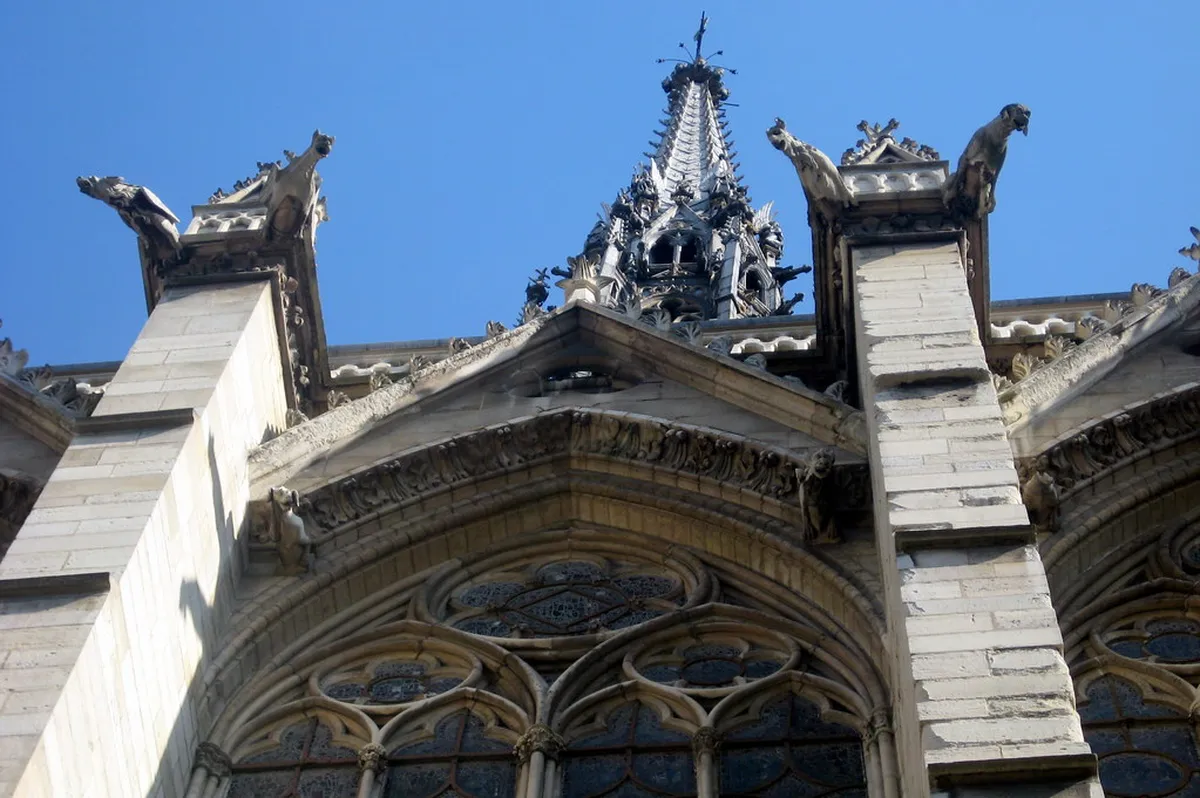
The Church of Saint-Pierre flamboyant facade was finished around the year 1512. It features two levels of blind arcades and complex stone tracery above the main door. This entrance serves as the primary visual draw for anyone visiting the historic center. The sheer density of the carving is truly unmatched in this region of France.
Master stone masons spent years perfecting the niches and pedestals found across the front. Many of these spots once held statues of the twelve apostles and local saints. While some figures were lost over time, the remaining detail is still quite breathtaking. The central pier features a beautiful representation of the Virgin and Child.
Above the portal, a large rose window allows light to filter into the church interior. The window frame mimics the flame motifs found in the surrounding masonry and pinnacles. Small gargoyles and decorative fins jut out from the upper levels of the facade. These elements helped manage rainwater while adding to the overall aesthetic appeal.
The contrast between the plain side walls and the ornate front is very striking. This design choice focuses the viewer’s attention entirely on the main entry point. It demonstrates the wealth and power of the church during the sixteenth century. Many visitors spend hours photographing the shadows that move across the stone carvings.
Exploring the Walnut Doors and Interior
The massive walnut doors are just as famous as the stone facade itself. These doors date back to 1551 and feature scenes from the lives of saints. They are carved with incredible depth and precision by the artist Antoine Volard. Each panel tells a story that educated the illiterate faithful of the past.
The right door depicts Saint Peter while the left door shows Saint Paul. These carvings are considered some of the finest examples of Renaissance woodwork in the country. They stand nearly four meters tall and weigh several hundred pounds each. The dark wood provides a beautiful visual counterpoint to the golden Provencal stone.
Inside the church, the atmosphere shifts to a more sober and quiet Gothic style. The nave is tall and narrow with a series of private side chapels. These chapels contain valuable altarpieces and historic paintings from the seventeenth and eighteenth centuries. The high altar serves as the focal point of the spiritual space.
This interior design contrasts with the massive scale of the Palais des Papes architecture nearby. While the Palace feels like a fortress, Saint-Pierre feels like a delicate jewel box. The stained glass windows cast colorful patterns on the floor during the sunny afternoons. It offers a peaceful retreat from the busy streets of the city.
The Artistic Influence on Avignon
The Church of Saint-Pierre influenced many other buildings in the Rhone Valley. Local craftsmen studied the flamboyant techniques and applied them to smaller village churches. This architectural movement helped define the visual identity of the region for centuries. It remains a primary study point for students of French Gothic history.
The facade represents a bridge between the medieval world and the modern era. It shows how stone could be manipulated to look like lace or silk. This level of craftsmanship required decades of training and specialized knowledge. Today, these skills are preserved by a small number of dedicated heritage masons.
Modern architects still look to the Church of Saint-Pierre for structural inspiration. The way it handles verticality and light remains relevant in modern design circles. It proves that ornamental beauty can coexist with functional religious space. Many local festivals use the square as a backdrop for cultural performances.
Preserving this site is a priority for the French Ministry of Culture. Constant monitoring ensures that air pollution and weather do not erode the delicate stone. Visitors in 2025 will see the results of these ongoing conservation efforts. The church stands as a testament to the enduring power of human creativity.
Visiting the Church in 2025
Planning a visit to the Church of Saint-Pierre in 2025 is very simple. The church is located in the heart of the pedestrian zone near the main square. It is open to the public daily from morning until early evening hours. There is no entrance fee required to view the facade or enter the nave.
The best time to photograph the facade is during the late morning. This is when the sun illuminates the carvings and creates deep, dramatic shadows. During the summer months, the square can become quite crowded with tour groups. Visiting early in the day provides a more intimate and quiet experience.
Respectful behavior is expected as the church is still an active house of prayer. Visitors should dress modestly and keep noise levels to a minimum while inside. Photography is generally allowed but should be done without using a flash. Please check for posted signs regarding any special events or private services.
The surrounding square features several cafes where you can sit and admire the view. Grabbing a coffee while staring at the flamboyant stone is a classic Avignon experience. Local guides often stop here during architectural walking tours of the historic center. It remains one of the most beloved spots for both locals and tourists.
Frequently Asked Questions
Why is the Church of Saint-Pierre flamboyant facade famous?
The church is famous for its incredible flamboyant Gothic portal. This stone carving features intricate details like lace. It is one of the most beautiful entrances in Southern France. Many artists come to study the complex patterns.
How old is the Church of Saint-Pierre in Avignon?
Construction of the current church began in 1358. The famous flamboyant facade was added much later in 1512. It has served the people of Avignon for over six centuries. The structure has survived wars and many urban changes.
Can I visit the Church of Saint-Pierre for free?
Yes, there is no entry fee to visit this historic site. You can explore the nave and admire the facade for free. It is a great budget-friendly activity for travelers in 2025. Please consider leaving a small donation for maintenance.
What are the opening hours for Saint-Pierre in 2025?
The church generally opens from 9:00 AM to 12:00 PM. It reopens in the afternoon from 2:00 PM to 6:00 PM. These hours can vary during religious holidays. Always check the local parish schedule for the latest updates.
The Church of Saint-Pierre remains a crown jewel of architectural achievement in Provence. Its flamboyant facade offers a glimpse into the artistic peak of the late Middle Ages. Whether you are a history buff or a casual traveler, this site is essential. Plan your walk through Avignon to include this stunning monument in 2025.
Key Takeaways
- Arrive in the morning to capture the best light for photography.
- Do not miss the 16th-century walnut doors by Antoine Volard.
- Entrance is free, making it an accessible stop for all travelers.
- The church is a prime example of late Gothic flamboyant style.
Related reads: architecturebycity.com, southern gothic vs northern gothic in provence, saint didier church medieval design.