
Explore Avignon City Walls and Ramparts Guide
Explore the iconic Avignon city walls and ramparts in 2025. Learn about medieval defense and military design in this expert guide. Visit France today!
On this page
The Avignon city walls and ramparts stand as a powerful symbol of medieval authority in the south of France. These ancient stone fortifications encircle the entire historic city center with massive and very thick limestone blocks. Visitors from all over the world marvel at the sheer scale of these impressive military structures today. The walls protected the powerful Popes from danger during the turbulent years of the 14th century period.
Today, these ramparts remain one of the best-preserved examples of military engineering found in all of modern Europe. Walking along the base of the walls offers a unique perspective on the history of this region. You can see the intricate stone work from various angles while enjoying the pleasant weather of Provence. The architecture in Avignon is truly remarkable for travelers who appreciate history and design.
The preservation of these walls is a testament to the city's commitment to its rich cultural heritage. Modern visitors can experience the grandeur of the past while walking through the lively streets of the town. Information plaques provide historical context at many key points along the long circuit of the stone walls. These details make the experience educational and engaging for people of all ages who visit the city.
History of the Avignon City Walls and Ramparts
The construction began in 1355 under the very specific and careful direction of Pope Innocent VI in France. The grand project aimed to protect the papacy from roaming mercenaries and rival political factions located nearby. Large stones were sourced from local quarries right along the banks of the historic Rhone River valley. This massive building undertaking took several decades of hard labor for the local workers to finally finish.
The walls span over four kilometers around the old town of this historic and famous French river city. They reach heights of eight meters in some sections to deter any potential attackers from climbing the walls. Constant maintenance kept the defenses strong during many historic sieges throughout the long and often bloody centuries. The medieval military defense systems in Avignon were considered quite advanced for that specific historical era.
During the 19th century, restoration work became absolutely essential for the long-term preservation of the historic site. Famous French architect Viollet-le-Duc led many of these critical and highly detailed efforts for the city center. His specialized work ensured the ramparts survived the rapid modernization of the surrounding urban landscape we see today. We can still see his significant influence on the battlements when we walk the path in 2025.
The walls were originally designed to withstand the impact of early artillery and heavy siege engines during war. Engineers placed the towers at specific intervals to allow for overlapping fields of defensive arrow fire from above. This layout ensured there were no blind spots where an enemy could hide from the diligent city guards. Each tower served as a self-contained fort that could hold out during a very long city siege.
Today, the ramparts are recognized as a UNESCO World Heritage site for their immense historical and cultural value. They represent one of the best-preserved examples of medieval military architecture found anywhere in the modern world. Visitors in 2025 can explore the history through guided tours and informative plaques located at the gates. The structure remains a testament to the engineering skills of the 14th-century French master stone masons.
Features of Medieval Military Architecture
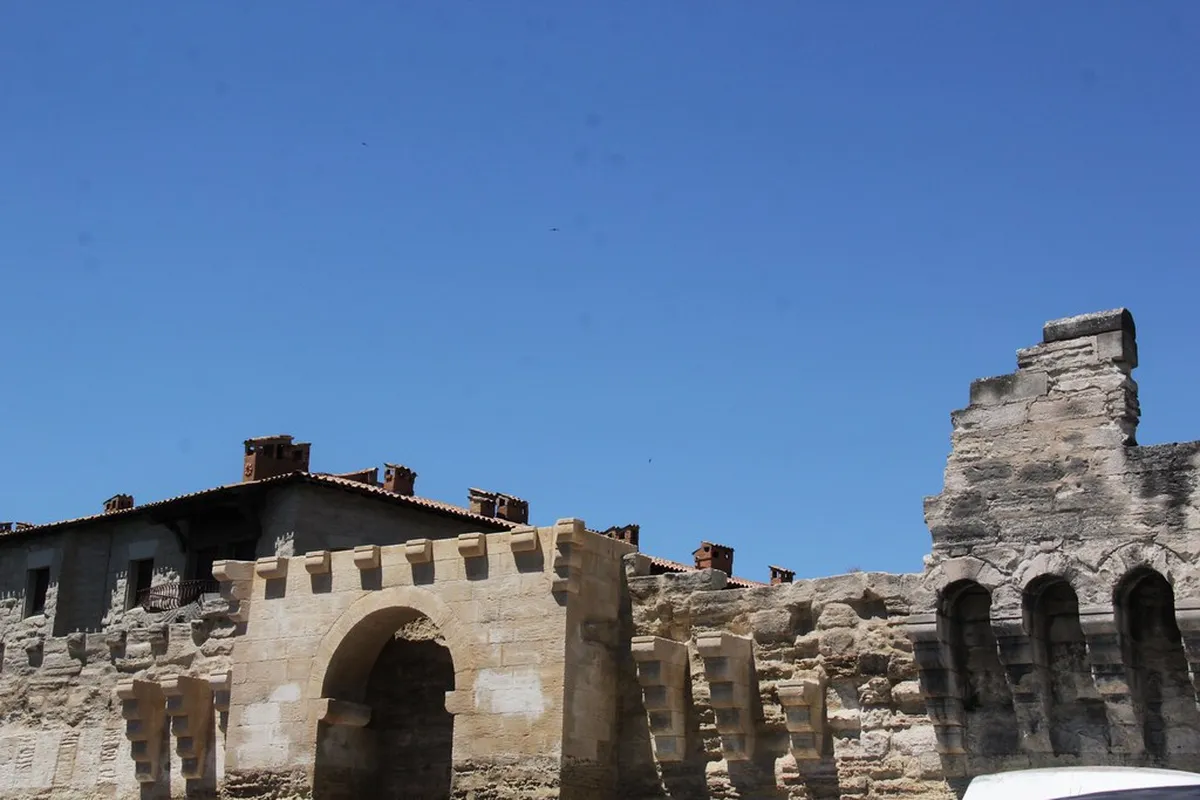
The ramparts feature thirty-nine massive stone towers and seven main gates for entering the historic city of Avignon. Each tower served as a strategic lookout point for the diligent city guards during the late middle ages. The design includes complex machicolations for dropping heavy stones or hot oil on any potential attackers below. These defensive elements clearly showcase the brilliance of Gothic military engineering during the late medieval period in France.
Arrow slits are carved very deeply into the thick limestone walls to protect the city's brave defenders during battle. These narrow openings allowed soldiers to fire their weapons with minimal exposure to the enemy forces outside. The layout of the gates was intentionally complex to prevent direct entry into the sensitive inner city areas. Exploring the fortified gates of Avignon city center reveals many of these clever and strategic defensive secrets.
The base of the walls is reinforced with massive stone slopes known as talus for extra structural strength. This design feature prevented enemy forces from scaling the fortifications with ladders or large siege towers very easily. The construction used large ashlar blocks to ensure the maximum structural stability of the entire wall circuit today. This specific style defines the enduring strength and beauty of traditional French medieval forts and large castle structures.
Large internal courtyards within the gates allowed the guards to inspect all travelers entering the city for security. Heavy iron portcullises could be dropped instantly to seal the entrance during times of extreme local danger or war. These gates were often the only way for merchants to bring their valuable goods into the local market. Security was the top priority for the papal authorities who managed the city for many long years.
The towers were built with multiple floors to house soldiers and store large quantities of dry grain supplies. Stone spiral staircases provided quick access to the battlements for the defenders during a sudden enemy attack. Thick wooden doors reinforced with metal studs protected the entrances to the towers from being broken down easily. Every detail of the construction was optimized for the survival of the people living within the walls.
Strategic Location Along the Rhone River
The Rhone River served as a natural defensive barrier for the city of Avignon for many long centuries. Engineers strategically placed the ramparts to utilize the power of the water against potential invaders from the west. This clever placement made the city much harder to capture during the many wars of the middle ages. The river also provided the residents with a steady supply of fresh water during long and difficult sieges.
High flood walls were integrated into the primary military structures to protect the town from seasonal water surges. These additions protected the lower parts of Avignon from the frequent and dangerous flooding of the Rhone River. Stone masons reinforced the river-facing towers with extra layers of heavy limestone blocks for much better protection. This dual-purpose design showcased the practical and resourceful nature of medieval urban planning in the south of France.
The connection between the walls and the bridge was also very critical for the defense of the city. Soldiers could monitor river traffic from the high battlements of the northern gates and towers every single day. This constant surveillance ensured that no enemy boats could approach the city center unnoticed by the papal guards. Control of the river meant control over the local economy and regional security for the entire papacy.
Large wooden gates once blocked the passage between the river and the city during the 14th century period. These gates were heavily guarded by archers stationed in the flanking stone towers for maximum security and control. During times of peace, these entrances facilitated the trade of salt and local textiles throughout the entire region. Today, these areas offer peaceful walking paths for modern travelers and local families visiting the river bank.
The river path provides a great view of the wall's impressive height for photographers and history fans alike. Visitors can see how the architecture transitions from defensive walls to the grand palace structures in the distance. This visual connection highlights the immense wealth of the papacy during their stay in the city of Avignon. The integration of nature and stone remains a masterpiece of French military design for all to see.
Walking the Historic City Wall Circuit
Starting your tour at the Porte de la République is often the best choice for most modern visitors. This gate serves as the primary entrance for travelers arriving from the main train station in Avignon center. From here, you can follow the wall toward the river to see the most impressive stone sections. The path provides excellent views of the surrounding garden areas and the historic buildings of the old town.
Many photographers gather near the Rocher des Doms for the best panoramic views of the entire wall circuit. This high point offers a stunning perspective of the wall's curve as it follows the river bank closely. You can see how the defenses connect to the great palace through a series of fortified stone bridges. This is one of the top Avignon architecture photography spots in the city for social media fans.
The walk takes approximately two hours at a leisurely pace for most people who enjoy taking photos regularly. Public access is free along the exterior of the fortifications for everyone to enjoy throughout the entire year. Information plaques provide historical context at key points during the trek around the massive stone city perimeter. Wear comfortable shoes to handle the uneven stone paths that surround the base of the ancient ramparts.
The southern section of the wall is often quieter and offers a peaceful experience for history lovers today. You can admire the moss-covered stones and the small gardens that grow at the base of the towers. Many locals use these paths for their daily exercise or for walking their pets in the early morning. It is a great way to see the daily life of Avignon residents living near history.
Guided tours are available for those who want a deeper understanding of the wall's complex military history today. Expert guides explain the specific architectural details that are often missed by the casual observer during their walk. You can learn about the different types of stone and the tools used by the medieval masons long ago. These tours often include access to specific tower interiors that are normally closed to the general public.
Restoration Efforts and Modern Heritage Care
Keeping these old walls standing requires constant modern care and significant financial investment from the local government. Local authorities invest heavily in stone preservation every single year to prevent any structural decay or damage. Specialists use traditional mortar to repair cracks in the masonry while following strict historical preservation guidelines. This process respects the original 14th-century building techniques used by the first master builders in Avignon.
Preservationists also work hard to remove invasive plant growth from between the ancient limestone blocks every spring. Roots can slowly damage the structural integrity of the ramparts by pushing the heavy stones apart over time. In 2025, new lighting systems will highlight the walls at night for a beautiful and modern visual effect. These updates make the historic site safer and more attractive for evening tourists and local residents alike.
The city balances modern urban needs with historical conservation efforts to ensure the walls remain perfectly intact today. Roadways near the gates have been modified to reduce the harmful vibrations from heavy car and bus traffic. This careful management ensures the walls remain strong for many future generations of travelers to enjoy and explore. Check out the Viollet-le-Duc restoration in Avignon for more technical details on this work.
Educational programs for local students help foster a sense of pride in the city's unique architectural heritage. Children learn about the importance of protecting the walls from graffiti and other forms of modern vandalism. These community efforts are vital for the long-term survival of the ramparts in a changing urban world. The walls are not just stones but a living part of the city's identity and culture.
International experts often visit Avignon to study the preservation techniques used on the massive stone fortifications today. The city serves as a model for other historic towns looking to protect their own ancient military structures. Sharing knowledge and resources helps ensure that historical sites around the world receive the best possible care. Avignon continues to lead the way in the field of medieval architectural conservation and research.
The Most Iconic Gates and Towers
The Porte de l'Oulle is one of the most recognizable gates for visitors who approach from the river. This entrance was once the main point for bringing goods from the Rhone into the city center. It features impressive stonework and served as a major defensive hub during the 14th century papal era. Today, the area around the gate is a bustling hub for tourism and local river cruises.
The Tower of the Corner is another significant structure that anchors the defensive system at the northern point. This tower was built to be exceptionally strong to resist the direct force of the river's strong current. Its rounded shape was a modern innovation that helped deflect projectiles fired from enemy siege engines long ago. It remains one of the tallest and most imposing towers in the entire four-kilometer wall circuit.
Porte Saint-Lazare is famous for its beautiful Gothic arches and its role in protecting the eastern city flank. This gate has been restored several times to maintain its original appearance for the benefit of modern visitors. It provides a great example of how the city walls were integrated into the local residential neighborhoods nearby. Walking through this gate feels like stepping back in time to the era of the powerful Popes.
The towers along the southern stretch are known for their well-preserved battlements and decorative stone corbels today. These structures show how military architecture could also be aesthetically pleasing to the people living in the city. Many of these towers have been converted into small museum spaces or storage areas for local heritage groups. They continue to serve the community while standing as silent witnesses to the city's long history.
Each gate and tower has its own unique story and architectural character for visitors to discover in 2025. Taking the time to study the details of each structure reveals the complexity of medieval city planning. From the thick wooden doors to the high stone towers, the defenses are a marvel of human ingenuity. Exploring these sites is a must for anyone visiting the beautiful city of Avignon this year.
Frequently Asked Questions
Can you walk on top of the Avignon city walls?
Yes, specific sections allow visitors to walk along the top of the ramparts for a small fee. This path offers a spectacular view of the Rhone River and the famous Pont d'Avignon nearby. Walking the walls is a highlight for many travelers who visit the historic city in 2025. You can purchase tickets at the entrance near the river or at the local tourist office center.
How long does it take to walk around the ramparts?
The total length of the walls is 4.3 kilometers around the entire historic center of the city. Most people complete the full loop in approximately three hours at a very steady and leisurely pace. You can stop at various cafes and shops along the way to enjoy the local French culture. The route is mostly flat and easy for people of all fitness levels to navigate successfully.
Are the Avignon city walls free to visit?
Walking along the exterior base of the walls is completely free for all visitors and local residents. However, access to the upper battlements and some tower interiors usually requires a paid ticket for entry. These tickets are affordable and provide access to some of the best views in the entire city center. Guided tours are also available for a separate fee for those who want more historical details.
Which is the most famous gate in Avignon?
The Porte de la République is widely considered the most famous and popular entrance to the historic city center. It connects the main train station directly to the primary shopping street and the famous Place de l'Horloge. Many visitors start their architectural tour of the city at this impressive and well-preserved stone gateway structure. It serves as a perfect introduction to the grand scale of the medieval city fortifications.
When were the Avignon city walls built?
The primary construction of the walls took place between 1355 and 1370 during the reign of the Popes. The project was started by Pope Innocent VI to protect the city from the threat of roaming mercenaries. Some minor additions and repairs were made in the following centuries to keep the defenses strong and modern. Today, they represent one of the best examples of 14th-century military architecture in the world.
The Avignon city walls and ramparts remain a French treasure for history lovers and modern travelers alike. They offer a deep and fascinating look into the military past of the beautiful Provence region today. Planning your visit for 2025 will be a highlight of your journey through the south of France. Discover more about the city's past by taking an Avignon architectural walking tour this summer season. We hope you enjoy exploring these massive stone monuments and learning about their incredible history and design.
Key Takeaways
- The ramparts stretch over 4 kilometers and feature 39 massive towers and 7 historic gates.
- Construction began in 1355 to protect the Popes from mercenaries and external military threats.
- Visitors can walk along the exterior for free or pay a fee to access the battlements.
Related reads: architecturebycity.com, palais des papes architecture, avignon gothic architecture.