
Boulevard Paoli Apartment Facades in Bastia
Explore the stunning Boulevard Paoli apartment facades in Bastia. Discover 19th century bourgeois architecture in France during your 2025 trip. See the beauty now!
On this page
Bastia is a city filled with incredible history and unique Corsican style for every visitor. The Boulevard Paoli apartment facades represent the prestigious heart of this beautiful Mediterranean coastal town today. In 2025, many travelers still flock to this main street to admire its grand architectural details. These buildings showcase the height of 19th century bourgeois architecture across the northern part of Corsica. You will find that these structures tell a fascinating story about the island's economic growth long ago.
Walking along this wide avenue provides a wonderful glimpse into the daily life of historic local residents. The Boulevard Paoli apartment facades stand as a testament to the wealth of the city's merchant class. This area serves as the perfect starting point for any cultural exploration of the modern Bastia city. You can easily spend hours admiring the intricate details found on every single building along the road. It is truly one of the most remarkable sites for fans of French urban design styles.
The street was originally designed to modernize the city during a period of significant urban expansion projects. It connects the southern port area to the residential districts located in the north of the city. Every building along the boulevard offers a unique perspective on the regional aesthetics of the 1800s. Visitors can enjoy a mix of shopping and sightseeing as they walk down the long paved sidewalks. This guide will help you appreciate the finer details of these legendary apartment facades in France.
The History of Boulevard Paoli Apartment Facades
The development of Boulevard Paoli began in the middle of the 19th century during a prosperous time. Local authorities wanted to create a grand space that reflected the growing importance of the Bastia port. This project transformed the city from a medieval stronghold into a modern and organized European urban center. The Boulevard Paoli apartment facades were built to impress every person who walked through the city gates. Architects drew inspiration from the grand boulevards found in major cities like Paris and Marseille during that era.
Wealthy families commissioned the best builders to construct these massive residential blocks using very high quality materials. These families wanted their homes to represent their success in the wine and olive oil trade industries. Consequently, the Boulevard Paoli apartment facades became symbols of the local bourgeoisie's power and cultural influence. Most of the construction took place between 1830 and 1860 when the city was expanding rapidly. Today, these buildings remain some of the best-preserved examples of that specific period of architectural growth.
The layout of the street allowed for plenty of sunlight to hit the front of the buildings. This design choice was intentional to make the apartments feel bright and airy for the wealthy inhabitants. You can still see the original stone work that has survived many decades of coastal weather conditions. The street itself was named after Pasquale Paoli, a famous hero in the history of Corsican independence. His legacy is celebrated through the grandeur of the buildings that now carry his historic name daily.
During your 2025 visit, you will notice how well these historic structures have been maintained by the city. Local laws protect the historical integrity of the Boulevard Paoli apartment facades to prevent any modern changes. This preservation ensures that the street keeps its traditional charm while serving a modern population of shoppers. You can feel the history beneath your feet as you walk along the wide and sunny sidewalks. The evolution of this street mirrors the transformation of Bastia into a premier Mediterranean travel destination.
Architectural Features of the Grand Facades
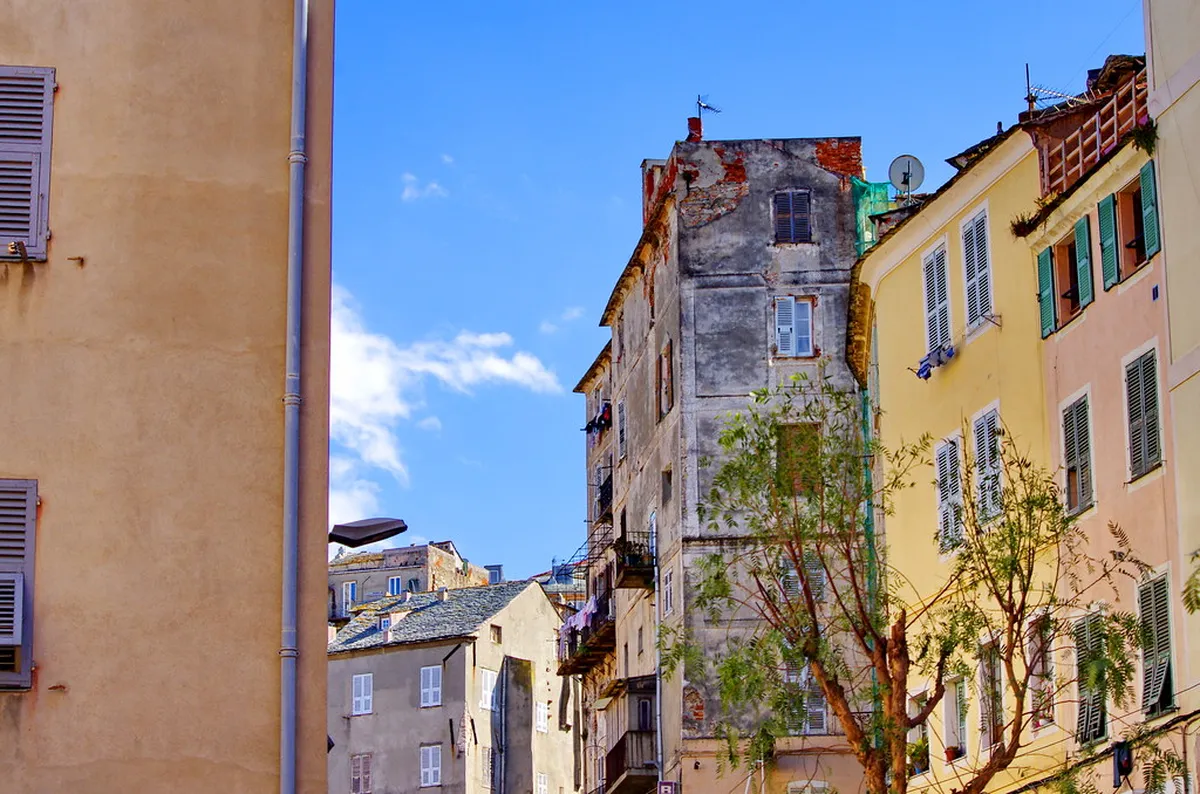
The Boulevard Paoli apartment facades feature a stunning array of neoclassical design elements that catch the eye. Most buildings rise four or five stories high and maintain a very strict sense of visual symmetry. You will notice the use of tall rectangular windows that allow light into the high-ceilinged interior rooms. These windows are often framed by decorative stone moldings known as pediments in traditional architectural terms today. The consistency of these designs creates a harmonious look that defines the entire length of the boulevard.
Ornate ironwork is one of the most distinctive features you will see on these residential building fronts. Each balcony displays unique patterns that were often custom-made by local blacksmiths in the 19th century. These balconies were essential for residents to enjoy the fresh sea air while watching the busy street. The metalwork often includes floral motifs or geometric shapes that represent the artistic trends of the bourgeois era. Observing the details of the ironwork is essential when visiting architecture photography spots in Bastia during your trip.
The ground floors of these buildings are usually constructed with heavier stone to provide a solid visual base. This technique, called rustication, makes the structures look powerful and grounded within the busy urban environment here. Many of the facades also feature beautiful wooden shutters that help control the intense Mediterranean sun in summer. These shutters are traditionally painted in soft shades of green or gray to match the local stone. The combination of stone, iron, and wood creates a rich texture that is very pleasing to see.
Upper floors often have smaller windows but maintain the same elegant proportions as the lower residential levels. You may notice small statues or carvings hidden near the rooflines if you look closely at the walls. These small details were intended to show off the craftsmanship of the builders to any passing city visitors. The roofs are typically covered in local slate tiles which have protected the interiors for over a century. Every element of the Boulevard Paoli apartment facades was designed with both beauty and long-term durability.
Bourgeois Influence on Bastia's 19th Century Streets
The rise of the middle class in Bastia changed the way the city looked and functioned forever. This social group demanded wider streets and more elegant public spaces for their social and business gatherings. Their preference for grand style led to the creation of the beautiful Boulevard Paoli apartment facades we see. These buildings were meant to be seen and admired by everyone in the local community at that time. Wealthy merchants often competed with each other to build the most impressive residence on the main city street.
This competition resulted in a variety of subtle decorative differences between the neighboring buildings along the long avenue. You can see how the owners used different colors of stone or marble to distinguish their own homes. The focus on elegance extended to the interior staircases and grand entrance halls of these apartment blocks. While the interiors are private, the Boulevard Paoli apartment facades provide a clear window into that luxurious past. This era of construction defines much of what people call 19th century bourgeois architecture Bastia today.
The bourgeois families also funded the development of parks and squares near their new homes on the boulevard. This created a complete neighborhood that offered both luxury living and convenient access to local shopping and dining. You can still experience this atmosphere by visiting the many cafes located on the street's ground floor levels. The lifestyle of the 19th century elite is still visible in the layout of the city center. Their influence ensured that Bastia would remain a center for fashion and culture in the Corsican region.
Many of these historic buildings are still owned by the same families who built them generations ago today. This continuity helps maintain the authentic feel of the neighborhood for both residents and curious international tourists. The preservation of these homes is a point of pride for the people living in modern-day Bastia. You will see many locals sitting on their balconies enjoying the view of the street just like before. This living history makes the Boulevard Paoli apartment facades more than just static monuments for the public.
Photography Tips for Capturing the Facades
Capturing the beauty of the Boulevard Paoli apartment facades requires some careful planning and a good camera lens. The best time to photograph the eastern side of the street is during the early morning hours daily. The soft light hits the stone directly and highlights the intricate textures of the 19th-century carvings perfectly. You should avoid the harsh midday sun because it creates deep shadows that hide the beautiful balcony details. Morning walks also allow you to capture the street before it becomes crowded with local shoppers and cars.
If you want to photograph the western side, you should wait until the late afternoon for the best light. The golden hour provides a warm glow that makes the golden stone of the facades look absolutely stunning. Using a wide-angle lens is helpful to capture the full height of these massive five-story residential structures. You can also stand on the opposite sidewalk to get a better perspective of the repeating architectural patterns. Be sure to look for unique angles that include the traditional green shutters and ornate iron balconies.
Experimenting with vertical shots can help emphasize the grand height and the symmetry of the bourgeois building designs. Including some of the street life like vintage cars or local pedestrians adds a sense of scale. You might also try capturing close-up details of the stone carvings found above the main entrance doors. These small elements are often missed by casual tourists but make for very interesting and artistic travel photos. The Boulevard Paoli apartment facades offer endless opportunities for creative photography throughout the entire calendar year.
Consider visiting during the off-season in late autumn or early spring for even clearer views of the buildings. Fewer crowds mean you can take your time setting up the perfect shot without being constantly interrupted by others. The dramatic skies of a Mediterranean winter can also provide a moody and interesting backdrop for your architectural photos. Check the weather forecast for clear days to ensure you get the best natural lighting for your images. Following these tips will help you create a professional-looking photo essay of your 2025 trip to Bastia.
Walking Tour Highlights Near Boulevard Paoli
A walk along Boulevard Paoli is just the beginning of a larger journey through the historic streets of Bastia. You can start your journey at the northern end and walk slowly toward the famous Place Saint-Nicolas. This route allows you to see the most impressive Boulevard Paoli apartment facades in a logical order today. Along the way, you will pass several historic statues that honor important figures from the island's long history. Many visitors enjoy stopping for a coffee at one of the traditional brasseries found along the route.
After finishing your walk on the main boulevard, you can explore the narrow alleys of the Terra Vecchia district. This older part of the city offers a sharp contrast to the wide and organized 19th-century bourgeois streets. You will see how the city transitioned from tall, thin medieval houses to the grand apartment blocks later. Taking a Bastia architectural walking tour is the best way to understand these historical layers clearly. The transition between these two architectural styles is one of the most interesting parts of the city.
You should also make time to visit the nearby churches that date back to the Genoese period of rule. These religious buildings often feature hidden courtyards and stunning baroque interiors that are free for the public. The walk from the boulevard to the old port takes only ten minutes on foot for most people. This proximity makes it easy to combine architectural sightseeing with a delicious seafood lunch by the water. You will find that the city is very walkable and easy to navigate without using public transport.
Make sure to wear comfortable shoes because some of the side streets can be quite steep and narrow here. The main boulevard itself is mostly flat, which makes it accessible for travelers of all different fitness levels. You can pick up a free map at the local tourist office located near the large main square. This map will help you identify the most important historical buildings as you explore the town on foot. Enjoy the vibrant atmosphere of the city as you discover the secrets of the Corsican architectural heritage.
Frequently Asked Questions
What is the best time to visit Boulevard Paoli?
The best time to visit is during the spring or fall months when the weather is very mild. You will enjoy fewer crowds and better lighting for viewing the Boulevard Paoli apartment facades clearly. Early morning is ideal if you want to take photographs without many people in your shots.
Are the apartment buildings on Boulevard Paoli open to the public?
Most of the buildings are private residences and are not open for interior tours to the general public. However, the ground floors contain many shops and cafes that you can enter and enjoy throughout the day. You can admire the stunning exterior facades from the public sidewalk at any time for free.
How long does it take to walk the entire Boulevard Paoli?
The main section of the boulevard is about one kilometer long and takes 15 to 20 minutes to walk. You should allow at least an hour if you plan to stop and look at the architectural details. Taking a Bastia architectural walking tour can extend your exploration significantly.
What architectural style are the Boulevard Paoli apartment facades?
These facades primarily follow the 19th century bourgeois architecture Bastia style which includes many neoclassical and Italianate elements. They feature symmetrical windows, ornate iron balconies, and decorative stone carvings across the upper levels. This style was very popular among the wealthy merchant class during the mid-1800s in France.
The Boulevard Paoli apartment facades remain a highlight for anyone visiting the beautiful city of Bastia in 2025. These historic buildings offer a unique glimpse into the wealth and style of the 19th-century Corsican middle class. You can spend a whole day exploring the shops and admiring the intricate ironwork on the balconies. This street is truly the heart of the city's modern identity and its architectural pride today. We hope this guide helps you enjoy the timeless beauty of these grand French facades soon.
Key Takeaways
- Boulevard Paoli features the best 19th-century bourgeois architecture in Bastia.
- Morning and late afternoon provide the best light for architectural photography.
- The street is easily walkable and close to the main city attractions.
- Look for ornate iron balconies and symmetrical stone carvings on the facades.
Related reads: architecturebycity.com, architecture in bastia, belle epoque architecture in bastia.