
Ironwork Balconies of Corsican Townhouses in Bastia
Discover the ironwork balconies of Corsican townhouses in Bastia. Explore 19th-century architecture in France. Plan your 2025 trip today!
On this page
The ironwork balconies of Corsican townhouses give Bastia a unique and elegant look. These structures show the wealth of the city from many years ago. Visitors in 2025 can still see these beautiful details on every street corner. You will feel the history as you walk through the old town.
Bastia serves as a living museum of Mediterranean design and local craftsmanship. The tall facades tell stories of a time when trade brought great prosperity. These balconies are the most recognizable features of the local urban landscape. They invite you to slow down and admire the fine artistry of the past.
19th Century Bourgeois Architecture in Bastia
In the mid-1800s, Bastia became a major trading hub for the Mediterranean. Local families gained great wealth through shipping and commerce during this era. They built large homes to display their newfound success to the public. These buildings are the core of 19th century bourgeois architecture Bastia offers today.
The architecture often features tall windows and high ceilings for better airflow. Stone and lime plaster provided the primary materials for these massive structures. This style blended French trends with traditional Corsican needs for shade. It remains a highlight of any architectural tour in the region.
Many of these buildings are still used as private residences or boutique hotels. You can see 19th century bourgeois architecture in Bastia by walking through the city center. The facades have been kept in great condition for over a hundred years. They represent the lasting legacy of the local merchant class.
Many of these townhouses include grand marble staircases inside their heavy wooden doors. These hidden features complement the beauty of the ironwork seen on the outside. Architecture fans will appreciate the balance between indoor luxury and outdoor display. It creates a complete picture of the wealthy lifestyle in old Bastia.
The growth of the city during this time followed a strict urban plan. Wide streets and large squares allowed for grand views of the new buildings. This organized layout makes it easy for tourists to navigate the historic districts today. You can clearly see the transition from the old port to the new town.
Design Elements of Corsican Ironwork Balconies
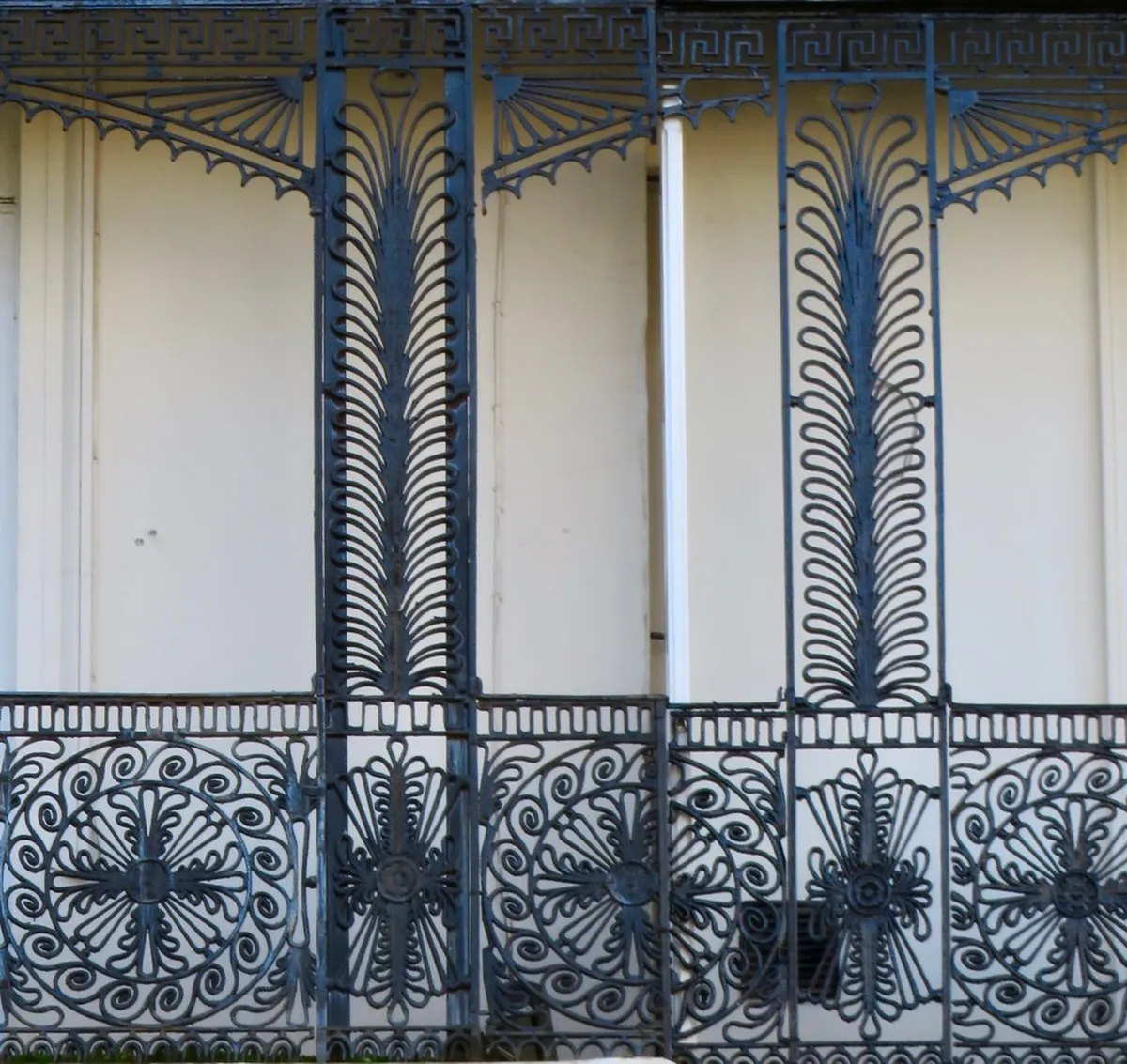
The ironwork balconies of Corsican townhouses feature delicate and complex patterns. Local craftsmen used wrought iron to create these sturdy yet graceful features. Most designs include floral motifs, geometric shapes, and family initials. These balconies were built to withstand the humid sea air of Bastia.
Each balcony serves both a practical and a decorative purpose for the residents. They allow people to enjoy the cool breeze on warm summer nights. The intricate ironwork also provides a sense of privacy from people on the street. It is a perfect blend of form and function in urban design.
Look closely at the brackets supporting the heavy stone slabs of the balconies. These brackets often feature scrolls or animal shapes made from solid metal. The contrast between the dark iron and light stone is very striking. You can spend hours looking at the unique details on each building.
Blacksmiths in the 19th century took great pride in their unique metal creations. No two balconies are exactly the same in the older districts of Bastia. Some feature simple bars while others show off very complex weaving patterns. This variety makes the town a dream for lovers of historic metalwork.
The craftsmanship required to bend thick iron into delicate curves is truly impressive. Blacksmiths used heat and hammers to shape every detail by hand in local forges. This manual work gives each balcony a human touch that machines cannot copy. It is a testament to the skill of Corsican workers.
Walking the Boulevard Paoli to See Fine Design
The Boulevard Paoli is the best place to start your architecture walk. This street serves as the main commercial artery of modern Bastia. It is lined with massive apartment buildings from the 1800s. These structures showcase some of the finest Boulevard Paoli apartment facades in Corsica.
Most shops are on the ground floor while families live in the upper levels. The second and third floors usually feature the most ornate ironwork balconies. These floors were traditionally reserved for the wealthiest residents of the building. You can see the evolution of style as you walk toward the harbor.
The cost of exploring this street is completely free for all travelers. It is best to visit during the early morning for the best light. The sun hits the metalwork and creates beautiful shadows on the plaster walls. This is a great time to avoid the busy afternoon crowds.
While walking, take time to look up at the very top floors. Even the smaller attic windows sometimes have tiny iron guards or railings. These small details show the care put into every inch of construction. The Boulevard Paoli truly captures the spirit of 19th-century urban planning.
Local boutiques and cafes now occupy many of the ground floor spaces on this boulevard. You can grab a coffee and sit outside to admire the facades. This allows you to soak in the atmosphere of the 19th century bourgeois architecture. It is a relaxing way to spend a morning in Bastia.
Cultural Significance of Balconies in Bastia
Balconies in Bastia are more than just architectural features for the town. They are social spaces where neighbors can greet each other from above. Residents often decorate them with colorful flowers like red geraniums or green vines. This tradition adds life and color to the stony gray streets.
During local festivals, these balconies serve as prime viewing spots for parades. Families gather there to watch religious processions move through the narrow lanes. The ironwork provides a safe and beautiful platform for these community events. It connects the private home with the public life of the city.
The preservation of these balconies is very important to the local government. Maintaining wrought iron requires regular painting to prevent rust from the salt air. Many building owners spend thousands of euros on professional restoration services. This effort ensures the ironwork balconies of Corsican townhouses stay beautiful.
Walking through the Terra Vecchia district offers a more intimate look at these features. The streets are narrower here, making the balconies feel much closer to you. You can see the texture of the iron and the layers of old paint. It feels like stepping back into a different century.
Some balconies even feature small hooks for hanging lanterns or bird cages. These tiny additions show how families personalized their outdoor spaces over the years. It adds a layer of personal history to the grand architectural designs. You can see how life has changed over the decades.
Tips for Photographing Architecture in Bastia
Capturing the ironwork balconies of Corsican townhouses requires some patience and light. A wide-angle lens is helpful for shooting the tall buildings from narrow streets. Try to find a high vantage point to get a better angle. This will help you avoid too much distortion in your photos.
The golden hour before sunset provides the softest light for metal textures. Avoid shooting at noon when the sun is directly overhead and harsh. Harsh shadows can hide the delicate details of the complex iron patterns. For more locations, check out architecture photography spots in Bastia online.
Look for reflections of the balconies in windows or puddles after it rains. These creative shots can add a modern twist to your historic photos. Using a tripod is recommended if you want to capture sharp details in low light. Be sure to respect the privacy of people living inside the homes.
Focus on the contrast between the dark iron and the bright blue sky. This technique makes the silhouettes of the balconies stand out very clearly. You can also zoom in on specific scrollwork or leaf designs. Each photo will tell a story of Bastia's rich artistic history.
Do not forget to take photos of the balconies from directly underneath. This perspective emphasizes the repeating patterns of the iron and the stone supports. It creates a very geometric and modern looking image for your travel collection. Experimenting with angles will result in the most interesting shots.
Preserving the Heritage of Bastia for 2025
Tourism in 2025 focuses on the authentic history of the Mediterranean islands. Visitors want to see real examples of local craftsmanship like these iron balconies. Preservation groups work hard to educate the public about the value of ironwork. They provide grants to help owners repair historic metal features on their homes.
The ironwork balconies of Corsican townhouses are now protected by local heritage laws. Modern renovations must follow strict rules to keep the original appearance of the building. This protects the visual charm that brings so many tourists to Bastia. It ensures that future generations can enjoy this unique bourgeois architecture.
You can learn more about these efforts at the local history museum. They offer walking tours that focus specifically on the 19th-century expansion of the city. Guides explain the techniques used by the master blacksmiths of the past. It is a fascinating look at the technical side of art.
As you end your tour, stop at a cafe on Place Saint-Nicolas. Look back at the rows of townhouses lining the square. The ironwork balconies of Corsican townhouses remain the crowning jewels of the city. They are symbols of a proud and beautiful Corsican identity.
Walking through Bastia today feels like visiting an open-air museum of ironwork design. The city is committed to protecting its unique visual identity for all visitors. You can support this by visiting local museums that document the city's history. Your interest helps keep these traditions alive for many years to come.
Frequently Asked Questions
Where can I find the most ornate ironwork balconies?
You should visit Boulevard Paoli and the streets near the Old Port. These areas feature the grandest homes from the 19th-century bourgeois era. Look for tall buildings with large stone slabs supporting the iron railings.
Is there a cost to see these architectural sites?
No, most of the balconies are on private homes visible from public streets. You can enjoy a self-guided walking tour through the city for free. This makes architecture hunting one of the best budget activities in Bastia.
What is the best time of day for photography?
Early morning or late afternoon provides the best lighting for ironwork. The low sun highlights the three-dimensional nature of the metal designs. Avoid midday to prevent harsh shadows from ruining your architectural shots.
Why are these balconies important to Bastia?
These balconies show the history of the 19th century bourgeois architecture Bastia is famous for. They served as a status symbol for wealthy merchant families in the past. Today, they remain a vital part of the city's unique Mediterranean charm and culture.
The ironwork balconies of Corsican townhouses are a must-see for any design lover. They tell the story of Bastia's 19th-century growth and artistic pride. Plan your trip in 2025 to see these beautiful features in person. Start your journey today by exploring the historic streets of this French gem.
Key Takeaways
- Visit Boulevard Paoli for the best examples of 19th-century ironwork.
- Photograph balconies during the golden hour to capture intricate metal details.
- Wear comfortable walking shoes to explore the hilly streets of the old town.
- Look for the local 2025 heritage plaques that explain the history of specific buildings.
Related reads: architecturebycity.com, architecture in bastia, belle epoque architecture in bastia.