
Saint-Charles-Borromée Church History in Bastia
Explore the Saint-Charles-Borromée church history in Bastia. Discover Genoese Baroque architecture and planning tips for your 2025 visit to this Corsican gem.
On this page
The Saint-Charles-Borromée church history offers a fascinating glimpse into the deep religious roots of the city. This magnificent building stands as a testament to the influence of the Jesuit order in Corsica. Visitors in 2025 can explore the rich artistic heritage preserved within this stunning Baroque landmark today. The structure occupies a prominent place within the Terra Vecchia district urban layout which defines the old town area.
Construction of this sacred site began in the early seventeenth century to serve the local community needs. It reflects the architectural ambitions of the Genoese period when Bastia flourished as a Mediterranean hub. Every stone in this building tells a story of faith and artistic devotion spanning several centuries. This guide provides a detailed look at the history and features of this iconic Corsican church.
The Jesuit Roots of the Church Foundation
The Jesuit order arrived in Bastia during the year 1612 to establish a new educational center. They sought to provide spiritual guidance and intellectual training to the youth of the growing city. The construction of the church was central to their mission of spreading Catholic reform ideas locally. This project received significant support from the wealthy families who resided in the bustling port city.
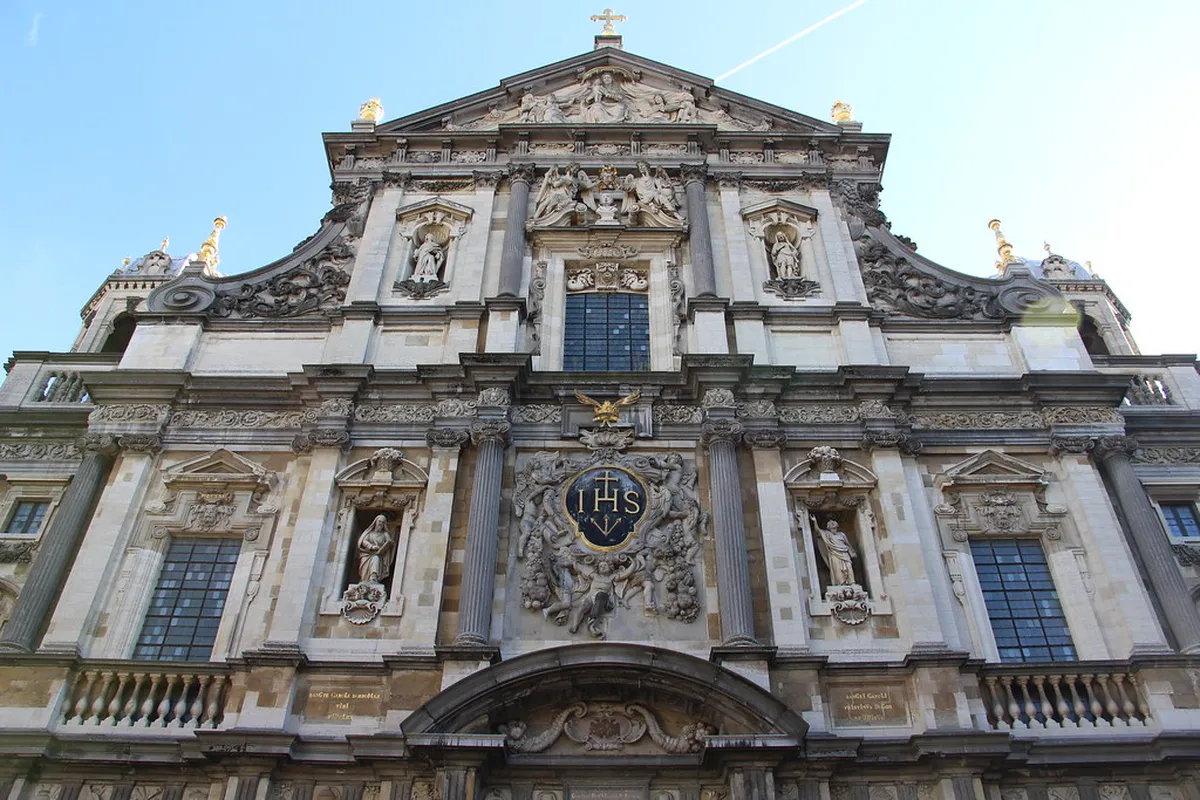
Architects designed the building to follow the specific standards of the Jesuit style across Southern Europe. The facade appears relatively simple when compared to the lavish decorations found within the interior spaces. This contrast was intentional and symbolized the transition from the worldly realm into the divine light. Scholars often study this transition as a key element of seventeenth-century religious architectural theory in France.
The church served as the heart of the Jesuit College which once stood immediately adjacent to it. Students and teachers gathered here daily for prayer and to celebrate the various liturgical seasons each year. The influence of the college helped shape the intellectual character of the city for many generations to come. It remained a center of excellence until the political landscape shifted during the late eighteenth century period.
The Legacy of Saint-Charles-Borromée Church History
Understanding the Saint-Charles-Borromée church history requires a look at the life of its holy namesake. Saint Charles Borromeo was a famous reformer who played a critical role in the Catholic Counter-Reformation. His dedication to education and church discipline made him a perfect patron for this new Jesuit foundation. The church honors his memory through its various artistic representations and dedicated side altars found inside.
The year 1768 marked a significant turning point for the church and the Jesuit order in Corsica. French authorities expelled the Jesuits from the island and confiscated their extensive property and religious buildings. This political move led to the secularization of the college and changed the function of the church. The building then passed into the hands of the local diocese to serve as a parish.
During the nineteenth century the church underwent several restoration projects to preserve its unique architectural features. Local craftsmen worked diligently to maintain the integrity of the original Baroque designs while adding modern structural reinforcements. These efforts ensured that the building could withstand the test of time and remain a focal point. Today the church stands as a proud monument to the enduring spirit of the people of Bastia.
Genoese Baroque Elements in Bastia Architecture
The church is a prime example of the Genoese Baroque churches of Bastia which define the skyline. Its design features a classic two-story facade with elegant pilasters and a traditional triangular pediment on top. This style emphasizes symmetry and balance while providing a sense of monumental scale to the viewer below. The use of local stone provides a warm color that glows during the golden hour in Bastia.
Inside the church the atmosphere shifts dramatically toward the theatrical and the ornate style of the Baroque. Large windows placed high in the nave allow natural light to illuminate the decorative elements and paintings. The layout follows a traditional Latin cross plan which was standard for churches built during this era. This arrangement guides the eyes of the visitors toward the main altar and the sanctuary area.
The integration of the church into the surrounding urban fabric demonstrates the sophistication of Genoese city planning. It anchors the northern edge of the historic district and connects various narrow streets together quite seamlessly. Walking around the exterior reveals how the building fits into the dense network of tall townhouses nearby. It serves as both a spiritual sanctuary and a major landmark for navigating the old city.
The Ornate Interior and Stucco Masterpieces
The interior of the church features some of the finest examples of stucco decoration in Corsican churches today. Skilled artisans created elaborate moldings and figures that adorn the ceiling and the various side chapels within. These decorations use high-quality plaster to mimic the appearance of more expensive materials like marble or stone. The detail found in these works reflects the high level of craftsmanship available in seventeenth-century Bastia.
Richly decorated altars line the sides of the nave and showcase a variety of artistic styles and themes. Each altar tells a different story related to the saints or the history of the Jesuit order. You will find impressive paintings that depict scenes from the life of Saint Charles Borromeo and others. The use of gold leaf adds a layer of splendor that reflects the light beautifully during services.
The main altar serves as the centerpiece of the entire church and features a dramatic architectural frame. It incorporates rare marbles and precious materials that signify the importance of the sacred space to the community. Musicians often perform in the choir loft because the acoustics inside the church are truly exceptional for singing. The sound resonates through the vaulted ceiling and creates a powerful experience for everyone in attendance.
Planning Your 2025 Visit to the Church
Visiting the Saint-Charles-Borromée church in 2025 is a must for any traveler interested in European history. The church is generally open to the public during the daytime hours for quiet reflection and sightseeing. There is no admission fee to enter the building but donations for its upkeep are always welcomed. You should check the local schedule for mass times if you wish to attend a religious service.
The church is located in the heart of the old town and is easily accessible on foot. Wear comfortable walking shoes because the streets leading to the site are narrow and often made of cobblestones. You can combine your visit with a walk through the nearby market and other historic Baroque landmarks. Photography is usually allowed but please be respectful of those who are praying inside the sanctuary space.
Guided tours are often available during the peak tourist season to provide deeper insights into the architecture. These tours explain the complex symbols found in the paintings and the history of the Jesuit mission here. You will learn about the restoration efforts that keep the building in such excellent condition for future generations. Spring and autumn are the best times to visit to avoid the largest crowds of the summer.
Frequently Asked Questions
What is the Saint-Charles-Borromée church history in brief?
The church was founded by the Jesuit order in 1612 to serve as a religious and educational center. It reflects the Genoese Baroque style and was a key part of the Catholic Counter-Reformation in Corsica. The building became a parish church after the Jesuits were expelled from the island in 1768.
Where can I find the best Baroque art in Bastia?
The Saint-Charles-Borromée church contains some of the most impressive Baroque art and stucco work in the entire city. Visitors should also explore the other Genoese Baroque churches located throughout the historic Terra Vecchia and Terra Nova districts. These sites offer a comprehensive look at the artistic wealth of the seventeenth and eighteenth centuries.
Is the church of Saint-Charles-Borromée open to tourists in 2025?
Yes the church remains open to the public and continues to serve the local community for religious services. Tourists can visit the interior during standard daytime hours to admire the architecture and the historic artwork. It is one of the top cultural attractions for those exploring the heritage of Bastia.
The Saint-Charles-Borromée church history remains a vital part of the identity and cultural heritage of Bastia today. This building offers a unique window into the artistic and religious world of the seventeenth century in Corsica. Plan your trip to this historic site in 2025 to experience the beauty of the Genoese Baroque firsthand. It is a destination that promises to inspire every traveler who appreciates history and fine architecture.
Key Takeaways
- Founded in 1612 by the Jesuit order for religious education.
- Features exceptional Genoese Baroque architecture and ornate stucco decorations.
- Located in the historic Terra Vecchia district of Bastia.
- Free to visit for tourists and history enthusiasts in 2025.
- Represented a major shift in Corsican religious design during the Counter-Reformation.
Related reads: architecturebycity.com, architecture in bastia.