
Beaune Half-Timbered Construction Techniques Guide
Discover Beaune half-timbered construction techniques in 2025. See medieval engineering and book your tour of historic Burgundy sites today!
On this page
Beaune features some of the most beautiful historic buildings in the Burgundy region of France. Visitors often marvel at the intricate Beaune half-timbered construction techniques found in the old town. These structures represent hundreds of years of architectural evolution and local craftsmanship. Expert builders in the Middle Ages created these durable homes using local oak and clay.
Understanding these unique methods helps travelers appreciate the historic charm of the city center. Most of these houses were built between the fourteenth and sixteenth centuries for wealthy residents. They remain standing in 2025 due to the incredible strength of their wooden skeletons. You can see these landmarks while walking through the narrow cobblestone streets today.
The Core Principles of Burgundy Wood Framing
Medieval builders in Beaune relied on the abundant oak forests surrounding the historic city. They selected heavy timbers to create a rigid internal skeleton for every new house. These thick wooden beams provide the essential support for multiple stories and heavy roofs. Beaune half-timbered construction techniques prioritize structural integrity over simple aesthetic appeal for homeowners.
The vertical posts are the most important part of the entire wooden building frame. These posts transfer the weight of the structure directly into the stone foundation below. Builders placed these foundations slightly above the ground to protect the wood from moisture. This smart design prevents the oak from rotting during the damp winter months in Burgundy.
Horizontal beams connect the vertical posts to create a series of sturdy rectangular boxes. This modular approach allowed carpenters to assemble large sections of the house on the ground. They used heavy pulleys and ropes to lift the completed frames into their final position. This efficient method saved time and ensured that every joint fit together perfectly.
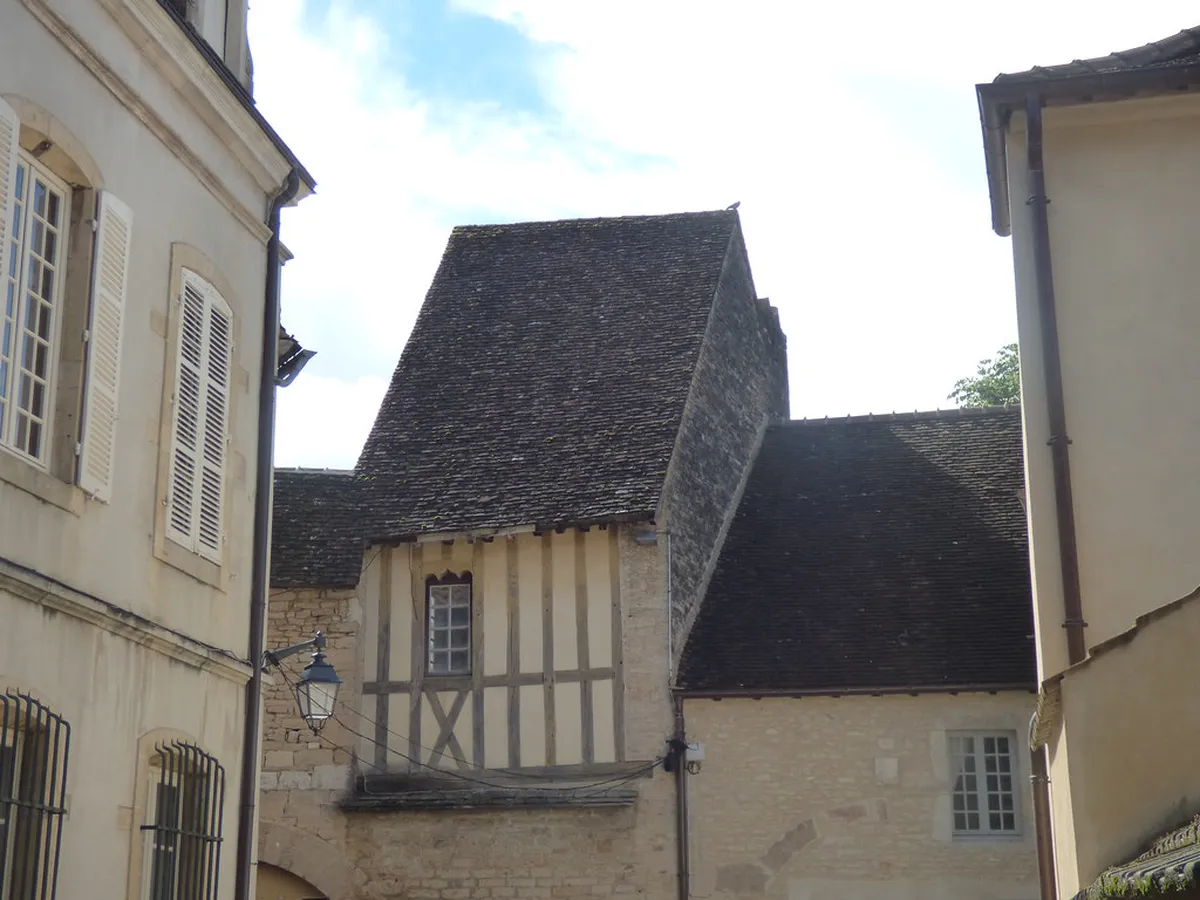
Diagonal braces were added to prevent the house from leaning or swaying in high winds. These braces create triangles within the square frames to provide maximum lateral stability. You can see these distinct diagonal patterns on many medieval timber-framed houses in Beaune today. This engineering choice was vital for buildings that reached four or five stories high.
The primary frame remains visible on the exterior of the house after the construction ends. This visual style is the defining characteristic of the traditional architecture in this French region. Modern tourists often photograph these patterns because they represent the true history of the town. The timber frames are both the structural bones and the decorative face of the house.
Joinery Methods in Medieval Timber-Framed Houses
The strength of a half-timbered house depends entirely on the quality of its wooden joints. Carpenters in Beaune mastered the art of mortise and tenon joinery during the Middle Ages. They carved a hole in one beam and a matching tongue in the other beam. These two pieces fit together tightly to create a very strong and permanent connection.
Builders did not use metal nails or screws to hold the massive timber frames together. Instead, they drilled small holes through the completed joints and inserted hard wooden pegs. These pegs expand and contract at the same rate as the surrounding structural beams. This natural movement allows the house to settle without breaking the critical structural connections.
Each beam was marked with a unique numbering system during the initial carving process. These marks helped the assembly crew identify where every piece belonged in the final house. You can still see these Roman numerals carved into the wood on some historic buildings. This early form of prefabrication was essential for building complex houses in crowded city centers.
The Maison du Colombier architecture serves as a perfect example of this expert joinery work. This famous building features complex corners and overhanging floors that require precise wooden engineering. Visiting this site allows you to see how the joints have held up since 1572. It is a testament to the skills of the master carpenters who lived in Beaune.
Overhanging upper floors, known as jetties, were a common feature of these narrow city houses. This technique allowed residents to gain extra living space without occupying more ground area. The cantilevered beams rely on sophisticated joinery to support the weight of the outer walls. This design also helped protect the lower timber frames from rainwater and rot.
Infilling Materials and Decorative Finishes
The spaces between the wooden beams were filled with a material called torchis. This mixture consisted of wet clay, straw, and sometimes animal hair for added strength. Workers applied the torchis over a lattice of thin wooden laths or woven willow sticks. This combination created a lightweight but very effective insulation layer for the interior rooms.
Once the torchis dried, it was usually covered with a thick layer of lime plaster. The plaster protected the inner filling from wind, rain, and the harsh summer sun. Owners often painted the plaster in bright colors or neutral white to reflect the light. These medieval facades in Beaune old town create a colorful and charming atmosphere.
In later years, some builders began using bricks to fill the gaps between the timbers. Bricks provided better fire resistance than the traditional straw and clay mixture used previously. You can often see decorative brick patterns arranged in herringbone or basketweave styles today. This transition marked a shift in the local Beaune half-timbered construction techniques during the Renaissance.
The wood itself was often treated with natural oils or dark stains for protection. These treatments helped prevent insects from damaging the oak and gave the beams a dark color. The contrast between the dark wood and the light plaster is a classic Burgundy look. Many homeowners in 2025 continue to maintain these traditional colors to honor the past.
Carved decorations were often added to the main corner posts of the most expensive houses. These carvings might feature religious symbols, family crests, or even whimsical faces of local people. Such details were a way for wealthy wine merchants to show off their great success. Look closely at the window frames to find these hidden pieces of medieval art.
Structural Evolution through the Renaissance
The style of half-timbering changed significantly as Beaune moved from the medieval era into the Renaissance. Builders started to favor more symmetry and classical proportions in their new construction projects. The wooden frames became more regular and less chaotic than the earlier medieval designs. This shift reflected the changing tastes of the wealthy elite living in the city center.
Windows became larger as glass became more affordable for the average merchant in the sixteenth century. The timber frames had to be modified to support these bigger and heavier glass panes. Carpenters added extra horizontal rails to create sturdy frames for the new window installations. This change allowed much more natural light to enter the previously dark interior spaces.
Roof designs also became more complex during this period of significant architectural growth. Builders began using the famous glazed tiles of Burgundy to cover the steep wooden roofs. These colorful tiles required a very strong timber frame to support their massive total weight. The roof trusses were engineered with great precision to prevent the house from collapsing.
Some houses began to combine stone ground floors with timber-framed upper stories for better safety. This hybrid approach offered the fire protection of stone and the flexibility of wood. It also protected the most valuable parts of the house from street-level moisture and dirt. This technique became very popular among the professional classes living in the bustling town.
The interior layouts also improved with better chimney designs and more private sleeping quarters. Thick wooden beams remained exposed on the inside to show off the high-quality construction. These ceilings are often called French ceilings and feature beautiful beams spaced closely together. They remain a highly desirable feature for modern residents living in Beaune today.
Modern Conservation of Historic Beaune Facades
Maintaining these ancient structures in 2025 requires specialized knowledge of traditional building crafts. Modern restorers must use the same materials that were used five hundred years ago. Using cement instead of lime plaster can trap moisture and cause the oak to rot. Preservation experts in France follow strict rules to protect the historical value of these buildings.
Restoration projects often begin with a detailed inspection of the main structural wooden beams. Engineers use modern tools like ultrasound to check for hidden hollow spots or insect damage. If a beam is beyond repair, it is replaced with seasoned Burgundy oak. This ensures that the Beaune half-timbered construction techniques are respected during the entire process.
- Use only natural lime-based paints for the plaster sections.
- Avoid using modern chemical sealants on the old wooden beams.
- Clean the timber frames gently with low-pressure water and soft brushes.
- Inspect the roof tiles annually to prevent water from entering the frame.
The cost of restoring a historic half-timbered house can range from 1,000 to 3,000 euros per square meter. These high costs are due to the rare materials and the many hours of skilled labor. However, the French government often provides grants to help owners maintain these important cultural landmarks. This support helps keep the history of Beaune alive for future generations.
Travelers can learn more about these efforts by visiting the local architecture museum in the town center. The museum displays original tools and scaled models of the most famous timber frames. It is open daily from 10:00 AM to 6:00 PM during the peak summer season. Tickets cost approximately eight euros for adults and are free for young children.
Frequently Asked Questions
What is the best way to see the half-timbered houses in Beaune?
The best way to see these houses is on a self-guided walking tour. Start at the Place de la Halle and wander through the small side streets. Most of the historic buildings are located within the old city walls. You can see the Maison du Colombier architecture easily from the street.
Are the half-timbered houses in Beaune open to the public?
Most of these historic structures are private homes or active shops today. You can enter the ground floors of those that serve as boutiques or restaurants. Some landmarks offer guided tours during the heritage days in September. Always check local listings for special opening hours in 2025.
Why did they stop building half-timbered houses in France?
Fire safety was the main reason for the decline of timber framing. Large fires could spread quickly through wooden neighborhoods in crowded medieval cities. Stone became the preferred material for construction in the seventeenth and eighteenth centuries. Stone was also seen as a more modern and prestigious building material.
The Beaune half-timbered construction techniques are a vital part of the history of Burgundy. These wooden houses have survived for centuries thanks to the skill of medieval artisans. Visiting these sites offers a unique look into the lives of people from the past. Plan your trip to Beaune in 2025 to see these architectural wonders for yourself. For more information, check our guide on medieval timber-framed houses in Beaune to start your adventure.
Key Takeaways
- Oak from local Burgundy forests provided the structural strength for these homes.
- Mortise and tenon joints with wooden pegs allowed the frames to move naturally.
- The combination of torchis and lime plaster provided effective insulation and protection.
- Overhanging floors were designed to maximize space and protect the lower timber frames.
Related reads: architecturebycity.com, architecture in beaune, hospices de beaune architectural history.