
Maison du Colombier Architecture in Beaune
Discover the unique Maison du Colombier architecture in Beaune. Learn about this iconic medieval timber-framed house and plan your visit in 2025.
On this page
The Maison du Colombier architecture stands as a historic jewel within the heart of the old town area. This building dates back to the year 1572 during a time of great growth in Burgundy. It remains one of the most photographed landmarks for tourists visiting the city of Beaune today. The structure has watched over the streets of France for nearly five hundred years of history.
Visitors often stop to admire the intricate details of this well-preserved home from the late sixteenth century. It sits directly across from the massive Collegiate Church of Notre Dame in the historic city center. This location made it a prime residence for wealthy families who wanted to be near the church. You can see the blend of stone and wood that defines the local building style here.
Today the building serves a new purpose as a luxury guesthouse and a very popular wine bar. Guests can enjoy the historic atmosphere while tasting some of the finest wines from the local region. The owners have done a wonderful job of keeping the original charm while adding many modern comforts. It offers a unique look at how people lived during the transition from medieval to renaissance times.
The Rich History of Maison du Colombier
The history of this building is deeply tied to the growth of the wine trade in Beaune. It was built during the late sixteenth century for a noble family with deep roots in France. The structure survived many wars and changes in the city over the last five hundred years. It stands as a testament to the high quality of craftsmanship found in the Burgundy region.
The name of the house comes from the pigeon loft that was once part of the estate. In the past only wealthy families were allowed to keep pigeons in their private urban homes. This feature was a clear sign of high social status and great wealth in the community. It showed everyone that the owners were important people within the local social hierarchy of Beaune.
Throughout the centuries the building has seen many different owners and various uses for the large rooms. It has been a private residence a shop and now a place for travelers to stay. Each owner has added something new while respecting the deep history of the original stone walls. This layered history makes the building a fascinating subject for any student of European architecture.
The location of the house also tells a story about the urban planning of the late Middle Ages. It was placed at a busy intersection to maximize visibility and access to the nearby markets. Being so close to the church also provided a sense of security and importance for the inhabitants. You can still feel the pulse of the ancient city when standing outside the front door.
In 2025 the building continues to be a focal point for the preservation of French heritage sites. Local authorities work closely with the owners to ensure that every repair follows very strict historical guidelines. This dedication keeps the streetscape looking much like it did several hundred years ago for everyone. It is a living piece of history that continues to evolve with the modern world today.
Defining Features of Medieval Timber-Framed Houses
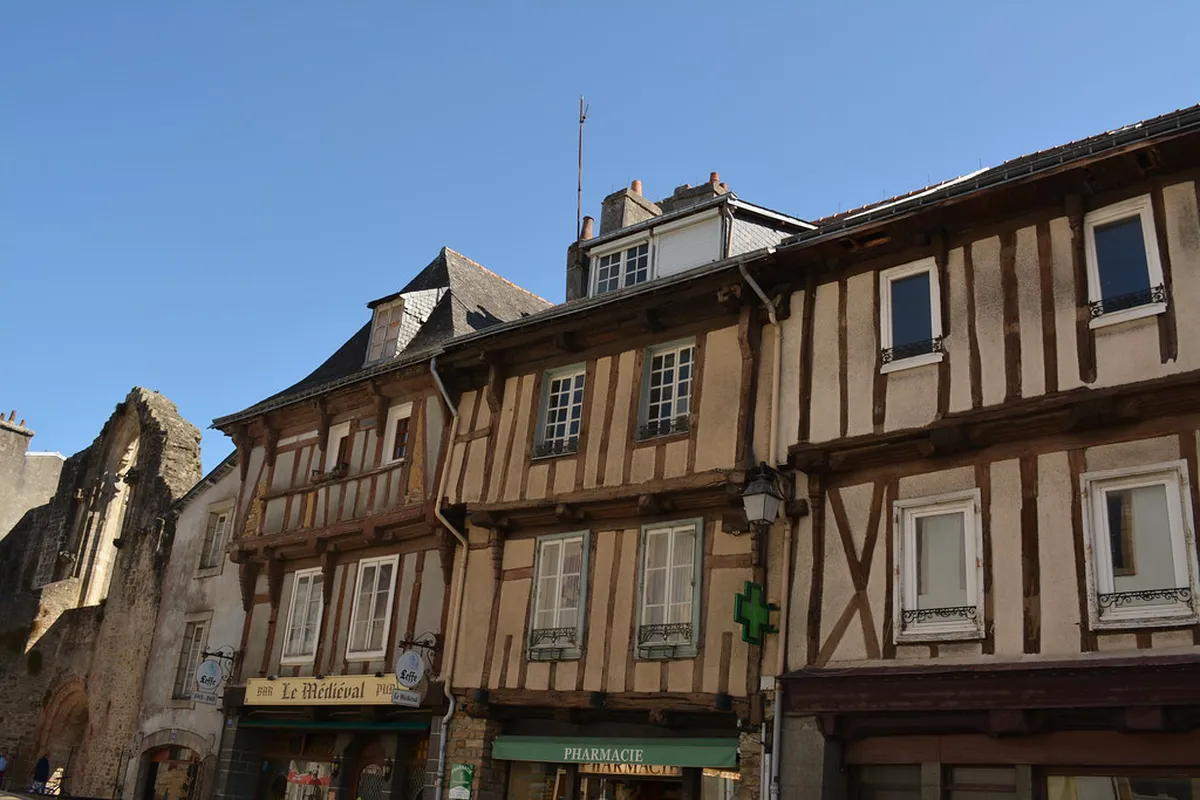
The city of Beaune is world famous for its stunning collection of medieval timber-framed houses in Beaune. The Maison du Colombier is perhaps the most impressive example of this building style in the town. It uses a heavy frame of oak beams to support the weight of the multiple floors. These beams were often carved by hand to add a touch of decorative beauty to the home.
The technique used for these houses is called half-timbering which was common throughout northern and central Europe. Builders would create a wooden skeleton and then fill the spaces with a mix of light materials. This allowed for buildings to be tall and sturdy without needing massive and expensive stone walls. The result is a striking pattern of dark wood against white or light colored plaster walls.
One interesting feature of these medieval houses is the use of jetties or overhanging upper floor levels. Each floor extends slightly further out over the street than the one below it in the design. This was done to maximize the living space on the upper levels of the crowded city. It also helped to protect the lower timber beams from rain damage over many long years.
The windows of the Maison du Colombier are another key element of the beautiful and classic facade. They are framed in heavy wood and often feature small glass panes held together with lead strips. These windows allowed light to enter the deep rooms while keeping the cold winter winds at bay. The placement of the windows follows a symmetrical pattern that was popular during the Renaissance period.
Inside the building you can still see the massive beams that hold up the ceilings of the rooms. These beams are often left exposed to show off the raw strength and beauty of the wood. Many of the original fireplaces have also been preserved to provide warmth and a sense of history. It is a rare treat to see such detailed craftsmanship still in use today.
The Architectural Significance of the Corner Turret
The most iconic feature of the Maison du Colombier architecture is the round turret on the corner. This tower serves both a functional and a decorative purpose for the overall design of the house. It contains a spiral staircase that connects the different floors of the building from the inside. This was a very efficient way to save space in a dense urban environment like Beaune.
The turret also served as a lookout point for the owners of the house in the past. From the top windows one could see far down the street toward the city walls and gates. This provided a sense of security during times of unrest in the French countryside many years ago. It also gave the building a grand and castle-like appearance from the busy street below.
The base of the turret is made of solid stone to provide a very strong foundation for the tower. As it rises the construction changes to the lighter timber-framed style seen on the rest of the house. This transition between materials is handled with great skill by the original builders of the structure. It shows a high level of technical knowledge and an eye for beautiful visual proportions.
Many artists and photographers come to Beaune just to capture the unique shape of this famous corner tower. It creates a dynamic silhouette that changes as you walk around the building in the bright sunlight. The way the roof of the turret meets the main roof is a masterpiece of carpentry. It requires very complex angles to ensure the roof remains completely waterproof and very stable.
In 2025 the turret remains a symbol of the architectural pride found within the city of Beaune. It has been carefully restored to ensure that the wood remains healthy and the stone stays strong. Visitors can look up and see the same view that residents saw hundreds of years ago. It is the defining characteristic that makes this house stand out from all the others.
Traditional Materials Used in Burgundy Architecture
The builders of the Maison du Colombier relied on materials that were found in the local Burgundy countryside. They used massive oak trees for the framing which provided the necessary strength for the tall structure. These trees were often aged for several years to prevent the wood from warping after construction. The local forests were a vital resource for all the builders in the region at the time.
The stone used for the ground floor and the corners of the building is local limestone. This stone is known for its warm color and its ability to be carved into very fine details. It provides a solid base that protects the wood from moisture rising from the ground level. You can see similar stone used in the glazed tile roofs of Burgundy found nearby.
The roof of the Maison du Colombier is covered in traditional flat clay tiles that are typical of Beaune. These tiles are designed to overlap and shed water quickly during the heavy rain of the fall season. They have a dark earthy color that contrasts beautifully with the white plaster and the dark wood. This combination of colors creates the classic look that people associate with the French countryside.
In the spaces between the timber frames the builders used a mixture of straw and wet clay. This material is known as cob or wattle and daub in different parts of the world. It provides excellent insulation to keep the house warm in winter and cool in the summer. Once the mixture dried it was covered with a layer of lime plaster for protection.
Using these natural materials allowed the building to breathe and move slightly with the changing seasons of the year. This flexibility is one of the reasons why the house has lasted for so many centuries without failing. Modern builders still study these techniques to learn how to create sustainable and long-lasting homes today. The Maison du Colombier is a perfect example of these ancient and wise building methods.
Visiting the Landmark and Seeing the Preservation
If you are planning a trip to Beaune you must include this building on your personal itinerary. It is located at the corner of Rue Maufoux and Place Notre Dame in the center. You can easily find it by looking for the famous turret near the large church. It is a key stop on any Beaune architecture walking tour map available locally.
The best time to see the exterior is during the late afternoon when the sun hits the facade. The light brings out the textures of the old wood and the details of the stone carvings. You can spend several minutes just looking at the different patterns in the timber-framed sections of the wall. It is a great place to practice your architectural photography skills while visiting the city.
While the upper floors are private for guests the ground floor wine bar is open to the public. This allows you to step inside and see the massive interior beams and the historic fireplace. You can enjoy a glass of local wine while sitting in a room that is five centuries old. It is an experience that connects you directly to the long history of the Burgundy region.
Preservation is an ongoing process for the current owners of the Maison du Colombier landmark in the town. They work with specialized craftsmen who know how to repair old timber and ancient stone correctly. These experts use the same types of tools that were used when the house was first built. This ensures that any new work blends in perfectly with the original parts of the house.
The city of Beaune takes great pride in maintaining its historic character for the benefit of all people. By visiting landmarks like the Maison du Colombier you help to support these important preservation efforts. It ensures that future generations will be able to enjoy the beauty of medieval French architecture. Make sure to take a moment to appreciate the hard work that goes into this building.
Frequently Asked Questions
What is the best way to see the Maison du Colombier architecture?
The best way to see the building is by walking through the historic center of Beaune. It is located right across from the Notre Dame church and is very easy to find. You can view the exterior from the street at any time of the day or night. For an inside look you should visit the wine bar located on the ground floor.
Can I stay inside the Maison du Colombier in 2025?
Yes you can book a room in the luxury guesthouse that now occupies the upper floors. Staying there allows you to experience the historic atmosphere and the unique architectural details up close. It is recommended to book your stay well in advance because it is very popular. Each room has been updated with modern amenities while keeping the historic feel of the space.
Why does the house have a round tower on the corner?
The round tower or turret was a sign of wealth and high social status for the original owners. It also contains a spiral staircase which was a practical way to connect the many different floors. From a defensive standpoint it allowed the residents to see people approaching from several different directions. Today it is the most famous part of the entire building for tourists to see.
Is the Maison du Colombier open to the public for tours?
There are no formal guided tours of the private residence areas of the house at this time. However the ground floor wine bar is open to everyone who wants to see the interior. You can also see most of the important architectural features just by looking at the outside facade. Many walking tours in the city stop here to discuss the history of the building.
The Maison du Colombier architecture remains one of the most important landmarks in the beautiful city of Beaune. It offers a rare look at the transition between the medieval and renaissance periods in French history. The combination of the timber-framed walls and the iconic corner turret makes it a unique site. You should definitely make time to visit this historic gem during your next trip to Burgundy. It is a perfect example of how the past can be preserved for the modern world.
Key Takeaways
- The house was built in 1572 and features classic half-timbering.
- The iconic corner turret served as a status symbol and a staircase.
- It is located in the heart of Beaune near the Notre Dame church.
- The building now houses a luxury guesthouse and a public wine bar.
- Local materials like oak and limestone were used for its construction.
Related reads: architecturebycity.com, architecture in beaune, medieval facades in beaune old town.