
Beaune Architecture Walking Tour Map Guide
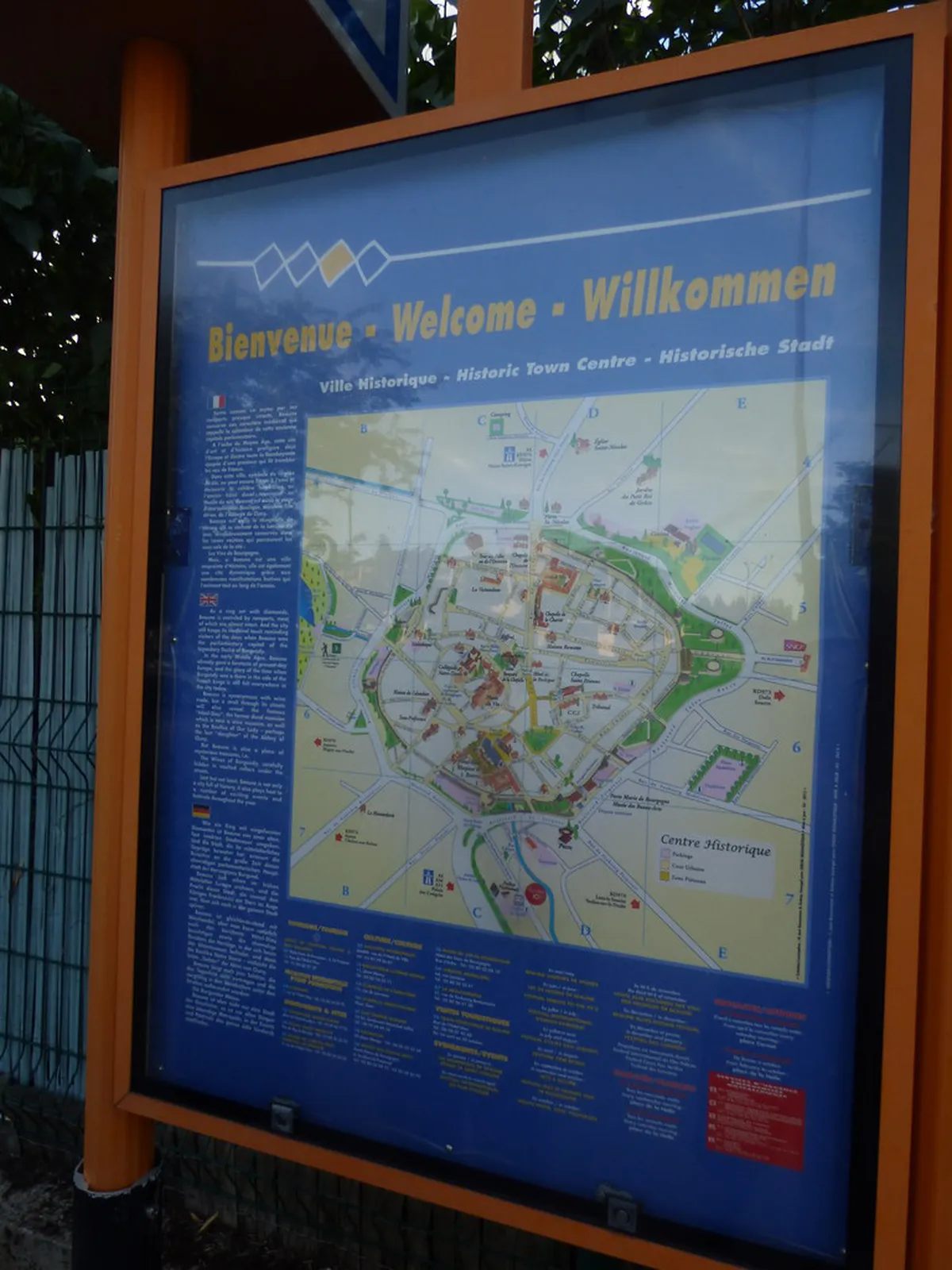
Use this Beaune architecture walking tour map to find top landmarks. Discover medieval sites and glazed tile roofs in 2025. Start your tour to see the Hospices!
On this page
Welcome to the beautiful city of Beaune in the heart of France. This historic town offers a rich blend of medieval and Renaissance design styles. Our Beaune architecture walking tour map highlights the most famous local landmarks. You will find stunning glazed roofs and ancient stone walls around every corner.
Walking is the best way to see the intricate details of this city. You can explore grand mansions and hidden courtyards at your own slow pace. This guide covers the essential stops for any architecture lover visiting in 2025. Get ready to discover the secrets behind Burgundy's most iconic building designs.
The Iconic Hospices de Beaune Design
The Hospices de Beaune is the crown jewel of the city's architectural heritage. It was founded in 1443 as a hospital for the poor and needy. The Flamboyant Gothic style is evident in its tall, pointed spires and stone carvings. You should start your walking tour at this central and impressive site.
The inner courtyard features the famous polychrome glazed tile roofs of the region. These colorful geometric patterns are a symbol of Burgundian wealth and prestige. You can learn more about the Hospices de Beaune architectural history during your visit. The museum inside offers detailed views of the historic hospital wards.
Notice the large wooden beams and the Great Hall of the Poor. This room stretches over 50 meters long and features a stunning barrel-vaulted ceiling. The ceiling is decorated with painted carvings of dragons and monsters. Tickets cost approximately 12 Euros and the site opens daily at 9:00 AM.
The exterior walls of the building show a more sober stone facade. This contrast makes the vibrant courtyard roofs even more surprising to visitors. Use your map to locate the main entrance on Rue de l'Hôtel-Dieu. This stop is essential for understanding the local culture and history.
Photographers will love the play of light on the colorful roof tiles. Early morning is the best time to capture the courtyard without large crowds. The site remains one of the most visited locations in all of France. Make sure to allow at least 90 minutes for a full exploration.
Medieval Timber-Framed Houses of Beaune
As you follow your map, look for the charming timber-framed houses. These buildings date back to the 14th and 15th centuries. They feature exposed wooden skeletons filled with brick or plaster. You can find many of these structures near the central Place de la Halle.
Look closely at the wooden carvings on the exterior beams. Some houses depict religious figures or mythical creatures in the wood. These medieval timber-framed houses in Beaune are perfect for photography fans. Most of these buildings now host cozy shops or traditional French restaurants.
Walking through these narrow alleys feels like stepping back into the Middle Ages. The upper floors often overhang the street to provide extra living space. This design also protected the lower wooden beams from rain and decay. It is a clever solution used by medieval builders in narrow city centers.
One of the most famous examples is located on the Rue de Lorraine. This street is part of our suggested Beaune architecture walking tour map route. Stop here to admire the craftsmanship before heading toward the main cathedral. These homes represent the daily life of ancient Burgundian citizens.
The preservation of these houses is a priority for the local government. Many have undergone careful restoration to maintain their original 15th-century look. You can still see the original stone foundations supporting the heavy timber frames. These structures provide a unique glimpse into the city's residential history.
The Romanesque Beauty of Notre-Dame
The Collegiate Church of Notre-Dame is a masterpiece of Romanesque architecture. Construction began in the 12th century, following the style of the Cluny Abbey. Its massive stone walls and rounded arches provide a sense of peace. You can find this landmark just a short walk from the Hospices.
Inside, you will discover beautiful 15th-century tapestries depicting the life of the Virgin. The church also features a stunning Gothic portal added during later renovations. This mix of styles shows how the building evolved over several centuries. Access to the church is generally free for all visitors in 2025.
Pay attention to the intricate carvings on the capitals of the columns. They tell stories from the Bible through detailed stone masonry. The church also houses a famous 12th-century statue of the Black Madonna. Lighting inside the church creates a mystical atmosphere for quiet reflection.
The bell tower is another notable feature of this impressive religious site. It stands tall over the surrounding rooftops and serves as a local landmark. Use your architecture walking tour map to find the best viewing angles from nearby squares. The church remains an active place of worship with regular morning services.
The cloister area offers a quiet retreat from the busy city streets. Its elegant arches show the transition from Romanesque to early Gothic design. Take a moment to sit and admire the stonework in this peaceful setting. It is one of the most serene spots in the historic center.
Following the Beaune Architecture Walking Tour Map
Beaune is still surrounded by a significant portion of its ancient city walls. These fortifications were built over several centuries to protect the wealthy town. A walk along the ramparts offers unique views of the city and its gardens. Our walking tour map follows the path of these historic stone defenses.
You will pass by several towers and bastions that once guarded the gates. Some of these structures have been converted into wine cellars or private homes. Exploring the Remparts de Beaune walking tour takes about one hour to complete. The path is mostly flat and easy for travelers of all ages.
The walls also border some of the city's most beautiful public parks. You can see the Square des Lions and its manicured flower beds from above. This green belt provides a refreshing break from the stone-heavy city center. It is a great spot to enjoy a picnic during the spring months.
Notice how the modern city has grown around these ancient stone boundaries. The contrast between the old fortifications and new buildings is very striking. Most sections of the ramparts are open to the public for free throughout the year. Wear comfortable walking shoes to enjoy the full 2.5-kilometer loop around the town.
The Tour des Poudrières is one of the most impressive stops on the wall. This tower once stored gunpowder for the city's defense during medieval wars. Today, it serves as a silent reminder of the town's military past. The view from this point across the rooftops is simply spectacular.
Renaissance Mansions and Glazed Tile Roofs
During the Renaissance, wealthy merchants built grand mansions known as Hôtels Particuliers. These buildings feature elegant stone facades and ornate courtyards. Many of these houses are hidden behind large wooden doors along the main streets. Look for the Rue Rousseau-Deslandes to see some prime examples.
The roofs of these mansions often feature the signature Burgundian glazed tiles. These tiles are coated with lead or tin to create vibrant colors and patterns. You can see many glazed tile roofs of Burgundy on your walking tour. They glitter in the sun and reflect the wealth of the original owners.
Check the visiting Beaune landmarks tickets and hours before you set out. Some private mansions are only open during special heritage days in September. However, you can admire their exterior architecture from the sidewalk at any time. The ironwork on the balconies is particularly fine and worth a look.
These buildings often hide vast underground cellars used for aging fine Burgundy wines. The architecture above ground is matched by the impressive vaulted stone cellars below. This combination of beauty and utility defines the architectural spirit of Beaune. Make sure to mark these spots on your digital walking tour map.
The Hôtel de la Rochepot is a notable example of Renaissance elegance. Its courtyard features delicate stone columns and balanced proportions. Such buildings show the influence of Italian design on French provincial architecture. It remains a highlight for anyone interested in the 16th-century style.
Frequently Asked Questions
How long does the Beaune architecture walking tour take?
The full route takes about two to three hours at a steady pace. You should allow extra time to visit the museum inside the Hospices. Most travelers spend an entire morning exploring the city center.
Is the Beaune historic center easy to walk?
Yes, the town center is mostly flat and very pedestrian-friendly. Most major landmarks are located within a short distance of each other. The streets are paved with stone, so wear comfortable shoes.
Are the glazed tile roofs only in Beaune?
While famous in Beaune, you can find them throughout the Burgundy region. They are a traditional decorative element for many prestigious buildings. Beaune has the highest concentration of these stunning roofs.
Can I visit the wine cellars on the walking tour?
Many historic cellars are located directly beneath the architectural landmarks. Several major wine houses offer tours that include both architecture and tastings. These are often located within the old city walls.
Beaune is a treasure trove of architectural history waiting to be explored. Use our Beaune architecture walking tour map to see the best medieval and Renaissance sites. Start your journey today and discover the magic of Burgundy's design in 2025. Don't forget to check the weather before you begin your tour!
Key Takeaways
- Start at the Hospices de Beaune to see the famous glazed tile roofs.
- Walk the 2.5-kilometer rampart loop for panoramic views of the city.
- Look for timber-framed houses near the Place de la Halle for medieval charm.
- Check visiting hours for private Renaissance mansions before your trip.
- Wear comfortable walking shoes for the stone-paved streets of the historic center.
Related reads: architecturebycity.com.