
Remparts de Beaune Walking Tour: 2025 Guide
Take the Remparts de Beaune walking tour to explore ancient walls. This 2025 guide covers the best route, history, and bastions for your visit. Plan it now!
On this page
The Remparts de Beaune walking tour offers a spectacular journey through the rich medieval history of Burgundy. These ancient stone walls have protected the heart of the wine capital for many centuries of French history. You will discover impressive gates, deep moats, and massive defensive towers as you walk along the elevated paths. This itinerary provides everything you need to enjoy the scenic two-kilometer circuit around the historic city center.
Walking these historic fortifications allows you to see the city from a very unique and elevated physical perspective. You can admire the private gardens and historic townhouses that sit quietly tucked away behind the thick stone. The path is accessible to everyone and provides a peaceful escape from the busy streets of the town. Most visitors find that the complete loop takes approximately ninety minutes to finish at a very leisurely pace.
As you plan your 2025 visit, you should consider starting your journey in the early morning hours. The soft light of dawn creates beautiful shadows on the weathered limestone surfaces of the ancient defensive walls. You will find that the air is cool and the popular paths are much quieter during this time. Bringing a camera is essential because the architectural details and rooftop views are truly remarkable from this height.
The circuit is well-marked with informative signs that explain the military significance of each section of the walls. You will learn how the Dukes of Burgundy designed these structures to withstand long sieges from their many enemies. Today, the walls serve as a lush green park where locals and tourists alike enjoy the fresh air. This walking tour is a must-see highlight for any traveler visiting this beautiful part of eastern France.
The History of the Beaune City Walls
The construction of these massive defenses began in the twelfth century to protect the growing wealth of the city. Builders used local limestone to create a perimeter that originally included eight massive gates and nearly thirty towers. You can still see the different layers of masonry that reflect various periods of construction and military innovation. Understanding the Beaune city walls history helps visitors appreciate the strategic importance of this medieval stronghold.
During the fifteenth century, the fortifications were significantly strengthened to meet the new threat of heavy gunpowder artillery. Engineers added thicker walls and wide earthworks to absorb the impact of large cannonballs fired during intense sieges. These modifications transformed the simple medieval walls into a sophisticated defensive system that remained relevant for many centuries. You can still identify these strategic changes by looking at the base of the tallest towers today.
As military technology evolved further, the practical need for these defensive walls began to fade during the nineteenth century. Instead of destroying the structures, the city leaders decided to preserve them as a public promenade for everyone. They planted rows of trees and created wide walkways that transformed the military site into a beautiful garden. This decision ensured that future generations could still experience the grand scale of the original Burgundian defense works.
Today, the walls remain almost entirely intact and form a complete ring around the historic heart of the town. They are considered one of the best-preserved examples of urban medieval fortifications found anywhere in the country of France. Walking the entire length allows you to visualize how the medieval city functioned and grew within its boundaries. It is a rare opportunity to step back in time while enjoying the modern beauty of the region.
Preservation efforts continue in 2025 to ensure the structural integrity of the ancient stonework for many more years. Specialist stonemasons use traditional techniques to repair any sections that have been damaged by weather or the passage of time. These ongoing projects allow visitors to witness the incredible craftsmanship required to maintain such a massive historical site. Each stone tells a story of the people who built and defended this iconic Burgundian landmark.
A Guide to the Remparts de Beaune Walking Tour
The most popular place to begin your circuit is the impressive entrance known as the Porte Marie de Bourgogne. This location serves as a perfect gateway because it sits near the local tourism office and several parking areas. You will find detailed maps that show the entire route and highlight the most important landmarks along the way. Learning about the Porte Marie de Bourgogne design provides context for the rest of your walk.
After entering the path, you should head in a clockwise direction to enjoy the best views of the landscape. The walkway is wide and paved with fine gravel, making it very comfortable for walking in any type of footwear. You will immediately notice the height of the walls as they tower over the surrounding gardens and narrow streets. Benches are placed at regular intervals so you can stop and soak in the historic atmosphere of Beaune.
As you move along the western section, you will pass by several beautifully restored private mansions and hidden courtyards. These buildings show how the wealthy residents of the past built their homes directly against the safety of the walls. You can often peak over the edge to see perfectly manicured lawns and traditional French architectural features from above. This section of the tour feels very intimate and provides a glimpse into the local lifestyle.
The path then leads you toward the northern section where the fortifications become even more imposing and military in nature. Here, the walls are higher and the defensive towers are spaced more closely together to protect the most vulnerable areas. You will feel the immense scale of the project that required thousands of tons of stone to complete successfully. The view looking back toward the city center from this point is truly spectacular for any visitor.
Exploring the Strategic Bastions Along the Circuit
The bastions are the most impressive defensive structures you will encounter while following the historic Remparts de Beaune walking tour. These large platforms were designed to hold heavy cannons that could fire in multiple directions to defend the city gates. Each bastion has a unique name and a specific history related to the different neighborhoods they once protected so fiercely. You will find that the Bastion Notre-Dame exploration offers some of the most interesting military details on the route.
One of the largest bastions is the Bastion Saint-Jean, which commands a powerful view over the eastern approach to the town. Its thick walls were built to withstand the most powerful artillery available during the late Renaissance period in France. You can still see the narrow slits in the stone where archers and riflemen once stood guard over the moat. These details highlight the transition from medieval warfare to more modern tactical combat during the seventeenth century.
Another notable stop is the Bastion de la Comédie, which now serves as a peaceful park for the local community. The top of the bastion has been leveled and planted with beautiful flowers that bloom brightly throughout the spring season. It is a wonderful spot to enjoy a small picnic while watching the daily life of the city below. The contrast between the violent history of the site and its current tranquility is quite moving for travelers.
Walking between these bastions allows you to appreciate the sheer size of the defensive perimeter that surrounded the entire city. The distance between each strongpoint was carefully calculated to ensure there were no blind spots for the defending garrison forces. You can easily imagine the soldiers moving quickly along these same paths during times of high tension or active conflict. The architectural layout demonstrates the high level of engineering skill possessed by the builders of the Burgundy region.
The Architectural Splendor of the Powder Towers
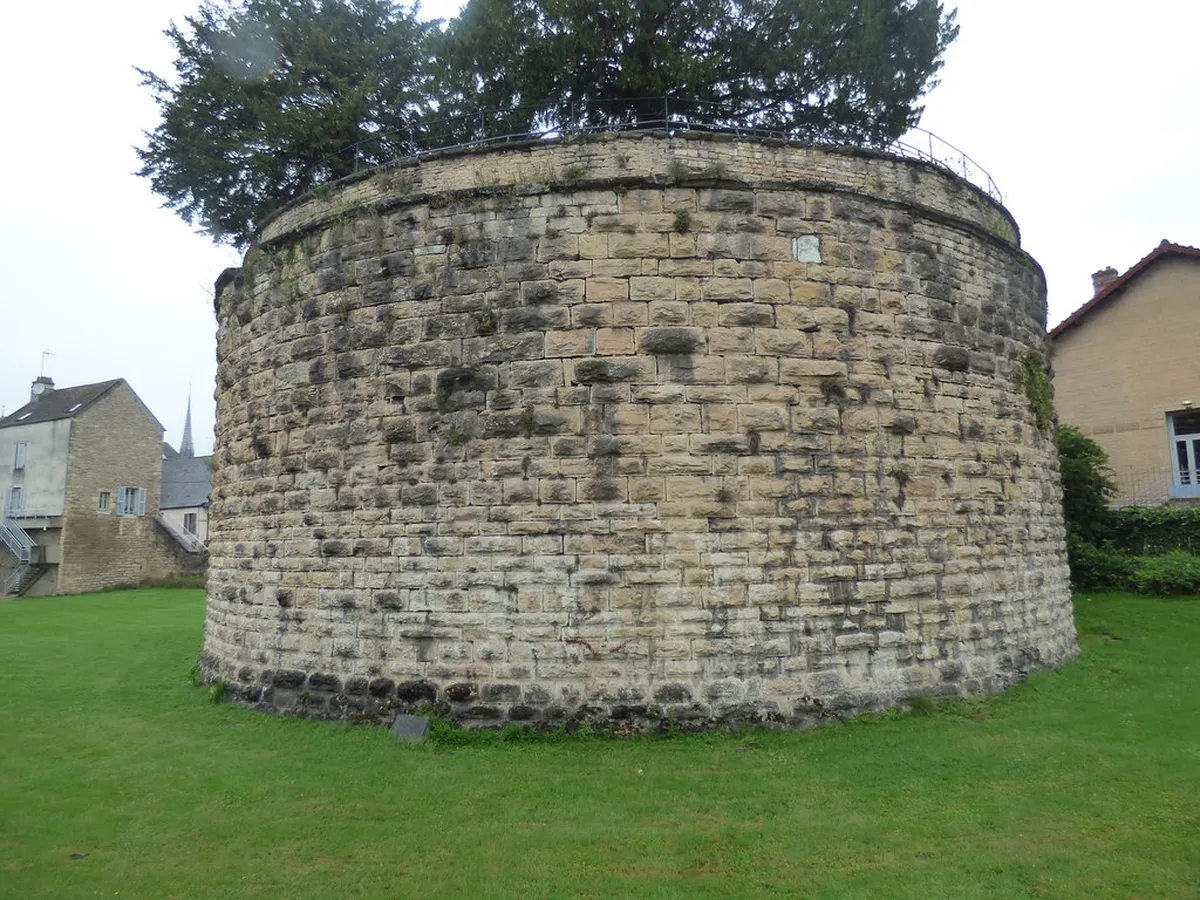
As you continue your journey, you will come across several specialized towers used for storing dangerous black powder and munitions. These buildings were constructed with extra-thick walls and ventilation systems to prevent accidental explosions from destroying the entire defense. The unique circular shape of these towers helped to deflect incoming projectiles fired by the enemy during a long siege. You can explore the Tour des Poudrières architecture to see these defensive features up close during your walk.
Many of these towers have been repurposed over the years for storage or as part of larger residential building projects. However, their external appearance remains largely unchanged, preserving the medieval skyline that has defined the city for generations. You will notice that many towers still feature the original stone brackets that once supported wooden defensive galleries. These galleries allowed soldiers to drop heavy objects on any enemies who tried to scale the high walls.
The Tour des Cordeliers is one of the most famous towers you will see during the final leg of your walk. It stands as a reminder of the religious orders that once lived and worked within the safety of the fortifications. The tower has a very distinct conical roof that is typical of the regional architectural style found in Burgundy. It serves as a perfect landmark for navigating the southern portion of the circular walking tour route.
The combination of these towers and the curtain walls creates a rhythmic pattern that is very pleasing to the eye. Architecture enthusiasts will enjoy comparing the different styles of stonework used across the various centuries of the city's long development. Each tower has a slightly different character depending on when it was built and what specific purpose it served. Taking the time to study these details will greatly enrich your overall experience of the ancient city.
Best Views of the Iconic Glazed Burgundy Tiles
One of the greatest rewards of the Remparts de Beaune walking tour is the view of the colorful city roofs. You will see the famous patterns of yellow, green, and red tiles that are synonymous with the Burgundy region. These tiles were traditionally used to show the status and wealth of the building owners during the Middle Ages. Learning about the glazed tile roofs of Burgundy adds a layer of cultural appreciation to your scenic walk.
The best vantage point for seeing these roofs is along the northern section of the walls near the church. From here, you can see the intricate geometric designs that decorate the tops of the most prestigious local historical buildings. The sun reflects beautifully off the glazed surfaces, creating a shimmering effect that is perfect for professional travel photography. You should try to visit during the golden hour to see the colors at their most vibrant and intense.
You will also notice how the modern buildings in the city attempt to mimic these traditional patterns with newer materials. This architectural consistency helps to maintain the historical charm of the town while allowing for modern growth and development. The view from the walls provides a clear visual map of how the city has balanced heritage with progress. It is a beautiful example of urban planning that respects the long history of the local community.
As you look down into the town, you can also spot the many hidden gardens and private terraces of Beaune. Many of these spaces are filled with climbing roses and ancient vines that spill over the old stone walls. These green pockets provide a lush contrast to the hard surfaces of the limestone fortifications and the tiled roofs. The overall effect is a harmonious blend of nature and human construction that is truly unique to France.
Practical Tips for Your 2025 Beaune Walk
To make the most of your visit in 2025, you should wear comfortable walking shoes with good grip. The gravel paths and stone steps can sometimes become slippery after a rain shower or during the early morning. You should also carry a bottle of water, especially if you plan to walk the entire loop in summer. There are several public fountains located near the main gates where you can refill your bottle with fresh water.
The walk is completely free and open to the public at all hours of the day and night. However, there are no public restrooms directly on the elevated path, so plan your stops accordingly before you start. Most visitors prefer to start at the Porte Marie de Bourgogne because of the nearby cafes and public facilities. You can easily find a place to enjoy a coffee or a glass of wine after your walk.
If you are traveling with children, they will enjoy the many small parks and open spaces located along the route. Several sections of the path have safety railings, but you should always keep a close watch on young kids. The walk is generally quiet and safe, but it is always best to stay aware of your surroundings. Most families find that the variety of sights keeps children engaged and interested throughout the entire circuit walk.
Finally, do not forget to check the local weather forecast before you head out for your morning or afternoon tour. While the trees provide some shade, the open sections of the walls can be quite warm during the midday sun. A light jacket is often useful during the spring and fall when the Burgundian breeze can be a bit chilly. Planning ahead will ensure that your experience on the walls is both comfortable and highly memorable.
Frequently Asked Questions
How long does it take to complete the Remparts de Beaune walking tour?
Most visitors find that the entire two-kilometer circuit takes between ninety minutes and two hours to complete comfortably. This timeframe allows you to stop frequently for photos and to read the various historical information plaques. If you are in a hurry, you could walk the path in about forty-five minutes without any stops.
Is the Remparts de Beaune walking tour accessible for people with limited mobility?
The path is generally flat and easy to walk, but there are several sections that require climbing stone stairs. These stairs can be steep and narrow, which may be difficult for those with significant mobility issues or strollers. However, many parts of the lower park area are fully accessible and still offer great views of the walls.
Are dogs allowed on the Beaune city wall paths?
Yes, dogs are welcome on the walking paths as long as they remain on a leash at all times. You will see many locals walking their pets along the green sections of the fortifications throughout the day. Please be sure to clean up after your pet to keep the historic promenade clean for all visitors.
What is the best time of day to walk the Beaune walls?
The best time to enjoy the walk is during the early morning or the late afternoon when the light is soft. These times offer the most beautiful views of the glazed tile roofs and the surrounding vineyards in the distance. You will also avoid the peak heat of the day during the busy summer travel season in Burgundy.
The Remparts de Beaune walking tour is an essential experience for anyone who wants to truly understand this historic city. You will see the perfect blend of military strength and architectural beauty as you explore the ancient stone walls. Whether you are a history buff or a casual traveler, the circuit offers something special for every type of visitor. Plan your trip for 2025 and discover why these fortifications remain the pride of the Burgundy region today.
Key Takeaways
- The walking tour covers a two-kilometer loop around the historic center.
- Access to the walls is free and open to the public year-round.
- The Porte Marie de Bourgogne is the best starting point for visitors.
- Early morning or late afternoon provides the best lighting for photography.
- Expect some stairs and uneven surfaces along the medieval stone paths.
Related reads: architecturebycity.com, architecture in beaune, hospices de beaune architectural history.