
Glazed Tile Roofs of Burgundy: A Beaune Style Guide
Explore the vibrant glazed tile roofs of Burgundy in Beaune for 2025. Learn about patterns, history, and the best viewing spots today with our guide.
On this page
Visitors often travel to Beaune to admire the famous glazed tile roofs of Burgundy every year. These historic structures feature bright colors that shine beautifully under the soft morning sun in France. Understanding the history of these tiles makes your visit to this region much more rewarding today. You can find detailed information about the Hospices de Beaune architectural history in our latest travel guide.
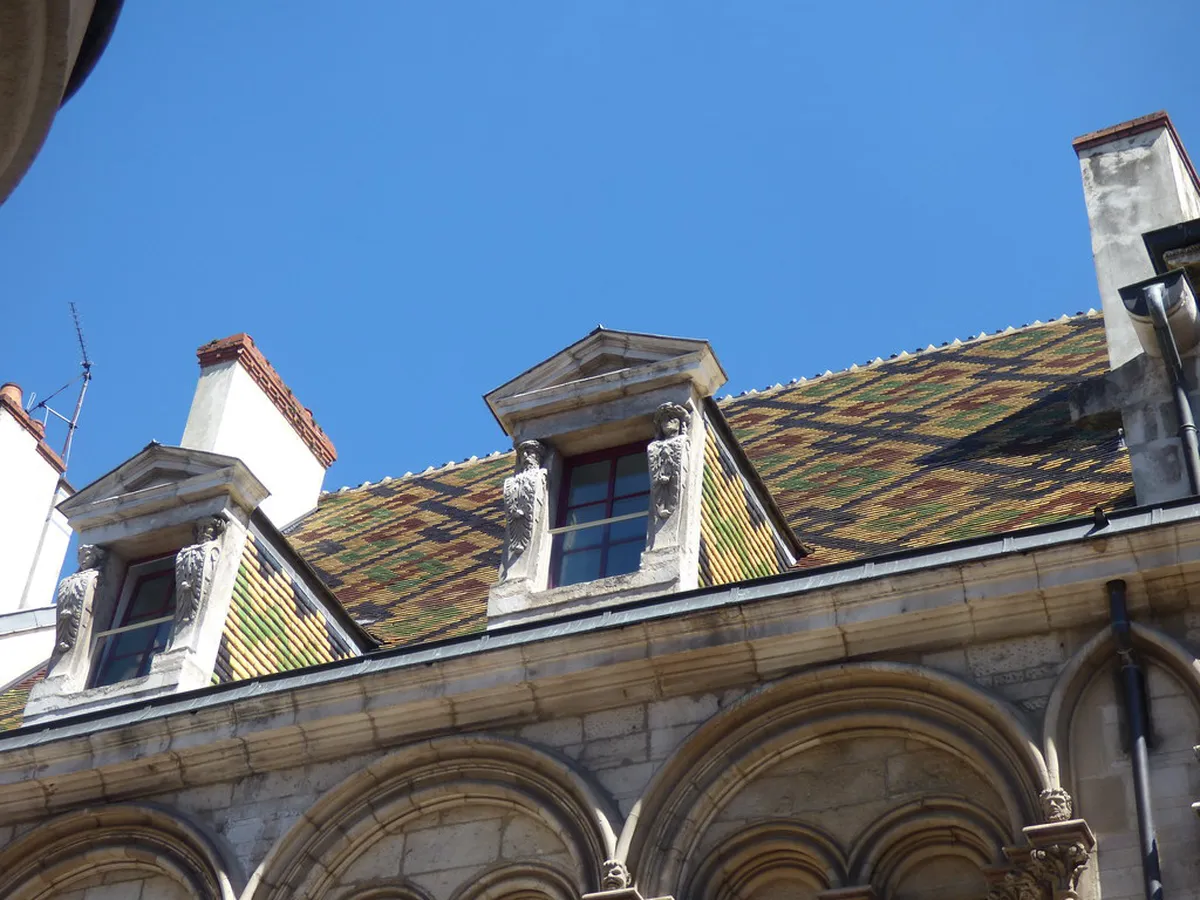
The city of Beaune serves as the cultural heart for these magnificent polychrome roof designs in 2025. Local buildings display complex geometric shapes that reflect the wealth and status of the ancient French dukes. These roofs remain a symbol of regional pride and attract thousands of architecture enthusiasts every single season. Each tile is carefully crafted to ensure the colors remain vibrant for many centuries to come.
The Origins of Burgundy Glazed Tiles
Polychrome roofs first appeared in the Burgundy region during the late thirteenth century for the elite. Many historians believe these decorative styles originated from Central Europe or the Middle East originally. The wealthy dukes of Burgundy adopted these colorful designs to showcase their immense power and riches. These vibrant patterns soon became a defining feature of the local architecture across the entire province.
The technique involves using lead-based or tin-based glazes to create a shiny and waterproof outer surface. Artisans apply these glazes to terracotta tiles before firing them in large kilns at very high temperatures. This process results in a durable finish that can withstand the harsh winter weather of northern France. The traditional colors include earthy tones like ochre, yellow, green, and deep black or dark brown.
During the fourteenth century, these roofs were reserved only for the most important religious and civic buildings. Local residents viewed the colorful patterns as a sign of divine protection and worldly success for the city. Today, you can still find many original examples of this craftsmanship while exploring the historic center of Beaune. The preservation of these tiles is a top priority for the French ministry of culture and heritage.
Symbols and Meanings of the Patterns
Each design on the roof tells a specific story about the heritage of the building owner. The geometric shapes often include diamonds, triangles, and squares in a very repeating sequence of colors. You can read about the toits bourguignons pattern meanings to understand the hidden messages in the tiles. These artistic choices were meant to impress visitors and demonstrate the high status of the residents.
Colors play a vital role in the overall aesthetic and symbolic value of the glazed tile roofs. Yellow often represents the golden fields of wheat that have sustained the Burgundy region for many generations. Green symbolizes the lush vineyards that produce some of the finest wines found anywhere in the world. Red and brown tones reflect the iron-rich soil that characterizes the unique landscape of this famous province.
The arrangement of tiles usually follows a strict mathematical grid to ensure a perfectly symmetrical visual effect. Master tilers must follow ancient blueprints to maintain the historical accuracy of these iconic architectural features today. Even small variations in the pattern can change the entire character of a building in the town. Modern restorers use traditional methods to keep these designs looking as authentic as possible for future generations.
The Architectural Masterpiece of Hospices de Beaune
The Hospices de Beaune features the most famous example of glazed tile roofs of Burgundy in France. This former hospital displays a stunning courtyard with intricate patterns that captivate every person who enters here. The roof uses thousands of small tiles to create a mosaic that looks like a giant tapestry. It remains one of the most photographed landmarks in the entire Burgundy region for a good reason.
Construction of this magnificent building began in 1443 under the direction of Nicolas Rolin and Guigone de Salins. They wanted to create a palace for the poor that offered beauty and comfort during difficult times. The colorful roof served as a beacon of hope for patients arriving from the surrounding rural areas. The vibrant colors continue to inspire artists and architects who visit this site in early 2025.
Admission to the museum costs around fifteen euros for adults and includes a very detailed audio guide tour. You should spend at least two hours exploring the courtyard and the historic wards inside the main building. The roof is best viewed from the center of the courtyard where the light hits the tiles. Make sure to check the seasonal opening hours before planning your trip to this historic French town.
Materials Used in Polychrome Roof Design
Terracotta remains the primary material used for creating the base of these traditional Burgundy roof tiles. Local clay is harvested from the surrounding hills and refined to remove any unwanted impurities or stones. Artisans mold the clay into flat rectangles that feature a small hook for hanging on the roof. Each tile must be perfectly uniform in size to ensure the geometric patterns align correctly during installation.
The glazing process requires a mixture of mineral oxides and powdered glass to create the desired colors. Cobalt produces deep blues while copper creates the vibrant greens seen on many historic houses in Beaune center. These minerals are mixed with water and applied by hand to each individual tile before the firing. The tiles are then placed in a kiln where the glaze melts into a smooth glass layer.
This glass layer provides excellent protection against moisture and prevents the terracotta from cracking during freezing weather. Modern technology has improved the durability of the glazes without changing the traditional appearance of the tiles. Restoration projects in 2025 use these advanced materials to ensure the roofs last for several more centuries. Expert craftsmen are still trained in Beaune to keep these ancient building techniques alive for the future.
Best Places to View Glazed Tiles in Beaune
Walking through the center of Beaune reveals many hidden gems with beautiful polychrome roofs for everyone. Start your journey at the Place de la Halle to see several buildings with these bright designs. Our guide to the best places to see glazed tiles in Beaune highlights several secret viewing spots. Make sure to look up while exploring the narrow pedestrian streets near the old town walls.
The Hotel de Ville is another excellent location to admire the local style of glazed tile roofing. This municipal building features a very elegant pattern that reflects the formal neoclassical architecture of the eighteenth century. You can walk through the public gardens to get a better view of the roof from different angles. This spot is particularly beautiful during the late afternoon when the sun highlights the shiny tile surfaces.
Another notable example is the Maison du Colombier which sits directly across from the historic Notre Dame cathedral. This building combines medieval timber framing with a small but very decorative section of Burgundy glazed tiles. It serves as a perfect example of how different architectural styles blend together in this ancient French city. Many local cafes nearby offer outdoor seating where you can enjoy the view with a glass of wine.
Preserving the Glazed Tile Legacy in 2025
Maintaining these historic roofs requires constant attention and significant financial investment from the local government and owners. Each year specialized teams inspect the tiles for any signs of damage or wear from the seasonal weather. Replacing a single section of a patterned roof can take several weeks of highly skilled manual labor. The cost of authentic handmade tiles remains high due to the complex manufacturing process involved in creation.
Many homeowners in Beaune are now receiving grants to help preserve the traditional look of their private houses. These incentives ensure that the unique character of the city remains intact for tourists and local residents. You will notice several scaffolding projects around the town as buildings undergo careful restoration during the summer. Supporting local heritage is a key part of the sustainable tourism strategy for the Burgundy region today.
Educational programs in Beaune teach young students about the importance of these architectural treasures and traditional crafts. Workshops allow visitors to see how tiles are glazed and fired using methods that have not changed much. These efforts help to maintain a connection between the past and the modern identity of the city. Visiting Beaune in 2025 offers a chance to see history being preserved in real time every day.
Frequently Asked Questions
What is the history of polychrome tiles in Beaune?
The history of polychrome tiles in Beaune dates back to the wealthy dukes of the Middle Ages. They imported the style from Central Europe to show their status and protect their most important buildings. Today these roofs are the most recognizable symbol of the entire Burgundy region in eastern France.
How much does it cost to visit the Hospices de Beaune?
Adult tickets for the Hospices de Beaune usually cost fifteen euros during the regular tourist season in 2025. This price includes access to the famous courtyard where you can see the best glazed tile roofs. Children and students often receive a discounted entry fee if they provide a valid form of identification.
Are the glazed tile roofs of Burgundy still made today?
Yes, local artisans still produce these tiles using traditional techniques to ensure that historic buildings are repaired correctly. Specialized workshops in the region focus on matching the exact colors and patterns of the ancient roof designs. This commitment to quality ensures that the architectural heritage of Beaune remains beautiful for many years.
Beaune remains the perfect destination to explore the stunning glazed tile roofs of Burgundy this coming year. Plan your visit to see these historic patterns and capture amazing photos of the local skyline. You can find the best architectural photography spots in Beaune by following our detailed city map. We hope you enjoy discovering the vibrant colors and rich history of this unique French architectural style.
Key Takeaways
- Visit the Hospices de Beaune for the best example of polychrome roofs in France.
- Look for diamond and triangle patterns that symbolize regional wealth and vineyard heritage.
- Check the afternoon light for the best photography conditions on the shiny glazed tiles.
- Expect to pay around 15 euros for entry to major architectural landmarks in the city.
Related reads: architecturebycity.com.