
Decoding Toits Bourguignons Pattern Meanings in Beaune
Discover toits bourguignons pattern meanings in Beaune for 2025. Learn the history and symbolism of glazed tile roofs of Burgundy in our comprehensive guide.
On this page
Welcome to the historic city of Beaune where you can discover the toits bourguignons pattern meanings for yourself. These vibrant roofs are the most iconic feature of the architecture found in the beautiful region of Burgundy. Each colorful pattern tells a unique story about the history and the wealth of the local French nobility. Tourists often marvel at the complex designs that decorate the buildings of this ancient and charming medieval city.
Understanding the toits bourguignons pattern meanings is essential for anyone who wants to appreciate the local culture and heritage. These tiles represent a legacy of prestige that dates back to the era of the powerful local dukes. You will see these patterns shining brightly under the sun as you walk through the historic town center. The roofs are more than just decoration because they protect the buildings from the local weather and cold.
The history of these roofs is tied closely to the influence of Flemish art and French craftsmanship during the Middle Ages. Many historians believe the geometric patterns were inspired by the intricate tapestries and fabrics of that specific time period. Today these roofs are a symbol of regional identity that attracts visitors from all over the entire world. This guide will help you understand what each color and shape means as you explore the streets today.
Origins of Glazed Tile Roofs of Burgundy
The story of glazed tile roofs of Burgundy began in the middle of the fourteenth century in central France. Wealthy dukes used these colorful tiles to display their massive power and their significant financial resources to everyone. Artisans applied a special glaze to simple clay tiles to protect them from the cold and snowy winters. This technical innovation allowed for the creation of lasting colors that still shine on the roofs of Beaune.
The early designs were often simple but they became more complex as the wealth of the local region grew. High-society families competed with each other to have the most beautiful and intricate roof designs on their private homes. These roofs became a status symbol that showed a family was part of the elite ruling class in Burgundy. You can still see the results of this social competition as you walk around the city of Beaune.
Many architects believe that the style was imported from central Europe or the Low Countries during a trade boom. The connection between Burgundy and Flanders brought many new artistic ideas to the local builders of that specific era. They combined Flemish geometric styles with French ceramic techniques to create something that was entirely new and very unique. This fusion of cultures resulted in the famous rooftops that define the skyline of the city of Beaune today.
Each tile was individually fired in a kiln at very high temperatures to create a strong and durable finish. The process was very expensive which meant that only the most important public and religious buildings could afford them. Over time the style spread to smaller towns but Beaune remains the best place to see these historic roofs. These buildings serve as a living museum of the architectural achievements of the late medieval and early Renaissance periods.
Toits Bourguignons Pattern Meanings Decoded
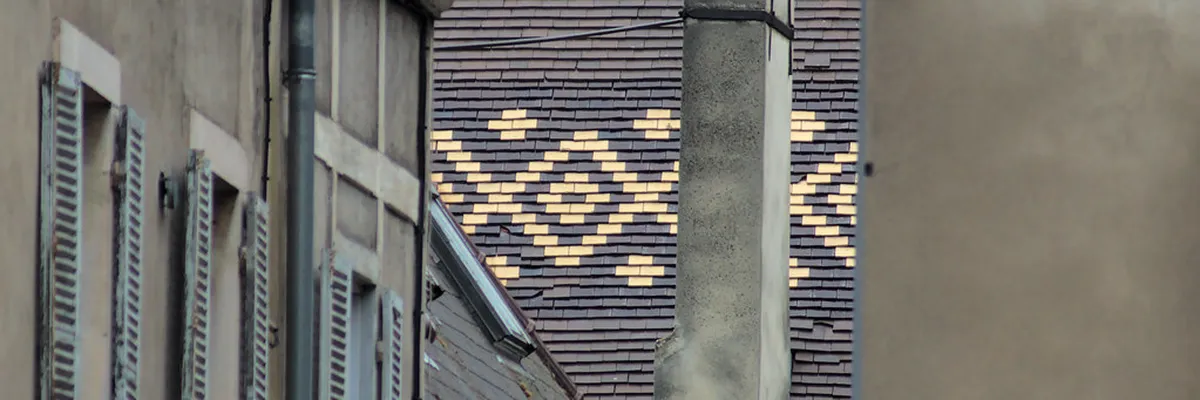
The toits bourguignons pattern meanings are often based on geometric shapes like diamonds and sharp chevrons that look modern. These shapes represent order and stability which were very important values for the ruling dukes of the Burgundy region. The repeating patterns create a sense of rhythm and harmony that is very pleasing to the eye of visitors. You can see how the toits bourguignons pattern meanings reflect the structured nature of life in the Middle Ages.
Studying the history of polychrome tiles in Beaune helps tourists understand the cultural importance of these designs today. Many of the patterns are meant to resemble the weave of expensive silk or wool fabrics from the period. This connection between textiles and architecture was a way to bring luxury from inside the home to the outside. The tiles acted like a permanent tapestry that could withstand the rain and the wind for many centuries.
The orientation of the diamonds can also have different toits bourguignons pattern meanings depending on the specific building type. Some patterns were designed to guide the eye toward the heavens on religious structures like the local cathedral. Other designs were more grounded and focused on horizontal lines to emphasize the width and the strength of palaces. Every building in Beaune tells a different story through the way the tiles are arranged on the roof.
Modern scholars continue to research the toits bourguignons pattern meanings to find hidden messages from the original master builders. Some believe that the number of tiles in a pattern could represent specific dates or important events in history. While many of these theories are still debated the beauty of the patterns is something everyone can easily agree on. The intricate toits bourguignons pattern meanings remain one of the most fascinating aspects of French architectural history today.
The Symbolism of Colors in Beaune
Yellow ochre is the most common color found on the many historical rooftops in the city of Beaune. This bright color represents the golden sun that helps the local grapes grow in the famous Burgundy vineyards. It also signifies the wealth and the prosperity that the wine trade brought to the region over many centuries. The use of yellow tiles makes the buildings stand out even on a cloudy day in the late autumn.
The deep red tiles represent the earth and the strength of the people who live in this region. Red was a very expensive color to produce in the past so it was used for the most important sections. It provides a warm contrast to the cooler colors and creates a sense of balance within the complex roof patterns. Many visitors find that the red tiles are the most striking part of the toits bourguignons pattern meanings.
Green tiles are often used to symbolize the renewal of nature during the beautiful spring months in central France. This color connects the urban architecture of Beaune with the lush green landscape that surrounds the ancient city walls. It creates a visual link between the man-made structures and the natural world that provides the region with its wine. The green glaze is especially shiny and reflects the light in a very beautiful way during the afternoon.
Black and dark brown tiles are used to provide depth and to create the outlines of the geometric roof patterns. These dark colors help to define the shapes and make the lighter colors appear even more vibrant and bright. They represent the stability of the foundation and the long history of the many generations who lived in Beaune. Without these dark tiles the toits bourguignons pattern meanings would be much harder to see and to appreciate.
Iconic Roof Designs at Hospices de Beaune
The Hospices de Beaune is home to the most famous and complex example of these glazed tile roofs in France. It was founded in 1443 to serve as a hospital for the poor and the needy of the town. The Hospices de Beaune architectural history showcases how functional buildings were transformed into beautiful works of public art. The roof of the main courtyard is a masterpiece that features thousands of perfectly arranged and colorful glazed tiles.
The pattern on the Hospices roof is a classic example of the toits bourguignons pattern meanings found in Burgundy. It uses a mix of yellow red and green tiles to create a very busy but organized geometric design. The size of the roof is massive which makes the impact of the colorful patterns even more impressive for visitors. It was designed to offer hope and beauty to the sick people who were staying inside the hospital wards.
Nicolas Rolin was the man who commissioned this building and he wanted it to be a true architectural marvel. He spent a large part of his fortune to ensure that the tiles were of the highest possible quality. The roof has been restored several times over the years to maintain its original brilliance and its historical accuracy. Today it remains the most photographed site in all of Beaune because of its stunning and unique roof design.
You can see the toits bourguignons pattern meanings from the ground but the view from the galleries is even better. The patterns seem to change as you walk around the courtyard and the light hits the tiles from different angles. It is a perfect place to study the craftsmanship and the detail that goes into every single glazed tile roof. This building is the heart of the city and a testament to the enduring beauty of Burgundy architecture.
The Art of Traditional Tile Making
Creating these glazed tiles is a slow and difficult process that requires a lot of patience and expert knowledge. First the artisans must find the right kind of clay that can survive being fired at very high temperatures. The clay is shaped into flat rectangular tiles and then dried slowly to prevent any cracking or warping. This first stage is essential for ensuring that the roof will last for hundreds of years in the weather.
The second stage involves applying the colorful glaze which is a liquid mixture of minerals and finely crushed glass. Artisans must apply the glaze evenly to ensure that the color is consistent across the entire surface of the tile. Each color requires a different chemical formula to achieve the perfect shade that matches the traditional toits bourguignons pattern meanings. The chemistry of the glaze has been a closely guarded secret of the master potters for many generations.
Once the tiles are glazed they go back into the kiln for a second firing at even higher heat levels. This process fuses the glaze to the clay and creates the hard glass-like surface that makes the tiles shine. The heat must be controlled very carefully to prevent the colors from changing or the tiles from sticking together. Only a master craftsman can ensure that every tile in the batch comes out looking perfect and beautiful.
Even today modern artisans in Burgundy use these same traditional techniques to restore the roofs of the historic city landmarks. They study the toits bourguignons pattern meanings of the past to make sure that the new tiles match perfectly. This dedication to quality ensures that the architectural heritage of Beaune will be preserved for future generations to enjoy. The art of tile making is a vital part of the local economy and the cultural identity of Burgundy.
Seeing These Historic Roofs in 2025
If you plan to visit Beaune in 2025 you will find many opportunities to see these stunning roofs up close. The best time of day to view the patterns is in the early morning when the sun is low. The light hits the glaze at a sharp angle and makes the colors look more intense and very vibrant. You will find that the toits bourguignons pattern meanings are easiest to see when the sky is clear.
You can find the best places to see glazed tiles in Beaune by walking through the historic center of the city. Start at the Place de la Halle and then make your way toward the famous Hospices de Beaune building. Many of the smaller hotels and wine cellars also have beautiful roofs that are often missed by most tourists. Look up as you walk down the narrow side streets to find some hidden and very colorful gems.
Photography fans should bring a lens with a good zoom to capture the fine details of the tile patterns. You will notice that each tile has a slightly different shade which adds a lot of depth to the design. The contrast between the colorful roofs and the old stone walls makes for some truly amazing and professional photos. Please remember to respect the privacy of the people who live in these beautiful and historic private homes.
The year 2025 is a great time to visit because many of the local landmarks have recently finished restoration. The colors are looking better than ever and the toits bourguignons pattern meanings are very clear and easy to understand. You can take a guided walking tour to learn more about the specific history of each individual building. Beaune remains a top destination for anyone who loves architecture and the rich history of the Burgundy region.
Frequently Asked Questions
What is the main purpose of the toits bourguignons pattern meanings?
The toits bourguignons pattern meanings served several important purposes for the people of the Burgundy region in the past. They were used to show the wealth and the high social status of the family who lived inside. The geometric designs also protected the building from the weather and provided a sense of regional and cultural identity. Each pattern was a way to tell a story about the history and the values of the local community.
Which building has the best example of glazed tile roofs of Burgundy?
The Hospices de Beaune is widely considered to be the most spectacular example of these roofs in the whole world. Its roof features an incredibly complex design that uses thousands of colorful glazed tiles in a geometric pattern. The building was designed to be beautiful and to provide comfort to the patients who were staying there. It remains the most famous landmark in the city of Beaune and a must-see for every visitor.
How are the colorful tiles on the roofs in Beaune actually made?
The tiles are made using a traditional process that involves shaping clay and then firing it in a hot kiln. A special liquid glaze made of minerals and glass is applied to the surface before a second firing. This process creates a very hard and shiny finish that can last for many hundreds of years without fading. Modern artisans still use these ancient methods to make sure the new tiles match the original historical designs.
When is the best time to see the roofs of Beaune in 2025?
The best time to see the roofs of Beaune in 2025 is during the spring and the autumn months. The light is very clear during these seasons and the colors of the tiles look especially bright and vibrant. You should try to view the roofs in the early morning or the late afternoon for the best photos. These times of day provide the best shadows and highlights to show off the complex geometric patterns.
The toits bourguignons pattern meanings are a vital part of the architectural history of the beautiful city of Beaune. These colorful roofs represent the wealth the status and the artistic skill of the people of the Burgundy region. You will never forget the sight of the sun reflecting off the glazed tiles as you walk the streets. Plan your visit for 2025 to see these historic patterns in their best and most vibrant condition today.
Key Takeaways
- Geometric diamonds and chevrons represent order and the high status of the local noble families.
- The Hospices de Beaune is the most famous location to see complex glazed tile roof patterns.
- Colors like yellow red and green symbolize the sun the earth and the renewal of nature.
- Glazed tiles were a technical innovation used to protect buildings from the harsh winter weather of France.
Related reads: architecturebycity.com, architecture in beaune, glazed tile roofs of burgundy.