
Collegiale Notre-Dame de Beaune Architecture Guide
Discover the Collegiale Notre-Dame de Beaune architecture. Explore Romanesque and Gothic styles in this 2025 guide. Plan your historic visit to Beaune today!
On this page
Discover the stunning Collegiale Notre-Dame de Beaune architecture during your next trip to historic Burgundy. This magnificent 12th-century structure represents one of the final great Romanesque buildings in eastern France. Its design reflects the massive influence of the Cluny Abbey on regional religious construction styles. Exploring this site provides deep insights into medieval craftsmanship and artistic evolution in the city.
As you walk through the ancient stone portals, you will encounter centuries of history preserved within the walls. This landmark serves as a primary example of Burgundian religious art and structural engineering from the Middle Ages. Our guide explores the unique features that make this collegiate church a masterpiece of European architectural history.
History and Cluniac Influence
The Collegiale Notre-Dame de Beaune architecture began its long history during the middle of the twelfth century. Construction followed the prestigious model of the third abbey church built at the famous Cluny site nearby. Builders utilized local limestone to create a structure that conveyed both spiritual power and physical permanence. This era marked a transition where Romanesque stability met the early sparks of Gothic verticality and light.
Examining the cluniac influence on beaune churches reveals why the nave features such grand proportions. The architectural plan includes a vaulted nave flanked by two side aisles for visiting medieval pilgrims. These sturdy pillars support the massive weight of the stone roof using traditional Romanesque barrel vaulting techniques. This specific layout allowed large congregations to gather while maintaining a sense of intimate religious devotion.
Master masons carved intricate capitals that depict various biblical scenes and complex floral patterns throughout the building. These artistic details served as a visual bible for the many illiterate worshippers during the Middle Ages. The precision of the stone cutting demonstrates the high level of skill possessed by regional Burgundian craftsmen. Every column tells a unique story that connects the physical structure to the spiritual life of Beaune.
The transition between different building phases reveals how the church grew alongside the wealth of the local dukes. You can see the shift from heavy Romanesque foundations to the lighter, more elegant Gothic arches above. This architectural journey makes the building one of the most fascinating landmarks to study in the Burgundy region.
Romanesque Design and Gothic Additions
The exterior of the church features a striking fifteenth-century porch built in the flamboyant Gothic style. This ornate entrance provides a sharp contrast to the austere Romanesque walls found in the main nave. Visitors often pause here to admire the delicate stone tracery that defines this later period of French architecture. These beaune romanesque church features harmonize despite being constructed several hundred years apart.
The large central tower dominates the skyline and serves as a prominent landmark within the old city walls. Its roof displays the classic Burgundian patterns often associated with the prestigious history of this famous wine region. Architects designed the spire to reach toward the heavens while providing a sturdy base for the heavy bells. This combination of height and stability remains a hallmark of the collegiate churches found throughout central France.
Sculptural elements on the western facade include intricate scenes that have survived centuries of weather and political change. These carvings represent the finest examples of medieval iconography still visible in the Burgundy region today. Many historians study these figures to understand the social hierarchy and religious beliefs of the twelfth-century inhabitants. The preservation of these sculptures is a top priority for local heritage conservation groups in 2025.
Interior Treasures and The Choir
Inside the sanctuary, the choir holds a set of world-famous tapestries depicting the life of the Virgin Mary. These stunning silk and wool artworks date back to the fifteenth century and remain in excellent condition today. The notre dame de beaune tapestries and choir draw thousands of art lovers to this sacred space annually. They were originally commissioned to hang between the pillars during special religious festivals and important civic ceremonies.
The choir itself features stalls carved from dark oak with incredible attention to detail by master woodworkers. These seats provided comfort for the canons who gathered multiple times each day for prayer and choral singing. The acoustics in this part of the building are specifically tuned for vocal music and liturgical chanting. You can still hear these historic sounds during the regular choral performances held throughout the summer months.
Large stone arches create a sense of rhythm and balance that guides the eye toward the high altar. The use of light and shadow within the transept highlights the vertical scale of the interior construction. This intentional design creates an atmosphere of awe and reverence for everyone who steps inside the massive wooden doors. Every corner of the interior reflects the dedication of the architects to creating a heavenly space on earth.
Architectural Significance in Beaune
The Collegiale serves as a central hub for the wider landscape of architecture in beaune and the surrounding area. It sits just a short walk away from the famous glazed tile roofs of the historic Hospices building. This proximity allows tourists to experience several centuries of French building styles within a single afternoon walk. Understanding the church helps visitors appreciate the wealth and importance of Beaune during the Middle Ages.
Many nearby timber-framed houses mirror the structural logic used in the construction of the larger stone collegiate church. The urban layout of the city was dictated by the presence and spiritual authority of this massive religious institution. You can see how the narrow streets curve to accommodate the footprint of the cathedral and its surrounding cloisters. This relationship between church and city remains a defining characteristic of medieval urban planning in France.
Local preservation efforts ensure that the Collegiale Notre-Dame de Beaune architecture continues to inspire future generations of builders. Recent restorations have cleaned the limestone walls to reveal the original warmth and color of the native stone. These efforts maintain the integrity of the building while making it accessible for modern visitors to explore safely. The church stands as a bridge between the medieval past and the vibrant culture of modern Burgundy.
The Role of Light and Stained Glass
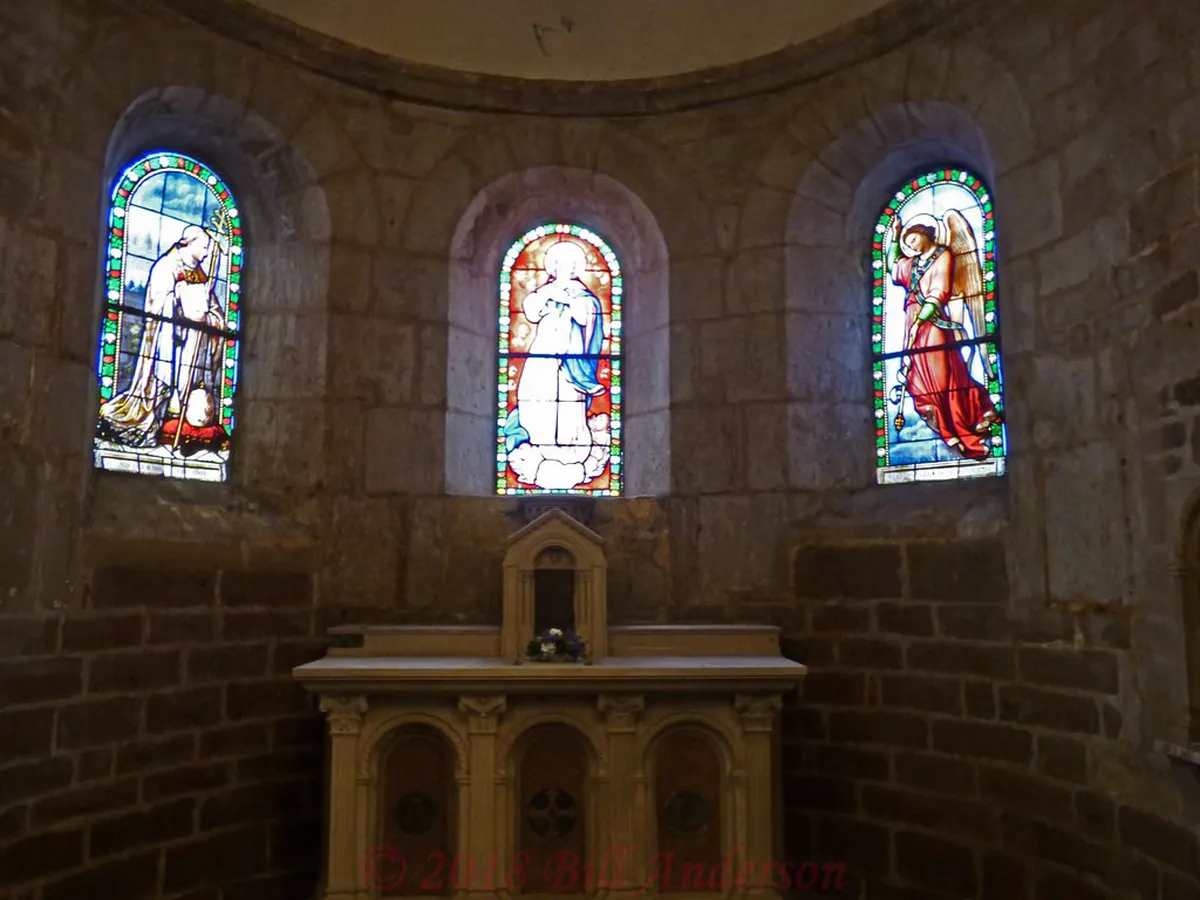
Stained glass windows play a vital role in the overall Collegiale Notre-Dame de Beaune architecture and its atmosphere. The current windows represent a mix of ancient fragments and carefully crafted nineteenth-century restorations. These glass panels depict scenes from the Bible and the lives of local saints important to the community. They transform the natural light into a vibrant palette of colors that dance across the stone floor daily.
During the morning hours, the eastern windows illuminate the altar with a brilliant glow of gold and blue. This use of light was a deliberate choice by medieval architects to symbolize the presence of the divine. The shifting shadows throughout the day emphasize the depth and texture of the carved stone surfaces inside. Seeing the light change within the nave is one of the most peaceful experiences in the city.
You can spend hours observing the small details within each pane of the various windows in the nave. Each color was chosen to evoke specific emotions and enhance the spiritual experience for those praying inside. The preservation of these delicate glass works requires constant maintenance by specialized artists from the local region. This ongoing care ensures that the windows remain as bright and clear as they were centuries ago.
Visiting Information for 2025
Planning your trip requires checking the current visiting beaune landmarks tickets and hours before you arrive at the site. Entry to the main nave of the church is generally free for all visitors throughout the entire year. However, you might need to pay a small fee to view the rare tapestries in the choir area. The church is open daily but often closes for a few hours during the middle of the day.
To make the most of your visit, keep these practical tips in mind for your itinerary:
- Visit early to avoid the largest tour groups that arrive by mid-morning.
- Bring binoculars to see the intricate details of the high capitals and stained glass windows.
- Check the schedule for organ recitals which happen frequently during the summer festival season.
Guided tours are available in multiple languages to explain the complex Collegiale Notre-Dame de Beaune architecture in detail. These tours often provide access to restricted areas like the historic cloisters or the upper gallery levels. We recommend visiting during the morning hours to see the sunlight filtering through the vibrant stained glass windows. These professional guides offer deep historical context that you might miss when exploring on your own.
Photography is permitted inside the building as long as you do not use a flash or disturb worshippers. Please remember that this remains an active place of worship with regular masses and religious services every week. Dress respectfully by covering your shoulders and removing hats when you enter the sacred interior spaces. Your cooperation helps maintain the quiet and peaceful environment that makes this church so special.
Frequently Asked Questions
What is the main style of Collegiale Notre-Dame de Beaune architecture?
The building primarily features the Romanesque style with significant Gothic additions made during later centuries. This blend creates a unique structural appearance that represents several eras of French medieval building history.
How much does it cost to visit the church in 2025?
Admission to the main church building is free for all visitors. However, a small fee of approximately five Euros is usually required to view the historic tapestries in the choir. Always check local listings for the most current price updates.
Are there regular tours of the building available?
Yes, the local tourism office offers guided walks that cover the history and design of the church. These tours provide excellent value and help visitors understand the complex architectural details of the site.
The Collegiale Notre-Dame de Beaune architecture remains a cornerstone of French heritage and a must-see for travelers. Its blend of Romanesque strength and Gothic grace offers a unique look into the artistic past of Burgundy. Make sure to include this stunning landmark on your itinerary when you visit the beautiful city of Beaune. You will leave with a deeper appreciation for the skill and vision of the medieval builders who created it.
Key Takeaways
- Experience a masterclass in Burgundian Romanesque and flamboyant Gothic architectural styles.
- View the world-famous 15th-century tapestries depicting the life of the Virgin Mary.
- Plan your visit for the morning to experience the best light through the stained glass.
Related reads: architecturebycity.com.