
Salle des Pôvres Interior Architecture Guide
Discover the stunning Salle des Pôvres interior architecture in Beaune. Learn about this gothic masterpiece and book your tour today for the best experience!
On this page
The Salle des Pôvres interior architecture represents a high peak of the Flamboyant French Gothic style today. This iconic hall served as the primary medical ward for many long centuries in the city of Beaune. Nicolas Rolin and Guigone de Salins founded this grand institution during the middle of the fifteenth century. Their vision created a space where the poor could find medical help and spiritual solace in Burgundy.
Today, the hall serves as a museum that showcases the history of medicine and local charitable work. Exploring the Hospices de Beaune architectural history reveals many fascinating details about this specific historic site. Every corner of the Salle des Pôvres tells a story of deep charity and religious devotion. It stands as a testament to the enduring legacy of the Burgundian social spirit through the ages.
The Magnificent Timber Vaulted Ceiling Design
The ceiling of the Salle des Pôvres is a masterpiece of medieval carpentry and engineering for all to see. It features a massive timber vault that spans the entire width of the grand hall in central Beaune. This architectural feature is known as an inverted ship hull due to its unique and curved shape. The design creates a vast open space without the need for any central support pillars in the room.
The design of the Salle des Pôvres interior architecture showcases the ingenuity of medieval building techniques in Burgundy today. Master carpenters used local oak wood to construct this impressive structure during the middle of the fifteenth century. They assembled the beams with precision to ensure the stability of the large and heavy roof above them. You can observe the interlocking joinery that has held the ceiling together for many hundred years now.
The vaulted ceiling also served a practical purpose by improving the air quality for the sick medieval patients. High ceilings allowed heat and bad air to rise away from the people resting on the floor below. This natural ventilation was a crucial aspect of hospital design before the invention of modern mechanical systems. It demonstrates how historical architects considered the health of the inhabitants within their grand and functional designs.
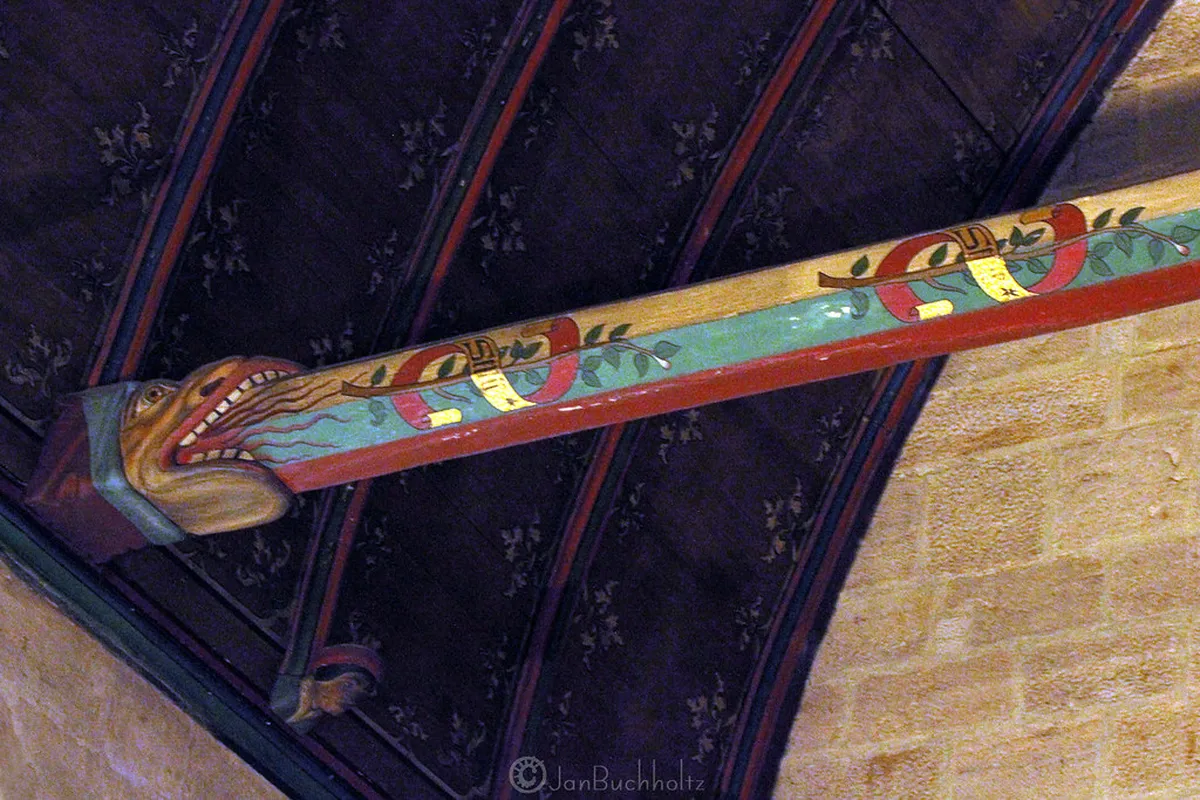
Brightly painted decorations cover the horizontal tie beams that stretch across the wide vaulted room in the hall. These paintings include heraldic shields and colorful geometric patterns that catch the eye of every visiting traveler. The colors have been carefully restored to match the original appearance of the hall in the year 1443. Seeing these vivid designs provides a unique glimpse into the aesthetic preferences of the late medieval era.
Every beam end features a carved monster or a mythical creature that appears to be biting the wood. These grotesque figures represent the sins and diseases that the hospital sought to cure and banish forever. They add a layer of complex symbolism to the Salle des Pôvres interior architecture for all modern viewers. Studying these carvings allows you to understand the cultural beliefs of the people who lived here long ago.
Functional Layout of the Patient Ward Area
The layout of the ward was designed to maximize the efficiency and the care for the sick patients. Two rows of wooden beds faced each other across the central stone floor of the long hall. This arrangement allowed the nuns to monitor all the patients from a single central standing point in 2025. It also created a sense of community among the people who were recovering from their various ailments.
Each bed was enclosed by red curtains to provide a small amount of privacy and warmth for patients. These curtains helped to stop the spread of cold drafts during the harsh Burgundian winter months each year. The use of heavy fabric also reduced the noise levels within the large and echoic hospital room area. This design choice shows a surprising level of concern for the comfort of the medieval poor people.
Small wooden lockers stood next to each bed to hold the personal belongings of the recovering sick patients. These lockers were built directly into the structure of the beds to save space and organize items effectively. Having a place for personal items helped the patients feel more at home during their long medical recovery. This practical detail highlights the thoughtful nature of the Flemish influence on the Hotel Dieu design.
The central aisle of the hall remained clear to allow for the easy movement of the hospital staff. Nuns and doctors could move quickly between the beds to provide medicine and food to the sick residents. This clear pathway was also used for religious processions that took place on holy feast days annually. The spacious floor plan was essential for maintaining a clean and organized environment for everyone inside the hall.
Large windows were placed high on the walls to bring natural light into the deep and wide room. This light was believed to have healing properties and improved the mood of the many suffering patients today. The windows also provided additional ventilation to keep the air fresh throughout the day and the night. Proper lighting and airflow were key components of the Salle des Pôvres interior architecture from the very start.
Religious Symbolism and the Integrated Chapel Space
Religion played a central role in the daily lives of the patients staying in the medieval hospital ward. The architects integrated a small chapel directly into the eastern end of the large patient ward hall area. This allowed the sick to participate in religious services without having to leave their own warm beds. Faith and medicine were closely linked in the minds of the founders during the fifteenth century in France.
A magnificent wooden screen originally separated the chapel area from the rest of the patient ward in the hall. This screen was intricately carved with religious scenes that provided spiritual inspiration to all who saw them clearly. It created a sacred atmosphere while still allowing the sound of the mass to reach the sick patients. The visual connection to the altar was a vital part of the healing process for the residents.
The altar was the focal point of the entire room for both the staff and the sick residents. It was decorated with expensive fabrics and gold ornaments that reflected the importance of the Catholic faith today. During the main religious services, the chapel became the heart of the community within the hospital walls. The Salle des Pôvres interior architecture emphasizes this connection between the physical world and the divine realm.
Studying the Salle des Pôvres interior architecture reveals how the chapel was the central focus for every patient here. Famous artworks were commissioned to decorate the chapel and inspire the patients during their stay in the ward. The polyptych of the Last Judgment by Rogier van der Weyden is the most famous example of this art. This painting served as a reminder of the importance of spiritual health and the promise of salvation.
Modern visitors can still see the chapel area and the beautiful altar during their tour in the year 2025. The space remains a quiet place for reflection and appreciation of the history of the medieval hospital ward. You can feel the peaceful atmosphere that has existed within these walls for over five hundred years now. This religious integration remains one of the most unique features of the overall architectural design for visitors.
Decorative Woodwork and Artistic Beam Carvings
The decorative elements within the hall include several important features for every visitor to notice today in 2025. These artistic details were designed to inspire awe and respect in the hearts of the medieval poor people. You can see many symbols that represent the power and the piety of the Burgundian elite and founders. The Salle des Pôvres interior architecture includes many hidden artistic details that are easy to miss at first.
The decorative elements within the hall include several important features for visitors to notice during their tour today:
- The painted dragon heads that appear to swallow the ends of the cross beams.
- The heraldic coats of arms belonging to the founders, Nicolas Rolin and his wife.
- The small carved human faces that represent different social classes of the local town.
- The intricate floral motifs that adorn the wooden panels along the high vaulted ceiling.
The use of bright colors like red and gold highlights the importance of the space to the community. These colors were expensive to produce and signified the wealth used to support the local needy people. Painters applied the pigments directly onto the oak wood surfaces using traditional medieval methods of the fifteenth century. This careful decoration turned a functional hospital ward into a grand palace for the poor of Beaune.
Many of the carvings depict scenes from daily life or religious parables that the patients would easily recognize. These small stories provided entertainment and education for those who could not read or write in that era. The level of detail in the woodwork is astonishing given the large scale of the entire hall. It shows the dedication of the craftsmen who worked under the patronage of the powerful Nicolas Rolin.
The preservation of these wooden elements is a constant task for the modern conservators at the museum today. They use specialized tools to clean the surfaces and protect the wood from insects and environmental damage. This work ensures that the carvings remain sharp and visible for the thousands of tourists who visit annually. Maintaining the decorative integrity of the hall is essential for telling the complete story of the site.
Preservation of the Salle des Pôvres in 2025
The preservation of the Salle des Pôvres is a priority for the cultural heritage authorities in modern France. Extensive restoration work has been carried out to maintain the structural integrity of the old timber roof beams. Specialized craftsmen use traditional techniques to repair the wood and the painted decorations in the grand hall. Preserving the Salle des Pôvres interior architecture requires constant effort from the local museum staff and expert conservators.
Climate control systems have been subtly installed to protect the delicate wood and the ancient fabrics on display. These systems maintain a constant temperature and humidity level to prevent the wood from rotting or cracking. It is a challenge to integrate modern technology into such a sensitive and historic medieval building in Beaune. However, these updates are necessary to preserve the artifacts and the architecture for the long term.
The museum offers guided tours that provide deep insights into the history and the construction techniques used here. These tours are available in multiple languages to accommodate the many international visitors who arrive each year. You can learn about the specific challenges faced by the restorers who work on this unique site. This educational aspect adds a lot of value to the overall visitor experience in Beaune today.
Planning your visit in 2025 requires checking the current opening times and the ticket prices in advance online. The site is very popular, so arriving early in the morning is highly recommended for all travelers. You should also look at the visiting Beaune landmarks tickets and hours for the best experience. This will help you avoid the largest crowds and allow for a more peaceful exploration of the hall.
The surrounding buildings of the Hospices de Beaune also offer many interesting architectural features to explore today. You should take the time to walk through the central courtyard and admire the famous glazed tiles. The Salle des Pôvres is just one part of a larger complex that represents Burgundian history. Your visit will provide a complete picture of the charitable legacy left by the founders long ago.
Frequently Asked Questions
How large is the Salle des Pôvres interior architecture in Beaune?
The hall measures approximately fifty meters in length and fourteen meters in total width today. This generous size allowed for the placement of thirty beds along the two long side walls. The high ceiling rises about sixteen meters above the tiled floor to create a grand atmosphere.
What is the significance of the vaulted ceiling in the hall?
The Salle des Pôvres interior architecture is famous for its massive timber roof that looks like a ship. This design is called an inverted hull and it allowed for a wide space without central pillars. It also improved air circulation to help keep the patients healthy in the medieval ward.
Can you visit the interior of the Hospices de Beaune in 2025?
Yes, the interior is open to the public as part of the museum tour in Beaune today. Visitors can walk through the Salle des Pôvres and see the original beds and the chapel. It is recommended to buy your tickets online to ensure you get a preferred entry time.
The Salle des Pôvres interior architecture is a true marvel of the medieval world and Burgundian history. Visitors can experience the unique blend of hospital functionality and high artistic achievement in this grand hall. Make sure to include this site on your travel itinerary when you visit the city of Beaune. You will leave with a deeper appreciation for the charitable spirit of the fifteenth century in France.
Key Takeaways
- Marvel at the inverted ship hull timber ceiling design in the hall.
- Discover the unique integration of a chapel within a medieval medical ward.
- Learn about the charitable legacy of Nicolas Rolin and his wife in Beaune.
Related reads: architecturebycity.com, architecture in beaune, beaune hospital courtyard design.