
Beaune Hospital Courtyard Design: A 2025 Visual Guide
Discover the Beaune hospital courtyard design at the Hospices de Beaune. Learn about the glazed tiles and Gothic style in our 2025 visual guide for travelers.
On this page
The Beaune hospital courtyard design stands today as a stunning masterpiece of late medieval French architecture. This stunning historic site represents the architectural heart of the famous H$tel-Dieu located in Beaune. Visitors in 2025 can still witness the vibrant and colorful patterns of the iconic roof tiles. Chancellor Nicolas Rolin founded this medical sanctuary during the middle of the fifteenth century for the poor.
Exploring this courtyard offers a unique glimpse into the artistic traditions of the ancient Burgundy region. You will find incredible details in the woodwork and stone carvings throughout the entire hospital complex. Many travelers consider this location to be one of the most photographed spots in all of France. This guide provides essential information for your visit to this spectacular and historical French landmark.
Origins and Hospices de Beaune Architectural History
The Hospices de Beaune architectural history officially began in 1443 during the long Hundred Years' War. Chancellor Nicolas Rolin commissioned this grand building to serve the poor citizens of the Burgundy region. He chose a style that merged rich Flemish artistic elements with traditional local French construction methods. This specific choice established a unique visual identity for the entire medical complex during that era.
The construction process required skilled craftsmen from across Europe to complete the intricate Gothic details perfectly. These workers used high-quality materials to ensure the hospital would last for many centuries to come. Rolin wanted the building to reflect his own power while providing a place of healing and peace. The result was a structure that looked more like a palace than a typical medieval charity hospital.
Throughout the centuries, the hospital underwent several renovations to maintain its structural integrity and visual beauty. These changes respected the original design while adding modern improvements for the staff and the many patients. You can still see how the medieval foundations support the grand galleries that surround the central courtyard. The history of this building is closely tied to the history of the powerful Dukes of Burgundy.
Today, the hospital serves as a museum that showcases the rich cultural heritage of the Beaune area. It remains a testament to the generosity of its founders and the skill of the original architects. Walking through the gates feels like stepping back into the fifteenth century for every single modern visitor. This historic site continues to inspire architects and historians from all over the world in 2025.
The Role of Burgundy Glazed Tile Roofs
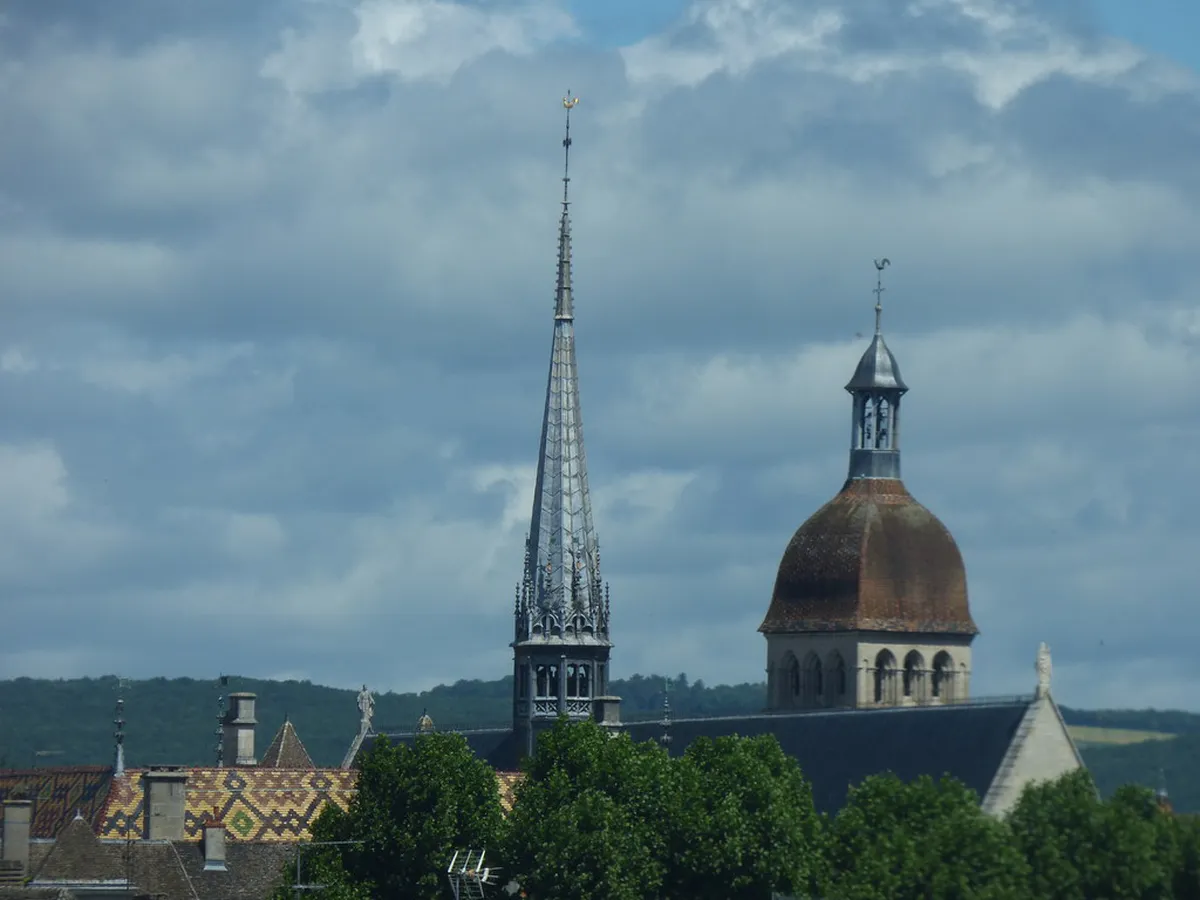
The most striking feature of the courtyard remains its vibrant and colorful glazed tile roofs. These multi-colored tiles create complex geometric shapes that catch the bright sunlight throughout the entire day. You will see deep shades of red, gold, green, and black across the entire roof surface. This style became a symbol of wealth and prestige for the Burgundy region in the fifteenth century.
Craftsmen glazed each individual tile with lead and mineral pigments to create a glass-like and durable finish. This technique protected the tiles from the harsh weather while keeping the colors bright for many decades. The geometric patterns represent a blend of local folk art and sophisticated high-status Gothic design principles. Many other buildings in the region later copied this look to show their connection to the Dukes.
Maintaining these roofs requires specialized knowledge and traditional materials to preserve the authentic medieval appearance today. Modern restorers carefully replace broken tiles with new ones that match the original colors and historical textures. This ongoing effort ensures that the hospital retains its famous silhouette against the sky for future visitors. You can see the precision of the tile placement from the galleries that overlook the main courtyard.
The tiles do not just provide beauty but also offer a layer of protection for the rooms underneath. They are heavy and thick which helps to insulate the building during the cold Burgundy winter months. Each pattern tells a story of the region's artistic evolution and its connection to Northern European styles. No trip to Beaune is complete without spending time admiring these world-famous and colorful geometric roofs.
Gothic and Flemish Elements in the Courtyard
The courtyard design reflects a perfect harmony between Northern Gothic architecture and the detailed Flemish style. This influence is most visible in the steep roof pitches and the delicate carvings on the galleries. The architects focused on creating a space that felt both monumental and intimate for the hospital patients. Large windows allow natural light to flood into the wards while maintaining a sense of privacy inside.
Gothic arches support the upper levels and provide a strong structural foundation for the heavy wooden galleries. These arches feature clean lines and simple decorations that emphasize the vertical height of the entire building. The use of local limestone gives the courtyard a soft and warm appearance during the late afternoon. This material choice highlights the connection between the building and the physical landscape of the Burgundy region.
You will notice intricate wood carvings on the pillars that represent religious figures and various scenes from nature. These details served to educate the patients and provide them with spiritual comfort during their recovery process. The Flemish influence is particularly strong in the realistic portrayal of the faces and the flowing clothing. Every corner of the courtyard contains a small piece of art that rewards careful and patient observation.
The tall dormer windows on the roof are another classic element of the Northern European architectural style. Each window features a decorative spire and small lead statues that protect the building from any evil spirits. These elements create a rhythmic pattern along the roofline that draws the eye upward toward the sky. This design philosophy aimed to connect the earthly hospital with the heavenly realm of divine healing power.
Practical Features of the Medieval Hospital Layout
Architects designed the courtyard to manage large groups of people during busy periods of intense medical care. The wide walkways allowed for the easy transport of heavy beds and medical supplies between different rooms. This functional layout ensured that the hospital remained efficient while providing a beautiful environment for healing. You can still see the logical flow of movement as you walk through the various galleries today.
The central courtyard also served as a place for patients to enjoy fresh air and warm sunlight. Doctors during the Middle Ages believed that good ventilation was essential for curing many different types of diseases. The open design allowed air to circulate freely through the large doors and into the patient wards. This focus on hygiene was quite advanced for the fifteenth century and saved many lives over time.
A large stone well sits in the center of the courtyard to provide clean water for everyone. This well was a vital resource for cleaning the wards and preparing medicine for the sick people. It also acted as a social gathering point for the nuns who worked at the hospital daily. The well's decorative ironwork reflects the same high level of craftsmanship seen on the rest of the building.
Large stone doorways lead from the courtyard directly into the famous Great Hall of the Poor today. This direct access made it easy to move patients from the outdoors back into their warm beds. The courtyard acted as a transition zone between the public world and the private space of the hospital. Every part of the design had a practical purpose that supported the primary mission of providing care.
Photography Tips for Beaune Hospital Courtyard Design
Capturing the perfect photo of the Beaune hospital courtyard design requires careful planning and the right timing. You should arrive early in the morning to avoid the largest crowds of tourists during the summer months. The soft morning light highlights the textures of the stone and the vibrant colors of the roof. Wide-angle lenses are very helpful for capturing the full scale of the grand and beautiful courtyard space.
Try shooting from the upper galleries to get a unique perspective on the famous geometric roof patterns. This elevated view allows you to see the complexity of the tile work and the courtyard's symmetrical layout. You can use the wooden pillars to frame your shots and add a sense of depth to your photos. Be sure to look for small details like the carved statues and the decorative lead work on the windows.
The courtyard looks particularly beautiful during the golden hour just before the sun sets in the evening. During this time, the limestone walls take on a warm orange glow that contrasts with the colorful tiles. Reflections of the building in the puddles after a rain shower can also create very artistic photos. Always remember to respect other visitors and stay within the marked paths while you take your pictures.
Use a tripod if possible to ensure your images are sharp and well-composed in the low light. This will allow you to capture the fine details of the carvings and the various textures of wood. Photography enthusiasts will find endless inspiration in the unique geometry and historical charm of this Burgundy landmark. Your photos will serve as a wonderful memory of your visit to this incredible piece of French history.
Frequently Asked Questions
What makes the Beaune hospital courtyard design unique?
The design is unique because it combines colorful glazed tiles with a functional medieval hospital layout for patients. This mixture of Flemish art and French Gothic structure creates a visual style found nowhere else in the world.
Can you visit the courtyard inside the Hospices de Beaune?
Yes, you can visit the courtyard by purchasing a ticket to the museum located in the historic center. You should check the official website for current visiting hours and ticket prices before you go.
Why are the roof tiles so colorful in Burgundy?
The colorful tiles were a sign of wealth and status for the powerful Dukes of Burgundy in the past. They used lead glazes to create bright patterns that could withstand the weather and show off their great riches.
The Beaune hospital courtyard design remains an essential stop for anyone traveling through the famous Burgundy region. Its unique blend of color and Gothic structure provides a perfect window into the rich medieval French past. Plan your trip to this historic landmark to experience one of the most beautiful courtyards in all of Europe. We hope this visual guide helps you appreciate the incredible history of this world-famous French charity hospital.
Key Takeaways
- Arrive early to photograph the vibrant glazed tile roofs in the best morning light.
- Explore the upper galleries to see the Flemish-inspired wood carvings and the courtyard symmetry.
- Check the official website for current ticket prices and visiting hours before your arrival.
Related reads: architecturebycity.com, architecture in beaune, salle des povres interior architecture.