
Capture the Besançon Skyline from the Doubs River
Capture the Besançon skyline from the Doubs river in 2025. Discover top photography spots and expert tips for amazing architectural shots in France today. Explore!
On this page
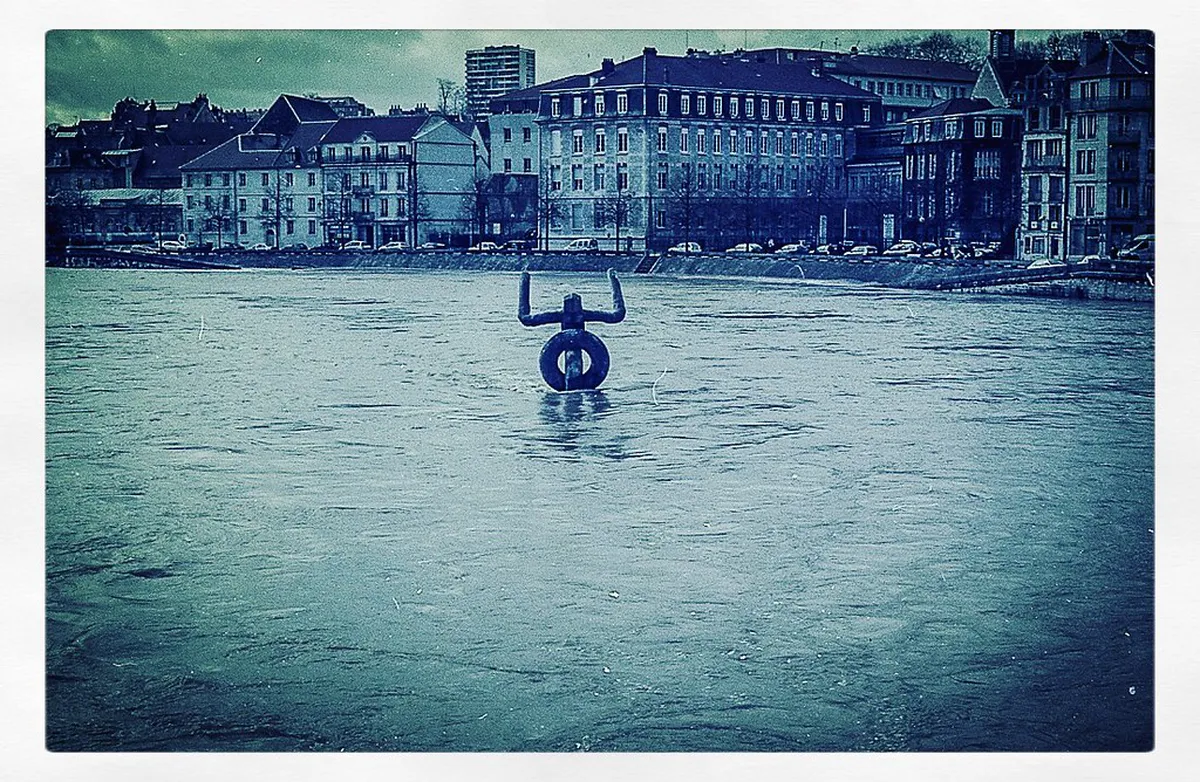
Besançon offers a stunning visual experience for every traveler visiting eastern France in 2025. You will find the best Besançon skyline from the Doubs river along its winding banks. The river wraps around the historic old town in a unique and beautiful horseshoe shape. This geographical feature provides many angles for capturing the city’s impressive stone buildings.
The city of Besançon is located in the beautiful Franche-Comté region of eastern France. Many travelers come here to see the incredible architecture that lines the Doubs river. You can easily walk around the entire city loop in just a few short hours. This makes it a perfect destination for photographers who want to capture several different views.
First, you should plan your walking route to include the most famous riverside viewpoints. Most visitors start their journey near the city center to see the famous stone bridges. You will notice how the local limestone glows with a warm color in the sun. This material is what gives the skyline its distinctive and historic look from the water.
Exploring the river banks is one of the best architectural photography spots in Besançon this year. You will discover many quiet spots where you can set up your camera for long exposures. The combination of nature and man-made structures creates a truly unique and peaceful atmosphere. Prepare your gear to capture the elegant spirit of this hidden French gem.
Best Spots for the Besançon Skyline from the Doubs River
The Doubs river creates a natural frame for the city’s impressive and ancient architectural heritage. You can walk along the paved quays to see the historic buildings reflecting in the water. This natural loop provides a wide variety of angles for your professional or hobbyist photography. Many people prefer the view from the western side of the river during the afternoon.
The Quai Vauban is perhaps the most famous architectural sight along the entire Doubs river. These majestic 17th-century buildings were designed to protect the city while showing its great wealth. Their uniform facades create a powerful and rhythmic composition for your wide-angle photography shots. You can capture their perfect reflections in the calm water of the river during dawn.
To reach these spots, you should walk toward the Pont Battant area from the center. The paths are well-maintained and offer plenty of space for setting up a sturdy tripod. You will find that the stone walls look different depending on the current cloud cover. On a clear day, the blue sky provides a brilliant contrast to the grey stone.
Another excellent spot is located near the Cité des Arts on the eastern bank. This modern building provides a contemporary foreground for the older sections of the city skyline. You can experiment with different focal lengths to compress the layers of the urban landscape. This area is usually less crowded during the early hours of the weekday morning.
Finally, do not forget to look for smaller details along the edge of the river. The ancient water gates and stone stairs add a sense of history to your wider shots. These elements tell the story of how the city has interacted with the water for centuries. Taking time to explore the small details will make your photography collection much richer.
Iconic Perspectives from the Historic Pont Battant
The Pont Battant serves as a central point for capturing the architectural essence of the city. From this historic bridge, the skyline opens up to reveal layers of beautiful stone and slate. You can see the houses of the Battant district architectural walk rising steeply from the water. The contrast between the blue river and the grey limestone creates a classic French aesthetic.
Photographers should visit this bridge during the late afternoon to catch the best lighting conditions. The sun hits the facades of the old town directly and brings out the fine details. You can use the bridge railings to help stabilize your camera for a sharp image. Many locals cross this bridge every day, which adds a nice human element to photos.
Looking south from the bridge, you will see the towers of the local churches rising up. The Sainte-Madeleine church is a particularly impressive landmark that stands out against the low horizon line. Its twin towers provide a strong vertical element that balances the horizontal flow of the river. This view is essential for anyone wanting to capture the true spirit of Besançon.
During the summer of 2025, the area around the bridge will host several local festivals. These events bring colorful decorations and more people to the river banks for your candid shots. You might find that the extra activity provides a lively and modern context for history. Be sure to check the local calendar before you arrive for your photography trip.
Framing the Vauban Fortifications from Below
High above the river, the massive stone walls of the famous Citadel dominate the skyline. These Vauban fortifications in Besançon are recognized as a UNESCO World Heritage site for their design. You should use the river as a leading line to draw the eye toward these heights. The scale of the military architecture becomes even more impressive when viewed from below.
Walking further along the river towards the south will reveal the most dramatic views of the walls. The fortifications seem to grow directly out of the steep rock cliffs above the Doubs river. This creates a powerful visual connection between the natural landscape and the human engineering efforts. It is a favorite spot for professional photographers who enjoy capturing grand and epic scenes.
The cost of accessing the river quays is completely free for all visitors in 2025. You can spend several hours walking the perimeter of the city without spending any money. This makes it an affordable way to see the best sights while getting some gentle exercise. Bring a bottle of water and wear comfortable shoes for the long paved walks.
In the evening, the walls of the Citadel are often illuminated with warm and soft floodlights. This creates a magical glow that reflects beautifully on the surface of the moving river water. You will need a long exposure of about ten seconds to capture this light correctly. The result is a dreamy and artistic representation of the historic French defense system.
Photography Tips for the Riverside Quays
Successful photography along the Doubs requires careful planning and a good eye for natural light. You should visit during the blue hour to capture the city lights glowing against the water. A tripod is essential for these long exposures to ensure that your images remain sharp. Try to include a passing river boat to add a sense of life.
The reflection of the stone buildings in the water is a key part of the composition. If the water is calm, you can create a perfect mirror image of the city skyline. Wait for a moment when no boats are passing to get the smoothest possible water surface. This technique works best in the early morning before the daily breeze picks up.
Composition is very important when you are shooting from the low angle of the river quays. Try to find a foreground element like a stone bench or a flowering plant to add depth. This will help the viewer feel like they are standing right there on the river bank. Leading lines like the river wall can also guide the eye through the frame.
You should also pay attention to the colors of the buildings at different times of day. The local stone can appear cool and grey or warm and golden depending on the sun. Polarizing filters can help reduce the glare from the water and make the colors more saturated. Experiment with different filter settings to see which one works best for your specific style.
Seasonal Changes in the City Skyline
Each season brings a different mood to the skyline of this historic and charming French city. Spring offers lush green trees that frame the stone buildings with fresh and vibrant colors. Autumn provides a golden backdrop as the leaves turn yellow and orange along the river banks. In winter, the morning mist often rises from the Doubs to create mystery.
Summer is the most popular time for visitors, but it can also be the most crowded. You should aim to shoot very early in the morning to avoid the tourist groups. The light stays harsh for most of the day, so focus on the golden hours. Many outdoor cafes open up along the river during these warmer months of the year.
Winter photography in Besançon can be quite rewarding if you are prepared for the cold weather. The bare trees allow for a clearer view of the stone architecture and the city walls. Snow is not very common but it can happen in January or February for unique shots. The city looks very peaceful when a thin layer of frost covers the old quays.
Fall is many photographers' favorite season because of the soft and gentle light that lasts all day. The changing colors of the forest on the hills provide a beautiful contrast to the limestone. You will find that the river current is often slower during the autumn months of the year. This creates the best conditions for capturing those perfect and still water reflections.
Frequently Asked Questions
Where is the best view of the Besançon skyline from the Doubs river?
The best view of the skyline is found at the Pont Battant bridge in the center. From here, you can see the historic Quai Vauban and the Citadel on the hill. It provides a wide and classic perspective of the city's unique limestone architecture in 2025. This spot is free and easy to access for all visitors and photographers.
What time of day is best for photographing the city from the water?
Sunrise and sunset are the best times to photograph the city from the Doubs river banks. The low sun creates long shadows and a warm glow on the ancient stone buildings. Blue hour is also fantastic for capturing the city lights reflecting in the calm river water. Plan to arrive thirty minutes early to find your favorite composition.
Can you take a boat tour to see the architecture of Besançon?
Yes, several boat companies offer tours around the river loop during the spring and summer seasons. These tours provide a unique low-angle perspective of the fortifications and the historic city center. Most tours last about one hour and include a passage through the famous canal tunnel. It is a great way to see the skyline without much walking.
Are the riverside quays in Besançon accessible for photography in 2025?
The riverside quays are fully accessible and open to the public throughout the entire year of 2025. They are mostly flat and paved, which makes them very easy to walk with heavy camera gear. You will find many benches and spots to stop and enjoy the view as you work. The paths are well-lit and safe for photography during the early evening hours.
Besançon is a hidden treasure for architectural photographers looking for a unique French experience in 2025. The skyline from the Doubs river offers endless opportunities for creative and high-quality photography shots. You will enjoy the blend of military history and elegant urban design as you walk the quays. This city provides a peaceful and beautiful setting for capturing the spirit of Franche-Comté.
Key Takeaways
- Visit the Pont Battant for the most iconic and central view of the city.
- Use the early morning hours to capture perfect reflections in the calm river water.
- Photograph the Quai Vauban to see the uniform beauty of 17th-century French architecture.
- Bring a tripod for the blue hour to capture the glowing lights of the skyline.
Related reads: architecturebycity.com, architecture in besancon, besancon hidden courtyards photography.