
Pont Battant History and Engineering in Besançon
Learn about the Pont Battant history and engineering in Besançon. Discover this iconic French bridge on your next architectural walking tour. Visit today!
On this page
Pont Battant stands as a vital gateway in the heart of Besançon. Exploring the Pont Battant history and engineering reveals centuries of fascinating urban development. This bridge connects the historic city loop with the charming Battant district nearby. It remains a focal point for every local traveler in 2025.
The current structure serves as a modern link between two distinct architectural worlds. You can see the river Doubs flowing calmly beneath its elegant white arch. Thousands of residents cross this path every single day to reach work. It provides the best starting point for a Battant district architectural walk through old streets.
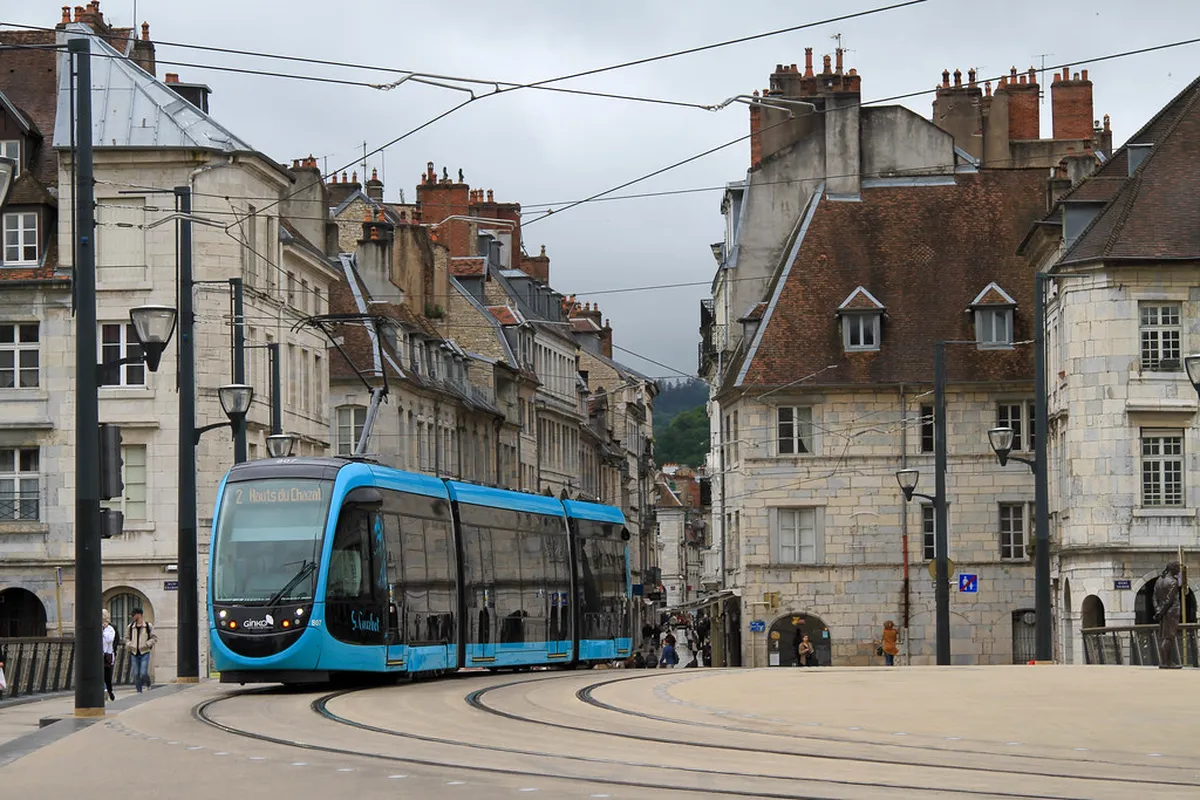
Visitors often admire the clean lines of the contemporary design from the banks. The bridge manages to look futuristic while respecting the ancient surroundings of the city. It handles heavy tram traffic along with many pedestrians and cyclists safely. Understanding this site requires looking back at its long and complex past.
This profile examines how the bridge evolved from Roman times to the present. We will look at the specific materials and designs used by modern engineers. You will learn why this crossing is essential for the identity of Besançon. Join us as we explore this remarkable piece of French infrastructure.
Ancient Origins and Pont Battant History and Engineering
The story of this crossing begins during the Roman era of Vesontio. Roman engineers recognized the strategic value of this specific river location long ago. They built a sturdy stone bridge to connect the city with northern routes. This ancient structure served as the primary entrance for travelers and merchants.
The original Roman foundations were incredibly strong and lasted for many centuries. Builders used local limestone blocks to create a lasting path across the water. These engineers understood how to manage the seasonal flooding of the Doubs River. Their work established the permanent layout of the city for future generations.
During the Middle Ages, the bridge underwent several major renovations and repairs. Heavy floods often damaged the upper parts of the historic stone structure. Local authorities worked hard to keep the connection open for the growing population. The bridge became a bustling hub for trade and local social interactions.
In 2025, you can still see the influence of these early urban planners. The bridge remains in the exact spot chosen by those ancient Roman builders. It links the modern city with the architecture in Besançon found in old quarters. This historical continuity is a rare and beautiful feature of the city.
The Engineering Feats of the 2013 Reconstruction
The bridge we see today was completed and opened in late 2013. This project replaced an older concrete bridge built after the Second World War. Engineers wanted a design that felt light and did not block views. They chose a single-span arch to cross the river without any pillars.
This engineering choice helps the river flow freely during heavy rainfall seasons. It prevents debris from getting caught under the bridge during dangerous flood events. The arch uses high-performance white concrete to provide immense strength and durability. It reflects the sunlight beautifully and matches the local limestone buildings nearby.
Construction teams had to work carefully within the narrow space of the river. They used specialized cranes to position the heavy prefabricated segments into place. The bridge deck is designed to support the weight of modern city trams. It also includes wide paths for people to walk and enjoy the scenery.
The project cost approximately 7.5 million euros to complete from start to finish. This investment improved the public transport network across the entire city of Besançon. It demonstrates how modern technology can solve old problems in sensitive historic areas. The result is a bridge that looks both elegant and very powerful.
Architectural Significance and Visual Design
Architect Jean-François Lagneau designed the current bridge to be very visually appealing. He focused on making the structure feel like a natural part of the landscape. The white color creates a striking contrast with the blue water below. It highlights the surrounding greenery and the grey stone of the older houses.
The bridge features minimalist railings that do not obstruct the view of the Citadelle. You can see the Vauban fortifications in Besançon clearly from the center of the span. This design choice invites people to stop and look at their city. It turns a simple transit point into a beautiful public viewing platform.
The integration of the tramway tracks was a major design challenge for the team. They needed to ensure the vibrations did not damage the historic stone banks. Specialized rubber mats were installed under the tracks to absorb the movement. This keeps the crossing quiet and comfortable for all the nearby residents.
Lighting plays a key role in the bridge's appearance during the night hours. Soft LED lights illuminate the arch and the pedestrian walkways after the sun sets. It creates a safe and magical atmosphere for evening strolls across the river. The bridge becomes a glowing sculpture in the heart of the city.
Practical Details for Your 2025 Visit
Visiting Pont Battant is very easy because it is located in the city center. Most people arrive here by taking the local tram lines 1 or 2. The bridge is always open and free for everyone to cross and explore. You should plan to spend about twenty minutes admiring the river views.
The area around the bridge is perfect for taking beautiful travel photographs. You can stand on the Quai Vauban to get the best angle of the arch. Early morning light provides a soft glow on the white concrete surfaces. It is a favorite spot for both professional and amateur photographers today.
There are many small cafes and bakeries located on the Battant side. You can buy a fresh pastry and enjoy it while watching the trams pass. The atmosphere is very lively during the day but quiet in the evenings. It is a great place to start your morning in the city.
The bridge is also fully accessible for travelers using wheelchairs or pushing strollers. The surfaces are flat and the transitions to the streets are very smooth. It serves as a model for inclusive urban design in a historic French city. Make sure to include this site on your walking tour itinerary.
Frequently Asked Questions
What is the history of Pont Battant in Besançon?
The bridge has roots going back to the Roman era of the city. It has been rebuilt many times after floods and wars over the centuries. The current modern version was finally completed in 2013 to support trams.
How long is the Pont Battant bridge structure?
The bridge spans approximately 60 meters across the Doubs River in one arch. It was designed to cross the water without any central supports in the river. This allows for better water flow during the high flood seasons.
Is Pont Battant open to cars and pedestrians?
The bridge is primarily used by the city tram system and many pedestrians. Limited car traffic is allowed but priority is given to public transport and walkers. It features very wide sidewalks for a safe and comfortable walking experience.
Pont Battant is more than just a simple crossing over the Doubs River. It represents the perfect blend of Pont Battant history and engineering in modern France. The bridge connects the past with the future through its innovative and clean design. It remains an essential part of any architectural visit to Besançon in 2025.
Key Takeaways
- The bridge has Roman origins dating back thousands of years.
- The current structure was built in 2013 using white concrete.
- It features a single-span arch that helps prevent river flooding.
- The bridge is a major hub for the Besançon tram system.
Related reads: architecturebycity.com, medieval wine growers houses besancon.