
Caserne Niel Renovation History: Bordeaux Guide
Learn about the Caserne Niel renovation history in Bordeaux. Discover how this base became a green hub. Read our 2025 guide now!
On this page
The Caserne Niel renovation history highlights a stunning transformation within the heart of the Bastide district in Bordeaux. This 19th-century military barracks once stood as a symbol of French army power on the city's right bank. Today, it represents a pioneering model for sustainable development and creative urban reuse throughout the modern region.
Visitors to Bordeaux in 2025 will find a thriving community space known as the Darwin Ecosystem. This site successfully blends industrial heritage with ecological innovation and diverse social activities for all local residents. Understanding this transition provides deep insight into how old structures can gain a purposeful second life today.
The Military Origins of Caserne Niel
The history of Caserne Niel begins in 1874 during a period of significant military expansion across France. Architects designed the complex to house infantry troops and store essential supplies for the regional army units. These large stone buildings featured classic military symmetry and durable materials meant to last for many centuries.
For over one hundred years, the barracks functioned as a vital center for national defense and logistics. Thousands of soldiers lived within these walls while performing their daily duties for the French military services. The site remained a restricted zone, separated from the civilian life of the growing Bastide neighborhood nearby.
The architectural style reflected the utilitarian needs of the late 19th century through sturdy masonry and wide courtyards. High ceilings and large windows allowed for natural light to fill the communal sleeping quarters and administrative offices. These robust structural elements eventually became the perfect foundation for future adaptive reuse projects in Bordeaux later.
By the late 20th century, the operational needs of the French army began to change significantly. Strategic shifts led to the gradual decommissioning of many urban military bases across the entire country of France. Caserne Niel finally closed its heavy gates in 2005, leaving a massive empty void in the city.
Abandonment and the Birth of Darwin
Following the military departure, the site faced several years of total neglect and uncertain future planning. Nature began to reclaim the courtyards as wild grass grew between the cracks of the old stone paths. However, this period of abandonment also invited a new wave of creative energy from local street artists.
Graffiti writers and skaters saw the empty hangars as a perfect playground for their unique cultural expressions. This spontaneous use of the space demonstrated the potential for a non-traditional community center in the district. The raw beauty of the industrial heritage of Bordeaux right bank started to attract visionary urban developers.
In 2008, the Evolution group led by Philippe Barre proposed a revolutionary plan for the decaying military site. They envisioned a place where business, culture, and ecology could coexist within the existing historical architecture. This bold vision eventually led to the creation of the famous Darwin Ecosystem we see standing today.
The transition was not easy and required many years of negotiation with city officials and local community groups. Developers wanted to preserve the original soul of the barracks while introducing modern sustainable technologies for daily use. This philosophy ensured that the Caserne Niel renovation history remained rooted in its unique local architectural past.
Darwin Ecosystem Bordeaux Architecture Today
The current Darwin Ecosystem Bordeaux architecture emphasizes the beauty of intentional imperfection and raw material reuse. Renovators chose to keep the original stone facades while adding modern steel and glass elements for better function. This contrast between old and new creates a visually striking environment that attracts thousands of visitors annually.
Inside the renovated buildings, you will find open-plan offices, a large organic grocery store, and vibrant indoor skateparks. The design prioritizes natural ventilation and recycled materials to reduce the overall environmental footprint of the entire complex. Every room tells a story through exposed brickwork and original structural beams left visible for all to see.
The Magasin Général serves as the focal point of social life within the newly renovated barracks complex. This massive hall houses one of the largest organic restaurants in France under a historic industrial roof structure. It demonstrates how massive military spaces can become welcoming communal areas for dining, working, and relaxing together.
Solar panels and rainwater harvesting systems are integrated seamlessly into the historic layout of the former army base. These green technologies allow the site to operate with high efficiency while respecting the 19th-century building envelopes. This balance of heritage and innovation makes it a leading example of modern architectural philosophy in Europe.
Key Milestones in the Renovation Process
The physical renovation of Caserne Niel occurred in several distinct phases to manage the massive scale of work. Early efforts focused on stabilizing the most damaged roofs and cleaning the extensive masonry of the main buildings. Workers removed hazardous materials left behind from the military era to ensure the safety of future site occupants.
By 2012, the first set of creative businesses moved into the northern wing of the historic barracks complex. This initial success proved that the hybrid model of commerce and culture could actually work in this location. More funding followed as the project gained national recognition for its innovative approach to heritage preservation.
A significant milestone was the completion of the skatepark within a former military storage hangar in late 2014. This facility became a symbol of the site's commitment to youth culture and active public participation in 2025. It helped solidify the reputation of Darwin as a truly inclusive space for all types of people.
Ongoing projects continue to expand the usable space while maintaining the strict ecological standards set during the beginning. New workshops and art studios are frequently added to the mix of available facilities on the right bank. Each new phase of work respects the Caserne Niel renovation history by utilizing sustainable building techniques always.
The Role of Street Art in the Renovation
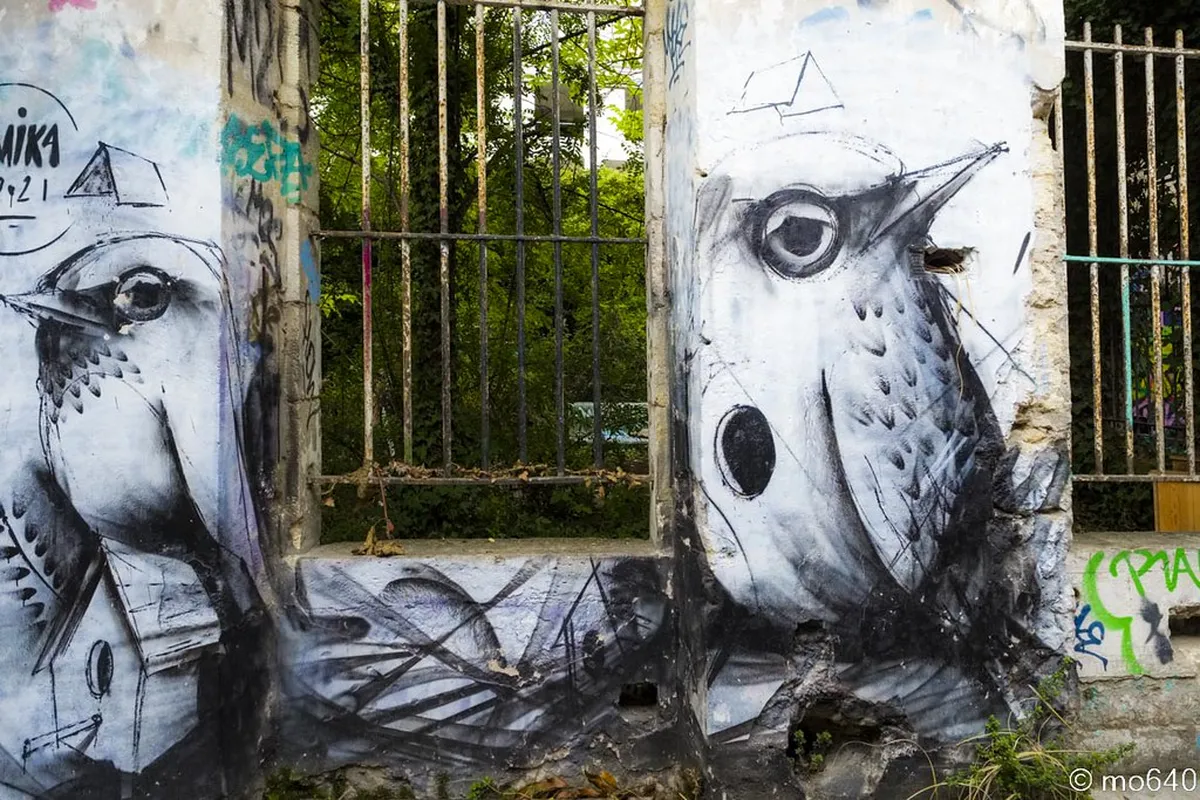
Street art played a crucial role in the Caserne Niel renovation history from the very first empty day. Local artists transformed the grey concrete walls into vibrant galleries that attracted curious residents from across the river. These murals provided a temporary life to the site while permanent development plans were still being finalized.
The developers decided to preserve many of these original artworks during the formal construction phases of the project. You can still see giant colorful murals standing next to carefully restored 19th-century stone window frames today. This decision helped maintain the edgy, creative atmosphere that makes the Darwin Ecosystem so unique for visitors.
Artistic expression continues to be a core pillar of the site's identity through regular exhibitions and workshops. New artists are invited to add their voices to the evolving walls of the complex on a regular basis. This living gallery ensures that the history of the site remains dynamic and connected to current urban culture.
Walking through the courtyards today feels like exploring an open-air museum dedicated to modern street culture. Every corner offers a new visual surprise that contrasts beautifully with the rigid lines of the old barracks. This artistic layer is essential for understanding why this renovation is so beloved by the local community.
Practical Tips for Visiting Caserne Niel in 2025
Visiting the Caserne Niel site in 2025 is a must for anyone interested in modern French urban design. The complex is located at 87 Quai des Queyries, which is easily accessible by public tram or bicycle. There is no entrance fee to walk through the main courtyards and enjoy the open public spaces today.
Budget around 15 to 25 Euros for a delicious organic lunch at the popular Magasin Général restaurant. The site is open daily from morning until late evening, making it perfect for any travel schedule. Weekend visits often feature local markets where you can buy unique handmade goods from local Bordeaux craftspeople.
Be sure to wear comfortable walking shoes as the site covers a large area with varied ground surfaces. Many visitors spend at least two or three hours exploring the different buildings and watching the skaters practice. Don't forget your camera to capture the incredible contrast between the historic military stone and modern street art.
Check the official Darwin calendar online for any special festivals or evening concerts during your visit to Bordeaux. These events often showcase the best of local music and provide a great atmosphere for meeting other travelers. Visiting during a busy event truly highlights the successful social impact of the Caserne Niel renovation history.
Frequently Asked Questions
When was Caserne Niel originally built in Bordeaux?
The construction of Caserne Niel took place in 1874 to serve the French infantry and military logistics needs. It remained an active military base for over 130 years before closing its gates in 2005. The robust 19th-century architecture provided the perfect framework for the sustainable renovation projects that followed.
What can visitors do at the Darwin Ecosystem today?
Visitors can explore large organic restaurants, browse eco-friendly shops, or watch athletes at the indoor skatepark. The site also hosts a variety of art exhibitions and community workshops throughout the entire year of 2025. It is a fantastic place to experience the creative and ecological side of modern Bordeaux life.
How did the renovation focus on environmental sustainability?
The project used recycled building materials and installed extensive solar power systems on the existing historic roof structures. Rainwater harvesting and natural ventilation techniques were also integrated to minimize the environmental impact of the new hub. These features make it a leading example of green urban development in contemporary France.
Is the Caserne Niel site free to enter for the public?
Yes, the main courtyards and public areas of the Darwin Ecosystem are free for everyone to visit. You only need to pay for specific services like food at the restaurant or access to certain workshops. This open-access policy encourages a diverse mix of people to enjoy the historic space every single day.
The Caserne Niel renovation history is a powerful testament to the value of preserving our shared urban heritage. By transforming a military base into a sustainable ecosystem, Bordeaux has created a vibrant blueprint for cities worldwide. Visit this remarkable site in 2025 to experience the perfect blend of history, culture, and environmental innovation.
Key Takeaways
- Originally built in 1874 as a French infantry barracks on the right bank.
- Renovation began in 2008 to create the sustainable Darwin Ecosystem community hub.
- The project successfully preserves 19th-century stone architecture while using green technology.
Related reads: architecturebycity.com, architecture in bordeaux, bordeaux neoclassical architecture.