
Darwin Ecosystem Bordeaux Architecture Guide
Discover Darwin Ecosystem Bordeaux architecture. Learn about Caserne Niel's adaptive reuse and green urban design in 2025. Plan your visit to this hub today!
On this page
Darwin Ecosystem Bordeaux architecture represents a major shift in how urban planners view abandoned spaces in 2025. This vibrant site successfully combines old military buildings with innovative green technology and modern social spaces. Visitors can see historical stone walls standing next to sleek solar panels and recycled wood structures. It serves as a living example of how cities can grow without losing their unique historical identity.
The Darwin Ecosystem sits on the Right Bank of the Garonne River in the Bastide district. This former military base is now a prime example of sustainable design for the future. It blends industrial heritage with modern climate goals to create a functional community hub. Many people visit the site to study its unique approach to urban ecology and social innovation.
The History of Caserne Niel Barracks
The site was originally known as the Caserne Niel, a massive military complex built in the 19th century. These barracks housed hundreds of soldiers and stored vast amounts of equipment for many decades. The architecture featured high ceilings, thick limestone walls, and large open courtyards for military drills. You can still see the original masonry that defined this era of French military construction.
After the military left in 2005, the buildings sat empty and began to decay for several years. Squatters and street artists eventually took over the space, giving it a new and unofficial cultural life. This period of neglect actually helped preserve the core structures from being demolished by modern developers. You can read more about the Caserne Niel renovation history to understand its full transformation.
In 2010, the Darwin project began to breathe new life into these abandoned stone structures. The planners decided to keep the original facades while updating the interiors for modern office use. This decision saved thousands of tons of concrete and stone from being wasted during construction. The resulting style is a beautiful mix of rough history and polished modern utility.
Today, the site stands as a testament to the resilience of industrial buildings in a modern city. The developers focused on preserving the soul of the barracks while adding necessary structural reinforcements. Most of the original layout remains intact, allowing visitors to feel the history of the space. It is one of the most successful urban renewal projects in the entire country.
Sustainable Design and Adaptive Reuse
Sustainable design is the core philosophy behind the Darwin Ecosystem Bordeaux architecture. The project prioritizes low-energy solutions and uses bio-sourced materials for all new interior additions. Architects installed high-performance insulation made from recycled wood fibers to keep the buildings warm in winter. This approach significantly reduces the carbon footprint compared to building brand-new structures from scratch.
This site is widely recognized as one of the best adaptive reuse projects in Bordeaux today. Old warehouses now function as organic grocery stores, co-working spaces, and even a popular indoor skatepark. Each new function fits neatly into the existing spatial constraints of the old military halls. This flexibility shows how old architecture can meet the diverse needs of a modern population.
Solar panels cover many of the roofs to provide clean energy for the entire complex. The designers also implemented rainwater harvesting systems to maintain the lush green gardens found on-site. These features are often hidden from view to preserve the historical aesthetic of the limestone walls. Such innovations ensure that Darwin remains a leader in eco-friendly urban development for years to come.
Recycled materials are visible everywhere you look within the Darwin Ecosystem grounds. Old shipping containers now serve as stylish offices and small shops throughout the central courtyard. Wooden pallets have been transformed into comfortable outdoor seating and functional garden beds for local plants. This commitment to recycling defines the unique aesthetic and moral character of the entire architecture.
Industrial Heritage of the Right Bank
The Darwin Ecosystem is a key part of the industrial heritage of Bordeaux's Right Bank area. This part of the city was once dominated by factories, shipyards, and heavy military infrastructure. While the Left Bank focused on grand palaces, the Right Bank was the city's hardworking engine. Darwin honors this blue-collar history by keeping the raw and unpolished look of the buildings.
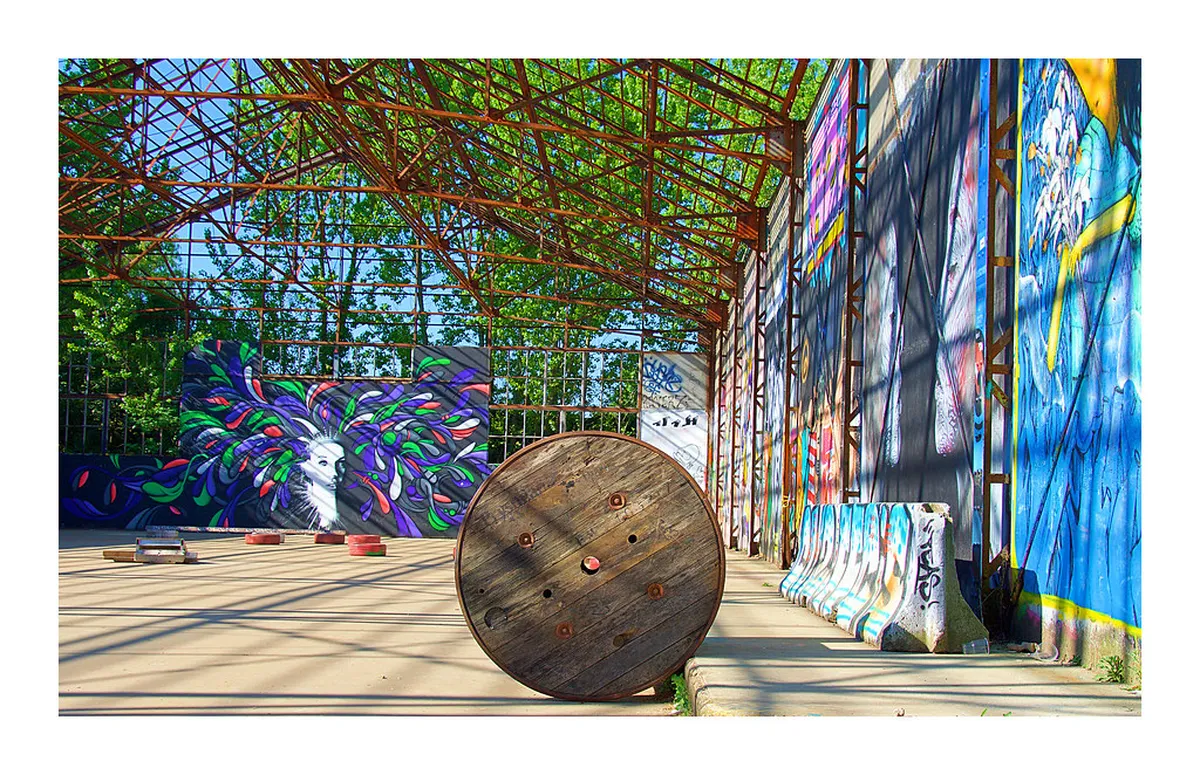
Visitors can explore the massive hangars that once sheltered military vehicles and heavy machinery. These spaces feature iron trusses and brickwork that reflect the peak of the industrial revolution. The preservation of these elements provides a sharp contrast to the nearby modern residential developments. It reminds residents and tourists of the important role industry played in shaping the city.
The architects carefully restored the steel frames that support the wide spans of the warehouse roofs. These frames allow for large, open floor plans that are perfect for collaborative work environments. By keeping the steel exposed, the designers highlight the engineering skills of the past generations. This transparency is a hallmark of the Darwin Ecosystem Bordeaux architecture style.
Walking through the site feels like a journey through different layers of urban time. You see 19th-century stone, mid-century steel, and 21st-century glass all working together in harmony. This blend creates a rich visual texture that is rare in modern urban centers. Darwin successfully bridges the gap between the city's past and its hopeful future.
Street Art and Visual Aesthetics
Street art plays a vital role in the visual identity of the Darwin Ecosystem buildings. Massive murals cover the old stone walls, turning the entire site into an open-air art gallery. These artworks change frequently, reflecting the current social and environmental concerns of the local community. The art adds a layer of color and life to the otherwise somber military stone.
The integration of graffiti into the architecture was a deliberate choice by the Darwin founders. It honors the history of the site during its years of abandonment and creative squatting. Instead of cleaning the walls, the developers encouraged artists to continue using the space as a canvas. This creates a dynamic environment where the architecture is constantly evolving through visual expression.
The contrast between classical masonry and vibrant modern art is a highlight for many visitors in 2025. It makes the site feel accessible and less formal than the city's traditional museum districts. Photography enthusiasts will find endless interesting angles where art and structure intersect in unique ways. This aesthetic choice makes Darwin a standout example of contemporary architecture in Bordeaux today.
Even the signage and furniture within Darwin reflect a creative, DIY aesthetic that fits the art. You will find hand-painted signs and custom-built structures that feel personal rather than corporate. This attention to detail ensures that the art and architecture feel like parts of one whole. The result is a space that feels deeply connected to the people who use it.
Practical Tips for Visiting Darwin in 2025
Visiting Darwin in 2025 is very easy and should be on every traveler's list. The site is located at 87 Quai des Queyries and is open every day. You can reach it by taking the tram Line A to the Stalingrad stop. From there, it is a pleasant ten-minute walk along the river toward the north.
Entrance to the general grounds and common areas of the Darwin Ecosystem is completely free. You can wander through the courtyards and admire the architecture without spending any money at all. However, you might want to bring cash for the organic bakery or the local restaurant. Prices for a meal generally range from 15 to 25 euros per person.
The best time to visit for photography is during the late afternoon sun. The warm light hits the limestone walls and makes the colorful murals truly pop. Try to visit on a weekday if you want to see the co-working spaces in action. Weekends are much busier with families and locals enjoying the skatepark and the markets.
Don't miss the chance to see the "Magasin General," which is the largest organic bistro in Europe. The architecture of this specific building is impressive for its scale and busy atmosphere. It features high wooden ceilings and long communal tables that encourage social interaction among guests. It is the perfect place to experience the Darwin lifestyle firsthand.
Frequently Asked Questions
What is the Darwin Ecosystem in Bordeaux?
The Darwin Ecosystem is a former military base turned into a green urban hub. It focuses on sustainability, social economy, and creative arts. The site features offices, shops, a skatepark, and a massive organic restaurant.
Is Darwin Ecosystem Bordeaux architecture sustainable?
Yes, the project uses adaptive reuse to minimize waste and energy consumption. It features solar panels, recycled insulation, and rainwater collection systems. The architecture prioritizes the preservation of historical materials over new construction.
Can I visit the Darwin Ecosystem for free?
Yes, the outdoor courtyards and many indoor public spaces are free to enter. You only need to pay if you buy food or use specific facilities. It is a very welcoming space for all visitors to Bordeaux.
Where is the Darwin Ecosystem located?
It is located on the Right Bank of the Garonne River in Bordeaux. The specific address is 87 Quai des Queyries in the Bastide neighborhood. It is easily accessible by tram or a short walk from the center.
The Darwin Ecosystem is a masterpiece of modern urban planning and historical preservation. It proves that we can create useful spaces while honoring the industrial past of our cities. Whether you love history, art, or green design, this site offers something truly special. Make sure to include this unique hub in your next tour of architecture in Bordeaux during 2025. You will leave with a new perspective on the future of sustainable urban living.
Key Takeaways
- Darwin Ecosystem is a prime example of successful adaptive reuse in France.
- The site preserves 19th-century military barracks while adding modern green technology.
- Street art is integrated into the architecture to maintain a vibrant cultural identity.
- The project focuses on low-carbon construction and high-performance sustainable materials.
- Visiting the site is free and provides a unique look at Bordeaux's Right Bank history.
Related reads: architecturebycity.com.