
Explore Chartrons District Wine Warehouses
Discover the history of Chartrons district wine warehouses in Bordeaux. Plan your 2025 trip with our guide to these iconic landmarks and local shops.
On this page
Bordeaux is a city of rich history and famous wine. The Chartrons district stands out as a unique neighborhood. It sits along the scenic Garonne riverfront for miles. The Chartrons district wine warehouses are the heart of this area. These massive stone buildings once stored millions of liters of wine. Today, they house modern museums and trendy boutique shops. You can feel the history as you walk these streets. This guide helps you explore the legacy of the wine trade. Discover how these structures shaped the city into a global hub.
History of the Wine Trade in Chartrons
The wine trade built the foundation of this famous area. Foreign merchants moved here during the early 1700s. They constructed vast cellars to store luxury Bordeaux wines. These traders sought proximity to the river for easy shipping. The thick limestone walls kept the wine cool during summers. You can see this legacy in Bordeaux 19th-century merchant houses today.
The neighborhood became a major hub for global wine exports. British and German traders dominated the local business scene. They shaped the architecture into what we see now. Many buildings still display the names of famous wine families. These families created vast wealth through the maritime trade routes. Their influence remains visible in the elegant façades and doorways.
By the 19th century, Chartrons was the richest district. Thousands of barrels moved through these streets every day. Workers rolled the heavy casks from warehouses to the ships. This industrial past created a unique architectural landscape in Bordeaux. You can still see the old iron rings for boats. These artifacts tell the story of a busy port city.
The wine trade eventually shifted away from the city center. Many warehouses stood empty for several decades during the 1900s. Local developers later saw the potential in these historic spaces. They began to renovate the buildings for modern urban use. This transition preserved the history while bringing new life here. Visitors in 2025 will find a vibrant cultural destination.
Architectural Features of the Warehouses
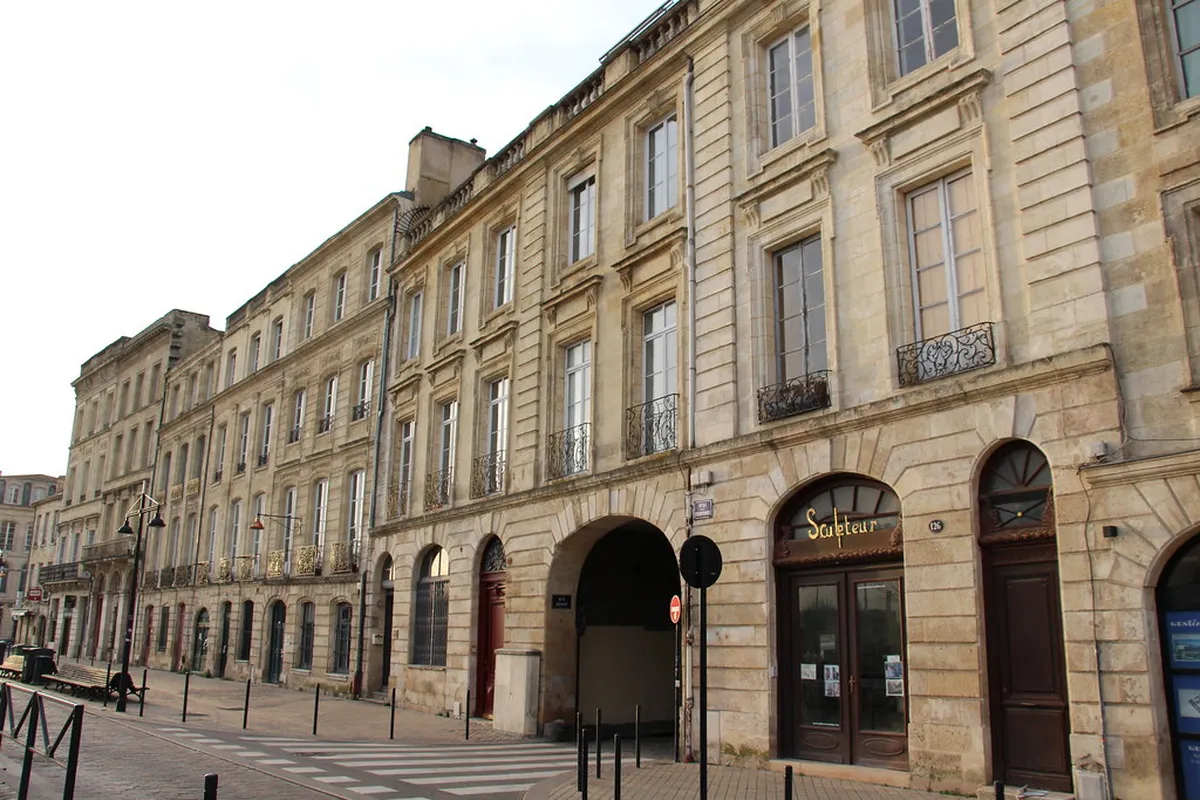
The architecture of these warehouses is truly impressive today. They feature thick stone walls and high wooden ceilings. Large arched doors allowed easy barrel movement in the past. Many buildings reflect the Bordeaux neoclassical architecture style perfectly. The façades show elegant details despite their industrial purpose. Each warehouse tells a story of local commercial success.
The interior spaces are often vast and naturally well-ventilated. Architects designed them to maintain a consistent internal temperature. This was vital for preserving the quality of aging wine. You will notice large windows that let in soft light. These features make the buildings ideal for art galleries now. The blend of stone and timber creates a warm atmosphere.
Modern renovations have preserved the original structural integrity well. Designers use glass and steel to modernize the interior spaces. This creates a beautiful contrast between old and new materials. Many rooftops now feature gardens or modern terrace bars. These additions offer great views of the Garonne river. You can enjoy a drink while admiring historic stone work.
The scale of these buildings is quite massive for Bordeaux. Some warehouses stretch across entire city blocks in the district. They stand as monuments to the scale of wine production. Walking past them feels like traveling back in time. The yellow limestone glow is typical of the local architecture. It makes the neighborhood feel bright even on cloudy days.
Exploring the CAPC Contemporary Art Museum
One iconic warehouse now houses the famous CAPC museum. This former colonial warehouse is a massive stone structure. It once stored exotic goods like coffee and sugar. The CAPC Musée d’Art Contemporain building is a must-see site. Its interior features soaring arches and vast open spaces. Entry costs around 8 euros for most adults in 2025.
The museum hosts diverse exhibitions throughout the entire year. You can explore modern art inside a historic industrial monument. It is located at 7 Rue Ferrère near the river. The juxtaposition of old stone and modern art is striking. Visitors often spend several hours exploring the different levels. The cafe on the roof offers a peaceful retreat. You can see the rooftops of Chartrons from there.
The building itself is considered a work of art. Massive timber beams support the high roof of the warehouse. The original stone floors remain in many of the galleries. This creates a unique backdrop for contemporary artistic installations. Light pours in from the high windows during the day. It is one of the best examples of reuse. The museum preserves the soul of the old warehouse.
Special events often take place within these historic walls. The museum organizes workshops and guided tours for all ages. You can learn about the history of the storage facility. They explain how the building served the wine trade. This context adds depth to the modern art on display. It is a highlight of any visit to Chartrons.
Shopping and Dining in the Warehouses
Today, many warehouses serve as trendy local shopping spots. Quai des Marques offers many designer outlet stores nearby. You can find great deals on luxury brands here. Many shops occupy the ground floor of historic wine buildings. This provides a unique shopping experience for every visitor. The prices are often lower than in the city center.
The district is also famous for its antique shops. Many are located along the beautiful Rue Notre Dame architecture tour route. Collectors find rare treasures in these old stone cellars. You can browse vintage furniture and classic French decor. The atmosphere is quiet and sophisticated in these shops. Shop owners often know the history of their buildings.
Dining in an old wine warehouse is truly unique. Restaurants offer local Bordeaux wines and fresh French cuisine. Most places open daily from 10 AM to 7 PM. You can sit among original wine racks and barrels. The menus focus on seasonal ingredients from the local region. It is a great place to try traditional dishes. Reservations are recommended for dinner on the weekend.
The riverfront also hosts several lively bars and cafes. These spots are popular with locals during the warm months. You can enjoy a glass of wine by the water. The view of the river is spectacular at sunset. Many establishments use the outdoor space for large terraces. It is the perfect place to relax after walking. The vibe is friendly and very welcoming to everyone.
Tips for Visiting Chartrons in 2025
Reach the Chartrons district easily via the local tram. Take Line B to the CAPC or Chartrons stop. A single ticket costs about 1.80 euros currently. The tram runs frequently throughout the day and evening. It is the fastest way to travel from the center. You can also rent a city bike nearby. Biking along the river is very popular and safe.
Walking is the best way to explore the alleys. Wear comfortable shoes for the cobblestone streets of Bordeaux. You can see more on Bordeaux architecture walking tours. These tours often highlight the best hidden warehouse gems. Guides explain the symbols carved into the stone walls. You will discover details that most tourists usually miss. Plan for at least three hours of walking.
Visit early on Sunday for the riverfront market. Local vendors sell oysters, cheese, and fresh regional produce. It is a perfect spot for a local brunch. You can eat fresh seafood right by the water. The market gets busy by noon with hungry locals. Arriving at 9 AM ensures the best food selection. It is a true Bordeaux cultural experience today.
Check the weather before you plan your long walk. The limestone buildings look best under a blue sky. Bring an umbrella if you visit during the spring. Many shops and museums offer shelter from the rain. The neighborhood is enjoyable in any type of weather. Winter brings festive lights to the historic stone streets. It is a magical time to explore the area.
Frequently Asked Questions
Can you tour the old wine cellars in Chartrons?
Yes, many warehouses are now open to the public. You can visit wine museums or local tasting rooms. Most tours take about one hour to complete. Many shops also allow you to see their cellars. It is a great way to see the architecture.
Where is the best view of the wine warehouses?
Walk across the Pont de Pierre for great views. The riverfront offers a panoramic look at the façades. Evening lighting makes the stone buildings glow beautifully. You can also see them from a river cruise. These cruises depart from the nearby city docks.
Is the Chartrons district safe for tourists in 2025?
The area is very safe and family-friendly for all. It is a popular residential neighborhood for local people. Police presence is common near the major tourist sites. You can walk safely during the day and evening. Always keep an eye on your personal belongings.
Are the warehouses accessible for people with disabilities?
Most renovated warehouses now include modern elevators and ramps. The CAPC museum is fully accessible for all visitors. Some smaller antique shops may have narrow stone steps. It is best to check with specific venues first. The main riverfront path is flat and paved.
The Chartrons district offers a window into the past. Its wine warehouses represent the soul of historic Bordeaux. Plan your visit today to experience this unique charm. You will find history, art, and great food here. The neighborhood continues to evolve while honoring its roots. It remains a highlight of any trip to France.
Key Takeaways
- Visit the CAPC museum for stunning warehouse architecture.
- Explore antique shops on Rue Notre Dame for treasures.
- Enjoy fresh local food at the Sunday riverfront market.
- Take the tram Line B for easy neighborhood access.
- Admire the 18th-century stone façades along the river.
Related reads: architecturebycity.com.