
Rue Notre Dame Architecture Tour: Bordeaux 2025 Guide
Book a Rue Notre Dame architecture tour in Bordeaux. Explore historic wine warehouses and merchant houses in 2025. Plan your architectural walk today!
On this page
Exploring the Rue Notre Dame architecture tour offers a unique glimpse into the rich maritime history of Bordeaux. This historic street serves as the main artery for the trendy and vibrant Chartrons district in northern France. Travelers visiting in 2025 can admire perfectly preserved limestone facades while walking along the narrow and cobblestone streets. This guide helps you navigate the best architectural sites found within this famous and ancient wine merchant neighborhood.
The Rue Notre Dame is famous for its concentration of antique shops and beautiful eighteenth-century buildings today. Each structure tells a story of the immense wealth generated by the regional wine trade during previous centuries. You will discover how the local architecture adapted to the needs of both wealthy merchants and busy industrial workers. Start your journey here to understand the fascinating urban development of this iconic and UNESCO-listed riverfront city.
History of Chartrons District Wine Warehouses
The Chartrons district served as the primary hub for the global wine trade during the eighteenth and nineteenth centuries. Wealthy merchants built massive stone structures to store precious barrels before they were shipped across the vast Atlantic ocean. These historic Chartrons district wine warehouses define the unique aesthetic of this northern Bordeaux neighborhood today. Walking through these streets feels like stepping back into a time when wine commerce ruled the entire local economy.
The architecture of these warehouses often features thick limestone walls to maintain cool temperatures for the aging wine stocks. Most buildings include large wooden doors that allowed heavy horse-drawn carriages to enter and unload their heavy wooden barrels. You can still see the original iron rings used for tethering horses along the base of many old walls. These functional details provide a direct connection to the industrial past of this now very fashionable and popular area.
During the late nineteenth century, many of these industrial spaces underwent significant renovations to include more decorative exterior elements. Merchants added ornate balconies and intricate stone carvings to reflect their growing social status and their massive financial success. This transition created a beautiful architectural blend of utilitarian storage space and elegant residential quarters for the local elite. Observe the varying heights of the roofs to see how different merchants expanded their storage capacities over several decades.
Today, many of these former wine storage facilities have been converted into modern lofts, art galleries, and boutique shops. Developers have carefully preserved the original wooden beams and exposed stone walls to maintain the historic integrity of buildings. Visiting these interior spaces during your Rue Notre Dame architecture tour provides a deeper look at historic construction techniques. The adaptive reuse of these structures shows how Bordeaux respects its heritage while embracing a very modern future.
Many residents now enjoy living in these spacious and light-filled apartments that once held thousands of liters of wine. The transformation of the riverfront has made these properties some of the most sought-after real estate in all France. You will find that the street level remains active with commerce just as it was two hundred years ago. This continuous use of the buildings ensures that the architectural legacy of the wine trade remains truly alive.
Architectural Highlights of Rue Notre Dame
The Rue Notre Dame is widely considered the most beautiful street in the entire Chartrons district for various reasons. It stretches from the city center toward the north and features a stunning array of neoclassical and baroque styles. Your Rue Notre Dame architecture tour should focus on the intricate details found on the many stone window frames. Most of these buildings were constructed using the famous golden limestone quarried from the nearby Gironde and Dordogne regions.
One of the most impressive landmarks on this street is the Church of Saint-Louis-des-Chartrons which features striking twin spires. This neo-Gothic masterpiece was built in the nineteenth century to serve the growing population of wealthy local wine merchants. The tall spires are visible from many points along the river and act as a helpful navigational landmark today. Inside the church, you will find beautiful stained glass windows that depict various religious scenes and local historical figures.
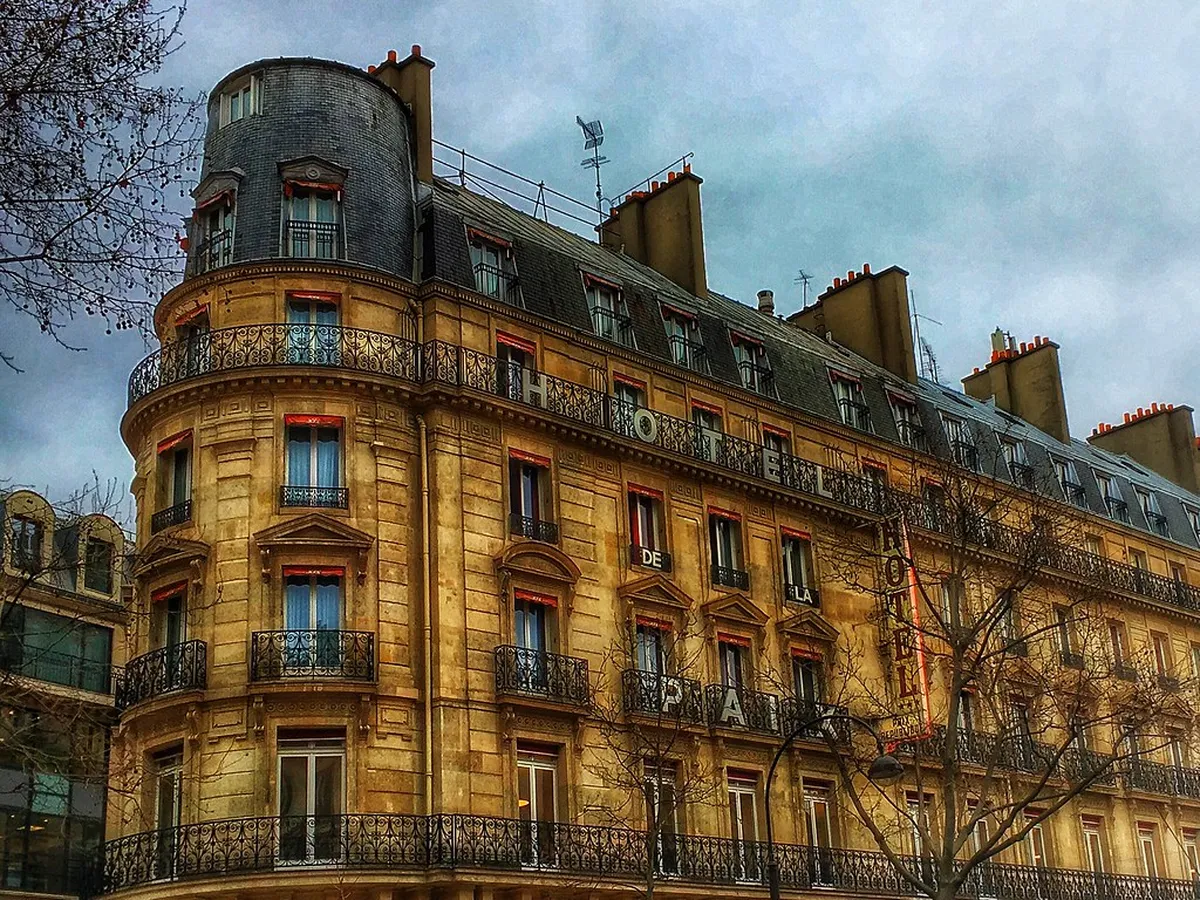
As you walk north, pay close attention to the diversity of the doorways and the ornate ironwork on balconies. The blacksmiths of Bordeaux were famous for creating complex patterns that often included grapevines and other wine-related symbols here. These iron elements were not just decorative but also served to protect the residents from the busy street traffic. You can spend hours photographing the different variations of these handcrafted metal features found on almost every single building.
The street is also home to many antique dealers who occupy the ground floors of these magnificent historic residences. These shops often have high ceilings and original stone floors that provide a perfect backdrop for displaying ancient furniture. Entering these shops allows you to see the scale of the ground floor rooms used for business and storage. It is a great way to experience the architecture from the inside without needing a private residential invitation today.
Another notable feature of the Rue Notre Dame is the consistent height of the buildings along the main thoroughfare. This creates a pleasing sense of symmetry and urban harmony that is characteristic of the great Enlightenment-era planning projects. You will notice that the top floors often feature smaller windows which were traditionally used for servant quarters long ago. This vertical social hierarchy is clearly visible in the external design of the buildings along this historic route.
Merchant Houses and Noble Facades
The wealth of the wine trade allowed for the construction of many grand and elegant private mansions along this street. These Bordeaux 19th-century merchant houses often feature hidden courtyards that are tucked away behind massive and heavy wooden doors. The facades are decorated with mascarons, which are carved stone faces that represent mythological figures or famous local citizens. These carvings were intended to ward off evil spirits and display the sophisticated taste of the wealthy property owners.
Many of these noble houses include a grand staircase located just beyond the entrance to impress arriving guests and partners. The use of marble and expensive tropical woods was common in the interiors of these high-end merchant residential properties. While most of these homes are now private, the external grandeur still provides plenty of visual interest for visitors. Look for the family crests often carved above the main entrances of the oldest and most prominent local homes.
The balconies on these houses are often supported by heavy stone brackets called consoles which feature elaborate and curly scrolls. These architectural elements demonstrate the high level of craftsmanship available to builders in Bordeaux during the eighteenth and nineteenth centuries. The use of symmetry and classical proportions reflects the influence of Italian and Greek architecture on the local French style. Each house on your Rue Notre Dame architecture tour offers a unique variation on these popular and timeless themes.
The transition between the commercial ground floor and the residential upper floors is often marked by a decorative stone ledge. This clear horizontal line helps to break up the height of the tall facades and adds to the balance. You will notice that the windows on the first floor are usually the tallest and most decorated in the building. This floor was known as the noble floor where the merchant families spent most of their time entertaining guests.
Preservation laws in Bordeaux are very strict to ensure that these facades remain in excellent condition for future generations. Owners must use specific types of lime mortar and traditional cleaning methods to protect the soft and porous yellow limestone. This commitment to heritage conservation is why the street looks so remarkably similar to its appearance in the 1800s. Walking here provides a truly authentic experience of historical European urban design that is very rare to find elsewhere.
Navigating Your Architecture Tour Itinerary
A successful Rue Notre Dame architecture tour should ideally begin at the southern end near the Cours Xavier Arnozan. This wide boulevard is home to some of the most prestigious residences in the city and sets a grand tone. From there, you can slowly walk north into the heart of the Chartrons district while stopping at various points. Make sure to wear comfortable walking shoes as the old cobblestones can be quite uneven for most casual visitors.
As you move along the street, you might want to visit the CAPC Musee d'Art Contemporain building located in a former warehouse. This massive structure was once used to store colonial goods like sugar and coffee before they were processed and sold. The interior features enormous brick arches that create a dramatic space for viewing modern art and large-scale installations. It is a perfect example of how the city has successfully repurposed its industrial heritage for modern cultural uses.
Plan to spend at least two hours exploring the main street and the many small alleys that branch off. These side streets often contain smaller houses called echoppes which were built for the workers who served the wine trade. The contrast between the grand merchant houses and these humble worker cottages provides a complete picture of local society. You will find many charming hidden gardens and small squares if you take the time to wander off-path.
The best time to take your tour is during the morning when the light hits the eastern-facing facades perfectly. This creates deep shadows that highlight the intricate stone carvings and the texture of the old weathered wooden doors. Many of the antique shops open around ten in the morning, which adds a lively atmosphere to the neighborhood. You can also find several excellent bakeries where you can grab a quick snack or a fresh coffee.
Include a stop at the Musee de l'Histoire Maritime de Bordeaux to learn more about the ships that docked nearby. This small museum is located in a historic building and offers great context for the architecture you are seeing. Understanding the shipping industry helps you realize why the buildings were designed with such large storage areas and wide doors. It completes the narrative of your Rue Notre Dame architecture tour by connecting the buildings to the river.
Modern Life in Historic Buildings
Modern life on Rue Notre Dame is a fascinating mix of old-world charm and contemporary French culture and style. You will see locals carrying fresh baguettes past buildings that have stood for more than two hundred and fifty years. The ground floors are now filled with trendy cafes, organic grocery stores, and fashionable clothing boutiques for modern shoppers. This vibrant street life ensures that the architectural monuments do not feel like cold and lifeless museum pieces today.
Many architects have successfully integrated modern glass and steel elements into the rear sections of these historic limestone storage buildings. These renovations allow for more natural light to enter the deep interiors of the formerly dark and dusty warehouses. From the street, the historic character remains untouched, but the interiors offer all the comforts of a modern home. This careful balance is a hallmark of the sophisticated urban planning found throughout the beautiful city of Bordeaux.
The Rue Notre Dame also hosts a major antiques fair twice a year that attracts collectors from across all Europe. During these events, the architecture serves as a magnificent backdrop for thousands of unique objects and rare historical artifacts. The street is closed to cars, allowing pedestrians to fully appreciate the scale and beauty of the surrounding facades. It is one of the best times to experience the energy and the historical significance of the Chartrons district.
Community gardens and green spaces have also begun to appear in the small gaps between some of the older buildings. These pockets of nature provide a nice contrast to the solid stone walls and the hard surface of the streets. Local residents take great pride in decorating their balconies with colorful flowers and green plants during the spring months. This adds a layer of warmth and life to the architectural tour that visitors find very welcoming and pleasant.
As you finish your walk, you will likely notice the high quality of life that this neighborhood offers its residents. The combination of historic beauty and modern convenience makes it a model for urban development in the twenty-first century. Your Rue Notre Dame architecture tour will leave you with a deep appreciation for the skills of past builders. It also highlights the importance of preserving these structures for the enjoyment of future generations of travelers and locals.
Frequently Asked Questions
How long does a Rue Notre Dame architecture tour take?
A comprehensive walk along the street typically takes between two and three hours to complete at a steady pace. This allows enough time to admire the facades and visit a few antique shops or local art galleries. If you stop for lunch or visit the maritime museum, you should plan for a half-day excursion.
What is the best time of day to photograph the buildings?
The best light for photography usually occurs during the early morning hours when the sun is still quite low. The golden limestone glows beautifully under the soft morning light and the shadows are not too harsh for cameras. Afternoon light can also be quite nice but the street becomes much more crowded with shoppers and tourists.
Are the wine warehouses open to the public for tours?
While many warehouses are now private residences, several have been converted into public shops, galleries, and even small museums. You can enter these commercial spaces to see the original stone walls and the massive wooden support beams inside. Some guided tours also provide access to specific historic courtyards that are normally closed to the general public.
Is the Rue Notre Dame architecture tour suitable for children?
Yes, children often enjoy looking at the interesting stone carvings and the old ironwork found along the entire street. The area is relatively safe and has many pedestrian-friendly sections where kids can walk without worrying about heavy traffic. There are also several small parks and ice cream shops nearby to keep younger travelers entertained and happy.
The Rue Notre Dame architecture tour is an essential experience for anyone visiting Bordeaux in 2025 who loves history. You will see a perfect blend of industrial heritage and elegant residential design within the historic Chartrons district today. From the massive wine warehouses to the ornate merchant mansions, every building offers a unique and fascinating story. Plan your visit soon to discover why this street remains one of the most beloved architectural treasures in France.
Key Takeaways
- Start your tour at the southern end for the best visual introduction to the historic district.
- Look for the mascarons and ironwork details that reveal the hidden stories of the wealthy merchant class.
- Visit the converted warehouses to appreciate the successful adaptive reuse of industrial spaces for modern urban living.
- Wear comfortable shoes to navigate the historic cobblestone streets that define the character of the Chartrons neighborhood.
Related reads: architecturebycity.com, architecture in bordeaux, bordeaux neoclassical architecture.