
Grand Théâtre de Bordeaux Architecture Guide
Explore the iconic Grand Théâtre de Bordeaux architecture. Learn about Victor Louis and see this Neoclassical gem in 2025. Book your visit now!
On this page
The Grand Théâtre de Bordeaux architecture stands as a premier example of French Neoclassicism. This iconic building defines the heart of the city today. Architect Victor Louis designed this masterpiece in the late 1700s. It remains a central part of Bordeaux Neoclassical architecture tours.
Visitors are often struck by its massive size and elegant proportions. The theater occupies a prominent spot in the historic center. It has served as a cultural hub for over two centuries. Modern travelers still flock to see its golden stone facade. You will find it near the bustling shops of Rue Sainte-Catherine.
This landmark is a testament to the wealth of the Enlightenment era. Its design influenced many other buildings across Europe and America. Today, it remains an active venue for opera and ballet. Witnessing a performance here is a highlight for many visitors. The theater captures the spirit of the eighteenth century perfectly.
The Visionary Architect Victor Louis
Victor Louis was the creative mind behind this grand structure. He won a competition to design the theater in 1773. His plans called for a bold and innovative building style. Louis wanted to create a temple for the performing arts. He successfully blended ancient Greek forms with French elegance.
Construction of the theater began in the year 1773. It took seven years to complete the entire project. The building was officially opened to the public in April 1780. At the time, it was the largest theater in France. People traveled from far away to see the new monument.
Louis faced many financial and technical challenges during the build. He managed to secure funding despite various local political delays. The architect used high-quality limestone from local quarries in the region. This stone gives the building its characteristic warm golden glow. It has weathered the centuries with remarkable grace and strength.
His work on this project defined Victor Louis buildings in Bordeaux for years. He went on to influence other major urban planning projects. Many consider the theater to be his finest professional achievement. The design showcases his deep understanding of classical geometry and scale. You can see his attention to detail in every stone.
Today, historians study his blueprints to understand historical construction methods. The theater remains a primary case study for architecture students worldwide. Louis created a space that was both functional and beautiful. His legacy lives on through this stunning piece of history. The building remains a focal point for the city today.
Defining Neoclassical Exterior Features
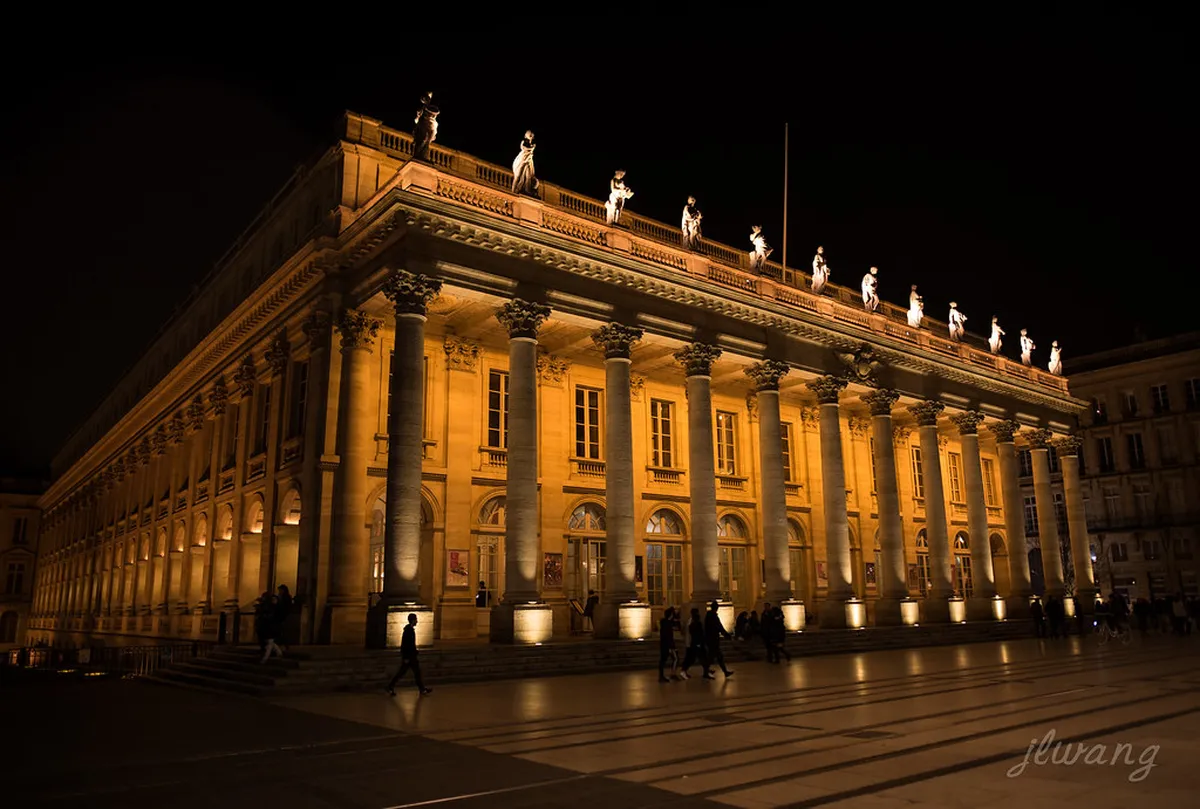
The facade is the most striking part of the theater. It features twelve massive Corinthian columns across the front porch. These columns support a large and detailed stone entablature above. Each column stands tall to create a sense of power. The design creates a deep and shaded portico area.
Atop the columns, you will find twelve beautiful stone statues. These figures represent the nine Muses and three ancient goddesses. Pierre-François Berruer was the sculptor who carved these intricate statues. They watch over the city from their high perch today. Each statue adds a layer of symbolic meaning to the site.
The building follows a strict rectangular plan and symmetrical layout. This balance is a core principle of the Neoclassical movement. The exterior walls feature elegant windows and decorative stone carvings. Every element serves to enhance the building's overall grand presence. The scale of the portico remains impressive to modern visitors.
In 2025, the exterior remains well-preserved thanks to careful restoration work. The stone was cleaned to reveal its natural brilliance years ago. Visitors can walk around the entire block to see every side. Each facade offers unique details and views for photography enthusiasts. The building glows beautifully under the city's night sky lighting.
The theater sits perfectly within the surrounding architecture in Bordeaux city center. It faces the Place de la Comédie, a major public square. This positioning makes it a natural meeting point for locals. The open space allows for great views of the entire front. It is one of the most photographed sites in France.
The Grand Staircase and Interior Design
The interior of the theater is just as impressive as the outside. Its grand staircase is a true marvel of structural engineering. Victor Louis designed it to be a dramatic social stage. Elite citizens would show off their fashion while climbing these steps. The staircase splits into two symmetrical flights of stone stairs.
This specific staircase design inspired the architect of the Paris Opera. Charles Garnier used it as a model for his famous building. The stairs are made from the same high-quality local limestone. They feel cool to the touch and look incredibly solid. Large lanterns provide a soft light throughout the entire lobby.
The lobby features high ceilings and ornate plasterwork on the walls. Gold leaf accents catch the light from the large windows. Walking through the entrance feels like stepping back into the 1780s. The space was designed to handle large crowds of theatergoers. It remains a very functional and open public space today.
Statues and busts of famous composers decorate the interior halls. You can see the names of legendary artists carved into the stone. Each hallway leads to different levels of the massive auditorium. The circulation of the building was very modern for its time. Guests find it easy to navigate the various floor levels.
Guided tours are available for those who want a closer look. These tours offer access to areas usually closed to the public. You can learn about the hidden structural secrets of the building. Tour guides explain the complex history of the interior decoration. It is a must-do activity for any architecture fan.
Auditorium Layout and Acoustic Excellence
The auditorium is a stunning display of blue, gold, and white. These were the colors of the French royalty in the past. The room features a classic horseshoe shape for better viewing. This shape helps sound travel clearly to every single seat. It creates an intimate feeling despite the large seating capacity.
The ceiling features a massive and colorful fresco by Jean-Baptiste Robin. It depicts the city of Bordeaux and its many artistic patrons. A huge crystal chandelier hangs from the center of this painting. The chandelier adds a touch of sparkle to the entire room. It is lowered for cleaning and maintenance during the off-season.
The theater can seat approximately 1,100 people for a single performance. Every seat offers a unique perspective of the grand stage. The wood used in the construction helps with the natural acoustics. Modern sound systems are rarely needed in this well-designed space. Musicians love playing here because the sound is so pure.
The stage itself is large enough for massive opera productions. It features modern technical equipment hidden behind the historical facade. This allows the theater to host contemporary shows alongside classics. The backstage area has been updated several times over the years. However, the historic charm remains the primary focus for everyone.
Attending a ballet here in 2025 is a magical experience. The atmosphere inside the room is thick with history and art. You will see locals dressed in their best formal attire. The tradition of the evening performance remains very strong in Bordeaux. It is a night you will likely never forget.
Historical Significance and Urban Context
The theater played a role in French political history as well. In 1871, it briefly housed the French National Assembly. The building served as the capital of France during a war. This history adds a layer of depth to its architectural beauty. It is more than just a place for artistic shows.
The building helped transform the urban landscape of the city. Before its construction, the area was a crowded medieval quarter. Victor Louis helped clear space for wide streets and open squares. This new design made the city feel much more modern. It set the standard for future growth in the region.
The theater is a key part of the UNESCO World Heritage site. This status protects the building from any harmful future changes. It ensures that future generations can enjoy its Neoclassical beauty. The city takes great pride in maintaining this historical treasure. Restoration projects occur regularly to keep the stone in good condition.
The building stands as a symbol of Bordeaux's golden age. During the 18th century, the city became incredibly wealthy from trade. Much of this money was spent on beautiful public architecture. The Grand Théâtre is the most famous result of this period. It represents the peak of local culture and ambition.
You can find many cafes and restaurants near the building. Sitting on a terrace offers a great view of the architecture. It is the perfect place to watch the world go by. The theater remains the beating heart of the city's social life. Its presence is felt in every corner of the square.
Planning Your Visit in 2025
Visiting the theater in 2025 is very easy for most tourists. The building is located at Place de la Comédie in the center. You can reach it easily by using the city's tram system. Tram lines B and C stop very close to the theater. It is also within walking distance of most major hotels.
Standard guided tours usually cost around 10 to 15 Euros. These tours are offered in both French and English languages. It is best to book your tickets online in advance. Tours often sell out during the busy summer travel months. Check the official website for the most current tour times.
If you want to see a show, book many months ahead. Tickets for popular operas can be difficult to find at last. Prices vary depending on the seat and the specific performance. Some student discounts are available for those with valid identification. Evening shows usually begin at 8:00 PM local French time.
The theater has a small shop selling books and souvenirs. You can buy prints of the original architectural drawings there. The shop is a great place to find unique gifts. There is also a restaurant inside the building called Le Quatrième Mur. It offers high-end dining in a truly spectacular setting.
The area around the theater is very safe for evening walks. Security is present during performance times to help the guests. Most people spend about one hour taking photos of the exterior. The lighting at sunset is particularly good for professional looking shots. Make sure to bring a camera with a wide lens.
Frequently Asked Questions
Who was the architect of the Grand Théâtre de Bordeaux?
The architect was Victor Louis, who designed it in 1773. He is famous for creating this Neoclassical masterpiece in France. His design for the staircase later influenced the Paris Opera. He is a key figure in the history of Bordeaux.
How many columns are on the front of the theater?
The front facade features twelve massive Corinthian columns. These columns support the entablature and twelve stone statues. They are a defining feature of the building's Neoclassical style. Each column is carved from local golden limestone.
Can I take a guided tour of the theater interior?
Yes, guided tours are available for visitors throughout the year. You can see the grand staircase and the beautiful auditorium. It is best to book these tours online before you arrive. Tours are offered in several languages for international guests.
The Grand Théâtre de Bordeaux architecture is a must-see for any visitor. It perfectly represents the elegance of the Neoclassical era in France. Plan your trip in 2025 to see this golden stone monument. You will surely be impressed by its scale and beauty. Explore the architecture in Bordeaux for even more historical wonders today.
Key Takeaways
- Marvel at the twelve Corinthian columns and the statues of the Muses.
- Visit the interior to see the staircase that inspired the Paris Opera.
- Book a guided tour or performance ticket well in advance for 2025.
Related reads: place de la bourse design history, bordeaux unesco world heritage site boundaries, contemporary architecture in bordeaux.