
Porte Cailhau History: A Medieval Icon in Bordeaux
Explore Porte Cailhau history in Bordeaux. Discover this iconic medieval gate with our expert 2025 guide. Plan your perfect visit to France today!
On this page
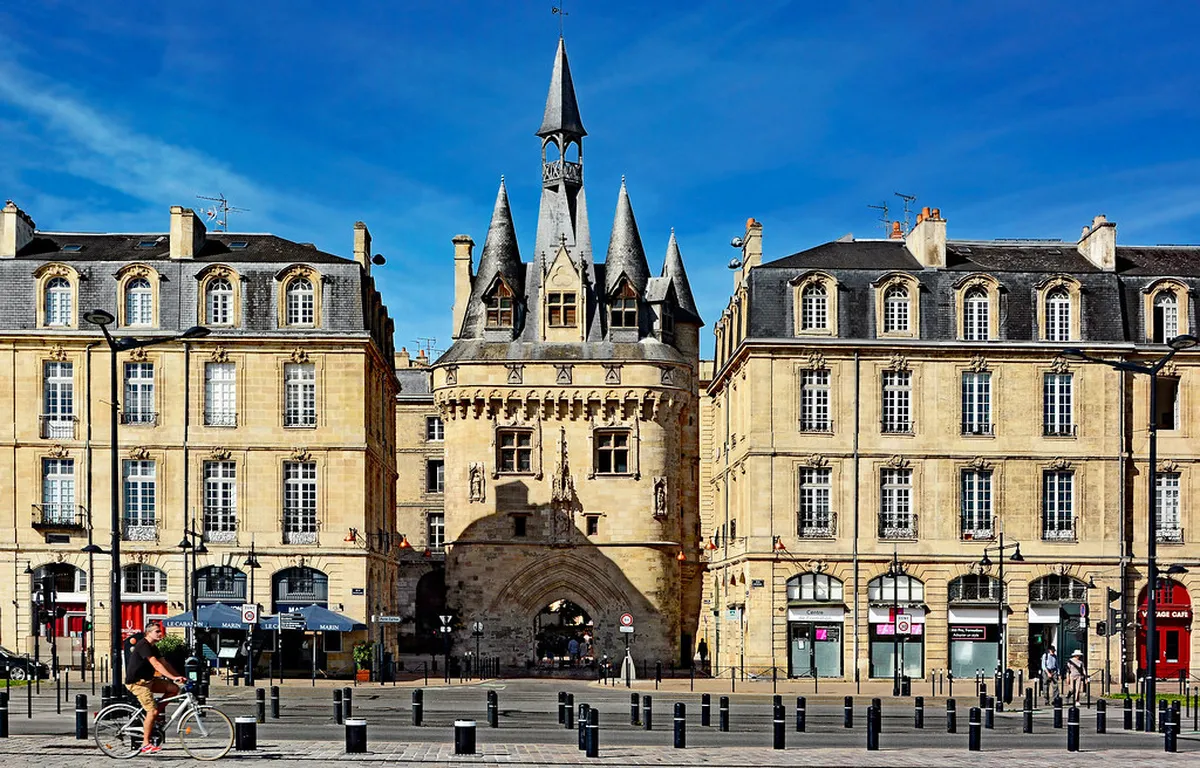
Porte Cailhau stands as a proud symbol of the rich and complex medieval past of Bordeaux. This beautiful monument offers a deep look into the fascinating Porte Cailhau history for every visitor. Built in 1494, the gate served as a grand entrance and a defensive fortress for the city. It remains one of the most significant Bordeaux medieval landmarks still standing today.
The tower reaches a height of thirty-five meters and overlooks the scenic Garonne river banks in France. It represents a time when the city was expanding its wealth and influence through international river trade. Travelers coming to Bordeaux in 2025 will find this landmark at the edge of the old town. The structure provides a perfect starting point for any historical walking tour through the narrow local streets.
This gate survived many centuries of urban change while keeping its original charm and defensive character intact. It remains a favorite spot for photographers who want to capture the unique essence of old world France. You can easily spend an hour admiring the intricate carvings that decorate the exterior of the tower. Let us explore the deep stories and architectural secrets hidden within these ancient stone walls right now.
Tracing the Porte Cailhau History and Origins
The construction of this gate was ordered to celebrate the military victory of King Charles VIII. He defeated his enemies at the Battle of Fornovo in 1495 during the famous Italian Wars. This monument served as a royal gift to the people of Bordeaux to show his great power. Builders completed the entire structure between 1493 and 1496 on the site of an older fortification.
The name of the gate likely comes from the "cailhou" or small river stones used for ballast. These stones were frequently unloaded by ships arriving at the busy port located right next to the gate. For many centuries, this entrance was the primary gateway for merchants and goods entering the city walls. It stood as a powerful reminder of the importance of the river to the local merchant economy.
During the late middle ages, the gate was part of a much larger system of defensive city walls. Most of these walls were destroyed during the eighteenth century to allow for modern urban growth and air. Fortunately, the city council decided to keep Porte Cailhau because of its great beauty and historical value. This decision allows us to study the fascinating evolution of the architecture in Bordeaux today.
The gate has played several roles over the centuries including serving as a storage facility and a prison. In the early days, guards would keep watch from the top floors to identify any approaching enemy ships. They could close the heavy wooden doors to protect the citizens from any potential threats from the river. This duality of purpose makes the site one of the most interesting stops for history lovers visiting.
Today, the monument is classified as a national historic monument and receives thousands of visitors every single year. It stands at the Place du Palais, which was once the site of the ancient ducal palace. You can still see the outline of where the palace once stood by looking at the ground. Understanding this history helps you appreciate the significant role the gate played in the daily city life.
The Unique Architecture of the Medieval Gate
The design of the gate showcases a beautiful transition between the Gothic and the early Renaissance architectural styles. You will notice the Flamboyant Gothic elements in the pointed arches and the delicate stone window carvings. The structure also features military characteristics like machicolations that were used to drop stones on invading enemy forces. These features were both functional for defense and impressive for showing off the status of the city.
Statues of King Charles VIII and Saint John the Baptist are featured in small niches on the facade. These carvings were meant to honor the religious and political leaders of the French kingdom at the time. A third statue depicts the Cardinal of Epernay, who was a key supporter of the royal building project. The level of detail in these stone figures is truly remarkable for a building of this age.
The roof of the tower consists of several conical shapes that give it a distinctive fairy tale appearance. These steep roofs are covered in dark slate tiles that contrast beautifully with the golden local limestone walls. Architects often point to this structure as a prime example of late medieval craftsmanship in western France. Every corner of the exterior tells a story through its symbolic ornaments and carefully carved stone shields.
Inside the gate, you will find several levels connected by a narrow stone spiral staircase that remains original. The rooms were designed to house the guards and store weapons needed to defend the primary city entrance. You can still see the original wooden beams and heavy stone fireplaces that kept the soldiers warm during winter. These interior details provide a rare glimpse into the daily life of a medieval soldier in Bordeaux.
The large windows on the upper floors were added later to provide more light for the interior spaces. This modification reflects the shift from a purely military building to a more decorative and ceremonial city monument. Many visitors enjoy studying these changes to see how architectural needs evolved over the past five hundred years. It remains a masterpiece of design that continues to inspire artists and architects in the modern era.
Planning Your Visit to the Tower in 2025
If you plan to visit in 2025, you should check the seasonal opening hours before your morning departure. The gate is usually open from 10 AM until 1 PM and then again in the afternoon. Tickets for adults typically cost about five euros, making it a very affordable historical experience for most travelers. You can purchase your entry tickets directly at the small reception desk located on the ground floor.
The climb to the top involves many narrow steps, so wearing comfortable walking shoes is highly recommended for all. Once you reach the upper level, you are rewarded with some of the best Bordeaux city views available. You can see the Pont de Pierre and the flowing Garonne river from the small balcony area. This perspective allows you to see how the city has grown around its ancient and medieval heart.
There is a small exhibition inside that explains the history of the building and the local urban development. Most of the information signs are available in both French and English for the convenience of international tourists. You should allow at least forty-five minutes to explore the different levels and read the historical displays. This time allows you to truly soak in the atmosphere of this ancient and very tall tower.
Photography is allowed inside the building, but you must be careful on the stairs with your heavy camera gear. The natural light filtering through the windows creates a wonderful environment for taking unique and moody interior photos. Many people find the view of the Place du Palais from the windows to be quite stunning. Remember to look up at the ceiling details while you are exploring the middle floors of the gate.
The area surrounding the gate is filled with charming cafes where you can relax after your historical tour. Many of these local restaurants offer traditional French cuisine and views of the magnificent stone monument while you eat. It is a great place to sit and watch the world go by in this vibrant city center. Enjoying a coffee in the shadow of the tower is a classic experience for any visitor to Bordeaux.
The Role of the Gate in Bordeaux Trade
Porte Cailhau was more than just a defensive wall; it was a vital hub for the regional wine trade. Merchants would gather near the gate to discuss prices and coordinate the shipping of goods to foreign lands. The proximity to the river meant that heavy barrels could be moved easily from the town to boats. This logistical advantage helped Bordeaux become one of the wealthiest ports in all of Europe during the period.
The gate also served as a ceremonial entrance for important dignitaries and visiting members of the French royal family. When a new king visited the city, he would often enter through this grand portal to show respect. The local citizens would decorate the surrounding square with flowers and banners to celebrate these rare and exciting events. These ceremonies reinforced the strong bond between the distant royal court and the local people of the city.
Customs officials were often stationed at the gate to collect taxes on goods entering the city from the river. This revenue was essential for maintaining the public infrastructure and paying for the defense of the entire local region. You can still see the rooms where these officials likely worked and kept their detailed records and ledgers. The economic history of the tower is just as important as its military and architectural legacy to us.
As shipping technology changed, the area around the gate became less central to the primary industrial port activities. Large modern ships required deeper waters and more space than the old medieval docks could provide to them. However, the gate remained a focal point for the social and commercial life of the old city quarters. It serves as a reminder of the time when the river was the lifeblood of the local community.
Today, the spirit of trade continues in the many small shops and boutiques found in the surrounding historic streets. You can find local crafts, wines, and souvenirs just a few steps away from the ancient stone entrance. Exploring these shops is a great way to support the modern economy of this historic and beautiful district. The legacy of the medieval merchants lives on in the busy streets of the modern city center.
Frequently Asked Questions
What is the best time of day to visit Porte Cailhau?
You should visit during the early morning to avoid the largest crowds and enjoy the softest natural light. The gate is usually less busy right when it opens at ten o'clock in the morning for visitors. Late afternoon also offers a beautiful golden glow on the limestone walls which is perfect for taking photos.
Are there guided tours available for the Porte Cailhau history?
Yes, the local tourism office often organizes guided walking tours that include a detailed visit to the gate. These tours provide expert insights into the architectural details and the specific military history of the medieval structure. You can also find independent guides who offer private tours of the most famous landmarks in the city.
Is the tower accessible for visitors with limited mobility?
Unfortunately, the upper floors are only accessible via a narrow and steep stone spiral staircase from the ground. This makes it very difficult for people with limited mobility to reach the top viewpoint of the tower. However, the exterior and the ground floor area can still be enjoyed by everyone from the public square.
Porte Cailhau remains a magnificent testament to the enduring strength and beauty of the medieval history of Bordeaux. Whether you are an architecture fan or a history lover, this site offers something truly special for everyone. Make sure to include this iconic gate in your 2025 travel plans to fully experience the magic of France. Visit the official tourism website to book your tickets and start your historic journey through time today.
Key Takeaways
- The gate was built in 1494 to celebrate the military victory of King Charles VIII.
- It features a unique mix of Flamboyant Gothic and early Renaissance architectural styles.
- Visitors can climb to the top for stunning views of the Garonne river and city.
Related reads: architecturebycity.com, saint andre cathedral gothic style, grosse cloche architectural details.