
Saint-André Cathedral Gothic Style: Bordeaux Guide
Discover the Saint-André Cathedral gothic style in Bordeaux. Explore its history and architectural details in this 2025 guide. Plan your visit today!
On this page
Bordeaux offers a stunning blend of history and art for every traveler visiting France in 2025. You will find the Saint-André Cathedral gothic style at the very heart of this vibrant city. This building represents a significant chapter in the long story of European religious architecture and design. It remains a focal point for those exploring the rich heritage found within this historic region.
This magnificent structure serves as the seat of the Archbishop of Bordeaux and attracts thousands of visitors. The cathedral stands as a testament to the religious fervor that shaped the landscape of medieval France. It is a place where history, faith, and architectural genius meet in a truly spectacular fashion. Exploring this site provides deep insights into the cultural evolution of the entire Aquitaine territory.
Origins of Bordeaux Medieval Landmarks
The city of Bordeaux has preserved its history through various stone monuments and ancient city gates. This urban landscape is famous for its collection of Bordeaux medieval landmarks from different eras. The cathedral remains the most prominent example of this long architectural heritage in the city center. It has survived wars, revolutions, and the passage of time to tell its unique story.
Early construction on the site began during the Romanesque period under the direction of local bishops. Pope Urban II consecrated the first version of the church in the year 1096 during his travels. Most of the original Romanesque features were later replaced by the grander Gothic designs we see today. This transition reflects the growing wealth and political importance of the region during the Middle Ages.
The cathedral played a vital role in the royal history of both France and England over the centuries. It hosted the marriage of Eleanor of Aquitaine to King Louis VII in the year 1137. This event changed the course of European history and cemented the cathedral's status as a royal site. Today, it stands as a symbol of the enduring power of Bordeaux's ancient architectural traditions.
Saint-André Cathedral Gothic Style Elements
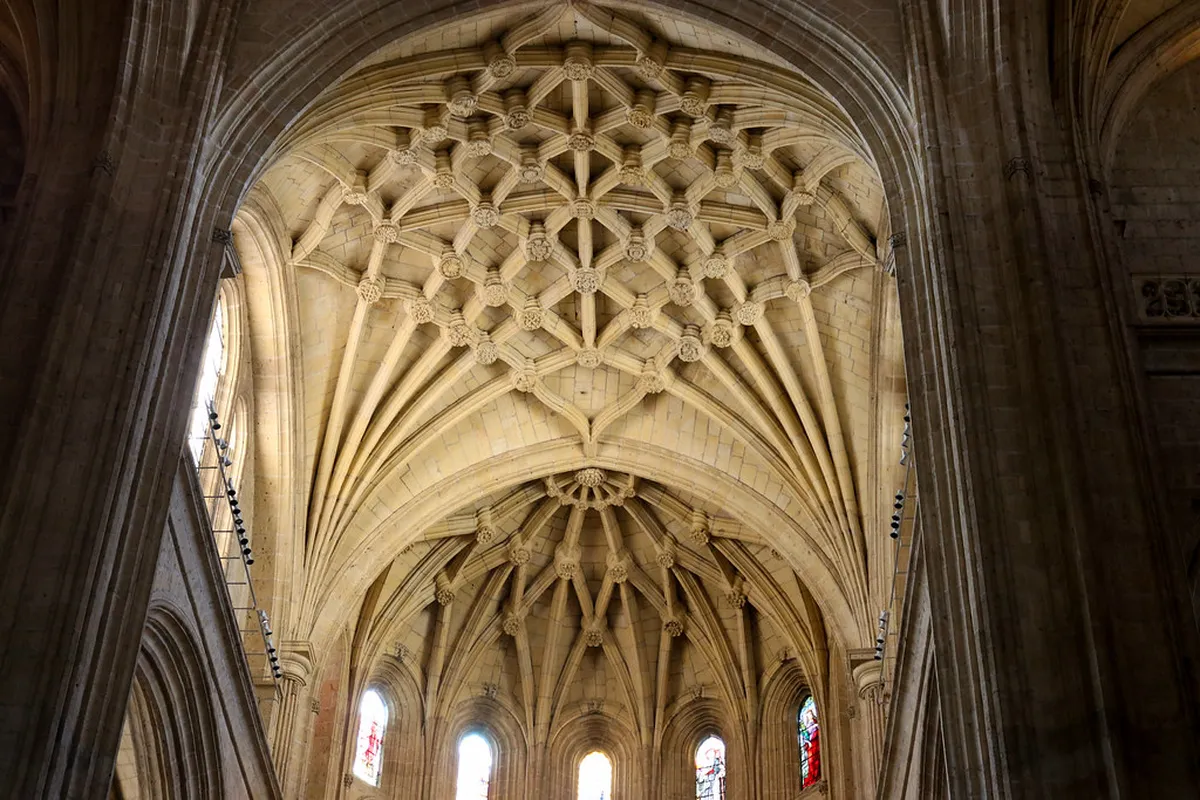
The Saint-André Cathedral gothic style is defined by its soaring height and intricate stone carvings. You can observe the classic pointed arches that allow for much taller and thinner walls than Romanesque styles. These features create a sense of verticality that draws the eye upward toward the beautifully crafted ceilings. The structural innovation of the flying buttress is also visible on the exterior of the building.
Stained glass windows play a crucial role in the overall aesthetic of this massive religious structure. Light filters through these colorful panes to create a spiritual atmosphere inside the vast and hollow nave. The designs often depict biblical scenes or local saints who were important to the community of Bordeaux. These artistic elements served as a visual Bible for the many people who could not read.
The transition from the Rayonnant to the Flamboyant style is evident in the cathedral's complex decorative details. You will notice the delicate tracery in the windows that resembles flickering flames of fire. This advanced style represents the peak of Gothic craftsmanship before the arrival of the Renaissance in France. It demonstrates the incredible skill of the master masons who worked on this site for generations.
The Royal Portal and Artistic Mastery
The North Portal, also known as the Royal Portal, is a masterpiece of 13th-century sculpture and design. It features a detailed depiction of the Last Judgment which was meant to inspire awe in visitors. The figures are carved with remarkable precision and show the evolution of naturalism in Gothic art. This entrance was reserved for kings and high-ranking officials during grand ceremonies and official visits.
Detailed gargoyles and chimeras peer down from the roofline to protect the building from rainwater and evil. These functional yet decorative elements are essential parts of the architecture in Bordeaux from this period. They represent the medieval fascination with mythological creatures and the supernatural world surrounding humanity. Each sculpture is unique and contributes to the overall narrative carved into the very stone walls.
The tympanum above the doors serves as a focal point for the theological themes of the cathedral. Scenes of the Resurrection and the Apostles surround the central figure of Christ in a balanced composition. These carvings have survived for centuries despite the harsh effects of weather and historical conflicts in the city. They continue to provide a window into the mind of the medieval artist and their faith.
Interior Layout and Sacred Relics
The interior of the cathedral is surprisingly wide due to its unique architectural history and structural layout. It features a single nave that measures over 120 meters in length and 18 meters in width. This scale creates a powerful sense of space and light that is typical of grand Gothic cathedrals. The choir section is surrounded by several small chapels dedicated to different saints and religious figures.
The cathedral houses a valuable collection of religious art, including paintings, sculptures, and precious liturgical objects. Visitors can admire the grand organ which has been restored to its former glory over the years. This instrument produces a magnificent sound that fills the entire space during regular Sunday services and concerts. The acoustics of the stone vaulting are perfectly suited for choral music and organ performances.
Several influential figures from Bordeaux’s history are buried within the chapels and the crypt of the cathedral. Their ornate tombs provide additional examples of funerary art from the late medieval and early modern periods. Exploring these quiet corners of the building allows for a deeper reflection on the passing of time. The cathedral remains an active place of worship and a living monument for the local community.
The Pey Berland Bell Tower Experience
One of the most unusual features of the site is the separate bell tower known as Pey Berland. It was built between 1440 and 1500 to house the heavy bells away from the main structure. This design prevented the vibrations of the massive bells from damaging the fragile walls of the cathedral. The tower is a fine example of the Flamboyant Gothic style with its ornate spire.
Climbing the 231 steps of the tower provides some of the best Bordeaux city views and viewpoints for visitors. From the top, you can see the Garonne River and the rooftops of the historic district. The climb is narrow and steep but the panoramic view is worth the physical effort involved. It offers a unique perspective on the urban layout of this ancient port city.
A gilded statue of Notre-Dame d'Aquitaine sits atop the tower and shines brightly in the sun. This copper statue was added in the 19th century and serves as a landmark for the city. The tower stands 66 meters tall and remains one of the tallest structures in the historic center. It is a must-visit attraction for anyone interested in the history of Bordeaux architecture.
Essential Tips for Your 2025 Visit
The cathedral is located at Place Pey Berland and is easily accessible by the city's tram system. Entrance to the main building is free for all visitors throughout the year during opening hours. However, you must purchase a ticket to climb the Pey Berland tower for the panoramic views. The tower usually costs around 6 Euros for adults and has specific time slots for entry.
Opening hours for the cathedral vary depending on the day of the week and religious services. It typically opens at 10:30 AM and closes at 7:30 PM with a break for lunch. You should check the official website for any holiday closures or special events planned for 2025. Remember to dress respectfully as this is a functioning place of worship with active parishioners.
Plan your visit for the early morning to avoid the largest crowds of tourists and school groups. The light inside the cathedral is most beautiful when the sun is low in the sky during autumn. Allow at least one hour to explore the interior and another hour if you climb the tower. This ensures you have enough time to appreciate all the small details of the Gothic design.
Frequently Asked Questions
Is the Saint-André Cathedral free to visit in 2025?
Entrance to the main cathedral building is free for all visitors in 2025. You only need to pay if you want to climb the separate Pey Berland bell tower. This allows everyone to enjoy the incredible Saint-André Cathedral gothic style without any cost. Please check for any special events that might restrict access during your trip.
Why is the Pey Berland tower separate from the cathedral?
The tower was built separately to protect the cathedral from the vibrations of heavy bells. The marshy soil of Bordeaux could not support a massive tower attached to the main church walls. This architectural solution has kept both structures standing safely for over five hundred years of history. It is a unique feature that you will find in several South-West French cities.
Is the cathedral a UNESCO World Heritage site?
Yes, the cathedral is part of the Routes of Santiago de Compostela UNESCO World Heritage listing. It has been a major stop for pilgrims traveling to Spain for many hundreds of years. This status highlights the universal value of its history and the beauty of its architecture. It is one of many protected sites that you can visit in Bordeaux.
The Saint-André Cathedral gothic style remains a shining example of medieval ambition and artistic talent in France. Its towering spires and intricate carvings continue to inspire those who walk through its grand north portal. Whether you are a fan of history or architecture, this site offers a profound travel experience. Make sure to include this landmark on your 2025 itinerary when you visit the city of Bordeaux.
Key Takeaways
- Admission to the cathedral is free, but the tower requires a paid ticket.
- The cathedral features a unique blend of Romanesque and Gothic architectural styles.
- Climb the Pey Berland tower for the best panoramic views of the city.
- Visit early in the morning to enjoy the light through the stained glass.
- Respect local customs as the cathedral remains an active place of worship.
Related reads: architecturebycity.com, porte cailhau history, grosse cloche architectural details.