
Bastion de la Cerca Architecture: A Guide
Explore the Bastion de la Cerca architecture in Calvi, France. Discover the Calvi Citadel structural history and visit the famous ramparts in 2025 today.
On this page
Bastion de la Cerca architecture represents the defensive soul of Calvi. This massive stone structure towers over the sparkling Mediterranean Sea today. It remains a central part of the Calvi Citadel structural history. Visitors often marvel at the scale of these ancient granite walls.
The Republic of Genoa built this fortification to protect their interests. It reflects a time when coastal security was a top priority. Every corner of the bastion tells a story of naval warfare. You can feel the weight of history while walking these paths.
This guide explores the unique design of this 15th-century masterpiece. We will examine the materials and methods used by Genoese engineers. You will learn why this site remains a structural marvel today. Let us dive into the details of this historic monument.
The Origins of Bastion de la Cerca Architecture
The Bastion de la Cerca architecture dates back to the late 1400s. Genoese rulers wanted a strong base on the Corsican coastline. They chose this rocky promontory for its natural defensive advantages. Engineers designed the bastion to withstand long and difficult naval sieges.
This specific section of the wall faces the open northern sea. It served as the first line of defense against invaders. The thick walls could absorb the impact of heavy cannon fire. Most of the original structure remains intact for visitors to see.
The design follows the principles of early modern military engineering. It features rounded corners to help deflect incoming stone projectiles effectively. This shape was a massive improvement over older square towers. It allowed for better visibility along the entire fortress perimeter.
Local laborers worked for decades to complete these massive fortifications. They hauled granite blocks up the steep hills of Calvi Citadel. This effort created a base that would last for centuries. The bastion stands as a testament to their incredible manual labor.
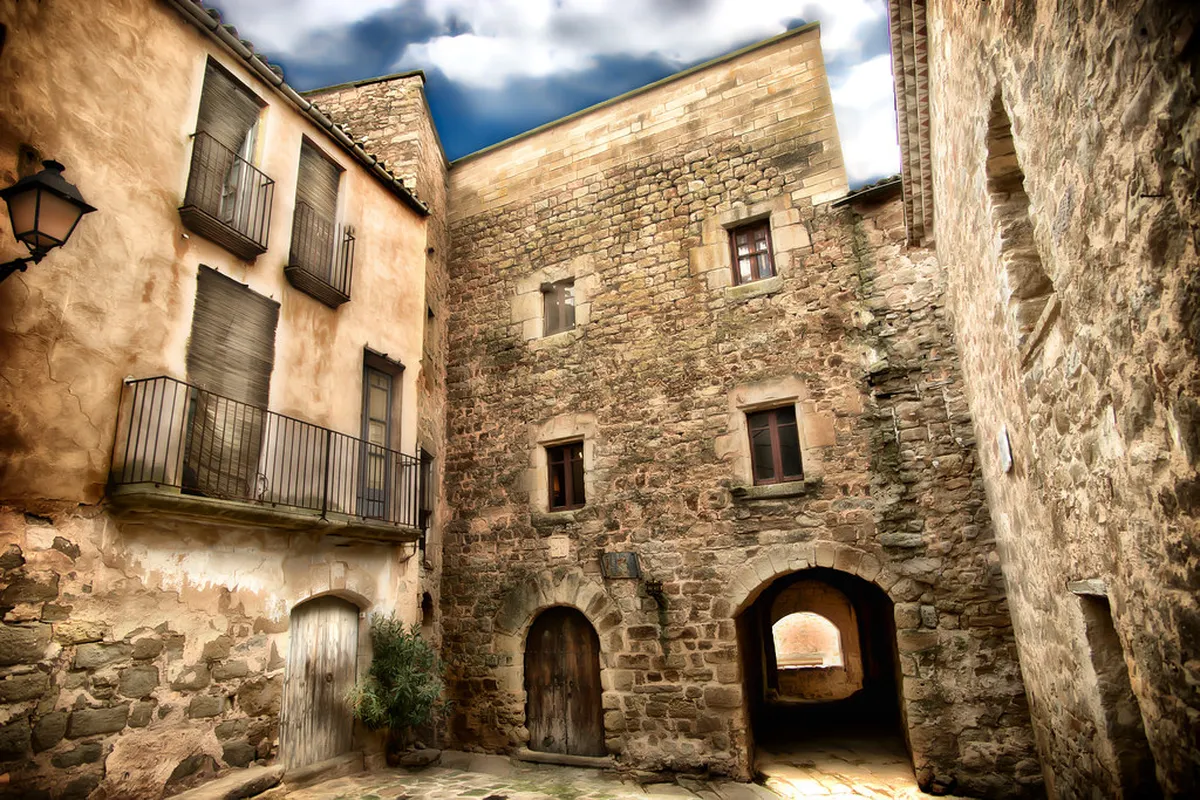
Today, the site is a popular spot for architectural photography enthusiasts. The golden stone glows beautifully during the late afternoon sun. It provides a perfect example of Genoese military ambition in France. You can see the blend of utility and aesthetic power here.
Calvi Citadel Structural History and Evolution
Understanding the Calvi Citadel structural history requires a look at its phases. The initial wooden structures were replaced by stone in 1491. This shift occurred because of the invention of more powerful gunpowder. The bastion was then reinforced with deeper foundations and thicker walls.
During the 16th century, the citadel faced many foreign attacks. These events forced the engineers to rethink their defensive strategies constantly. They added secondary walls to create a more complex defense system. The Bastion de la Cerca became the anchor of this network.
The structural layout evolved to include hidden tunnels and storage rooms. These spaces allowed soldiers to move safely during active combat. They also stored large amounts of food and fresh water supplies. This self-sufficiency was vital for surviving a year-long siege.
By the 18th century, the bastion reached its current impressive form. The French military eventually took control of the site from Genoa. They made minor changes to accommodate modern artillery and housing needs. These layers of history are visible in the masonry today.
Preservation efforts in the 20th century focused on stabilizing the ruins. Specialists worked to repair the erosion caused by salt and wind. Their work ensures that the structural history remains visible for all. You can trace the timeline of Calvi through these stones.
Genoese Fortification Techniques in Calvi
The builders used advanced Genoese fortification techniques in Corsica for this bastion. They utilized a technique known as splayed masonry for the base. This design makes the bottom of the wall much wider. It prevents enemies from using ladders to scale the fortress.
The use of local granite provided extreme durability against the elements. This stone is resistant to the corrosive effects of sea salt. The mortar used was a secret mix of lime and sand. It allowed the walls to flex slightly during heavy earthquakes.
Embrasures were carved into the stone to house large defensive cannons. These openings were narrow on the outside to protect the gunners. They widened on the inside to allow for a large range. This design maximized the efficiency of the citadel's defensive firepower.
Strategic placement of watchtowers allowed for 360-degree views of the bay. Sentries could spot enemy ships many miles before they arrived. This early warning system was crucial for the city's survival. The Bastion de la Cerca provided the most critical vantage point.
Modern architects still study these techniques for their incredible efficiency. The balance between weight and structural stability is quite remarkable. It shows the high level of Mediterranean engineering during the Renaissance. Calvi remains one of the best examples of this style.
Materials and Masonry of the Bastion
Granite is the primary material used in the bastion construction. The stones were quarried from the surrounding hills of the Balagne. Each block was hand-cut to fit precisely against its neighbor stones. This craftsmanship ensures the walls remain stable without modern steel.
The lower sections of the bastion feature the largest stone blocks. Some blocks weigh several tons and required complex pulley systems. These massive stones provide the necessary weight to resist coastal erosion. They have withstood the crashing waves for over five centuries.
Iron brackets were occasionally used to reinforce the most vulnerable corners. These metal components were forged in local Corsican workshops during construction. You can still see some of these rusted iron pieces today. They provide a glimpse into the metalworking skills of that era.
The texture of the walls varies depending on the construction period. Older sections feature rougher stones with less precise alignment techniques. Newer sections show the refinement of Genoese masonry over many years. This visual contrast tells the story of the fortress.
Walk along the ramparts to feel the texture of the granite. The stone feels cool and solid even during hot summer days. It acts as a natural insulator for the rooms below. This thermal mass was essential for the comfort of soldiers.
Practical Details for Visiting in 2025
Visiting the bastion in 2025 is a simple and rewarding experience. Most visitors enter through the main gate of the Calvi Citadel. There is no entrance fee to walk along the ramparts. You can explore the site daily from sunrise until sunset.
We recommend booking an architectural walking tour of Calvi for better context. Local guides explain the engineering secrets of the Bastion de la Cerca. These tours usually last around two hours and cost 15 euros. They provide access to areas that are often closed.
Wear comfortable walking shoes with good grip for the stone paths. The granite can be slippery after a light morning rain shower. Bring a bottle of water as there are few shops. The climb to the top is steep but very manageable.
The best time to visit is during the early morning hours. You will avoid the large crowds from the cruise ships then. The lighting is also ideal for taking high-quality architectural photos. Plan for at least one hour to see the bastion.
Public restrooms are located near the Palace of the Governors nearby. You will also find several small cafes within the citadel walls. These spots offer great views of the bastion and sea. Enjoy a coffee while admiring the ancient Genoese stonework.
Frequently Asked Questions
What is the Bastion de la Cerca famous for?
The Bastion de la Cerca is famous for its massive granite walls. It is a key part of the Calvi Citadel structural history. The bastion offers incredible views of the Mediterranean Sea today. It represents the height of Genoese military engineering in Corsica.
When was the Bastion de la Cerca built?
Construction of the stone bastion began in the late 15th century. It replaced older wooden fortifications on the same rocky site. The project took several decades to complete for the city. It was further reinforced during the 16th and 17th centuries.
Is there a fee to visit the Calvi Citadel ramparts?
No, walking along the main citadel ramparts is currently free. You can explore the Bastion de la Cerca without a ticket. Some specific museum areas inside the citadel require a fee. However, the architectural views are accessible to all visitors.
What is the best way to see the architecture?
An architectural walking tour is the best way to see it. Guides explain the complex history of the granite masonry walls. You can also walk the perimeter of the citadel alone. This allows you to appreciate the scale at your own pace.
How do I get to the bastion in Calvi?
You must walk up the hill from the Calvi port area. Follow the signs leading to the historic Citadel entrance gate. The bastion is located on the northern side of the walls. It is a short walk from the town center.
Bastion de la Cerca architecture is a highlight of any Corsican trip. It combines historical depth with stunning Mediterranean views for every visitor. The Calvi Citadel structural history is etched into every granite block. Exploring these walls provides a deep connection to the Genoese past.
Make sure to visit this site during your next stay in France. The preservation of the masonry allows for a truly authentic experience. You will leave with a new appreciation for medieval military design. Start planning your walk through the ancient streets of Calvi today.
Key Takeaways
- The bastion was built by the Genoese in the 15th century.
- Local granite was used to ensure long-term structural durability.
- Visiting the ramparts is free for the general public.
- The site showcases advanced military engineering and defensive techniques.
- Morning visits offer the best light for architectural photography.
Related reads: architecturebycity.com, architecture in calvi, salt tower calvi history.