
Stone Masonry of Old Cannes: Le Suquet Architecture
Learn about the stone masonry of Old Cannes. This technical guide covers Le Suquet historic architecture and preservation tips for your 2025 trip.
On this page
The stone masonry of Old Cannes defines the district of Le Suquet. It showcases centuries of French Riviera building traditions. In 2025, these structures provide insight into ancient engineering. Exploring this area reveals a rich architectural heritage.
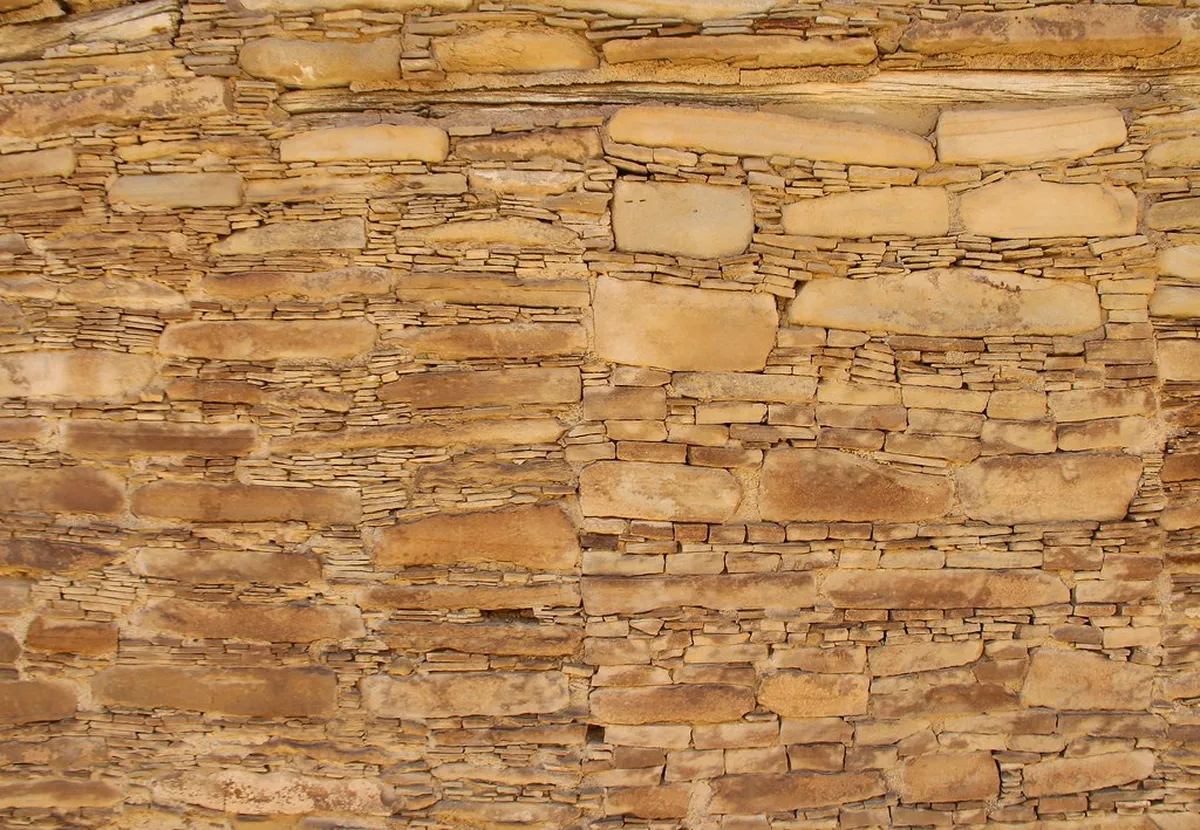
You can see the distinct texture of the local limestone here. Many buildings have stood for over five hundred years. These walls protected the citizens from many historical threats. Today, they offer a beautiful backdrop for photographers and history buffs. Understanding Le Suquet historic architecture requires looking at individual stones.
Geological Composition of Old Cannes Stone
The stone masonry of Old Cannes relies on local geological resources. Most structures use sedimentary limestone from nearby hills. This material is soft enough to carve easily. It hardens over time when exposed to the salt air.
Red sandstone also appears in certain structural foundations. This stone provides excellent compression strength for heavy buildings. It creates a striking contrast against the pale limestone blocks. Builders chose these materials for their natural availability and durability.
The chemical makeup of these stones resists coastal erosion well. Magnesium and calcium levels vary across different building periods. Higher mineral density usually indicates stone from deeper quarry levels. Modern geologists study these variations to date the old walls.
Transporting these heavy stones required significant human labor and animal power. Small carts moved the blocks through narrow hillside paths. This logistical challenge influenced the size of the building blocks. You can still see the tool marks on the surfaces today.
Historical Construction Techniques in Le Suquet
Builders in Old Cannes used diverse masonry techniques over centuries. Dry stone construction was common for early retaining walls. This method does not use any mortar between the rocks. It allows water to drain naturally through the gaps.
For residential buildings, rubble masonry became the standard choice. Workers fitted irregular stones together with lime-based mortar. This created a solid and thick thermal mass for homes. It kept the interiors cool during hot Mediterranean summers.
You can observe these methods while walking through medieval street layouts in Cannes. The narrow paths forced builders to use vertical space efficiently. They stacked stones with careful precision to ensure structural stability. Arches often supported the weight of upper stories over alleys.
Ashlar masonry appears on more prestigious or religious buildings. These stones are finely cut and squared for tight joints. This technique requires more skill and expensive labor costs. It represents the wealth and power of the historical owners.
Structural integrity remained the top priority for these master masons. They often used larger stones at the corners of buildings. These cornerstones provided a firm anchor for the entire wall. This practice is still visible in many 16th-century structures.
The Role of Mortar in Coastal Preservation
Mortar is the silent hero of stone masonry in Cannes. Traditional mixes included local lime, sand, and sea water. However, salt in sea water can sometimes damage the stone. Master builders learned to wash the sand before mixing it.
The lime allowed the walls to breathe during humid months. This prevents moisture from being trapped inside the stone blocks. Trapped water can cause the stone to crack or flake. Proper mortar maintains the health of the entire building structure.
In 2025, restoration teams use specialized lime putty for repairs. They match the color and texture of the original 17th-century mortar. This ensures a seamless look across the historic facades. Natural pigments are often added to achieve the perfect hue.
Pointing is the process of finishing the mortar joints. Deep pointing protects the edges of the stones from wind. It also creates a clean visual line along the building. This detail is crucial for maintaining the historic aesthetic.
Identifying Masonry Features at the Castre Museum
The Castre Museum is a prime example of defensive masonry. Its walls are significantly thicker than standard residential buildings. Builders used large, unrefined blocks to absorb impact from projectiles. The Castre Museum medieval watchtower shows exceptional stone layering.
The tower features a slight taper toward the upper levels. This design increases the stability of the tall stone structure. The stones at the base are massive and deeply set. They provide a solid foundation on the rocky Suquet hilltop.
Machicolations are visible near the top of the defensive walls. These stone openings allowed defenders to drop objects on attackers. The masonry here is decorative as well as highly functional. It reflects the military architecture of the medieval period.
Visitors can pay about 6 Euros to enter the museum. The courtyard features original paving stones from the 12th century. These stones have been polished smooth by millions of footsteps. They offer a tangible connection to the city's ancient past.
Maintenance of Stone Facades in 2025
Maintaining stone masonry requires constant attention in a coastal climate. Salt spray can cause chemical reactions within the limestone. This leads to a white powder called efflorescence on walls. Owners must clean the stone gently with low-pressure water.
Vegetation can also pose a threat to old stone walls. Ivy and moss roots grow into small mortar cracks. These roots eventually push the stones apart over many years. Regular removal of plants is essential for long-term preservation.
Modern sealants are sometimes used to protect the stone surfaces. However, these must be vapor-permeable to allow for breathing. Applying the wrong sealant can cause permanent damage to limestone. Experts recommend consulting with heritage architects before any treatment.
Structural surveys should occur every ten years in Le Suquet. Engineers check for shifts in the hillside foundation. They look for new cracks or bulges in the masonry. Early detection saves significant money on complex structural repairs.
Practical Tips for Architecture Enthusiasts
The best time to photograph masonry is during the golden hour. The low sun highlights the texture of the stone surfaces. You will see shadows that reveal the depth of joints. This makes the ancient craftsmanship much easier to appreciate.
Wear comfortable walking shoes with good grip for the hills. The cobblestone streets can be slippery even when they are dry. Most of the best masonry is located on steep inclines. Plan for a slow pace to observe the fine details.
Check the local heritage office for guided technical tours. These walks often include access to private courtyards and towers. Experts can explain specific masonry marks left by different guilds. This adds a deep layer of context to your visit.
Bring a small magnifying glass to look at the stone closely. You might find tiny fossils embedded within the local limestone. These fossils tell the prehistoric story of the French Riviera. It is a fascinating detail for many curious travelers.
Frequently Asked Questions
What is the best way to see the stone masonry of Old Cannes?
Start your walk at the bottom of Rue Saint-Antoine. Follow the winding paths up toward the church of Notre-Dame d'Esperance. This route passes the most significant stone structures in Le Suquet. You can see various building styles along the way.
Are the stone walls in Le Suquet open to the public?
Most exterior walls are visible from the public streets. You can touch and examine the stones throughout the old town. Some interior courtyards are private and require permission to enter. Respect the residents while you explore these historic narrow alleys.
How old is the oldest stone masonry in Cannes?
The base of the Suquet tower dates back to the 11th century. Most residential masonry was built between the 15th and 18th centuries. The city has carefully preserved these layers of history over time. You can see different eras represented in a single wall.
Is limestone the only material used in Old Cannes buildings?
Limestone is the primary material for the main wall structures. However, you will also see terracotta roof tiles and wooden lintels. Some foundations use local red sandstone for additional structural support. These materials create a harmonious and traditional Mediterranean appearance.
The stone masonry of Old Cannes remains a testament to French craftsmanship. These enduring walls tell the story of a resilient coastal community. Visiting Le Suquet in 2025 offers a unique look at architectural history. We hope this technical guide enhances your next trip to the Riviera. Take time to touch the stones and feel the history today.
Key Takeaways
- Local limestone and sandstone are the primary building materials.
- Rubble masonry provided natural insulation for historic homes.
- Regular maintenance is vital to prevent salt air damage.
- The Castre Museum offers the best examples of defensive masonry.
Related reads: architecturebycity.com, architecture in cannes.