
Exploring Stunning Villa Domergue Architecture in Cannes
Discover the unique Villa Domergue architecture in Cannes. Explore this Belle Époque masterpiece with our expert 2025 guide. Plan your historic visit today!
On this page
Cannes offers more than just the famous film festival and sandy beaches. Tucked away on the hills sits a true architectural marvel. The Villa Domergue architecture blends various Mediterranean styles into one cohesive masterpiece. This iconic structure stands proudly within the prestigious California district overlooking the sea.
Visitors in 2025 can explore the intricate details of this historic estate. The villa represents the artistic soul of the French Riviera. It remains a highlight among the Belle Époque villas of Cannes for many travelers. This guide explores the design history and features of this landmark.
The Artistic Vision of Jean-Gabriel Domergue
Jean-Gabriel Domergue was a famous French painter known for his portraits. He purchased the land for this villa in 1927. He wanted a home that reflected his artistic passion and style. The artist personally designed every aspect of the main building's structure.
His wife Odette Maudrange-Domergue assisted with the complex garden designs. She was a talented sculptor who added many artistic touches. Together they created a residence that served as a private sanctuary. The architecture in Cannes changed significantly during this creative period.
The construction took several years to complete during the late 1930s. Workers used high-quality materials to ensure the villa would last for centuries. Domergue focused on creating natural light within the large studio spaces. These rooms allowed him to paint his famous subjects in perfect conditions.
The villa serves as a testament to the artist's unique personality. It combines classical European elements with modern comfort for that era. Every corner of the house tells a story of artistic dedication. Today the city of Cannes maintains this legacy for all to enjoy.
Defining Features of the Villa Design
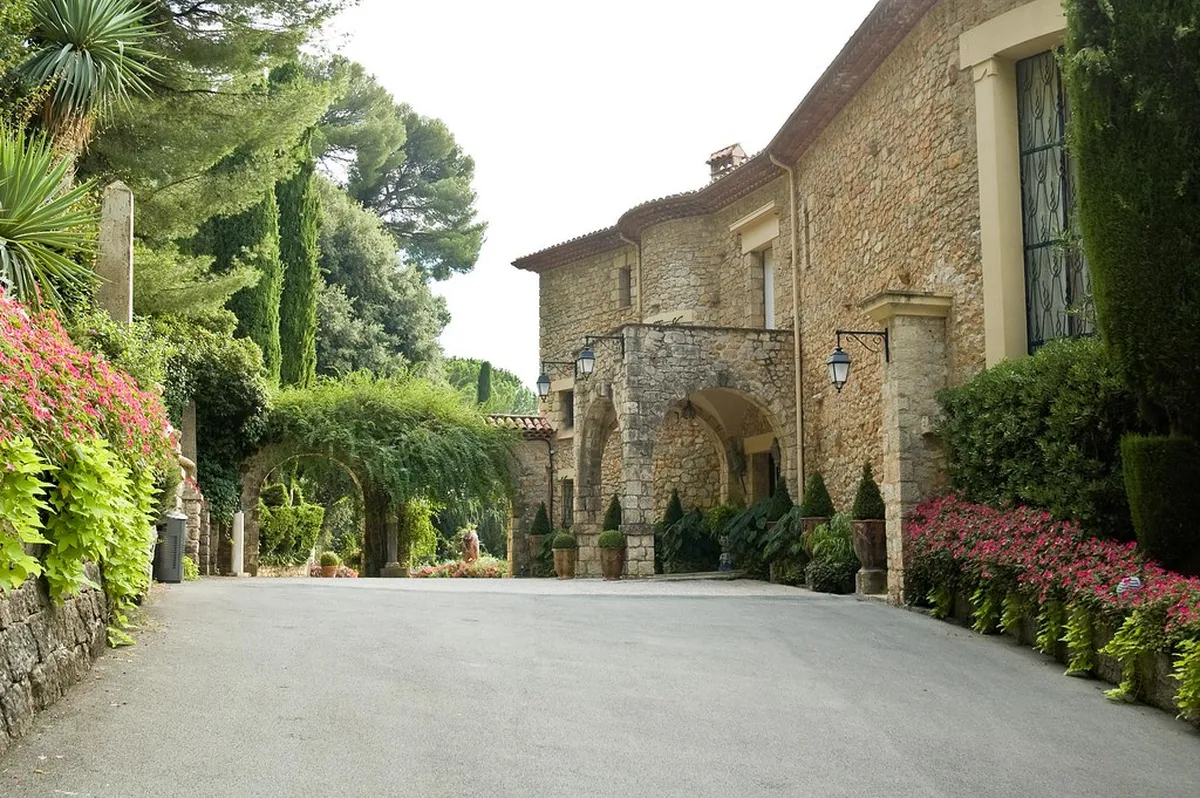
The Villa Domergue architecture features a striking Neo-Florentine stylistic approach. It draws inspiration from the grand palaces found in the Tuscany region. The exterior walls display a warm and inviting ochre color palette. This choice reflects the golden sunlight typical of the southern French coast.
Large loggias provide shaded outdoor spaces for relaxation and viewing. These architectural elements connect the indoor living areas with the Mediterranean climate. The roof utilizes traditional terracotta tiles common in Italian design styles. Decorative friezes and stone carvings adorn the windows and main entrance.
- Neo-Florentine influence: Inspired by classic Italian Renaissance palaces.
- Terraced layout: The structure follows the natural slope of the hill.
- Artistic details: Wrought iron balconies designed by the owner himself.
- Grand staircase: A central feature that connects the multiple levels.
The layout ensures that most rooms have a direct sea view. Large arched windows dominate the southern facade of the grand villa. These openings allow the coastal breeze to circulate through the hallways. The structural balance shows the skill of the artist as an architect.
The Magnificent Italianate Terraced Gardens
The gardens are an essential part of the Villa Domergue architecture. They cover several hectares of steep terrain on the Cannes hillside. The design follows a strict Italianate style with many formal terraces. These levels are connected by elegant stone steps and gravel paths.
Water features play a major role in the overall garden atmosphere. Ponds and fountains provide a cooling effect during the hot summer months. Ancient cypress trees provide vertical lines that contrast with the low hedges. The landscaping enhances the visual impact of the main house above.
Statues created by Odette Domergue are scattered throughout the lush greenery. These sculptures add a personal and artistic layer to the environment. The gardens offer a peaceful retreat away from the busy city center. They were designed to provide a variety of colors throughout the year.
In 2025, the gardens remain beautifully manicured for public tours. Visitors can walk the same paths that the artists once walked. Each terrace offers a different perspective of the surrounding Mediterranean landscape. The integration of nature and stone is truly remarkable here.
Interior Elegance and Preservation Efforts
The interior of the villa remains largely as the artists left it. High ceilings and marble floors define the grand reception rooms. The walls are decorated with original paintings and sketches by Domergue. These artistic additions make the villa feel like a living museum.
Wood panels and intricate moldings decorate the private dining and living areas. The artist's studio is the most impressive room in the house. Large skylights provide a steady flow of north-facing light for painting. This functional space shows the practical side of the villa's design.
The city of Cannes began significant restoration work in recent decades. They aim to preserve the delicate stucco and decorative ironwork elements. Professional conservators handle the cleaning of the internal murals and frescoes. Their work ensures that the visiting historic Cannes villas experience remains authentic.
Preservation also includes maintaining the original furniture from the 1930s. These pieces were often custom-made to fit the specific room dimensions. Modern climate control systems help protect the art from humidity damage. This careful management keeps the Villa Domergue in excellent condition.
Villa Domergue and the Cannes Film Festival
The Villa Domergue plays a prestigious role in modern cinema history. It was donated to the city of Cannes in 1969. Since then, it has hosted many exclusive events and galas. The jury for the Cannes Film Festival often meets here.
The private setting offers the perfect location for confidential jury discussions. Celebrities from around the world have walked through these historic halls. This connection to the film industry adds to the villa's glamour. The architecture provides a stunning backdrop for international press photography.
Special exhibitions are held during the festival weeks in May. These events often showcase the work of the villa's original owners. The association with the festival has helped fund various maintenance projects. It remains a symbol of high culture in the French Riviera.
The villa is not just a relic of the past today. It continues to be a vibrant part of the local community. Many official receptions take place on the garden terraces annually. This usage ensures the building remains functional and well-loved by all.
Planning Your Architectural Visit in 2025
Visiting the Villa Domergue requires some planning as it is not always open. The site typically opens to the public during the summer months. Generally, you can visit from July through the end of September. It is wise to check the official Cannes tourism website.
The entrance fee usually costs between six and ten Euros per person. This price includes access to both the villa and gardens. Guided tours are often available in several different European languages. These tours provide deeper insights into the Villa Domergue architecture details.
- Check availability: Verify opening hours before traveling to the hills.
- Wear comfortable shoes: The terraced gardens involve many stone steps.
- Bring a camera: Photography is permitted in most outdoor garden areas.
- Use public transport: Local buses run from the city center frequently.
The villa is located at 15 Impasse Domergue in the California district. Parking is very limited in this exclusive residential neighborhood area. Taking a taxi or using a shuttle service is highly recommended. The walk uphill from the beach is quite steep for most.
Frequently Asked Questions
Who designed the Villa Domergue architecture in Cannes?
The famous French painter Jean-Gabriel Domergue designed the villa himself. He began the project in 1927 to serve as his home. His wife Odette helped design the extensive Italianate gardens. This collaboration created a unique blend of art and architecture.
What is the best time of year to visit Villa Domergue?
The best time to visit is during the summer months. The villa usually opens to the public from July to September. During this time, the Mediterranean gardens are in full bloom. It offers a cooler escape from the busy downtown Cannes heat.
Is the Villa Domergue still used for the Film Festival?
Yes, the villa remains a key venue for the Cannes Film Festival. The official festival jury often meets here for their deliberations. It also hosts several high-profile gala events during the two-week festival. This tradition has continued since the city took ownership.
Can you take photos inside the Villa Domergue building?
Photography is generally restricted inside the villa to protect the artwork. However, visitors are free to take photos in the gardens. The terraces offer incredible views of the building and the bay. Always check with the staff for the latest 2025 rules.
How do I get to Villa Domergue from central Cannes?
The villa is located in the California district on the hills. You can take the local Palm Bus lines from the center. A taxi or ride-share app is also a very convenient option. The drive takes about ten minutes from the Croisette boulevard.
The Villa Domergue architecture stands as a brilliant example of Mediterranean artistic design. It captures the elegance and glamour of a bygone era in Cannes. Exploring the terraced gardens and historic rooms provides a unique cultural experience. Make sure to include this landmark in your 2025 travel plans. You will discover a quieter side of the French Riviera here.
Key Takeaways
- Villa Domergue was personally designed by artist Jean-Gabriel Domergue in 1927.
- The estate features a Neo-Florentine style with stunning terraced Italianate gardens.
- The villa is a key site for the Cannes Film Festival jury meetings.
Related reads: architecturebycity.com, villa rothschild cannes design, history of 19th century winter estates.