
Half-Timbered Houses in Carcassonne Guide
Discover the beautiful half-timbered houses in Carcassonne. Learn about medieval vernacular houses and historical architecture in this 2025 visual guide today!
On this page
Carcassonne is a gem of medieval French history that captivates every visitor who walks its narrow streets. Its winding alleys showcase stunning examples of traditional construction techniques used during the Middle Ages. The half-timbered houses in Carcassonne offer a unique look at ancient life within the fortified walls. These iconic buildings have stood for many centuries as a testament to the city's rich cultural heritage.
Visitors often admire the intricate patterns of the wooden beams found on these historic residential facades. These structures reflect the ingenuity of medieval craftsmen who worked with limited resources in dense urban environments. You will find them nestled between grand stone fortifications and massive towers of the upper Cité. Exploring these alleys is truly like walking through a living history book in the heart of France.
History of Half-Timbered Houses in Carcassonne
The architectural style of the Aude region evolved over many centuries to meet the needs of residents. Local builders used materials found in the surrounding landscape to construct sturdy and lasting family homes. Most Carcassonne medieval vernacular houses feature heavy oak frames that have survived for hundreds of years. These frames provided the necessary support for multi-story buildings situated in very tight urban spaces.
During the Middle Ages, the available space within the city walls was extremely limited and very valuable. Builders constructed narrow homes with several floors to accommodate as many residents as possible in the Cité. The ground floors often served as busy shops or productive workshops for local merchants and skilled tradesmen. Families lived in the upper rooms to stay safe from the noise and smells of the street.
Stone was very expensive for ordinary citizens living in the 13th and 14th centuries in southern France. Timber framing offered a much more affordable alternative for residential construction during this period of rapid growth. This method allowed for flexible designs that could fit into irregularly shaped plots of land between stone structures. You can still see these varied and interesting shapes throughout the ancient Cité during your 2025 visit.
Preservation efforts in 2025 focus on maintaining these historic facades using traditional methods and authentic materials. Experts work carefully to protect the ancient wood from rot and damage caused by the modern environment. This dedication ensures that future generations of travelers can enjoy the unique beauty of the medieval city. These houses remain a vital part of the local cultural identity and the overall historical narrative.
The mixture of stone and wood creates a visually striking contrast that defines the character of Carcassonne. Every beam and timber tells a story of the economic conditions present during the time of construction. Understanding these materials helps visitors appreciate the daily lives of the people who once called this place home. The survival of these structures is a miracle of historical preservation and careful urban management.
Architectural Features of Medieval Timber Framing
The construction process for these historic homes was highly specialized and required the skills of master carpenters. Workers first assembled the massive wooden skeleton on the ground using precise measurements and traditional hand tools. They used complex joinery techniques like mortise and tenon to secure the heavy beams firmly together. This method eliminated the need for large metal nails which were expensive and difficult to produce then.
The spaces between the structural timbers were filled with a mixture known as wattle and daub. This material usually consisted of woven wooden strips covered in a thick paste of clay and straw. This ancient technique provided excellent natural insulation for the families living inside these multi-story timber homes. It kept the interiors relatively cool in the summer and warm during the cold winter months.
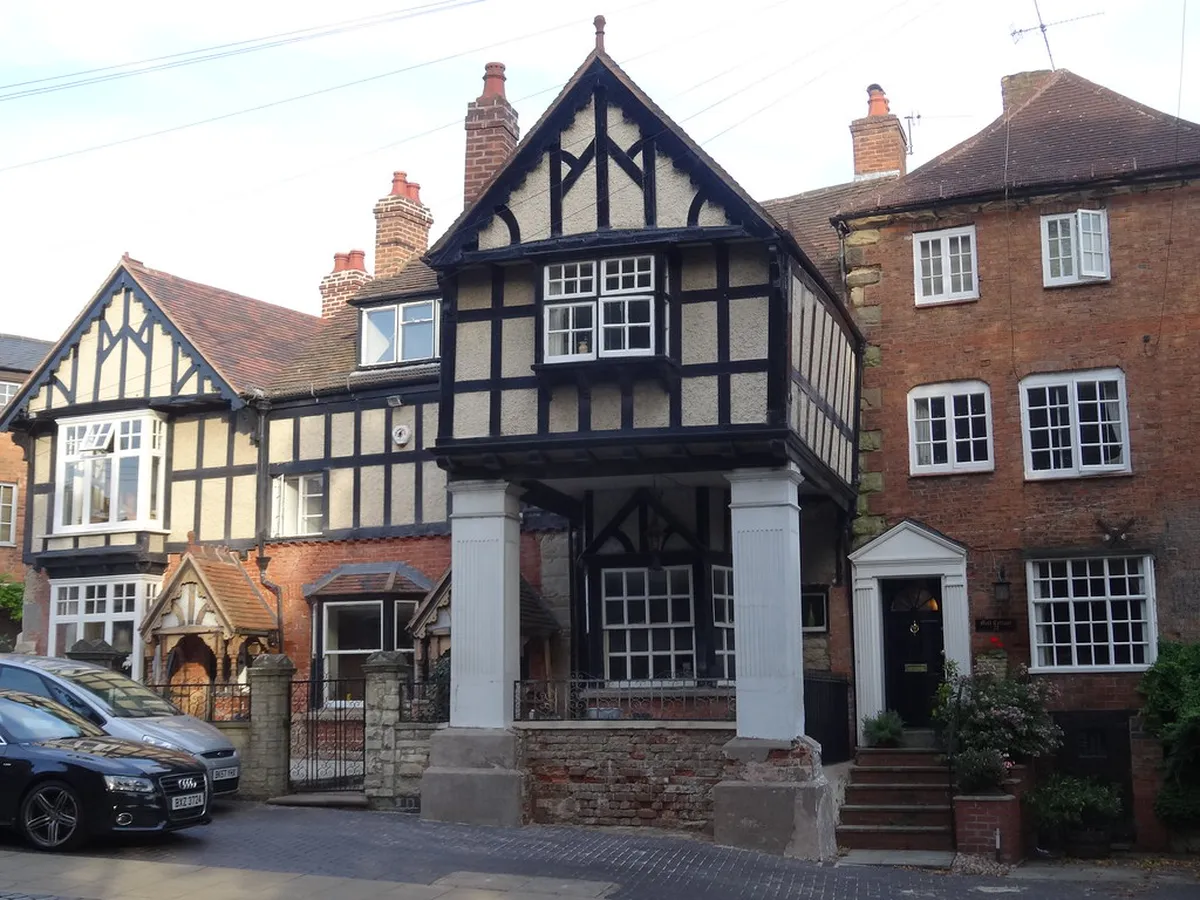
Many houses feature distinctive jetties or overhanging upper floors that extend out over the narrow cobblestone streets. This clever design increased the total living space without taking up valuable room on the ground level. It also protected the lower timber frame and the shop entrance from damage caused by heavy rainwater. Modern visitors can still observe these striking and functional structural protrusions throughout the historic Cité today.
The exterior beams were often painted in vibrant earth tones to protect the wood and add beauty. Common colors used in the past included deep reds, warm ochres, and very dark chocolate browns. These hues added significant visual interest to the dense and often crowded medieval urban landscape in France. Today, the muted tones reflect the natural aging of the oak timbers over several hundred years.
Intricate carvings are sometimes visible on the corner posts and the main support beams of wealthier homes. These details served as a status symbol for the merchants who owned these impressive half-timbered buildings. You can find geometric patterns and occasionally small figures carved into the dark wood by ancient craftsmen. These artistic elements provide a deeper look into the aesthetic preferences of the medieval period in Carcassonne.
Where to Find the Best Examples in the Cité
The Place Saint-Jean is home to several remarkable examples of timber-framed architecture within the ancient walls. Here, the buildings cluster closely around the historic church square in a very traditional medieval arrangement. Each individual house tells a complex story of the many families who once lived within these walls. You can easily see various intricate timber patterns used for both artistic decoration and structural strength.
Look for the Maison de la Hache during your architectural walking tour of the fortified upper city. This specific building is famous for its exceptionally well-preserved timber framing and its historic wooden doors. It stands as a powerful testament to medieval engineering and the durable nature of seasoned oak wood. The intricate details on the facade are truly breathtaking to behold for any fan of historic design.
Wandering through the Rue du Plô reveals even more hidden treasures of the city's vernacular building traditions. This famous street is lined with authentic medieval residential architecture that has survived for many centuries. The narrow path makes the overhanging upper floors seem even more dramatic and imposing to modern pedestrians. It is a favorite spot for those seeking historical accuracy and a quiet atmosphere away from crowds.
Some of these historic homes now house charming boutique hotels or small artisanal shops for tourists to visit. They offer a rare and wonderful chance to see the interiors of these ancient and sturdy structures. Notice how the thick wooden beams dominate the ceiling spaces and provide a cozy atmosphere inside. The air remains thick with the spirit of the past in these beautifully preserved interior spaces.
The area near the Porte d'Aude also features several impressive examples of combined stone and timber construction. These houses were often built against the inner walls to maximize the use of available urban space. You can observe how the builders integrated wooden frames directly with the massive stone defensive structures. This integration shows the practical nature of medieval builders who adapted to the constraints of the city.
Restoration and the Work of Viollet-le-Duc
Carcassonne underwent a massive and controversial restoration project during the middle of the 19th century. The famous architect Viollet-le-Duc led the effort to save the city from total ruin. He focused on restoring the defensive walls and the domestic buildings that were falling into disrepair. His vision and work shaped the version of the Cité that we all see and admire today.
The restoration of timber houses required immense skill and careful research into medieval building practices and materials. Workers replaced many rotting beams with new seasoned oak to ensure the structural longevity of these buildings. They used traditional tools to match the original medieval craftsmanship found on the surviving historical elements. This incredible attention to detail helped maintain the city's unique historical integrity for future generations.
Some modern critics argue that the 19th-century restoration was perhaps too idealistic or even historically inaccurate. However, it successfully prevented the complete collapse of many important residential structures within the city walls. Without this massive intervention, many of the half-timbered houses would have been lost to time forever. Today, we can appreciate the foresight shown by these early conservationists who valued the city's past.
Current maintenance in the 21st century follows very strict guidelines set by national heritage organizations in France. Property owners must use specific approved materials for any structural repairs or aesthetic changes to their homes. This ensures the half-timbered houses in Carcassonne keep their charm and historical value for all visitors. The city remains a UNESCO World Heritage site partly because of these rigorous and careful preservation rules.
Educational programs now teach young craftsmen how to work with ancient timber framing and lime-based mortars. This passing of knowledge ensures that the skills needed to maintain the Cité will not be forgotten. Visitors can sometimes see these artisans at work on scaffolding during the quieter winter months of the year. Watching them work provides a fascinating link between modern technology and ancient building traditions.
Photography Guide for Historic Houses
Capturing the true beauty of ancient timber framing requires finding the right light and the perfect angle. Early morning offers soft shadows that emphasize the deep textures of the weathered oak beams and plaster. The golden hour before sunset also brings out the rich, warm colors of the historic house facades. Avoid the harsh midday sun if you want to capture the best architectural details of these buildings.
Use a wide-angle lens to capture the narrow street views and the tall, overhanging upper floors effectively. This lens helps you fit the entire structure into the frame while standing in very tight alleys. Look for leading lines in the cobblestone streets to guide the viewer's eye toward the main subject. Experiment with low angles to make the structures look even grander and more imposing in your photos.
Finding the best architecture photography spots in Carcassonne is an adventure for any creative traveler. Check the corners of the main squares for unique perspectives on the clustering of the wooden homes. The contrast between the rough stone walls and the dark wooden frames is always very visually striking. Take your time to find the perfect composition that tells a story of the medieval city.
Small details often make for the most compelling close-up shots of these ancient and weathered wooden beams. Focus your camera on the unique textures of the wood and the varied patterns of the daub infill. Look for ancient carvings or marks left by the original builders who constructed these homes long ago. These small elements tell a much deeper story of the home's long and interesting history.
Don't forget to photograph the houses during the blue hour just after the sun has set completely. The street lamps cast a warm glow on the timber frames and create a very magical atmosphere. This lighting can make the medieval city look like a scene from a fantasy movie or book. It is a wonderful time to capture the mystery and beauty of Carcassonne's residential streets.
Frequently Asked Questions
Are the half-timbered houses in Carcassonne original?
Most of the houses date back to the late medieval and early modern periods of French history. While many have undergone significant restoration, their core structural designs remain authentically historical. The 19th-century restoration saved them from total ruin and collapse. They are considered authentic representations of the city's architectural evolution over time.
Where is the best place to see these houses?
The Cité de Carcassonne contains the highest concentration of these historic timber-framed homes. Focus your search around the Place Saint-Jean and the narrow Rue du Plô. These specific areas have been preserved to showcase medieval residential life in the upper city. You can see them easily by walking through the pedestrian-friendly streets.
Can you go inside these historic timber buildings?
Many of these historic buildings now operate as local shops, cozy restaurants, or boutique hotels. You can enter these businesses to see the impressive interior timber frames and ancient ceilings. Some establishments offer a unique look at how people lived within these walls centuries ago. Always be respectful of private residences that are still in use by local families.
Why are the upper floors wider than the ground floors?
This architectural design is called jettying and it served several very practical purposes for medieval residents. It increased the total living space in the upper rooms of the crowded house. It also protected the lower timber frame from harsh weather conditions like rain and snow. This feature is a hallmark of clever medieval urban planning in Europe.
The half-timbered houses in Carcassonne are a must-see for any traveler visiting southern France. These buildings offer a tangible link to the complex world of the Middle Ages. Their unique design and rich history make them true architectural treasures to explore in 2025. Plan your visit to explore these incredible historic streets and book your tour today.
Key Takeaways
- Look for the jettying design on upper floors to see medieval engineering.
- Visit the Place Saint-Jean for the most concentrated examples of timber houses.
- Use soft morning light to capture the best architectural photographs of the wood.
Related reads: architecturebycity.com, architecture in carcassonne, corbelled structures in the cite.