
Exploring Hôtel de Ville Facade Details in Carcassonne
Discover the stunning Hôtel de Ville facade details in Carcassonne. Learn about French Art Deco design and local 1930s history in this guide. Plan your visit today!
On this page
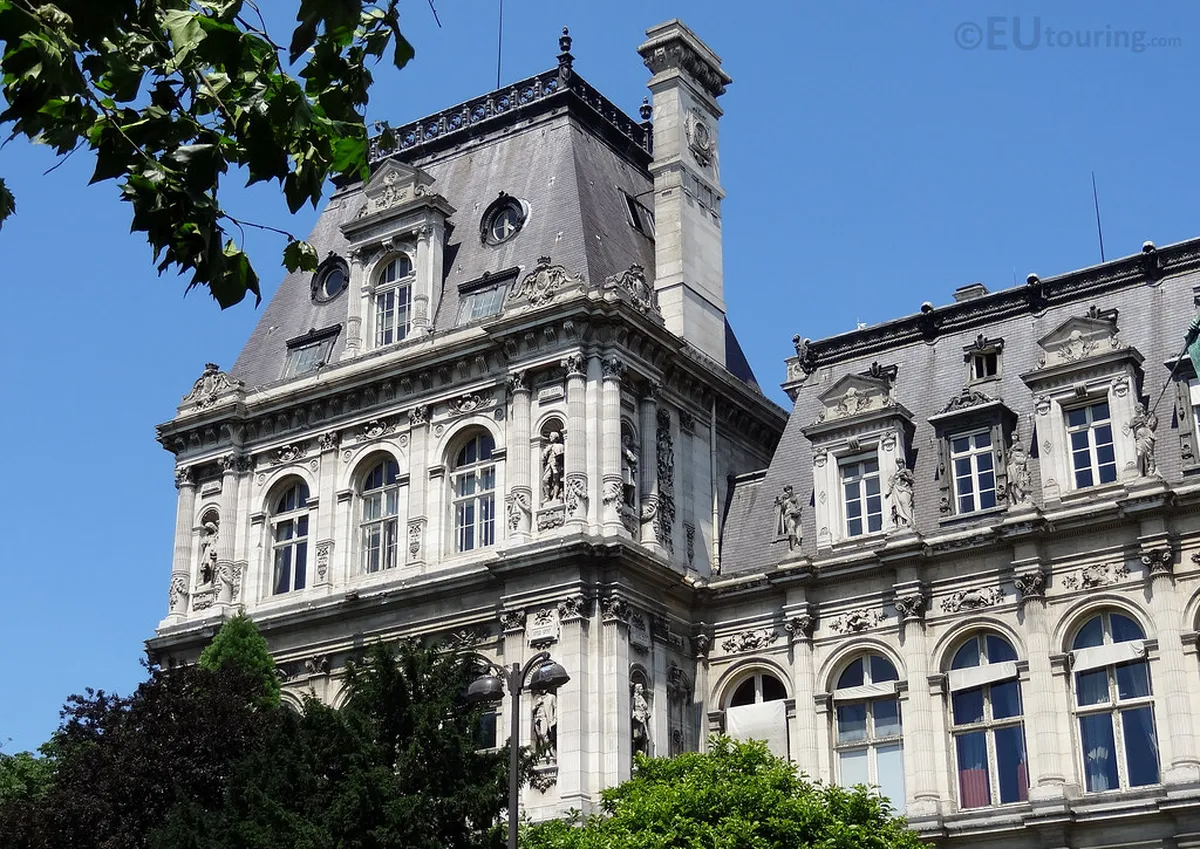
Exploring the Hôtel de Ville facade details reveals a unique architectural side of Carcassonne. This building stands as a prime example of French Art Deco design from the 1930s. Most visitors focus solely on the medieval city while missing this modern masterpiece nearby. You will find this impressive structure located within the vibrant Bastide Saint-Louis district.
The Influence of Art Deco in Carcassonne
Carcassonne is famous for its towers but holds several hidden 20th-century gems. Many visitors enjoy exploring the various Art Deco buildings in Carcassonne during their stay. The Hôtel de Ville serves as the crowning jewel of this artistic movement. Its design reflects the modernity and progress of the interwar period.
The building was constructed during a time of significant urban expansion for the city. Local architects wanted to create a space that felt both functional and highly prestigious. It replaced older structures to provide a modern seat for local government. This shift marked a new era in the history of Carcassonne.
Construction began in the early 1930s to modernize the administrative heart of the town. The facade represents a departure from the traditional stone houses found in the lower town. It stands as a symbol of the city's growth beyond its medieval origins. Architects utilized local labor and materials to complete this massive civic project.
Visitors in 2025 can still see the original design intent throughout the exterior walls. The building has survived decades of use while maintaining its crisp and sharp aesthetic. It serves as a bridge between the historical past and the modern functional present. Every corner of the exterior tells a story of local civic pride.
Geometric Harmony and Vertical Lines
The facade displays a strict adherence to symmetry and clean vertical lines throughout its structure. You will notice how the central section dominates the entire street-facing view from the square. This balance creates a sense of stability and authority for the local municipal building. Each element feels perfectly placed within the overall architectural framework of the late 1930s.
Architects used vertical pilasters to draw the eye upward toward the flat roofline. These features give the building a taller and more imposing appearance from the sidewalk level. The repetition of these lines provides a rhythmic quality to the smooth stone surface. It is a hallmark of the sophisticated Art Deco style seen in France.
Large rectangular windows are arranged in a precise grid across the main exterior wall. These openings emphasize the geometric themes that defined the modern movement during that era. The lack of excessive ornamentation on the upper floors keeps the focus on form. This simplicity reflects the industrial influences that were popular among architects at the time.
The corners of the building feature stepped recessed layers that add depth to the facade. These architectural details create interesting shadows when the sun hits the stone at different angles. This play of light and shadow was a key component of Art Deco exterior design. It ensures the building looks dynamic throughout the various hours of the day.
Intricate Sculptures and Exterior Reliefs
Looking closely at the Hôtel de Ville facade details reveals beautiful and symbolic stone carvings. These reliefs often represent themes of civic duty, local industry, and agricultural wealth. Skilled artisans carved these directly into the soft limestone during the initial construction phase. They add a layer of human storytelling to the rigid geometry of the walls.
The central balcony features decorative motifs that symbolize the strength of the French Republic. You can see patterns of wheat, fruit, and foliage framing the main administrative windows. These organic shapes contrast beautifully with the sharp angles of the surrounding stone work. This blend of nature and math defines the period's unique artistic vision.
Bas-relief panels are positioned above the main entrance to greet every visitor who enters. These panels depict scenes of local life and the traditional crafts of the Languedoc region. They celebrate the hard work of the citizens who built and maintained the city. Such details make the town hall a true monument to the local people.
The use of typography on the facade is also a notable Art Deco feature. The words for the city hall are carved in a stylized and modern font. This lettering integrates perfectly with the architectural lines of the stone blocks above the door. It demonstrates the attention to detail that went into every aspect of design.
The Central Entrance and Grand Windows
The main entrance acts as the primary focal point for the entire building design. Large wrought iron doors showcase intricate patterns typical of the 1930s French aesthetic. These doors remain a highlight for those on architectural walking tours in Carcassonne today. They welcome citizens with both modern elegance and a sense of permanence.
Windows on the facade are tall and narrow to enhance the overall vertical theme. The glass panels often feature subtle frosted designs or sturdy leaded metal frames. These openings allow natural light to flood the interior administrative offices and hallways. They also provide a clear view of the bustling city streets for workers.
Metalwork surrounding the windows includes geometric patterns that match the grand entrance doors. These small details ensure a cohesive look across the entire width of the facade. The contrast between the dark metal and the light stone is visually striking. It highlights the craftsmanship of the metalworkers who collaborated with the main architects.
The grand staircase inside is visible through the large windows of the central bay. This visual transparency connects the interior functions with the public space of the street. It was a revolutionary design concept for government buildings during the early 20th century. Today, it remains an impressive feature for any fan of urban architecture.
Material Selection and Preservation Efforts
Builders chose high-quality limestone to ensure the facade would last for many centuries. This material was sourced locally to reflect the region's natural and geological heritage. The light color of the stone catches the southern French sun beautifully in summer. It creates a bright and inviting presence in the center of the town.
Regular maintenance ensures that the delicate carvings stay visible and free from environmental erosion. Preservation teams work hard to clean the stone without damaging the original finish. You can see the sharp edges of the most recent 2025 restoration efforts. This care keeps the municipal history alive for all future generations to enjoy.
The use of reinforced concrete behind the stone facade was a modern innovation. This allowed the architects to create larger open spaces and taller walls without extra weight. It combines traditional French stone masonry with the structural benefits of industrial engineering. This hybrid approach is common in the best examples of 1930s architecture.
Visitors should notice the lack of discoloration on the facade despite its central location. The city implements strict rules to protect the building from traffic pollution and grime. This commitment to heritage ensures the Hôtel de Ville remains a source of local pride. It stands as a testament to the city's architectural diversity and care.
Frequently Asked Questions
Where is the Hôtel de Ville in Carcassonne located?
The Hôtel de Ville is located in the Bastide Saint-Louis district of Carcassonne. This area is the lower town situated across the river from the medieval city. It is easily accessible by foot from the main train station. You can find more details about architecture in Carcassonne on our regional guide pages.
When was the Carcassonne town hall building constructed?
The current building was constructed during the 1930s to replace an older facility. It features the classic Art Deco style that was popular in France at that time. The construction was part of a larger plan to modernize the city center. It has served as the municipal headquarters for nearly a century.
Can I take photos of the Hôtel de Ville facade details?
Yes, you can take photos of the facade from the public square. The morning light is usually the best for capturing the detailed stone carvings. Please be respectful of the people entering and exiting the building for official business. It is one of the most photographed modern buildings in the lower town.
The Hôtel de Ville facade details offer a fascinating look at modern Carcassonne history. This building proves that the city is more than just a collection of medieval towers. Visitors should take time to admire the 1930s craftsmanship during their next trip. We hope you enjoy discovering the unique Art Deco heritage of this beautiful French destination.
Key Takeaways
- The building is a prime example of 1930s French Art Deco architecture.
- Look for the symbolic stone carvings representing local industry and agriculture.
- The facade features strict symmetry and vertical lines that emphasize municipal authority.
- It is located in the Bastide Saint-Louis, offering a contrast to the medieval city.
Related reads: architecturebycity.com, theatre jean alary architecture.