
Lighting for Gothic Cathedral Interiors in Carcassonne
Learn how to master lighting for Gothic cathedral interiors in Carcassonne. Get expert photography tips for 2025 and capture stunning architecture today!
On this page
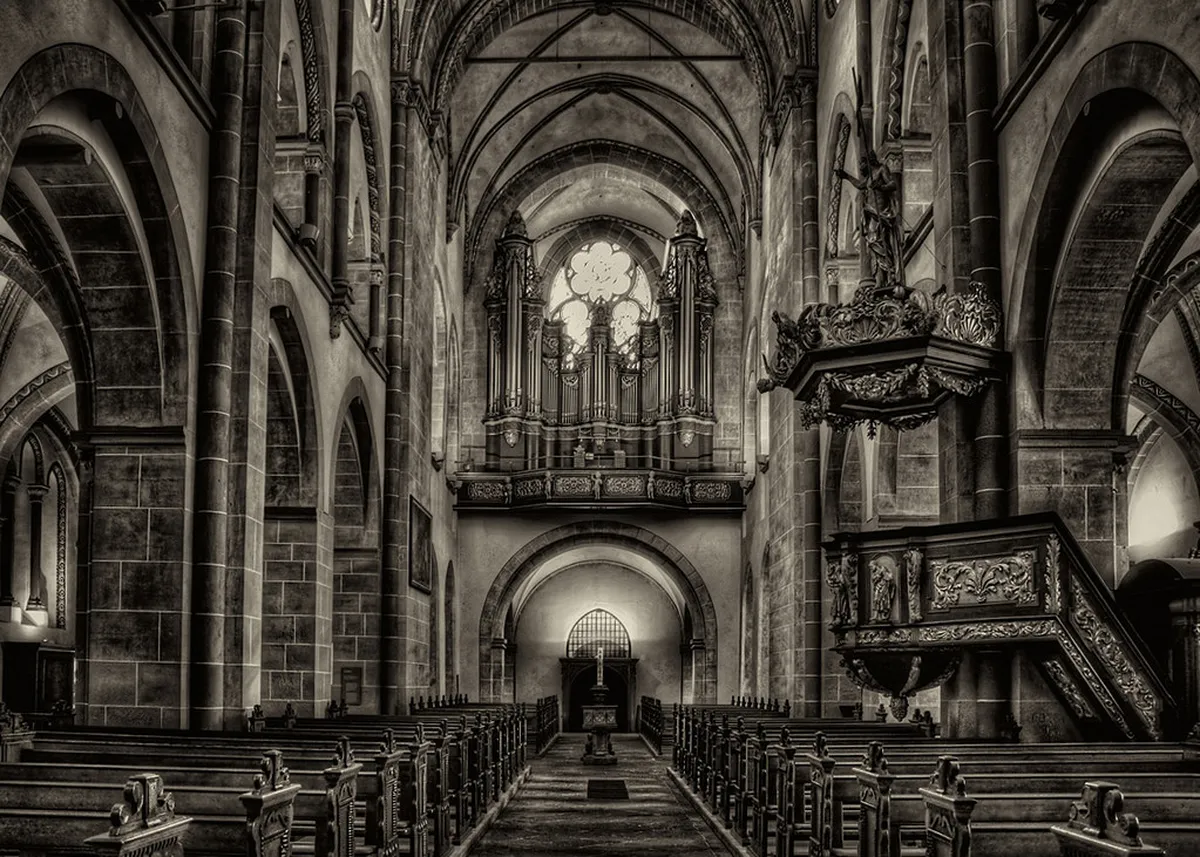
Gothic architecture in Carcassonne offers a unique and rewarding challenge for every professional photographer. Capturing the perfect lighting for Gothic cathedral interiors requires great patience and a specific technical skill. The dramatic shadows and vibrant stained glass create a complex environment for your modern camera.
This guide will help you navigate the dim spaces of the Saint-Nazaire basilica interior. Explore the best architecture photography spots in Carcassonne for your upcoming 2025 trip. You will learn how to balance natural light with the dark and ancient stone walls.
Understanding Natural Light in Gothic Spaces
The golden light enters through the high clerestory windows within the ancient cathedral structure. This illumination creates a heavenly glow against the cold and grey limestone walls today. You must observe how the sun moves across the stone floor during the entire day. The early morning light provides a soft and ethereal quality to your interior architectural shots.
The Basilica of Saint Nazarius features a unique mix of Romanesque and Gothic architectural styles. This combination affects how light bounces between the rounded arches and the pointed vaults. You will find that the Romanesque sections remain much darker than the Gothic choir areas. Plan your visit to capture the transition between these two very distinct lighting environments.
Soft light helps to reveal the intricate details of the stone carvings and statues. Avoid shooting when the sun is directly overhead to prevent harsh and distracting glares. The mid-morning sun offers the most balanced illumination for capturing wide interior cathedral views. You can see more details in our guide to Gothic and Romanesque churches in Carcassonne.
Managing Lighting for Gothic Cathedral Interiors
Capturing lighting for Gothic cathedral interiors requires a high dynamic range to keep fine detail. You should use a tripod to ensure your images remain sharp in these low-light conditions. Many photographers choose to bracket their exposures to capture every single highlight and shadow. This technique allows you to blend several images for a perfect and professional result.
The dark stone absorbs much of the light that enters through the stained glass windows. You will notice that the vaulted ceilings often remain in deep and mysterious shadows. Use a slow shutter speed to pull detail from these dark and cavernous interior spaces. This specific technique helps to create a sense of scale and grandeur in your photographs.
The restoration work by Viollet-le-Duc in Carcassonne influenced how we see these spaces today. His additions created new opportunities for light to play across the restored Gothic architectural features. You can photograph the sharp lines where light meets the deep shadows of the masonry. This contrast adds a powerful visual impact to your architectural photography collection for 2025.
Capturing Stained Glass and Color
The stained glass windows act as the primary light source for the cathedral choir area. These vibrant panels project colorful patterns onto the stone surfaces when the sun shines through. You must expose for the windows if you want to capture the rich interior colors. If you expose for the stone the windows will appear as bright and white blobs.
Each window tells a story through light and color that changes with the passing hours. The North rose window offers cool blue tones during the early part of the day. In contrast the South windows provide warm oranges and reds during the late afternoon hours. You should experiment with different exposures to find the perfect balance for each unique window.
Shadows play an important role when you are photographing these intricate glass and lead designs. The dark frames provide a structural grid that anchors the bright and glowing glass panels. You can use these lines to create a strong composition within your vertical interior shots. Focus your lens on the lead cames to ensure the glass remains perfectly sharp.
Technical Gear for Interior Cathedral Photography
Use a wide-angle lens to capture the full height of the soaring Gothic arches. A focal length between 14mm and 24mm works best for these massive and tall spaces. Set your aperture to f/8 or f/11 to maintain a deep depth of field. This ensures that both the foreground pews and the distant altar remain in focus.
Keep your ISO as low as possible to avoid digital noise in the dark areas. A low ISO setting preserves the fine textures of the ancient and weathered limestone walls. You may need a remote shutter release to prevent camera shake during long exposure shots. This tool is essential for achieving professional results in the dim and moody cathedral lighting.
Check your histogram frequently to ensure you are not clipping the highlights or the shadows. The histogram provides a visual representation of the light distribution across your entire image frame. Aim for a balanced curve that captures the full range of light within the cathedral. This careful monitoring will save you a lot of time during the post-processing editing phase.
Best Times for Gothic Interior Photography
Visit the cathedral during the weekdays to avoid the large crowds of weekend summer tourists. Fewer people mean you can set up your gear without blocking the main walking paths. Always check the schedule for religious services before you plan your photography session in 2025. You must remain respectful of the sacred nature of the space at all times.
The hours just after opening provide the quietest atmosphere for concentrated and creative interior photography. You will have more freedom to move around and find the best possible shooting angles. The staff may also be more accommodating if you arrive during the early morning hours. Always ask for permission before using a tripod in the more restricted church areas.
Late afternoon light creates long and dramatic shadows that stretch across the stone floor tiles. This time of day is perfect for capturing the mood and mystery of the space. You can find many unique perspectives by looking for light rays cutting through the dusty air. These moments provide some of the most iconic images of Gothic architecture in France.
Frequently Asked Questions
What is the best lens for Gothic interiors?
A wide-angle lens is essential for capturing the vast scale of the ancient Gothic cathedral. Aim for a focal length between 14mm and 24mm for the best possible interior results. This allows you to include both the floor and the vaulted ceiling in one shot.
Can I use a flash inside the cathedral?
You should avoid using a flash inside these historical and sacred architectural spaces in France. Flash destroys the natural atmosphere and creates harsh shadows on the ancient and weathered stone walls. It can also be very distracting for other visitors and worshippers inside the historical building.
How do I handle mixed light sources?
Set your white balance to daylight to capture the true colors of the stained glass. This setting helps to balance the natural sunlight with the warm glow of interior candles. You can also adjust the color temperature during the editing process for more precise results.
Capturing lighting for Gothic cathedral interiors requires a careful balance of technique and creative vision. Use these tips to improve your architectural photography during your next visit to Carcassonne in 2025. Remember to respect the space while you seek out the perfect shot of the stone.
Key Takeaways
- Use a wide-angle lens (14mm-24mm) to capture the full scale of the arches.
- Expose for the stained glass windows to preserve their rich and vibrant colors.
- Visit during weekday mornings to avoid crowds and find the best natural light.
Related reads: architecturebycity.com, architecture in carcassonne.