
Sainte-Chapelle of Chambéry Architecture Guide
Explore the Sainte-Chapelle of Chambéry architecture in 2025. Discover Gothic designs and Shroud history in this Savoy castle gem with our expert travel guide.
On this page
The Sainte-Chapelle of Chambéry architecture stands as a masterpiece of late Gothic design. This holy site sits inside the grand Château des Ducs de Savoie complex. Visitors often marvel at its elegant stone carvings and tall windows. It remains a vital symbol of Savoyard power and religious devotion.
Building began in 1408 under the order of Amadeus VIII. The chapel served as a private place of worship for the dukes. It later became famous for housing one of the most sacred relics. Its stones tell a story of royal ambition and artistic excellence.
The Exterior Features of Flamboyant Gothic Style
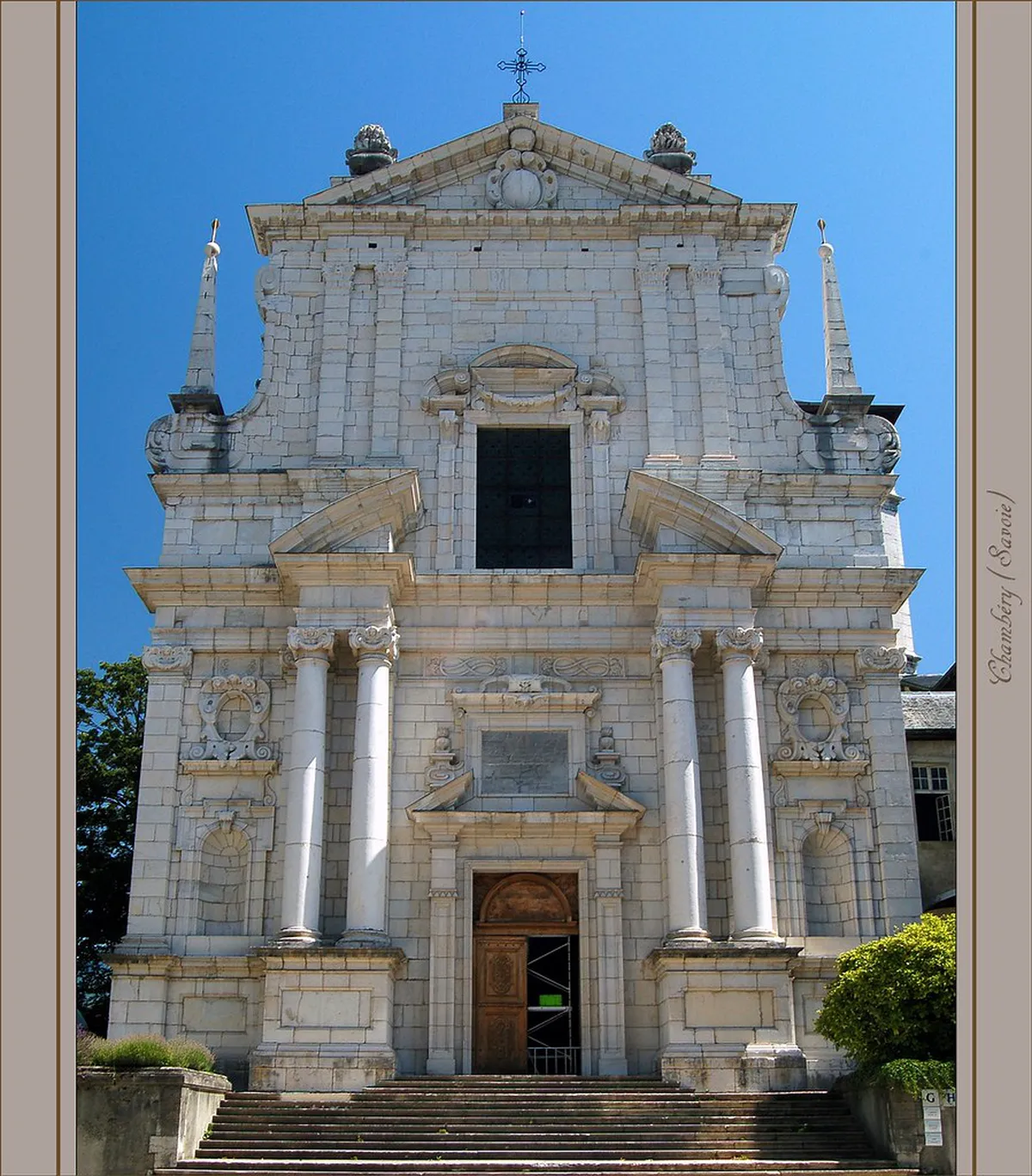
The exterior of the building showcases the beautiful Flamboyant Gothic architectural style. Architects designed the facade to look light and airy despite the heavy stones. Narrow windows reach up toward the sky to create a sense of height. This style was very popular during the final years of the Middle Ages.
Intricate stone carvings decorate the main entrance of the holy chapel. These details show the high level of skill found in local Savoyard masons. Many of the carvings depict religious scenes and traditional Savoyard symbols. They have survived for centuries because of the durable local limestone used.
The tall bell tower stands next to the main body of the church. This tower houses the famous carillon which contains seventy different bronze bells. People can see the tower from many points across the city of Chambéry. It helps guide tourists to the castle grounds during their visit.
Dukes of Savoy wanted a chapel that showed their great power and wealth. They hired the best architects of the era to complete the construction project. The building reflects the transition from medieval styles to the early Renaissance period. It remains a crowning jewel of the historic castle complex today.
Large buttresses support the weight of the high stone walls and roof. These structural elements allow for the large stained glass windows to exist. The balance between heavy stone and fragile glass is truly a technical marvel. Every visitor should take time to admire the building from the courtyard.
Interior Grandeur and Trompe-l'œil Artistry
The interior of the chapel is famous for its trompe-l'œil paintings. These 19th-century murals create an illusion of deep 3D space. They cover the ceilings and walls with vivid detail. Kazimir Vicario designed these incredible artistic works in the year 1836.
Painters used shadows and light to make flat surfaces look like carvings. This technique was very popular during the restoration of the chapel centuries ago. It gives the room a grand feeling that surprises every first-time visitor. The colors have been carefully preserved to maintain their original glow.
Gothic rib vaults span across the high ceiling of the nave. These arches distribute weight to the thick outer walls of the structure. The narrow nave creates a sense of divine height for all worshippers. It draws the eyes of every visitor upward toward the painted sky.
Stained glass windows date back to the early 16th century. They depict various scenes from the Bible and the history of Savoy. The colors remain vibrant even after many centuries of exposure to sun. They cast beautiful patterns on the stone floor during the afternoon hours.
Modern lighting highlights the textures of the stone and the painted murals. This helps visitors see the fine details that are high on the walls. The combination of light and shadow enhances the holy atmosphere of the room. It makes the Sainte-Chapelle a top destination for art lovers.
The Shroud of Turin Architectural Legacy
The chapel originally housed the famous Holy Shroud for many decades. This relic made Chambéry a major site for religious pilgrims in Europe. The architecture was specifically designed to protect this very precious treasure. Massive stone walls provided security for the sacred cloth inside the castle.
A fire in 1532 nearly destroyed the precious relic and the building. You can still see traces of historical repairs in the masonry today. The building underwent several changes after the fire occurred in the 16th century. Architects worked hard to maintain the original Gothic spirit during repairs.
The Shroud moved to Turin in the year 1578 for safety reasons. However, the chapel kept its high religious status in the Savoie region. It continues to be a focal point of Savoyard history and culture. The legacy of the Shroud remains within these ancient stone walls.
Pilgrims still visit the chapel to see where the Shroud once stayed. The altar area was built to showcase the relic to large crowds. You can feel the weight of history when standing in the nave. It is a place of deep reflection and architectural beauty.
The Dukes of Savoy invested heavily in the chapel to honor the relic. This investment led to the high quality of materials seen in the building. From fine marble to stained glass, no expense was ever spared. This dedication created the masterpiece we see in the current year.
Structural Innovation and Stone Masonry Details
The Sainte-Chapelle of Chambéry architecture uses high-quality limestone from the local mountains. This stone is durable enough to withstand the cold Alpine winters. Masons carved the stone with great precision to create the sharp Gothic arches. You can see the tool marks on some of the interior blocks.
Structural innovation allowed for a very high roof without internal pillars. The architects used external buttresses to push the weight of the ceiling down. This creates an open space that feels much larger than it is. It was a peak achievement for medieval engineering in the region.
- Pointed Arches: These help distribute weight more efficiently than round ones.
- Rib Vaults: These provide a strong skeleton for the high stone ceiling.
- Flying Buttresses: These support the walls from the outside of the building.
The layout of the chapel follows a traditional rectangular plan with one nave. This simple shape focuses all attention on the main altar at the front. Large windows on the side walls provide constant natural light for the art. It is a perfect example of late medieval religious planning.
Stone steps lead visitors from the courtyard up into the sacred space. These steps have been worn smooth by millions of feet over time. They connect the secular world of the castle to the holy chapel. This transition is a key part of the architectural experience.
Visiting the Historic Building in 2025
Planning a visit to see the architecture is very simple for tourists. The chapel is open for guided tours throughout the entire year. Tickets for the castle usually include access to the holy chapel as well. Check the official schedule before you arrive in the city of Chambéry.
Most tours last about sixty to ninety minutes for a full group. You should wear comfortable shoes for the many stone stairs and paths. Photography is often allowed without using a flash inside the sacred rooms. Please respect the silence of this holy space during your visit.
Exploring visiting Chambéry historic buildings is a great way to spend time. The chapel is the main highlight of the historic old town area. It offers a deep look into the regional past of the Savoie. It is a must-see for all architecture lovers in 2025.
The carillon plays beautiful melodies every Saturday at eleven in the morning. This is the best time to visit to experience the full atmosphere. The sound of seventy bells fills the air around the ancient castle. It is a unique musical experience you will never forget.
The chapel is located at Place du Château in the heart of Chambéry. It is easy to reach by walking from the main train station. Local buses also stop near the castle gates for your convenience. Plan for at least half a day to see everything properly.
Frequently Asked Questions
What is the main architectural style of the Sainte-Chapelle of Chambéry?
The chapel is primarily built in the Flamboyant Gothic style. This style features intricate stone tracery and tall, narrow lancet windows. It represents the height of medieval engineering in the Savoie region.
Who was the architect of the Sainte-Chapelle in Chambéry?
The construction was started by Nicolet Benoît in the 15th century. Later, many other craftsmen and architects added to the structure over the years. The Dukes of Savoy personally supervised much of the grand design work.
Why are the trompe-l'œil paintings so significant?
These paintings are some of the largest and best-preserved examples in Europe. They create a stunning 3D illusion on flat stone walls and ceilings. They were added in the 19th century to beautify the holy interior.
Can I hear the carillon bells play during my visit?
Yes, the famous carillon plays every Saturday at 11:00 AM in the morning. A professional carillonneur performs various melodies on the seventy bronze bells. It is a highlight for many visitors to the castle grounds.
The Sainte-Chapelle of Chambéry architecture is a stunning blend of Gothic and Renaissance styles. From the trompe-l'œil murals to the historic carillon, every detail is truly impressive. Visiting this site in 2025 offers a deep connection to European history. Plan your trip today to see this Savoyard treasure in person.
Key Takeaways
- The chapel features exceptional 19th-century trompe-l'œil murals.
- It once served as the home for the famous Shroud of Turin.
- A seventy-bell carillon plays historic music every Saturday morning.
- The Flamboyant Gothic exterior is a masterpiece of Savoyard masonry.
Related reads: architecturebycity.com, architecture in chambery, castle of the dukes of savoy tickets.