
Visit Château des Ducs de Savoie in Chambéry
Discover the Château des Ducs de Savoie in Chambéry. Learn about its history and architecture. Plan your 2025 visit to this iconic French monument today.
On this page
The Château des Ducs de Savoie stands as a symbol of power in the heart of Chambéry, France. This massive fortress served as the political seat for the Dukes of Savoy for several centuries. Visitors flock here to see the unique mix of medieval and administrative architecture from the 11th century. Exploring this site offers a deep look into the rich history of the Savoie region in 2025.
The castle complex dominates the skyline of the Old Town area with its tall towers and stone walls. It remains one of the most significant monuments in the French Alps for history and architecture lovers alike. You will find that the grounds currently house the Prefecture and Departmental Council of the Savoie region. This active government use keeps the site well-maintained and important to the modern life of Chambéry residents.
History of the Château des Ducs de Savoie
Construction began in the 11th century to protect the strategic Alpine passes leading into the Italian peninsula. The Dukes of Savoy expanded the site through the centuries to reflect their growing political and social status. Fire damaged several sections over the years but the castle always remained the center of regional governance. The architecture changed over time as each new duke wanted to leave a personal mark on the building.
In the 13th century, Count Amadeus V made significant improvements to the defensive walls and the main gates. These upgrades ensured the castle could withstand long sieges during the many local conflicts of the Middle Ages. The fortress became the permanent residence of the royal court when Chambéry was the capital of the duchy. This era established the site as a crucial hub for European diplomacy and power for many decades.
The 18th and 19th centuries saw more changes as the administrative needs of the region began to grow. New wings were added to provide office space for government officials and royal administrators working for the crown. Architects used more modern building materials during this phase to contrast with the original heavy medieval stone structures. You can still see where the old military walls meet the newer residential and office areas today.
Most of the castle remains standing despite the many wars that have swept across this part of France. Restorations in the 20th century preserved the most iconic elements for future generations to enjoy and study carefully. Walking through the halls today feels like traveling through a thousand years of French and Italian history combined. It is a rare place where administrative life and ancient history coexist in such a beautiful natural setting.
Main Architectural Features of the Castle
The castle features a complex blend of military fortifications and elegant administrative wings built over many eras. You can spot medieval stone towers standing next to refined structures showcasing Piedmontese baroque influence in Savoie styles. The massive Treasury Tower represents the defensive power of the early dukes who ruled the entire region. Walking through the courtyard reveals how the castle transitioned from a fortress into a grand palatial residence.
The Tour Yolande is a prominent feature that provides a perfect example of 15th-century military engineering and design. It houses a carillon consisting of 70 bells which is one of the largest in all of Europe. You can hear the bells ring out across the city during special events and regular weekend concerts throughout 2025. The tower itself offers incredible views of the surrounding mountains and the narrow streets of the historical center.
The Great Wing contains the main reception rooms where the Dukes once hosted grand banquets and international royal visitors. These rooms feature high ceilings and large windows that allow natural light to flood the interior spaces during the day. Many of the walls are decorated with historical paintings and ornate woodwork that highlight the wealth of the court. You will appreciate the attention to detail in the craftsmanship found in every corner of these formal halls.
Architects used local limestone for the primary construction which gives the castle its distinctive light grey and white appearance. This material has proven to be very durable against the harsh mountain weather that hits Chambéry every single winter. The blend of textures between the rough medieval blocks and the smooth Renaissance finishes creates a visually striking building. Every facade tells a different story about the changing tastes of the ruling Savoie family over several centuries.
The Sainte-Chapelle of Chambéry
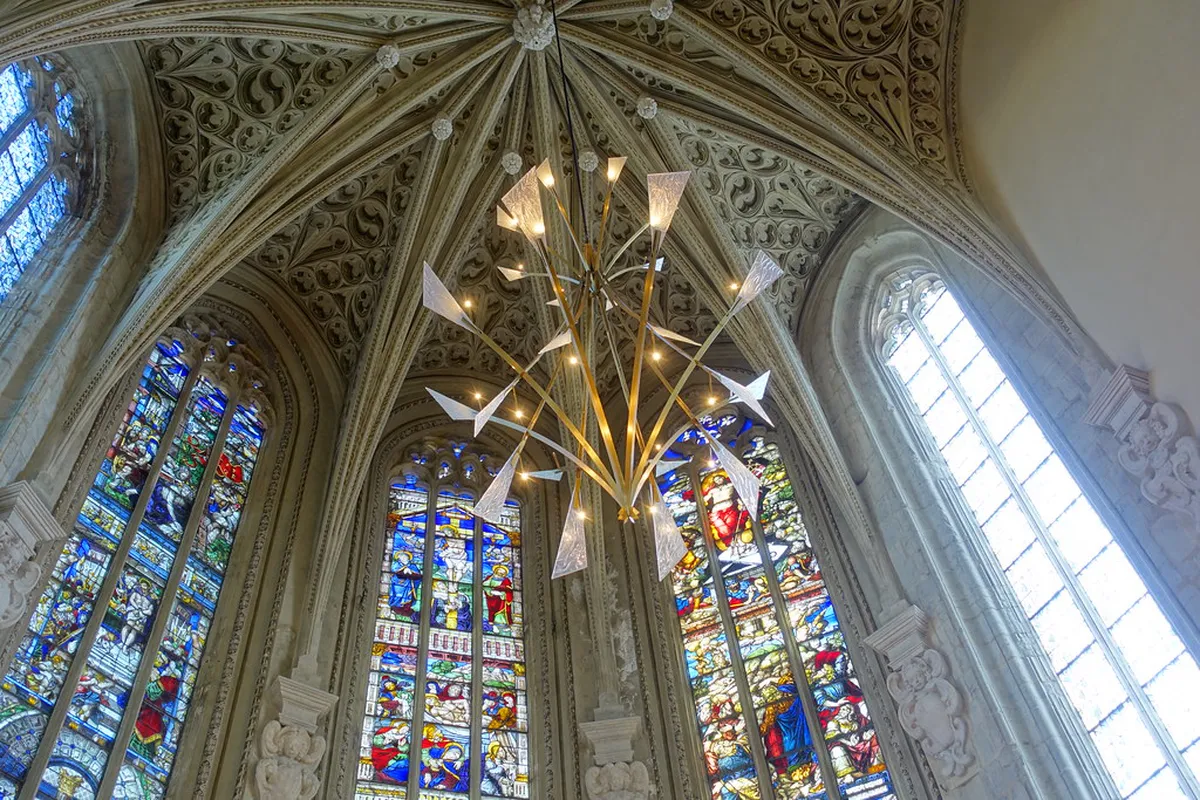
The Sainte-Chapelle is the most famous part of the Château des Ducs de Savoie for religious history. It once housed the Holy Shroud of Turin before the relic moved permanently to Italy in 1578. Gothic architecture shines through the beautiful stained glass windows and the intricate rib vaulting of the ceiling. You should admire the detailed facade that highlights the spiritual importance of this royal chapel in Savoie.
Inside the chapel, the atmosphere remains quiet and reflective, allowing you to appreciate the sacred art and design. The stained glass dates back to the 16th century and depicts various biblical scenes with vibrant blue and red hues. These windows are considered some of the finest examples of Renaissance glasswork in the entire Auvergne-Rhone-Alpes region. You can spend a significant amount of time studying the small details hidden within each religious glass panel.
The chapel facade was redesigned in the 17th century to follow the popular Baroque trends of that specific time. This addition gave the chapel a grand entrance that matches the status of the Dukes of Savoy as protectors. The interior layout remains mostly Gothic, creating a unique architectural contrast between the inside and the outside of the building. This mix of styles makes the Sainte-Chapelle a highlight for anyone interested in the evolution of religious architecture.
Musicians often use the chapel for concerts because the acoustics within the vaulted stone space are absolutely world-class. Hearing a choir perform here is an experience that many travelers describe as the highlight of their French trip. The chapel continues to host religious services for the community on special occasions throughout the current calendar year. It remains a living piece of heritage that connects the modern city to its deep medieval religious roots.
Planning Your Visit to the Castle in 2025
Plan your trip by checking Château des Ducs de Savoie tickets for current pricing and opening hours. Standard adult tickets usually cost around 10 euros for a guided tour of the historical medieval rooms. Guided tours are the only way to see the private chapel and the famous carillon of bells. Check the official schedule for 2025 because times often change during the winter and summer holiday seasons.
The castle is located at the end of the Rue de Boigne, which is the main shopping street. You can easily reach the entrance on foot from any part of the Chambéry city center or train station. Wear comfortable walking shoes because the tour involves climbing several flights of old stone stairs and crossing cobblestone paths. Most guided tours last about 90 minutes and provide a wealth of information about the Savoyard royal dynasty.
Booking your tour in advance is highly recommended during the peak summer months of July and August in 2025. Group sizes are limited to ensure everyone can hear the guide and move through the narrow corridors safely and easily. You can find ticket offices near the main gate or book online through the local tourism office website anytime. Early morning tours are often less crowded and provide a more intimate look at the historical castle interiors.
Photography is permitted in most areas of the castle grounds and the beautiful outdoor courtyards during your visit. However, some indoor sections with delicate paintings or religious artifacts may have restrictions on the use of camera flashes. Always follow the instructions of your guide to help protect these valuable pieces of French and Savoyard history. The gift shop near the exit offers books and souvenirs that explain more about the Dukes of Savoy.
Nearby Historical Landmarks in Chambéry
After visiting the castle, take a Chambéry architecture walking tour to see other local historical treasures. You can explore the allées of Chambéry which are hidden narrow passages connecting the old streets. These secret corridors offer a glimpse into medieval urban planning that still exists in the city center. Many of these paths lead to beautiful inner courtyards that are hidden away from the main public roads.
The Fontaine des Elephants is another must-see monument located just a short walk from the main castle gates. This famous fountain honors General de Boigne and features four life-sized elephants carved from solid grey limestone. It serves as a popular meeting point for locals and a great spot for taking photos of the city. The surrounding buildings showcase the 19th-century urban development that transformed Chambéry into a modern and elegant regional capital.
Walking through the historic district allows you to see many private mansions built by wealthy noble families of the past. These buildings feature ornate iron balconies and large wooden doors that lead to private gardens and grand marble staircases. The mix of Italian and French styles gives the city a unique atmosphere that you won't find elsewhere. Every street corner in this part of town reveals another interesting architectural detail or a historical commemorative plaque.
The Cathedral of Saint Francois de Sales is also nearby and houses the largest collection of trompe-l’œil paintings in Europe. This religious site complements the history you learned at the castle by showing the spiritual side of the city. You will find that the cathedral interior is a masterpiece of perspective and artistic skill from the 19th century. Visiting these sites together provides a complete picture of the cultural heritage that makes Chambéry so special.
Frequently Asked Questions
Can you visit the Château des Ducs de Savoie without a guide?
Most of the interior rooms and the chapel are only accessible through a scheduled guided tour for safety. However, you can walk through the main courtyard and admire the exterior architecture for free at any time. We recommend booking a tour to see the best historical features and the carillon of bells inside.
Is the castle accessible for people with limited mobility?
The historic nature of the castle means there are many stairs and uneven stone surfaces throughout the tour route. Some areas may be difficult to access for visitors using wheelchairs or those with significant mobility challenges today. Please contact the visitor center in advance to learn about specific accessible routes and modern elevator availability.
Where can I find more information about visiting Chambéry buildings?
The local tourism office provides detailed maps and brochures for all the major historical sites in the city center. You can also research visiting Chambéry historic buildings online to find information on combined tickets. This is the best way to plan a full day of sightseeing while saving money on entry fees.
The Château des Ducs de Savoie remains the heart of history and architecture in the city of Chambéry. Exploring its towers, chapel, and grand halls provides a deep connection to the royal past of France. Plan your visit for 2025 to experience this incredible monument and discover the hidden secrets of the Savoie. Book your guided tour today to ensure you see all the architectural highlights of this mountain fortress.
Key Takeaways
- Book a guided tour to access the Sainte-Chapelle and the 70-bell carillon.
- Visit during spring or summer 2025 for the best weather and concert schedules.
- Combine your castle visit with a walking tour of the hidden city passages.
- Wear comfortable shoes for climbing the historical stone stairs during the tour.
Related reads: architecturebycity.com, architecture in chambery.