
Piedmontese Baroque Influence in Savoie Architecture
Explore the Piedmontese Baroque influence in Savoie. Discover Chambéry's Italian roots, trompe-l'œil art, and 2025 travel tips in this architectural guide.
On this page
Chambéry serves as a cultural bridge between France and Italy. Its history is tied deeply to the House of Savoy. You can see the Piedmontese Baroque influence in Savoie through every street corner. This architectural style brings Italian flair to the French Alps.
Visiting the city today feels like stepping into a royal past. The dukes of Savoy left a lasting mark on the local skyline. Their love for Italian art transformed the city during the 17th century. This guide explores the unique beauty of these historic structures.
Plan your visit for 2025 to see these grand buildings in person. You will find stunning facades and hidden courtyards everywhere. The architecture in Chambéry offers a rare mix of styles. Let us dive into the details of this artistic legacy.
The Historical Ties of the House of Savoy
The House of Savoy ruled over a vast territory for many centuries. Their land included parts of modern France and Italy. Chambéry served as their original capital before they moved to Turin. This political connection allowed artistic ideas to flow freely between regions.
Architects from Turin often traveled across the mountains to design grand palaces. They brought the latest trends from the Italian courts to Savoie. This exchange created a style that felt both regal and welcoming. Local builders adapted these ideas to fit the alpine landscape.
The move to Turin in 1563 did not end the influence. Chambéry remained a vital administrative center for the royal family. They continued to invest in grand religious and civic buildings. You can still see their Château des Ducs de Savoie standing tall today.
This shared history created a unique aesthetic in the city. It blends the strength of French stone with Italian elegance. The results are some of the most beautiful buildings in Europe. Modern travelers can still feel the presence of the dukes here.
Defining Features of Piedmontese Baroque Style
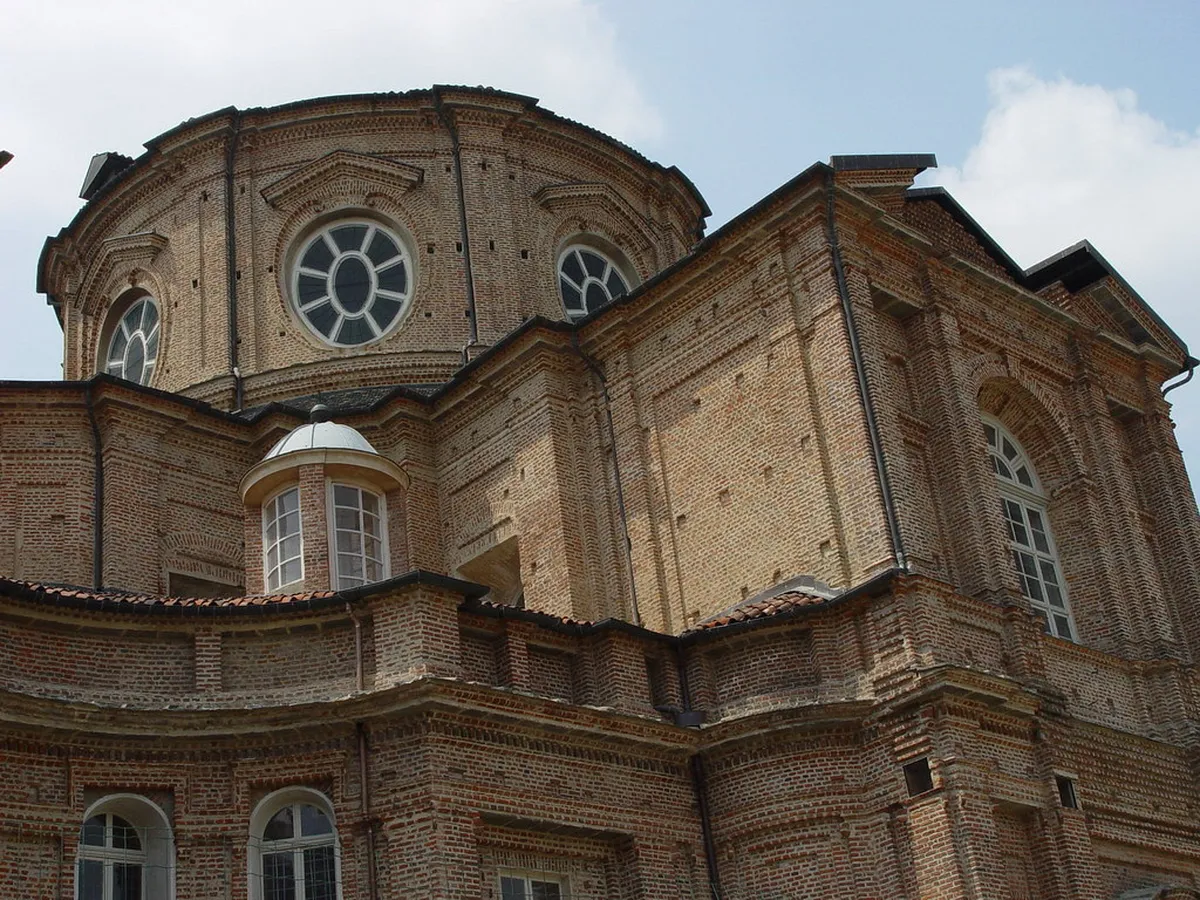
Piedmontese Baroque is known for its dramatic use of space and light. It often features curved lines and very ornate decorations. Stucco work is a common element used to decorate grand ceilings. These details reflect the wealth and power of the ruling class.
Many buildings in Chambéry use these techniques to impress visitors. The facades often feature tall windows and elaborate door frames. You might notice heavy ironwork on the balconies and gates. These elements were very popular in Turin during the Baroque era.
The interiors are just as impressive as the outside walls. Grand staircases are a major feature of many local palaces. They were designed to provide a theatrical entrance for noble guests. Symmetry and scale are the two most important factors here.
The use of local materials makes the style even more special. Builders used mountain stone to create these intricate Italian designs. This combination makes the Piedmontese Baroque influence in Savoie truly distinctive. It is a perfect blend of geography and artistic vision.
The Magic of Trompe-l'œil Wall Paintings
One of the most famous features of Chambéry is the use of illusion. Artists used the trompe-l'œil technique to decorate many public buildings. This method tricks the eye into seeing three-dimensional architectural details. It was a clever way to add grandeur without high costs.
You can find these paintings on the facades of many historic homes. They often depict fake windows, columns, or even statues. The level of detail in these artworks is truly breathtaking. They bring a sense of playfulness to the city's old streets.
The cathedral in Chambéry houses some of the best examples of this art. Its ceiling appears to be carved from stone but is actually paint. You can learn more about Chambéry trompe-l'œil paintings on a local tour. It is a highlight for any 2025 itinerary.
These paintings require constant care to maintain their vibrant colors. Local restorers work hard to preserve this fragile artistic heritage. Their efforts ensure that future generations can enjoy these optical illusions. It remains a signature of the Italian influence on the city.
Hidden Gems in the Allées of Chambéry
The urban layout of Chambéry is very different from other French cities. It features a network of narrow passages known as allées. These paths cut through buildings to connect different streets. They served as shortcuts for residents and merchants for centuries.
Exploring the allées of Chambéry reveals hidden courtyards and gardens. Many of these spaces feature beautiful Baroque balconies and stone arches. They offer a quiet escape from the busy main roads. You will feel like a local as you wander through them.
These passages also protected people from the harsh alpine weather. They provided shade in summer and shelter from snow in winter. The design mirrors the covered walkways found in many Italian towns. It shows how practical needs shaped the city's unique charm.
Some allées lead to grand townhouses known as hotels particuliers. These private residences often have the most ornate Baroque details. Take your time to look up at the intricate carvings. Every alleyway tells a story of the city's rich past.
Comparing Chambéry and Turin Architecture
It is helpful to compare Chambéry to its sister city in Italy. Turin is much larger but shares many of the same design roots. Both cities feature wide arcades that line the main shopping streets. These covered paths allow for walking even during rainy weather.
The use of color is another shared trait between the two cities. You will see warm yellows, oranges, and pinks on many walls. This color palette is very common in the Piedmont region of Italy. It creates a warm atmosphere that contrasts with the cold mountains.
The Chambéry vs Turin architecture comparison shows a clear family resemblance. While Turin is grander, Chambéry feels more intimate and preserved. Many visitors find the smaller scale of Savoie very charming. It offers a more accessible way to experience Baroque history.
Both cities celebrate their shared Savoyard identity through their public squares. Large statues and fountains often serve as central gathering points. The influence of Italian urban planning is visible in every major plaza. It makes the city feel open and very social.
Planning Your Architectural Tour in 2025
Visiting Chambéry in 2025 is a great way to see these sites. The city is very walkable and easy to navigate. Most major Baroque landmarks are located within the historic center. You can see the main highlights in just one or two days.
Start your walk at the Place de l'Éléphant to see the famous fountain. From there, head toward the cathedral to see the incredible paintings. Many of the historic hotels particuliers are open to the public. Check local opening times before you begin your journey.
- Visit the Cathedral of Saint-François-de-Salles for art.
- Explore the Château des Ducs de Savoie for history.
- Walk through the Rue de Boigne for grand arcades.
Guided tours are available for those who want deeper insights. Local experts can point out details that are easy to miss. They can also share stories about the dukes who built these wonders. Enjoy the blend of French and Italian culture in 2025.
Frequently Asked Questions
What defines the Piedmontese Baroque influence in Savoie?
This influence is defined by ornate stucco, curved lines, and grand facades. It reflects the artistic styles brought from Turin by the House of Savoy. You will also see many trompe-l'œil paintings on building exteriors.
Why does Chambéry look more Italian than other French cities?
The city was the capital of the Duchy of Savoy for centuries. Its rulers had close ties to Italian culture and architects. This history created a unique Italianate atmosphere that remains very visible today.
Where are the best places to see Baroque art in Chambéry?
The Cathedral of Saint-François-de-Salles is the top spot for Baroque art. You should also explore the hidden courtyards within the city's famous allées. The Rue de Boigne offers grand Italian-style arcades as well.
Is it easy to visit Chambéry for an architecture tour in 2025?
Yes, the city is very compact and perfect for walking tours. Most historic buildings are located close together in the old town. You can reach the city easily by train from Paris or Lyon.
Chambéry is a true hidden gem for lovers of European architecture. The Piedmontese Baroque influence in Savoie creates a unique and beautiful city. From grand palaces to hidden alleys, there is so much to see. Make sure to visit in 2025 to experience this history yourself.
Take time to appreciate the small details on every building facade. The legacy of the House of Savoy lives on in these stones. This city offers a perfect mix of French charm and Italian elegance. Start planning your architectural adventure in Chambéry today!
Key Takeaways
- Chambéry was the original capital of the House of Savoy before Turin.
- The city features extensive trompe-l'œil paintings that mimic architectural details.
- Italian-style allées and arcades define the unique urban layout of the city.
- The Piedmontese Baroque style uses curved lines and ornate stucco decorations.
- 2025 is an ideal time to explore the well-preserved historic center on foot.
Related reads: architecturebycity.com.