
Guide to The Allées of Chambéry: Hidden Secrets
Discover the Allées of Chambéry with our guide. Explore secret medieval passageways and stunning urban architecture in 2025. Start your adventure now!
On this page
Explore the hidden beauty of the Allées of Chambéry during your next trip to the French Alps. These secret passageways offer a unique glimpse into the medieval history of this charming and historic city. Wander through narrow corridors that connect the bustling streets with quiet, private courtyards in the old town. This guide provides everything you need to know for your urban exploration adventure in Savoy this year.
The History of Secret Passageways in Savoy
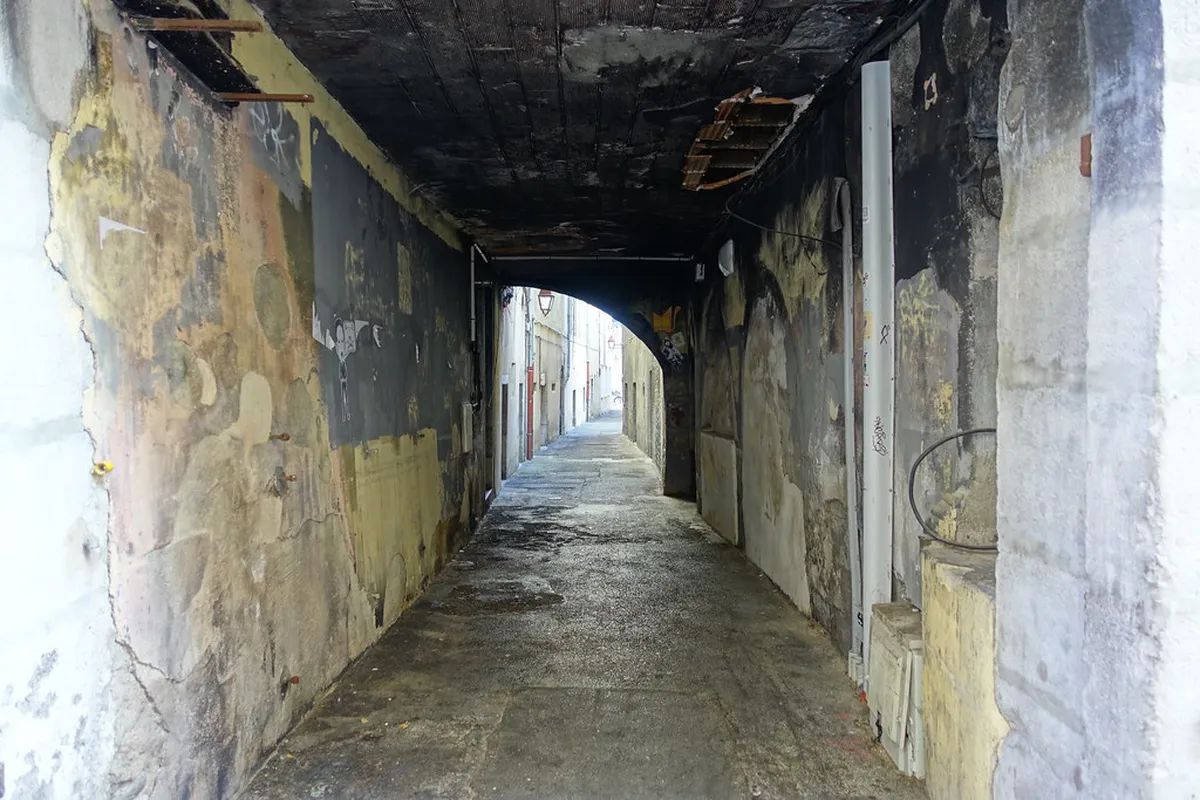
The historic center of Chambéry features a dense network of covered walkways known locally as the famous allées. These passageways were originally built to protect residents from harsh alpine weather while moving between narrow townhouses. You can learn about the architecture in Chambery by walking through these ancient stone paths today. The city served as the capital of the Duchy of Savoy for many centuries during the medieval period.
The passages were built close together to save space within the fortified walls of the ancient alpine city. This dense urban design helped protect the citizens from the cold winds coming from the surrounding French mountains. Each corridor has a unique character that reflects the period in which the nearby buildings were first constructed. You will find stone arches and wooden beams that have survived for hundreds of years in these alleys.
Many of these paths were also used for defensive purposes to allow soldiers to move quickly through the town. The narrow entrances were easy to defend against invaders while keeping the city layout complex and very confusing. Today, these historic routes serve as a reminder of the strategic importance of the city in regional history. They provide a peaceful escape from the modern traffic and noise found on the main city streets nearby.
Exploring these paths allows you to step back in time and experience the authentic atmosphere of old Savoy. Most of the allées remain open to the public during the day for tourists and local residents alike. You should look for the subtle markings on the stone walls that indicate where each secret passage begins. Every turn reveals a new perspective on the rich cultural heritage of this stunning destination in southeast France.
Architectural Features of the Hidden Courtyards
The architecture of these passages reveals the wealth of the Savoyard nobility who once lived in the center. The tall buildings often hide beautiful spiral staircases made of local stone and intricate iron railings for visitors. You will notice many of the hotels particuliers of Chambery are connected by these secret corridors. These private mansions showcase the social status of local families during the height of the Duchy of Savoy.
Look upward to see the decorative balconies and ornate window frames that overlook the small and quiet inner courtyards. These spaces often feature traditional stone paving and climbing plants that create a lush and very green environment. The contrast between the dark corridors and the bright sunlit courtyards makes for a truly magical sensory experience. Many courtyards still contain old wells and stone basins that were used by the residents in past centuries.
The construction materials used in these allées include heavy oak beams, grey limestone, and classic lime-based plaster finishes. These natural materials have aged beautifully over time to create the warm and inviting textures you see today. Some passages feature vaulted ceilings that demonstrate the advanced engineering skills of the medieval masons who built them. Architects often visit these sites to study the clever use of vertical space in such a crowded area.
Preservation efforts in 2025 ensure that these historical structures remain safe and accessible for all future travel generations. Local authorities work hard to maintain the original appearance of the stone walls and the traditional wooden doors. You can still see the original house numbers and old signs that guided people through the labyrinth long ago. These details provide a tangible connection to the daily lives of people who lived here many centuries ago.
Best Allées of Chambéry for Photography
Finding the best Chambery alleyways for photography requires patience and a keen eye for light. The narrow spaces create dramatic shadows that change throughout the day as the sun moves across the sky. We recommend visiting during the early morning hours to capture the soft light reflecting off the old stone walls. You will find fewer people in the passages at this time, which is perfect for taking clear photos.
One of the most photogenic spots is the passage connecting Rue de la Croix d'Or with the Place Saint-Léger. This area features high arches and beautiful perspectives that lead the eye toward the historic clock tower nearby. The Rue Basse also offers several secret entrances that lead to some of the most stunning private courtyards. Always remember to turn off your camera flash to preserve the natural ambiance of these dark and moody spaces.
Capture the small details like the rusted door knockers and the moss growing between the ancient stone floor tiles. These close-up shots help tell the story of the age and the history of the secret urban network. Use a wide-angle lens to capture the full height of the buildings surrounding the small and narrow courtyards. The vertical lines of the staircases provide excellent geometric compositions for your professional or social media travel photos.
Be sure to respect the privacy of the residents who still live in the apartments above these public paths. Avoid taking photos of private windows or personal belongings to maintain a positive relationship with the local community. Many people are happy to share their neighborhood as long as visitors remain quiet and very respectful throughout. Your best photos will be the ones that capture the quiet soul of this ancient and mysterious city.
Piedmontese Influence on Local Urban Design
The Piedmontese baroque influence in Savoie is visible in the ornate decorations of the hidden courtyards. You will see grand facades and elegant proportions that resemble the architecture found in the city of Turin, Italy. This style was brought to the region when the Dukes of Savoy moved their primary court across the mountains. The blend of French and Italian styles creates a unique urban aesthetic that is only found in this area.
Notice the use of warm ochre and terracotta colors on the plastered walls within the many hidden city passages. these vibrant colors help to brighten the narrow spaces even on the cloudy days in the alpine region. The influence extends to the design of the internal staircases which often feature grand and very wide steps. These architectural choices reflect the desire for elegance and comfort among the ruling class of the Savoyard state.
Many of the courtyards contain small fountains or decorative niches that were inspired by the Italian Renaissance gardens. These features were intended to provide a sense of luxury and refinement within the dense and crowded city walls. You can find examples of trompe-l'oeil paintings that create the illusion of extra space on the flat stone walls. These clever artistic techniques are a hallmark of the Piedmontese style that flourished during the seventeenth and eighteenth centuries.
Walking through the allées feels like traveling between two different European cultures within a single historic urban center. The strength of the stone reflects French tradition while the elegance of the decoration speaks to Italian artistic tastes. This cultural fusion makes Chambéry one of the most interesting cities to visit for lovers of European history. Take your time to appreciate how these two distinct styles work together to create a harmonious urban environment.
Tips for Navigating Medieval Streets in 2025
You can find a hidden passageways map Chambery at the local tourism office to guide your walk. This map identifies which paths are open to the public and which remain private for the local residents. Most public allées are open twenty-four hours a day but we suggest visiting between nine and six. Wear comfortable walking shoes because the ancient stone floors can be uneven and quite slippery when they are wet.
Start your urban exploration at the Place Saint-Léger which is the main pedestrian heart of the historic old town. Look for the tall, narrow doors that appear to be closed but are actually open for public passage. Some entrances are marked with a small metal plaque or a specific color of paint on the door frame. Do not be afraid to push open a door if it is clearly marked as a public allée.
The cost of exploring these secret paths is completely free for all visitors to the city of Chambéry today. This makes it an excellent activity for budget travelers who want to see the authentic side of the town. You should allow at least two hours to see the most important passages without feeling rushed or tired out. Many of the best paths are located near the Fontaine des Éléphants which is a famous local landmark.
Be mindful of your noise levels as the narrow corridors tend to echo and amplify every single small sound. Keeping your voice down ensures that these historical areas remain a peaceful place for everyone who lives there. We recommend bringing a small flashlight to see the details in the darkest parts of the long covered walkways. Enjoy the sense of discovery that comes with finding a new path that few other tourists ever see.
Frequently Asked Questions
Are the allées of Chambéry free to visit for tourists?
Yes, all of the public allées in the historic center are completely free for everyone to visit. You do not need a ticket or a guide to walk through these beautiful and ancient secret passages. This makes urban exploration in Chambéry a great activity for families and budget travelers visiting the region.
Can I visit the allées during the night or evening?
Most public allées remain open throughout the night for the residents who live in the historic town center. However, we recommend visiting during daylight hours to see the architectural details and stay safe on the steps. Please keep noise to a minimum after eight in the evening to respect the local people sleeping nearby.
How many secret passages are located in the old town?
There are over one hundred secret allées hidden within the historic streets of this beautiful and ancient French city. Only a portion of these are open to the public while others remain private for the local residents. You can easily find the main public paths by using a map from the local tourist information office.
Is it safe to walk through these narrow medieval corridors?
The allées are generally very safe and are used daily by the local community for walking and moving around. You should watch your step on the old stone floors because they can be quite uneven in some places. Ensure you stay in the well-lit areas if you choose to explore the paths after the sun goes down.
What is the best starting point for an urban tour?
We recommend starting your walking tour at the Place Saint-Léger because it has the highest concentration of public entrances. From there, you can easily reach the Rue de la Croix d'Or and the Rue Basse within a few minutes. This central location is surrounded by many cafes and shops where you can rest after your long walk.
The Allées of Chambéry offer a unique and unforgettable way to experience the deep history of this alpine city. By following this guide, you can discover hidden courtyards and stunning architecture that most visitors completely miss. Plan your visit for 2025 to see these medieval wonders for yourself and enjoy the local Savoyard culture. Do not forget to download your map and start your urban exploration adventure in the heart of France today.
Key Takeaways
- Entry to all public allées is free and they are open daily for urban exploration.
- The best light for photography occurs during the early morning hours in the narrow corridors.
- Always remain respectful and quiet to protect the privacy of the local residents living there.
Related reads: architecturebycity.com, chateau des ducs de savoie.