
Aiguille du Midi Base Station Design in Chamonix
Explore the Aiguille du Midi base station design in Chamonix. Learn about Brutalist infrastructure in the Alps and functional 2025 travel tips here.
On this page
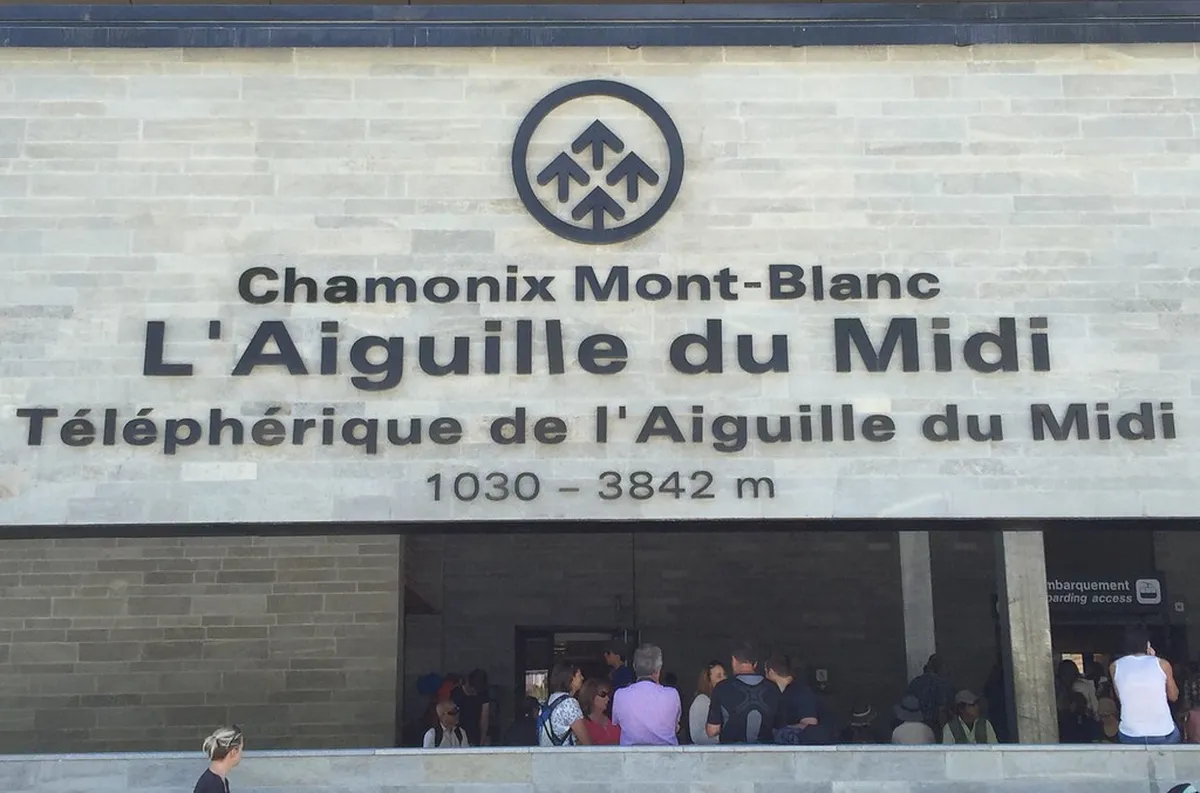
The Aiguille du Midi base station design stands as a landmark in the center of Chamonix today. This structure serves as the primary gateway to the high peaks of the Mont Blanc massif. Visitors find the building at the end of the Rue du Lyret near the town center. It represents a bold example of mid-century alpine engineering and functionalist aesthetic choices.
This iconic facility manages thousands of visitors every day during the busy summer and winter seasons. The design reflects the era of rapid tourism expansion in the French Alps during the 1950s. Architects focused on movement and efficiency when they planned this massive concrete and glass terminal. It remains a vital piece of architecture in Chamonix for modern travelers in 2025.
Brutalist Infrastructure in the Alps: A Legacy
The station is a prime example of Brutalist infrastructure in the Alps from the post-war period. Architects utilized raw concrete to create a structure that could withstand harsh mountain weather conditions. This style emphasizes the honest expression of materials and the clear function of the building. Large rectangular forms dominate the exterior and provide a sense of permanence and strength.
You will notice the heavy use of cast concrete throughout the main boarding and waiting areas. These materials were chosen for their durability and low maintenance requirements in high-altitude environments. The building contrasts sharply with the traditional wooden chalets found in other parts of the valley. It serves as a reminder of France's industrial and technological ambitions during the twentieth century.
The interior spaces are vast and designed to funnel large crowds toward the cable car cabins. High ceilings and wide corridors prevent congestion during the peak morning rush for the first lifts. You can see how the structural bones of the building remain visible to the public. For more on this style, explore Brutalist infrastructure in the Alps across the Savoy region.
Modern renovations in 2025 have updated the lighting and signage within the existing concrete shell. These updates preserve the original character while improving the overall flow for international tourists. The station maintains its original rugged charm while meeting current safety and accessibility standards for all guests.
Functional Layout and Visitor Flow Management
The layout of the base station focuses entirely on the efficiency of the cable car system. Ticket offices are positioned at the entrance to greet visitors arriving from the main town. Digital displays now provide real-time weather updates and mountain conditions for the Aiguille du Midi summit. This clear communication helps travelers prepare for the extreme temperatures found at 3,842 meters.
Queuing areas use a serpentine system to organize the hundreds of mountaineers and sightseers waiting for departures. The boarding platforms are elevated to align perfectly with the incoming and outgoing panoramic cabins. Steel and glass partitions separate the different boarding zones to ensure a safe and orderly process. This logical organization is a hallmark of the Aiguille du Midi base station design.
Facilities within the station include a boutique, a cafeteria, and essential public restrooms for arriving guests. Storage lockers are available for mountaineers who need to leave heavy gear behind for the day. These amenities are integrated into the lower levels of the concrete structure to maximize available space. Everything is designed to facilitate a quick transition from the valley to the high peaks.
The station also features a large courtyard where visitors can gather before their designated boarding time. This outdoor space offers views of the cables stretching up toward the first intermediate station. It serves as a staging ground for guided groups and independent alpine climbers throughout the year. The open design allows for natural light to reach the lower levels of the terminal.
Aiguille du Midi Architectural Engineering Details
The engineering of the base station required anchoring massive tension cables deep into the valley floor. These cables must support the weight of the cabins and the thousands of passengers transported daily. Heavy steel pylons are integrated into the concrete base to distribute the physical forces of the machinery. This integration of mechanical and architectural elements is a triumph of alpine construction techniques.
The machinery rooms are located behind thick concrete walls to dampen the sound of the electric motors. Large windows allow curious visitors to glimpse the giant pulleys that drive the entire cable system. This transparency highlights the technical complexity required to operate the world's most famous aerial lift. You can study the Aiguille du Midi architectural engineering to understand these impressive feats.
Building at the base of a steep mountain slope presents significant geological and environmental challenges for architects. The foundation must resist potential ground movement and the heavy weight of winter snow accumulation. Reinforced concrete beams provide the necessary structural rigidity to handle these constant environmental pressures. Engineers in Chamonix continue to monitor these structures to ensure long-term stability and safety.
In 2025, the station incorporates smart sensors to track the structural health of the cable anchors. These modern additions help maintenance teams perform proactive repairs without disrupting the busy lift schedule. The original 1950s design remains robust enough to support these advanced technological integrations today. It is a testament to the quality of the original alpine construction plans.
Materials and Sustainability in Alpine Design
Concrete remains the dominant material in the Aiguille du Midi base station design for several reasons. It offers excellent thermal mass which helps regulate indoor temperatures during the cold winter months. Local stone accents were added in certain areas to help the building blend with the valley floor. This combination of industrial and natural materials defines the unique aesthetic of the Chamonix lift terminals.
- Reinforced Concrete: Provides the primary structural support and durability for the heavy lift machinery.
- Industrial Steel: Used for the cable supports, boarding gates, and internal staircases throughout the building.
- Tempered Glass: Large panes allow for natural light while protecting visitors from the wind and rain.
- Local Granite: Incorporated into the exterior walls to reference the surrounding peaks of the massif.
Sustainability efforts in 2025 focus on reducing the energy consumption of the large interior spaces. New insulation materials have been added to the roofs to prevent heat loss during the winter. LED lighting systems have replaced older fixtures to lower the electricity demands of the entire terminal building. These small changes help the historic structure meet modern environmental goals without changing its look.
The station also manages waste through a comprehensive recycling program located near the exit gates. Water management systems have been updated to handle the high volume of visitors more efficiently. These practical details ensure the building can continue to operate in a sensitive mountain ecosystem. Architects now look to these mid-century structures for lessons in longevity and material performance.
Frequently Asked Questions
Where is the Aiguille du Midi base station located?
The base station is located at 100 Place de l'Aiguille du Midi in Chamonix. It is a short walk from the town center and the Chamonix-Sud bus station. You can easily find it by following signs for the 'Telepherique de l'Aiguille du Midi'.
When was the Aiguille du Midi base station built?
The current station design dates back to the mid-1950s when the cable car opened. It has undergone several interior renovations to modernize the visitor experience for 2025. The core structure remains an example of post-war Brutalist infrastructure in the Alps.
Do I need to book tickets for the Aiguille du Midi in advance?
Yes, booking in advance is highly recommended during the summer and winter peak seasons. You can reserve a specific boarding time to avoid long waits in the base station. This is especially important for those planning to visit early in the morning.
The Aiguille du Midi base station design is a masterpiece of functional alpine architecture. It successfully bridges the gap between the town of Chamonix and the high peaks of Mont Blanc. Whether you are an architecture fan or a climber, the station offers a fascinating experience. Plan your visit in 2025 to see this iconic piece of mountain history for yourself.
Key Takeaways
- The station is a significant example of Brutalist architecture in the French Alps.
- The design prioritizes visitor flow and the management of large crowds efficiently.
- Concrete and steel materials ensure the building survives harsh alpine weather conditions.
- Modern updates in 2025 have improved sustainability and the overall tourist experience.
Related reads: architecturebycity.com, modernist lift stations chamonix.