
Mediatheque l'Apostrophe Renovation in Chartres
Explore the Mediatheque l'Apostrophe renovation in Chartres. See how this 2025 case study highlights modern design in a historic building. Plan your visit!
On this page
The Mediatheque l'Apostrophe renovation stands as a landmark project in Chartres today. This building was once the main post office for the local community. It now serves as a vibrant center for culture and digital learning. The transformation shows how old structures can gain new life in 2025.
Architects faced a big challenge with this historic site. They wanted to keep the classic charm of the original facade. At the same time, they needed to add modern technology and open spaces. This case study looks at how they achieved this balance perfectly.
Visitors today can see the results of this careful architectural work. The library is a key part of the city's modern identity. It attracts researchers, students, and tourists from all over the world. It is truly a highlight of the urban landscape in France.
History of the Original Post Office Building
The original building was completed in 1928. It was designed by the famous architect Raoul Brandon. The style reflected the grand Art Deco trends of that era. It served as the central hub for mail and communication.
The facade features beautiful stone carvings and tall windows. These elements made it one of the most visible buildings in Chartres. Over the decades, the needs of the city began to change. The old post office eventually needed a brand new purpose.
The city decided to turn the space into a library. This decision protected the building from being torn down. It allowed the history of the site to remain intact. The project began with a focus on preserving every historic detail.
Restoring the stone was a major part of the early work. Workers cleaned the exterior to reveal the original light colors. This set the stage for the modern interior changes to follow. The building was ready for its next big chapter.
Architectural Design and Structural Changes
The renovation was led by a team of expert modern architects. They wanted to create a sense of transparency inside the halls. To do this, they removed many of the old interior walls. This created a large, open space for the public to enjoy.
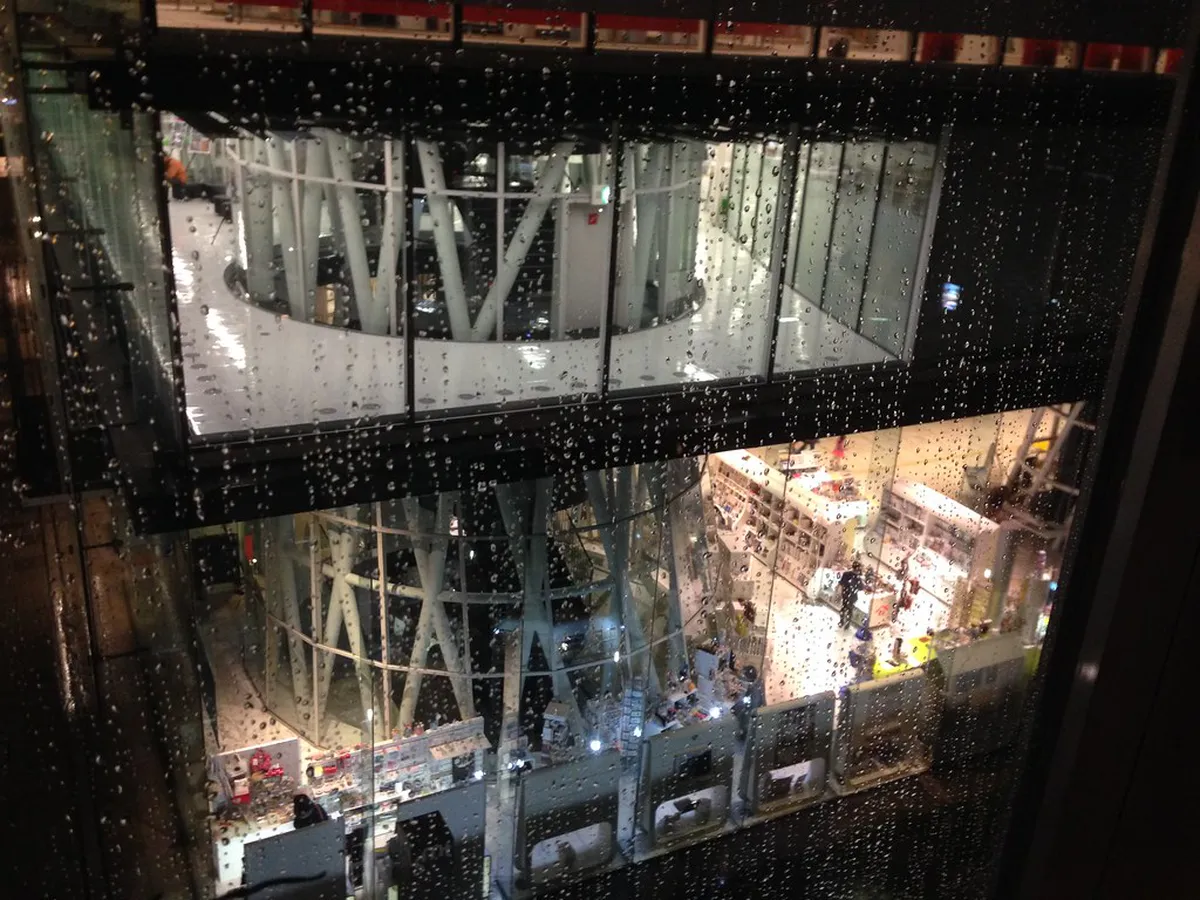
Huge glass partitions were added to divide the different reading sections. These glass walls allow light to flow through the entire building. It makes the interior feel much larger than it actually is. The contrast between stone and glass is very striking.
Structural steel was used to support the new upper levels. This allows for heavy bookshelves to be placed safely on high floors. The engineers worked hard to hide these modern supports from view. The result is a clean and very professional look.
The grand staircase was also updated during the renovation process. It now combines the original metalwork with sleek modern materials. This feature connects the past and the present for every visitor. It is a favorite spot for architectural photographers in 2025.
A Highlight of Modern and Contemporary Buildings
The library is a prime example of modern and contemporary buildings in Chartres. It shows that the city is more than just its medieval roots. This project proves that modern design can thrive next to history. It sets a high standard for future urban projects.
Many cities struggle to update their historic centers with new styles. Chartres succeeded by choosing a design that respects the existing scale. The height of the library matches the surrounding buildings perfectly. It feels like a natural part of the downtown area.
The use of light is a central theme in this contemporary project. Large skylights were installed to bring in the bright French sun. This reduces the need for artificial lighting during the daytime hours. It creates a warm and inviting atmosphere for everyone inside.
Local leaders hope this project inspires more modern designs in France. It demonstrates that adaptive reuse is a sustainable way to build cities. You can see this influence in several other new sites nearby. The library has become a model for successful urban renewal.
Interior Layout and Visitor Services in 2025
The interior is organized into several specialized zones for different users. There is a dedicated area for children and young adult readers. Another section focuses on local history and rare archival documents. Every floor is designed to be quiet and very comfortable.
Modern technology is integrated into every corner of the library. Visitors have access to high-speed internet and digital media stations. There are also private rooms for group study and business meetings. These services are essential for a modern community hub in 2025.
The ground floor features a cozy café and a small shop. This encourages people to stay longer and enjoy the social space. It has become a popular meeting point for local residents and students. The library is more than just a place for books.
Accessibility was a major priority during the latest renovation phases. Ramps and elevators allow everyone to reach the upper floors easily. This inclusive design ensures that all citizens can benefit from the space. It is a welcoming environment for every member of the public.
Importance to the Architecture in Chartres
This site is a critical piece of the broader architecture in Chartres. Most people visit the city to see the famous Gothic cathedral. However, l'Apostrophe offers a different perspective on the local building styles. It represents the growth of the city in the twentieth century.
The building helps bridge the gap between different architectural eras. It sits between the old medieval streets and the newer commercial zones. This location makes it a gateway for people exploring the city center. It guides visitors through the different layers of local history.
Preserving such a large building requires constant care and professional maintenance. The city has invested heavily in the upkeep of the stone facade. They also update the digital systems inside every few years. This ensures the building remains useful for many generations to come.
Walking through the library allows you to feel the city's timeline. You start with the Art Deco entrance and move to modern glass. It is a physical journey through nearly one hundred years of design. Few buildings in the region offer such a clear visual story.
Influence of Paul Chemetov Designs in Chartres
The renovation style reflects many themes found in Paul Chemetov designs in Chartres. Chemetov is known for his ability to handle large public spaces. He often uses raw materials like concrete, steel, and glass. His work emphasizes the function of a building for the people.
In this project, the focus remains on the utility of the library. Every design choice helps the public interact with the media collection. The wide aisles and clear signage make the space very easy to navigate. This is a hallmark of high-quality public architecture in France.
The renovation also respects the surrounding urban fabric of the city. It does not try to overshadow the nearby historic monuments. Instead, it complements them with subtle and very clean lines. This balance is difficult to achieve in such a historic setting.
You can see similar design ideas in other parts of the city center. The use of transparency and light is a common thread in local updates. Architects today look at this library as a successful case study. It proves that functional spaces can also be beautiful and artistic.
Frequently Asked Questions
What are the opening hours for l'Apostrophe in 2025?
The library is usually open from Tuesday through Saturday. Doors open at 10:00 AM and close at 6:00 PM most days. It is a good idea to check the official website for holiday closings. Admission to the building is free for all visitors.
Is the Mediatheque l'Apostrophe renovation accessible for wheelchairs?
Yes, the entire building is fully accessible for people with mobility needs. There are modern elevators that reach every floor of the library. Ramps are located at the main entrance for easy access from the street. The wide interior aisles accommodate wheelchairs comfortably.
Where is the library located in Chartres?
The library is located at 1 Boulevard Maurice Viollette in the city center. It is a short walk from the main train station. You can also reach it easily from the famous Chartres Cathedral. There are several parking garages nearby for those who drive.
Can tourists visit the library to see the architecture?
Tourists are very welcome to visit and explore the architectural features. You do not need a library card to walk through the public areas. It is a great place to take photos of the Art Deco facade. Please remember to keep noise levels low while people are studying.
The Mediatheque l'Apostrophe renovation is a triumph of modern urban planning. It preserves the grand history of a 1928 post office building. At the same time, it provides a vital service for the community in 2025. This project shows that architecture can bridge the gap between the past and the future. Visit this site to see the best of contemporary design in Chartres.
Key Takeaways
- The library is housed in a restored 1928 Art Deco post office.
- The renovation used glass and steel to create an open interior.
- Entry is free for the public during standard operating hours.
- The site is a major example of adaptive reuse in France.
Related reads: architecturebycity.com, chartres railway station glass roof, high gothic architecture of chartres cathedral.