
Campus des Cézeaux Urban Layout: A 2025 Case Study
Explore the Campus des Cézeaux urban layout in Clermont-Ferrand. Learn about university design, modern planning, and student life in this 2025 guide.
On this page
The Campus des Cézeaux urban layout represents a unique blend of academic function and modern design. Located in Clermont-Ferrand, this scientific hub serves thousands of students and researchers every year. Its strategic organization reflects the evolving needs of higher education in the Auvergne region. In 2025, it remains a central pillar of university and campus architecture in Clermont-Ferrand.
This case study examines how the campus integrates with the surrounding city landscape. You will find that the layout prioritizes efficiency, accessibility, and collaboration. The site spans over sixty hectares in the commune of Aubière. It serves as the primary home for science and engineering faculties in the city.
Visitors often notice the distinct contrast between the campus and the historic city center. While the center features dark volcanic stone, this area uses modern industrial materials. The planning follows a clear grid system to help students navigate easily between departments. It is a fascinating example of mid-century expansion meeting contemporary urban needs.
Evolution of the Campus des Cézeaux Urban Layout
The development of the Campus des Cézeaux began in the late 1960s. Planners wanted to move scientific research away from the crowded city center. They chose a large plateau with views of the Chaîne des Puys volcanoes. This decision allowed for expansive growth that historic districts could not accommodate.
The original designers focused on a modular approach for the various laboratories. Each building was placed to allow for future technical upgrades and expansions. You can see this logic in the repetitive patterns of the oldest faculty buildings. These structures often feature brutalist elements and raw concrete finishes.
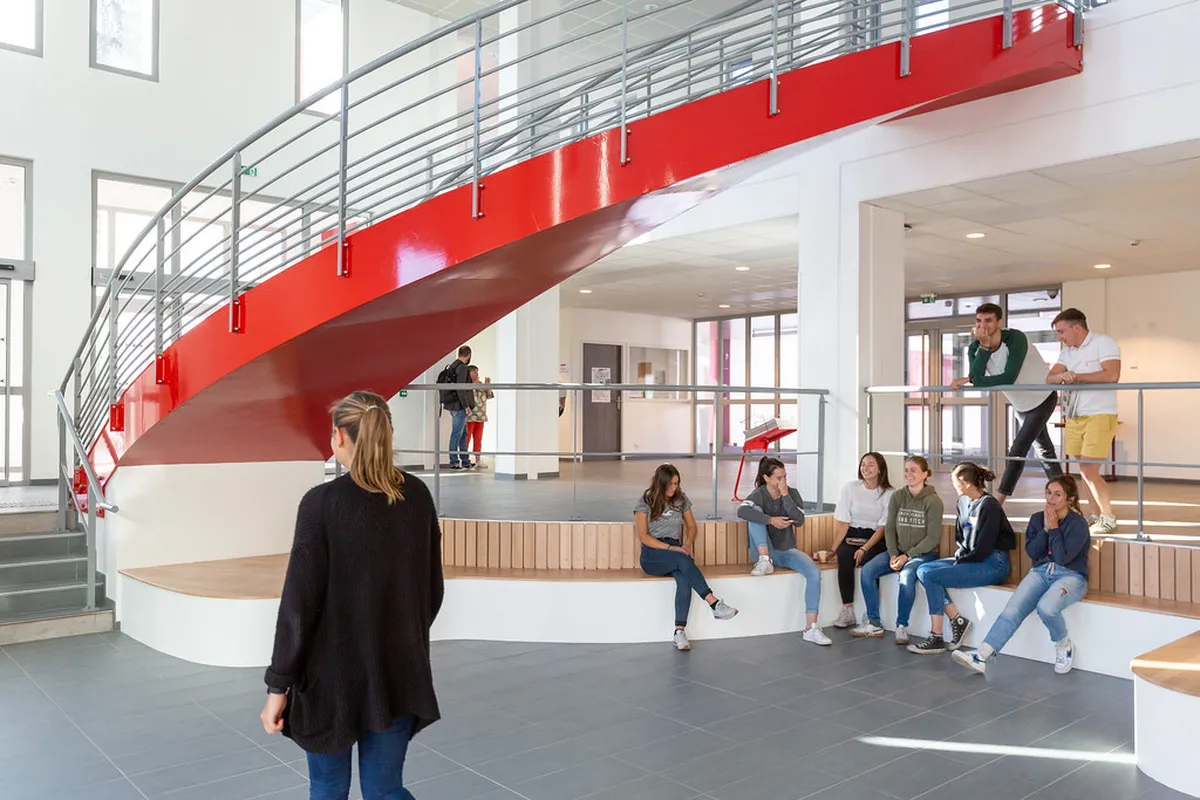
Over the decades, the layout adapted to include more diverse educational facilities. Newer additions use glass and steel to create lighter, more open learning environments. These changes reflect a shift toward transparency in modern scientific research. The evolution shows a transition from isolated labs to integrated social spaces.
By 2025, the campus has become a multidisciplinary environment for innovation. It hosts engineering schools like SIGMA Clermont and various national research institutes. The layout successfully manages the daily flow of nearly 10,000 students and staff. It stands as a testament to flexible and enduring urban planning.
Transportation and Campus Connectivity
Transportation is a vital part of the Campus des Cézeaux urban layout. The site is perfectly linked to the city center by the tramway line A. This line provides a frequent and reliable connection for students and local residents. You can reach the campus from the main train station in fifteen minutes.
The tram stops are strategically placed near the busiest faculty entrances. This placement reduces the need for large parking lots within the academic core. A single tram ticket costs around 1.70 euros in early 2025. This affordable transport makes the campus accessible to everyone in the metropolitan area.
Cycling paths have also become a major feature of the modern campus design. Wide lanes now connect all major buildings and student residences. You will find many secure bike storage areas near the university libraries. These initiatives help reduce the carbon footprint of the entire university community.
The layout also includes dedicated zones for pedestrian movement and safety. Walking paths are lined with trees to provide shade during the summer months. Clear signage helps new visitors find specific buildings across the vast sixty-hectare site. The campus feels like a self-contained city that remains connected to the world.
Architectural Styles and Structural Design
The buildings within the Campus des Cézeaux showcase diverse architectural styles. Many early structures reflect the influence of modernism and brutalist buildings in Clermont-Ferrand. They feature strong geometric lines and functional concrete facades that were popular decades ago. These buildings emphasize durability and practical use for heavy scientific equipment.
In contrast, the 2025 additions prioritize light and environmental harmony. Architects now use sustainable wood and recycled metals for building exteriors. These modern structures often include large windows to maximize natural interior lighting. This design choice creates a more pleasant atmosphere for long study sessions.
The layout groups similar departments together to foster better academic collaboration. For example, the physics and chemistry labs share adjacent spaces and shared courtyards. This clustering encourages students from different disciplines to meet and share new ideas. Interdisciplinary research is the core goal of this specific spatial arrangement.
You will also notice the use of specialized roofs for solar energy collection. Many rooftops on campus now host large arrays of photovoltaic panels. These additions provide a significant portion of the electricity used by the laboratories. The architecture serves both the needs of the students and the environment.
Student Life and Public Facilities
The Campus des Cézeaux urban layout includes more than just classrooms. It features essential services like the University Restaurant and several smaller cafeterias. These dining halls provide affordable meals for students throughout the academic week. A standard student meal deal costs approximately 3.30 euros in 2025.
Student housing is integrated directly into the southern edge of the campus. These residences follow the latest student housing architectural trends in France. The buildings offer private studios and shared common areas for social interaction. Living on campus saves students significant time and money on daily commuting.
Sporting facilities are another major component of the local urban design. The campus boasts large stadiums, tennis courts, and an indoor gymnasium. These areas are open to students and local athletic clubs during the year. Physical activity is encouraged as part of a balanced university lifestyle.
The university library serves as a central landmark for the entire site. It offers quiet study zones, digital resources, and meeting rooms for group work. Its location at the heart of the campus makes it easily reachable. Students gather here from morning until late evening to prepare for their exams.
Environmental Goals for the 2025 Campus
Sustainability is now a primary focus for the Campus des Cézeaux urban layout. Management has launched projects to renovate older buildings for better insulation. These updates aim to reduce heat loss during the cold Auvergne winters. Energy-efficient heating systems are being installed across the entire site this year.
Green spaces play a crucial role in the campus ecological balance. Planners have preserved several large grassy areas and small patches of woodland. These zones act as carbon sinks and provide habitats for local wildlife. They also offer students a peaceful place to relax between their lectures.
- Rainwater collection systems for landscape irrigation
- Installation of smart LED lighting in all public walkways
- Expansion of composting programs in the university dining halls
- New charging stations for electric vehicles and scooters
The layout also features innovative water management systems for the plateau. Permeable pavements allow rainwater to soak naturally into the ground. This design prevents flooding and helps maintain the local water table levels. Such features demonstrate a commitment to long-term environmental stewardship on campus.
Frequently Asked Questions
How do I get to Campus des Cézeaux from central Clermont-Ferrand?
The easiest way is to take the Tramway Line A. It runs frequently from the city center toward the Pardieu Gare stop. You should exit at the 'Cézeaux Pellez' or 'Campus' stations. The trip takes about fifteen minutes and costs very little.
Is the Campus des Cézeaux open to the public for visits?
Yes, the outdoor areas and walkways are open to the general public. You can explore the modern architecture and green spaces at any time. However, access to specific laboratories and classrooms usually requires a student ID. Many people visit to enjoy the views of the volcanoes.
What are the food options for visitors on the campus?
There are several cafeterias and the main University Restaurant on the site. While these primary focus on students, visitors can often purchase meals. You will also find small shops and bakeries near the tram stops. There are also designated picnic areas for those who bring their own food.
The Campus des Cézeaux urban layout is a successful example of modern academic planning. It combines functional scientific spaces with excellent transport links and green areas. In 2025, it continues to evolve to meet new environmental and educational standards. Visit the campus to see the future of university design in the heart of France.
Key Takeaways
- The campus is a major hub for science and engineering in Clermont-Ferrand.
- Tramway Line A provides the best connection between the city and the campus.
- Architectural styles range from 1960s brutalism to modern eco-friendly designs.
- Sustainability projects in 2025 focus on energy efficiency and green space preservation.
Related reads: architecturebycity.com, architecture in clermont ferrand.