
Modernism and Brutalist Buildings in Clermont-Ferrand
Discover the best modernism and brutalist buildings in Clermont-Ferrand. Explore iconic concrete landmarks and post-war designs in 2025. Plan your tour today!
On this page
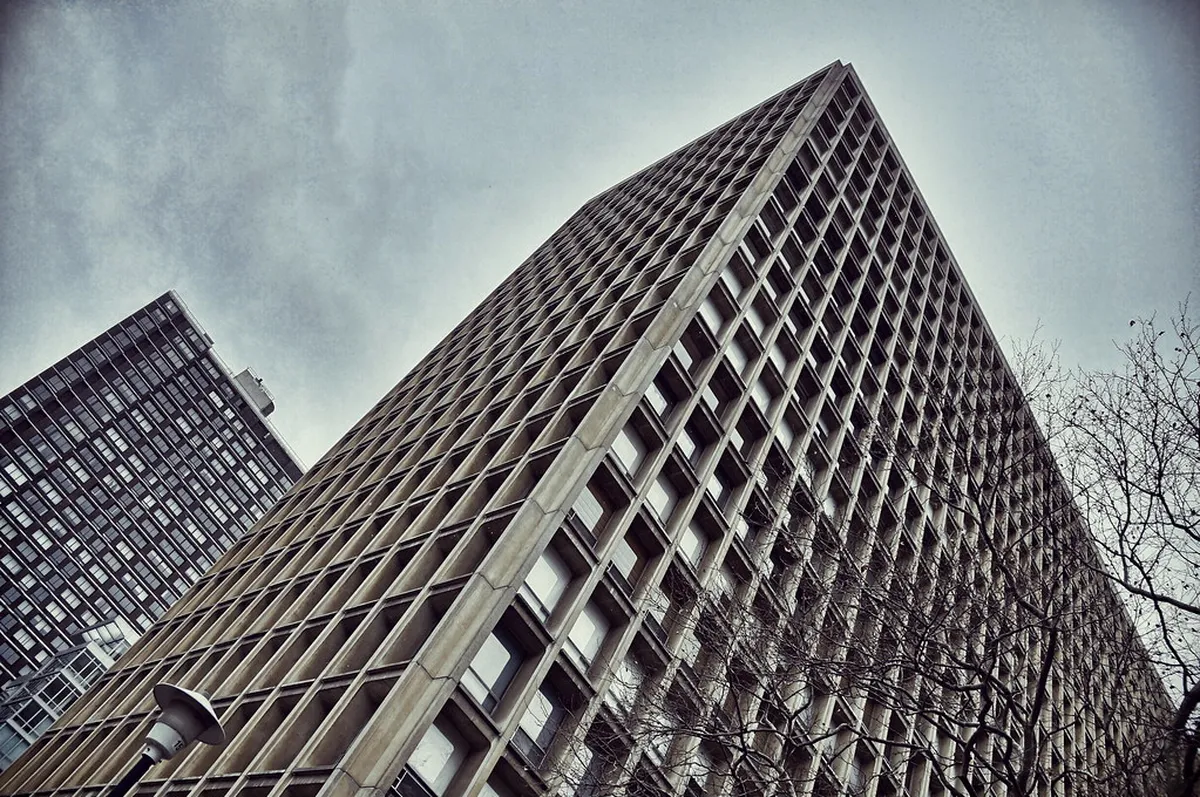
Clermont-Ferrand is famous for its dark volcanic stone. However, the 20th century brought new styles to France. Modernism and brutalist buildings in Clermont-Ferrand changed the city skyline. This shift created a unique architectural contrast in 2025.
Modern architects wanted to move away from traditional materials. They embraced concrete, steel, and large glass windows. This era defined the city's growth after the war. You can see these bold designs throughout the urban center.
This guide explores the best examples of these styles. We will look at cultural centers and university campuses. You will learn about the architects who shaped this city. Join us on this architectural journey through central France.
The Impact of Post-War Urban Renewal
Post-war renewal shaped many modernism and brutalist buildings in Clermont-Ferrand. Architects wanted to modernize the urban landscape very quickly. They used concrete instead of traditional lava stone. This era defined the city's growth into 2025.
The city needed new housing and public services. Large-scale projects began in the mid-20th century. These designs focused on functionality and social progress. Many of these structures still stand proudly today.
Valentin Vigneron was a key figure during this period. He designed several landmark buildings in the city center. His work emphasizes clean lines and functional spaces. He helped move the city toward a modern future.
You can see his influence in many local neighborhoods. Learn more about Valentin Vigneron modern architecture projects across town. His buildings often feature elegant concrete facades. They represent a bridge between tradition and modernism.
Modernism brought a new sense of scale to the city. Wide boulevards and open squares became more common. This planning improved the flow of modern traffic. It allowed the city to expand significantly over time.
Maison de la Culture Brutalist Icon
The Maison de la Culture is a brutalist masterpiece. It stands as a bold concrete structure near the center. This building was inaugurated in the mid-1960s. It represents the height of French brutalism.
Its heavy geometric forms create a powerful visual impact. The raw concrete surfaces highlight the building's structural honesty. You can explore the Maison de la Culture brutalist architecture on foot. Many visitors appreciate its unique sculptural quality.
The building serves as a vibrant hub for local arts. Large windows allow natural light to enter the galleries. The play of light on grey concrete is stunning. It is a must-see for architecture fans in 2025.
The interior spaces are equally impressive and functional. Brutalist design often prioritizes the experience of the user. You will find wide corridors and dramatic staircases inside. The acoustics are perfect for modern theater performances.
This landmark has faced several rounds of restoration. Authorities want to preserve its original brutalist character. It remains a symbol of cultural accessibility for everyone. The building continues to inspire new generations of architects.
Modernism in University Campus Design
Education has driven much of the city's modern growth. The university campuses showcase several striking modern designs. These buildings often use steel and glass alongside concrete. They reflect the optimism of the late 20th century.
The Gergovia campus features impressive functionalist designs. Architects focused on creating open spaces for students. These structures stand in sharp contrast to historic neighborhoods. Visit the university and campus architecture in Clermont-Ferrand for more details.
Modern lecture halls often feature bold cantilevered roofs. These elements demonstrate the versatility of modern construction. Many campus buildings have been renovated recently. They remain essential examples of local modernism today.
Students benefit from these efficient and bright environments. The use of glass provides views of the mountains. This connection to nature is a key modernist principle. It creates a pleasant atmosphere for academic study.
The buildings are located in the southern city areas. You can reach them easily using the local tramway. The tram line itself is a modern urban success. It connects different architectural eras across the city.
Residential Blocks and Social Modernism
Residential projects also embraced the modernist movement. Large housing blocks emerged to meet growing demand. These buildings used modular designs for efficiency. They offered modern amenities to many local residents.
The Saint-Jacques district is a prime example of this style. High-rise buildings dominate this part of the city. These towers provide panoramic views of the surrounding volcanoes. It is an important part of post-war urban renewal in Clermont-Ferrand history.
Balconies often add rhythm to these massive concrete facades. Architects experimented with different textures and colors. While some find them harsh, they represent an era. They show how the city adapted to modern life.
Each tower block was designed as a vertical village. They included shops and services on the ground floors. This model aimed to create self-sufficient urban communities. Many residents still enjoy the convenience of this layout.
Green spaces were integrated between the large buildings. These parks provide a soft contrast to the concrete. They are popular spots for local families to relax. This balance is crucial for high-density modern living.
Industrial Modernism and Michelin Legacy
The Michelin company shaped the city's industrial identity. Their factories often followed modernist principles. These buildings prioritized function and large-scale production. They influenced the development of nearby worker housing.
Modernism and brutalist buildings in Clermont-Ferrand owe much to industry. Steel frames and glass walls allowed for massive workspaces. This style spread from the factories to the suburbs. You can see this in michelin industrial heritage and factory architecture sites.
The L'Aventure Michelin museum captures this architectural evolution. It tells the story of the brand and its buildings. The structure itself blends modern design with historic elements. It remains a top destination for travelers in 2025.
Many old factory sites have been repurposed recently. Architects transform concrete shells into creative office spaces. This adaptive reuse preserves the city's industrial soul. It is a sustainable way to manage urban growth.
The Michelin headquarters also features modern architectural elements. Its sleek design reflects the company's global reach. It stands as a testament to local engineering skills. The building dominates the landscape near the train station.
Frequently Asked Questions
Where is the best brutalist building in Clermont-Ferrand?
The Maison de la Culture is the best example. It features massive concrete shapes and raw textures. You can find it near the city center. It is an icon of mid-century French design.
Who was the main architect for modernism in the city?
Valentin Vigneron was very influential in the city. He designed many public and private buildings after 1945. His style focused on clean lines and concrete. He helped modernize the city's traditional appearance.
Are there walking tours for modern architecture?
Yes, several local guides offer thematic walking tours. You can explore the Saint-Jacques district or campus areas. These tours highlight the history of urban renewal. They provide great insights into 20th-century design.
Why is concrete so common in Clermont-Ferrand?
Concrete was cheap and fast to build with after the war. It allowed for bold new shapes and large structures. Architects preferred it for its modern and honest look. It contrast well with the dark volcanic stone.
Modernism and brutalist buildings in Clermont-Ferrand offer a unique perspective. They show how a historic city adapted to the 20th century. These concrete landmarks are essential for any architecture lover. Visit these sites in 2025 to see the city's bold side.
Key Takeaways
- Visit the Maison de la Culture for iconic brutalist design.
- Explore the Saint-Jacques district for post-war residential architecture.
- Look for Valentin Vigneron's work in the city center.
- Use the modern tramway to reach various architectural sites.
- Appreciate the contrast between volcanic stone and grey concrete.