
Maison de la Culture Brutalist Architecture Guide
Explore the Maison de la Culture brutalist architecture in Clermont-Ferrand. Plan your 2025 visit to this French concrete icon with our guide. See it today!
On this page
The Maison de la Culture brutalist architecture stands as a powerful icon in central France today. This massive concrete structure defines the modern skyline of the vibrant city of Clermont-Ferrand. Visitors in 2025 will find a building that challenges traditional ideas of beauty and design. It serves as a vital hub for artistic expression and community engagement for all. You can explore more about modernism and brutalist buildings in Clermont-Ferrand during your next walking tour. The facade features bold geometric lines that capture the changing light of the Auvergne region. It remains one of the most significant examples of post-war design in the entire country. Many travelers visit this site to witness the raw power of industrial materials in art.
Origins of the Concrete Masterpiece
The Maison de la Culture has a deep and fascinating history for every modern visitor. This structure was born during a period of massive French cultural growth and development. Architects designed this unique site to serve the entire local community with great pride. It opened its doors officially in the early months of the year nineteen seventy-nine. The project was part of a national plan for regional cultural centers across France. Minister André Malraux wanted to bring high-quality art to all citizens in every province. Clermont-Ferrand was chosen as a key location for this specific and ambitious social vision. The building represents the energetic social ideals of that very productive and experimental era.
Architect Jean Bossu led the design process for this unique and striking concrete structure. He wanted to create a space that felt both highly functional and visually grand. His work focused on the raw beauty of standard industrial building materials and finishes. The site has evolved significantly since those early construction days in the late sixties. Today, the center continues to host diverse theatrical and musical performances for the public. It remains a pillar of the local arts scene for residents and tourists alike. Many people value the building for its historic and social importance to the region. It stands as a silent witness to decades of creative evolution in the city center.
The construction phase required thousands of tons of high-quality concrete and heavy steel reinforcement. Workers spent years molding the massive shapes that define the exterior of the center. This architectural style was meant to represent honesty and strength for the new generation. The finished product shocked some locals but soon became a beloved part of town. It represents a shift away from the dark volcanic stone of the historic district. The contrast between the old and the new creates a dynamic visual experience here. You can see how the city expanded during the era of industrial growth. This building is a physical manifestation of that bold and forward-looking French spirit.
Distinctive Design and Structural Features
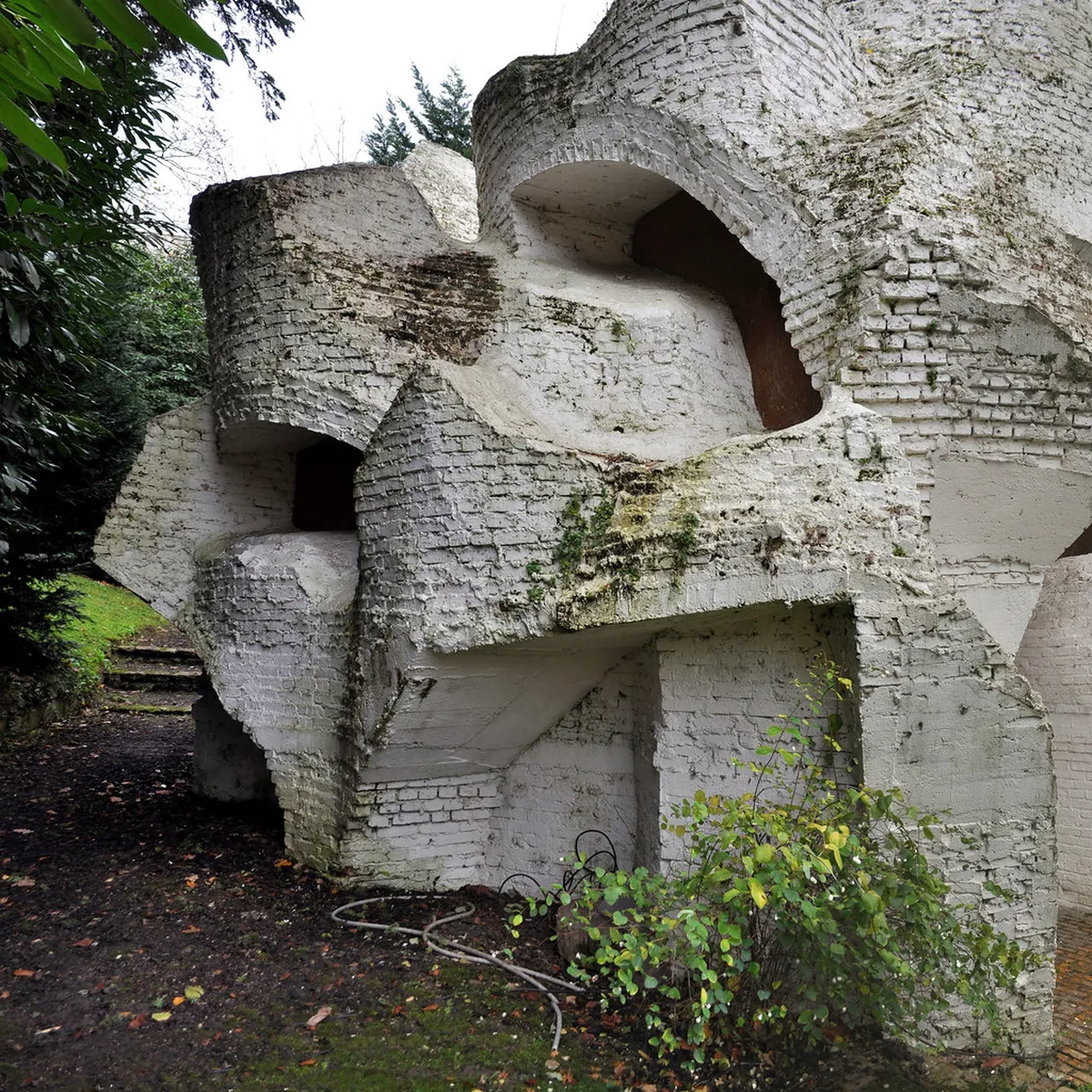
The design of this building highlights the core principles of the global brutalist movement. Raw concrete surfaces dominate the exterior to create a sense of weight and permanence. Architects used modular forms to organize the various theater and gallery spaces within the site. Each section of the building serves a specific purpose while maintaining a cohesive look. You will notice the repetitive patterns of the windows and the heavy support columns. These elements provide a sense of rhythm that flows across the entire massive facade. The building does not hide its structural components from the eyes of the public. This transparency is a hallmark of the Maison de la Culture brutalist architecture style.
The interior of the center is just as impressive as the bold exterior walls. Large open spaces allow for the movement of large crowds during busy evening shows. The use of natural light through high windows creates a soft glow on concrete. Modern renovations have added comfortable seating and updated technical equipment for the main stages. These improvements ensure the building remains relevant for performers in the year 2025. You can feel the history of the space while enjoying a contemporary dance performance. The acoustics inside the primary theater are designed to provide a perfect audio experience. Every detail was carefully considered to enhance the enjoyment of the visiting arts audience.
The exterior plazas offer a place for people to gather before the shows begin. Large staircases lead visitors toward the main entrance with a sense of grand ceremony. These outdoor spaces are often used for public installations and seasonal community art events. The grey tones of the concrete provide a neutral backdrop for colorful modern artworks. This interaction between the building and the art it houses is very intentional. You can see how the structure acts as a canvas for the local community. The scale of the building makes it feel like a fortress of high culture. It commands attention from every angle of the surrounding streets and public parks.
The Social Mission of Local Arts
The Maison de la Culture is more than just a collection of concrete walls. It serves as a national stage for prestigious theater, dance, and musical productions. The center is recognized as a Scène Nationale by the French Ministry of Culture. This status brings high-quality performances from across the globe to the local stage. Residents of Clermont-Ferrand have access to world-class art right in their own neighborhood. The center offers educational programs for students and young artists throughout the entire year. These initiatives help to foster a deep love for the arts in future generations. The building is a place where people from all backgrounds can come together.
Ticket prices are often subsidized to make the shows accessible to a wider audience. This commitment to affordability is a core part of the original mission of the center. You can find a wide variety of performances ranging from classical music to experimental. The calendar for 2025 is filled with diverse events that celebrate different global cultures. Visiting the center is a great way to experience the local lifestyle and values. It is a busy place that buzzes with energy during the peak season. The staff is dedicated to providing a welcoming environment for every single guest. Art is seen as a universal language that connects everyone within these walls.
The center also hosts various festivals that draw large crowds from other European cities. These events boost the local economy and put the city on the cultural map. The Maison de la Culture brutalist architecture provides a unique atmosphere for these large gatherings. The heavy walls block out the noise of the city to create focus. This creates an intimate experience between the performers and the seated audience members. You can truly lose yourself in the art when you are inside this space. The building acts as a sanctuary for those who seek inspiration and beauty. It is a vital part of the social fabric of the Auvergne region.
Post-War Urban Renewal in Clermont-Ferrand
This landmark was a central piece of the post-war urban renewal in Clermont-Ferrand during the twentieth century. The city needed to modernize its infrastructure and provide new spaces for the growing population. Old buildings were replaced with modern structures that reflected the power of industrial technology. This period of change brought many new architectural styles to the streets of France. Brutalism was seen as a way to build quickly and efficiently using durable materials. The Maison de la Culture was the crown jewel of this specific redevelopment effort. It showed that the city was ready to embrace the future with confidence. This era of construction changed the character of the city forever.
You can see the influence of this period in the surrounding residential and commercial blocks. Many nearby buildings share the same use of concrete and large geometric window designs. This creates a cohesive urban environment that feels very different from the medieval quarter. The urban planners of the time wanted to create a sense of order and progress. They focused on wide streets and large public buildings that could handle many people. This vision of the modern city is still visible as you walk around. The Maison de la Culture remains the most prominent example of this specific design philosophy. It anchors the district and provides a clear point of visual reference.
The transition between the historic volcanic stone and the modern concrete is quite sudden. Many visitors enjoy exploring this contrast as they move through the different city districts. It tells the story of a city that has reinvented itself multiple times. The brutalist style was a radical departure from the traditional French aesthetic of the past. It required a new way of thinking about how buildings should look and function. Some critics originally found the style to be too harsh for the urban landscape. However, many people now appreciate the historical value of these bold modern structures. They represent a specific moment in time when anything seemed possible for France.
Photography Tips for Urban Explorers
The Maison de la Culture is a dream destination for fans of architectural photography. The raw concrete textures create interesting shadows that change throughout the sunny daylight hours. You should visit during the golden hour to see the surface turn warm colors. Wide-angle lenses are perfect for capturing the massive scale of the structural design elements. You can find several great photography spots for Clermont-Ferrand skyline near the center. Try to frame the building against the deep blue sky for a striking contrast. The repetitive patterns of the windows make for excellent abstract detail shots. Do not forget to explore the interior lobbies for unique perspective photos.
Black and white photography works especially well with the brutalist style of this center. The lack of color emphasizes the forms and the textures of the raw concrete. You can focus on the play of light and shadow across the heavy columns. Early morning is the best time to avoid large crowds of theater patrons. The empty plazas allow you to capture the building in its purest form. You can experiment with different angles from the street level to show height. The building looks different from every side, so walk all the way around. Each perspective reveals a new part of the complex geometric structural layout.
Consider using a tripod for sharp images of the building during the evening hours. The exterior lighting highlights the main architectural features of the facade after the sunset. You can capture the glowing windows against the dark concrete for a dramatic effect. This building is a very popular subject for local artists and professional photographers alike. You might see other people with cameras as you explore the surrounding public areas. Be respectful of the theater guests if you are taking photos during a show. The Maison de la Culture brutalist architecture is a gift for those who love design. Take your time to find the perfect shot of this French landmark.
Frequently Asked Questions
Is the Maison de la Culture open for public tours?
The building is primarily a working theater and cultural hub for the public. You can enter the lobby areas during regular business hours for free. Guided tours are sometimes offered during special heritage days throughout the year. Check the official website for the latest 2025 schedule and event details.
Where is the best place to park when visiting?
There are several public parking garages located within a short walking distance. The Place de la Liberté area has underground parking for many visitors. Public transportation is also a very convenient way to reach the city center. The local tram system stops very close to the main entrance of the building.
Who was the architect of the Maison de la Culture?
The primary architect for this brutalist masterpiece was the talented Jean Bossu. He was a student of the legendary designer Le Corbusier for many years. His vision focused on using raw materials to create functional and social spaces. The building remains his most famous contribution to the city of Clermont-Ferrand.
Why is the building made entirely of concrete?
Brutalist architecture relies on raw concrete to show the honesty of the construction. This material was affordable and very durable for large public projects in the sixties. It allowed architects to create massive shapes that would have been impossible with stone. The grey color provides a modern contrast to the older volcanic buildings.
The Maison de la Culture brutalist architecture is a must-see for any design lover in 2025. It stands as a bold testament to the creative spirit of modern France and its people. You can experience world-class art and incredible design all in one central location. Plan your visit today to see this concrete giant in the heart of Clermont-Ferrand. Do not miss the chance to explore the unique history of this cultural landmark. It is an unforgettable part of any architectural tour through the Auvergne region. Visit the official box office to book your next show and see the interior.
Key Takeaways
- Visit during the golden hour for the best architectural photography opportunities.
- Check the Scène Nationale schedule for world-class theater and dance performances.
- Explore the contrast between modern concrete and historic volcanic stone nearby.
Related reads: architecturebycity.com, architecture in clermont ferrand, valentin vigneron modern architecture projects.