
Michelin Industrial Heritage in Clermont-Ferrand
Discover Michelin industrial heritage and factory architecture in Clermont-Ferrand. Explore iconic sites and housing in 2025 with our expert guide. Read more!
On this page
Clermont-Ferrand is a unique city that sits in the heart of the volcanic Auvergne region of central France. The city is world famous for its Michelin industrial heritage and factory architecture which remains very visible today. Tourists visiting in 2025 can explore a landscape defined by massive industrial halls and iconic red brickwork. This guide provides an expert look at the architectural legacy left by the world’s most famous tire company. You will discover how the Michelin family transformed a simple rubber factory into a massive global industrial powerhouse. Exploring the city reveals a fascinating blend of historical monuments and functional buildings designed for heavy industrial production. Many of these sites are now protected as important cultural landmarks that celebrate the spirit of French technical innovation. Learn more about the architecture in Clermont-Ferrand and its deep connection to the history of tire manufacturing.
Michelin Industrial Heritage and Factory Architecture
The Michelin story began during the late nineteenth century in the heart of the industrial district of Clermont-Ferrand. Brothers André and Édouard Michelin transformed a small rubber business into a massive global empire over many successful years. They built extensive factory complexes that defined the local urban landscape for many generations of the local French population. This growth established the Michelin industrial heritage and factory architecture seen throughout the city by modern visitors today. The first workshops were simple structures made from local stone and wood to house basic rubber production machinery. As the company grew the architects moved toward using more durable materials like steel and high quality red brick. These functional buildings were designed to maximize the floor space needed for the vulcanization of large rubber tires. You can still see the original footprints of these early buildings in the northern districts of the modern city.
The early twentieth century saw a massive expansion of the production facilities to meet the growing global demand. Engineers and architects worked together to create specialized buildings for every single stage of the tire manufacturing process. This period saw the introduction of massive steel frames that could support the weight of heavy industrial equipment. The Michelin industrial heritage and factory architecture from this era reflects a commitment to technical progress and efficiency. These buildings were not just factories but symbols of the industrial might of France during the pre-war years. Each structure was designed with a specific purpose in mind from chemical processing to the final tire assembly. The sheer scale of these developments required a new approach to urban planning in the city of Clermont-Ferrand. Today these sites stand as monuments to the ingenuity of the Michelin family and their many dedicated employees.
Modern visitors will notice that the factory buildings often feature a very distinctive and recognizable architectural style throughout. The use of repetitive geometric patterns in the brickwork served both a functional and a decorative purpose for them. Large windows were placed high on the walls to provide natural light while maintaining the privacy of the factory. This attention to detail is a hallmark of the Michelin industrial heritage and factory architecture found in the area. The company also invested in the latest construction techniques to ensure that their buildings would last for many decades. Many of these halls have been standing for over a hundred years and still look very impressive today. This durability is a testament to the quality of the materials used during the peak of the industrial revolution. Exploring these sites offers a deep look into the evolution of industrial design in the Auvergne region.
The Iconic Red Brick Style of Cataroux
The Cataroux site serves as the historical heart of the Michelin production facilities in the city of Clermont-Ferrand. This specific district highlights how early twentieth century engineers designed massive spaces for the production of high quality tires. Many of the older buildings feature large windows that allowed natural light to reach the workers on the floor. The use of reinforced concrete allowed for larger open spaces without the need for many heavy supporting internal columns. This architectural innovation was essential for moving large tire molds and heavy rubber materials through the massive factory halls. You can see the evolution of this style by walking along the perimeter of the main Cataroux plant area. The combination of red brick and white stone accents creates a visually striking appearance for the entire industrial complex. These buildings remain an essential part of the identity of the city for all the people living there.
The Cataroux site also features several unique architectural details that are worth noting during your expert walking tour. Many buildings include:
- Decorative brick cornices that show a high level of craftsmanship for simple industrial structures
- Massive steel gates designed to accommodate the heavy transport trucks of the mid-twentieth century
- Integrated water towers that provided the necessary pressure for the various cooling systems used in production
- Central administrative blocks with more formal facades to greet important business visitors and global partners
During the peak of production the Cataroux plant was a hive of constant activity for thousands of local workers. The architecture was designed to handle the flow of people and materials in the most efficient way possible. Wide internal roads and specialized loading docks were integrated into the overall design of the massive factory complex. This focus on logistics is a key element of the Michelin industrial heritage and factory architecture in France. Even as production methods changed the basic structures remained flexible enough to accommodate the new types of machinery. This flexibility is one reason why many of the buildings are still in use for various purposes today. Visiting this site in 2025 gives you a clear sense of the historical scale of the tire industry. It is a must-see for anyone interested in the history of industrial design and French urban development.
Innovation at the Michelin Museum Building
The L’Aventure Michelin Museum is a masterpiece of industrial preservation located in the northern part of the urban area. The building features a sleek glass facade that integrates perfectly with the historic steel frame of the old workshop. Inside the museum you will find exhibits detailing the evolution of Michelin industrial heritage and factory architecture over time. It costs about twelve euros for an adult ticket to explore this fascinating architectural and historical landmark in 2025. The renovation of the building preserved many of the original industrial features like the overhead cranes and metal beams. This creates an authentic atmosphere that transports visitors back to the golden age of the global rubber industry. Most people find that two hours is enough time to see all the exhibits inside the main gallery. The museum is open from Tuesday to Sunday between the hours of ten in the morning and six evening.
The architects responsible for the museum design wanted to create a bridge between the past and the future. They used sustainable materials and modern lighting systems to highlight the historic elements of the original factory workshop building. This approach demonstrates how industrial architecture can be repurposed for cultural use without losing its unique character and charm. The museum also serves as an educational center for students interested in engineering and the history of transportation design. You can see models of the original factory layouts and learn about the construction of the famous test tracks. The integration of digital displays with heavy machinery provides a comprehensive look at the history of the Michelin brand. It is a brilliant example of how a functional workspace can be transformed into a world-class cultural institution. Many visitors appreciate the way the museum honors the workers who built the company into a global leader.
The exterior of the museum building is just as impressive as the various exhibits found on the inside floors. Large glass panels reflect the surrounding industrial landscape and the nearby volcanoes of the beautiful Auvergne volcanic park region. This design choice connects the industrial history of the city with its unique natural setting in the French countryside. The museum courtyard often hosts events and temporary exhibitions related to the latest innovations in sustainable mobility and design. You can enjoy a coffee at the museum cafe while admiring the view of the historic Cataroux factory chimneys. This location provides the perfect starting point for exploring the wider Michelin industrial heritage and factory architecture in the city. Make sure to visit the museum shop for unique souvenirs and books about the history of French industrial design. It is a highlight of any trip to Clermont-Ferrand for travelers who love history and fine architecture.
Social Architecture of the Cités Michelin
The Michelin family believed in a holistic approach to industrial life that included the well-being of their many employees. To support their workers they commissioned the construction of massive residential districts known as the Cités Michelin worker housing. These housing estates represent a pioneer approach to urban planning and social welfare for the industrial working class families. Each neighborhood was designed as a self-contained community with its own schools and clinics and beautiful public parks. The architectural style of these houses is simple yet elegant with clean lines and functional layouts for everyday life. You can still visit these neighborhoods today and see how they have evolved over the last hundred years. They are located within walking distance of the main factory sites to make commuting easy for the many workers. This social dimension is a vital part of the Michelin industrial heritage and factory architecture in the city.
The houses in the Cités Michelin were built using standardized plans to ensure that construction was both fast and affordable. However the architects added small decorative details to give each neighborhood its own unique character and visual identity. You will see different colors of shutters and varying styles of garden fences throughout the different residential districts today. Each house features a small private garden which was a revolutionary concept for factory workers during that specific era. These gardens allowed workers to grow their own vegetables and enjoy the fresh air after a long work day. The layout of the streets was designed to encourage social interaction and a sense of community among the neighbors. Walking through these quiet streets reveals a unique side of the Michelin industrial heritage and factory architecture in France. It shows that the company was concerned with more than just the efficiency of their production lines.
The preservation of these housing estates is a priority for the local government and the Michelin foundation in recent years. Many of the homes have been modernized while keeping their original facades to protect the historic character of the district. This balance between preservation and modernization ensures that the neighborhoods remain vibrant places to live for modern French families. You can learn more about the history of these estates at the local archives and through several guided tours. The Cités Michelin are an excellent example of how industrial companies once shaped the social fabric of an entire city. This legacy is still very much alive in the stories of the families who have lived there for generations. Exploring these areas gives you a complete picture of the impact of the tire industry on the local community. It is a fascinating chapter in the story of Michelin industrial heritage and factory architecture in Clermont-Ferrand.
Adaptive Reuse of the Historic Rubber Plants
In recent years the city has seen a major push toward the adaptive reuse of industrial sites. Many former production halls are being converted into vibrant cultural spaces and modern offices for local startup companies today. This movement helps to preserve the historic character of the city while promoting sustainable urban growth and economic development. The Hall 32 project is a brilliant example of how old industrial halls can become centers for modern learning. You can see how the original windows and high ceilings provide a perfect environment for these new creative ventures. Architects have carefully integrated modern technology into the historic structures to meet the needs of twenty-first century businesses. This process ensures that the Michelin industrial heritage and factory architecture remains a functional part of the city’s future. It is inspiring to see how these massive spaces can be reimagined for completely different uses today.
The transformation of these sites often involves the creation of new public squares and green spaces for the local community. These urban interventions make the old industrial districts more accessible and inviting for residents and tourists to visit together. You can find trendy cafes and art galleries located inside what were once loud and busy tire manufacturing workshops. This change reflects a wider global trend of valuing industrial history while adapting to the needs of the post-industrial economy. The city of Clermont-Ferrand is a leader in this field and has won several awards for its urban renewal projects. Visitors in 2025 can enjoy the unique atmosphere of these spaces which blend raw industrial aesthetics with modern comfort. The preservation of the original steel trusses and brickwork provides a stunning backdrop for the new activities taking place. It is a testament to the enduring quality and flexibility of the original Michelin industrial designs.
The success of these projects depends on a strong partnership between the city and private developers and the Michelin company. Together they are working to ensure that the northern districts of the city remain a hub of innovation and growth. Many of the newer buildings in the area are inspired by the modern and brutalist buildings found elsewhere in the city. This creates a cohesive architectural language that respects the past while looking forward to the new opportunities of 2025. You can take a guided tour to learn more about the specific engineering challenges involved in these massive renovations. These tours offer a behind-the-scenes look at the craftsmanship required to restore historic brickwork and heavy steel frames. The result is a city that feels both deeply historical and excitingly modern at the same time. This evolution is a key part of the ongoing story of Michelin industrial heritage and factory architecture.
Frequently Asked Questions
Find answers to common questions about the industrial heritage of Clermont-Ferrand below. These tips will help you plan your visit to the various historic and architectural sites in the area.
FAQ Section
Welcome to our FAQ section where we answer your most pressing questions about visiting the Michelin industrial sites in Clermont-Ferrand.
Summary of Key Information
Clermont-Ferrand offers a rich industrial landscape for visitors to explore in 2025. The Michelin industrial heritage and factory architecture are truly unique and define much of the city's character today.
Final Thoughts on Industrial Tourism
Exploring the industrial side of a city provides a deep understanding of its history and its people. We hope this guide helps you enjoy the unique architecture of Clermont-Ferrand and the Michelin legacy.
Conclusion
Clermont-Ferrand is a city where history meets modern industry in a very powerful and visual way. The Michelin industrial heritage and factory architecture define the northern districts of this famous and historic French city. Visitors can see how the company shaped the lives of thousands of local families over many productive years. Plan your 2025 trip to explore these amazing sites and discover the secrets of the world’s tire capital. Do not forget to visit the museum and the housing estates to get a full view of this legacy. We hope you enjoy your architectural journey through the heart of the Auvergne region and its industrial wonders.
Key Takeaways
- Visit the L’Aventure Michelin museum to see the best industrial preservation projects.
- Explore the Cités Michelin to understand the social impact of the tire industry.
- Check out the Cataroux site for the best examples of historic red brick architecture.
Practical Travel Tips
When visiting the industrial sites wear comfortable walking shoes as the factory complexes are very large and spread out. Many of the best views of the factory architecture are from the public roads surrounding the main plants. Remember that most factories are still active businesses so please respect all the security signs and private boundaries.
Historical Context
The development of the rubber industry in the nineteenth century changed the course of the history of the Auvergne region. Michelin was at the forefront of this change and their architectural legacy is a testament to that era. The city remains the global headquarters for the famous tire manufacturer even in the year 2025.
Architecture and Design
The use of local materials combined with industrial steel created a unique regional style for the Michelin buildings in France. This style is characterized by its functionality and its scale and its long lasting durability over many decades. It is a fascinating study for anyone interested in the history of modern architecture and industrial design.
City Planning
The Michelin company literally built half of the city to house its workers and support its massive production needs. This included everything from roads and bridges to schools and hospitals for the thousands of employees and their families. This level of corporate urban planning is rare and creates a unique atmosphere for the city of Clermont-Ferrand.
Future of the Heritage
The ongoing preservation and reuse of the old factory buildings ensure that this heritage will be protected for future generations. New projects are constantly being announced to revitalize the older parts of the industrial districts with modern creative spaces. This ensures that the city remains a vibrant and relevant place to live and work in the future.
Visiting Information
The best time to visit the city is during the spring or fall when the weather is mild and pleasant. You can easily reach Clermont-Ferrand by train from Paris in about three and a half hours for a trip. Local buses and trams make it easy to travel between the different industrial sites and the historic city center.
Local Culture
The industrial history is deeply intertwined with the local culture and the identity of the people living in the city. You will find many references to the Michelin brand in local shops and restaurants and public art pieces today. It is a source of great pride for the residents of Clermont-Ferrand and the wider Auvergne volcanic region.
Photo Opportunities
The contrast between the red brick factories and the dark volcanic stone of the cathedral provides many great photo opportunities. The northern districts offer a raw and powerful aesthetic that is perfect for fans of industrial photography and architecture. Make sure to catch the evening light on the old factory chimneys for the best possible shots of them.
Hidden Gems
Look for the smaller worker houses tucked away in the side streets of the old industrial districts for a surprise. These smaller structures often have beautiful details that are missed by the casual observer who stays on main roads. They offer a more intimate look at the daily life of the industrial workers from the last century.
Expert Advice
Join a guided architectural tour to gain access to areas that are not usually open to the general public today. These tours are led by experts who can explain the complex engineering and design history of the various sites. It is the best way to fully appreciate the Michelin industrial heritage and factory architecture of the city.
Travel Essentials
Keep a map of the different Cités Michelin neighborhoods with you so that you do not get lost in them. Each one has its own layout and it is easy to spend a whole afternoon exploring their unique streets. Most people are friendly and happy to give directions if you find yourself needing some help during your walk.
Historical Timeline
The first Michelin tire was produced in 1891 and the company has been innovating ever since that historical moment occurred. The architecture of the city reflects this long timeline of growth and change and constant technological improvement for them. It is a living museum of the history of the automotive industry and its impact on the world.
Economic Impact
The tire industry remains the largest employer in the region and continues to drive the local economy in many ways. This economic stability has allowed the city to invest in high quality public infrastructure and excellent cultural and educational facilities. The presence of Michelin is felt in every aspect of life in the city of Clermont-Ferrand today.
The Natural Setting
The industrial landscape is framed by the stunning volcanic peaks of the Chaîne des Puys which is a UNESCO site. This juxtaposition of heavy industry and ancient nature is what makes the city of Clermont-Ferrand so special for visitors. You can enjoy a hike on a volcano in the morning and explore a factory in the afternoon.
Community Life
The Michelin social clubs and sports facilities are still an important part of the community life for many local people. These institutions help to maintain the strong bond between the company and the residents of the city and region. It is a unique example of corporate social responsibility that has lasted for more than a hundred long years.
Sustainable Future
As the company moves toward more sustainable production methods the factory architecture is also evolving to meet these new goals. Solar panels and green roofs are being added to some of the newer buildings in the massive industrial complex. This shows that the Michelin industrial heritage and factory architecture is ready for the challenges of the future.
Museum Highlights
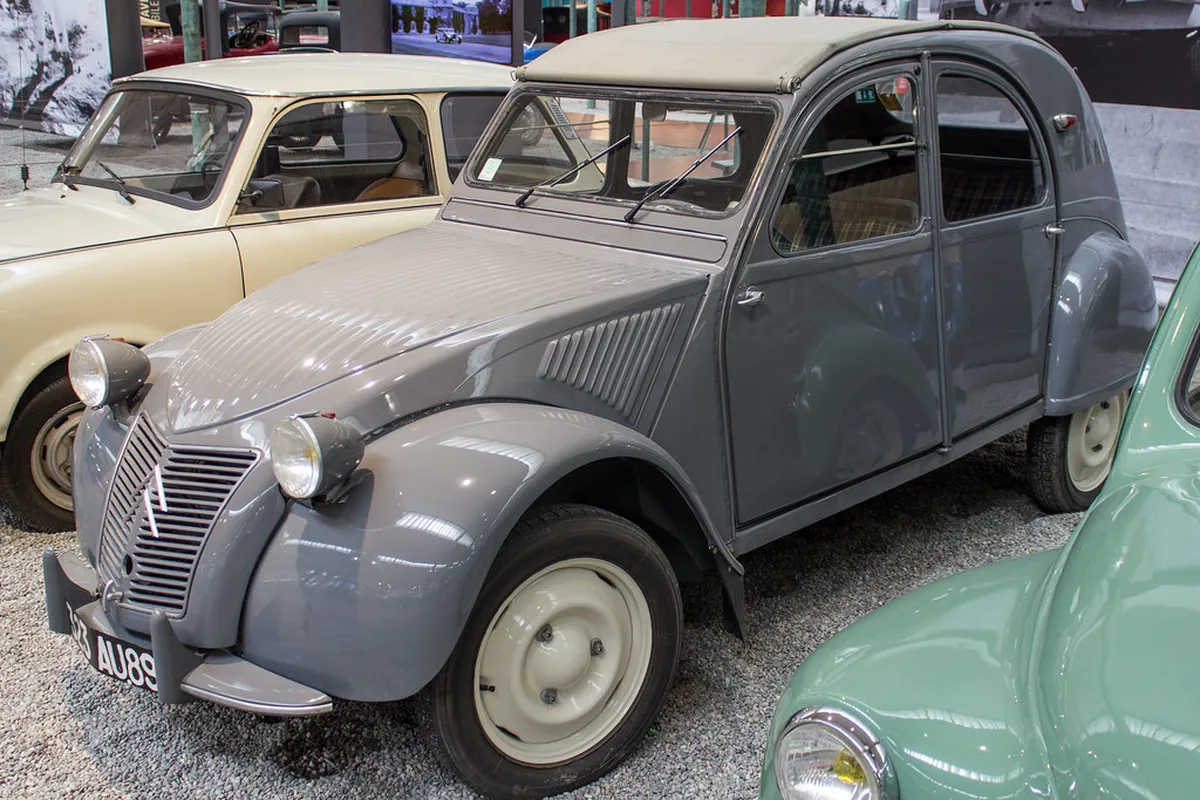
One of the highlights of the museum is the collection of historic vehicles that use various types of Michelin tires. You can also see the evolution of the famous Michelin Man character who has changed many times over the years. These exhibits provide a fun and engaging way to learn about the history of the global tire brand.
Conclusion and Next Steps
Now that you know more about the industrial history of the city it is time to start planning your visit. Use the links in this guide to find more information about the specific sites and tours available to you. We wish you a wonderful and educational trip to the heart of the industrial heritage of central France.
The Legacy Continues
The Michelin story is still being written and every new building adds a new chapter to the architectural history of them. We look forward to seeing how the city continues to evolve while honoring its rich and powerful industrial past. Thank you for reading our guide to the Michelin industrial heritage and factory architecture in Clermont-Ferrand.
Explore More
Check out our other guides to learn more about the unique history and architecture of the different cities in France. There is always something new to discover when you look closely at the buildings and landscapes around you in 2025. Enjoy your travels and stay curious about the world of architecture and industrial design and history.
Final Summary
The industrial architecture of Clermont-Ferrand is a unique treasure that deserves to be explored by every curious traveler in 2025. From massive factories to charming worker housing there is so much to see and learn in this French city. We hope this guide has inspired you to visit and experience the Michelin legacy for yourself today.
About the Author
Our team of expert travel writers specializes in exploring the intersection of history and architecture and culture in modern cities. We provide in-depth guides to help you make the most of your travels and discover hidden gems around the world. Thank you for trusting us with your travel planning and architectural exploration needs in the year 2025.
Frequently Asked Questions
Where can I see the best Michelin architecture?
You should head to the Cataroux district to see the most impressive examples of old factory buildings today. This area contains many original structures that showcase the unique red brick and steel style of the company. It is easily accessible by the local tram system that runs through the northern part of the city.
Is the Michelin Museum open every day in 2025?
The museum is open from Tuesday to Sunday but it is usually closed on Mondays for maintenance and cleaning. You should check the official website for the latest opening hours before you plan your visit to the site. The museum is fully accessible and offers a great experience for people with limited mobility visiting in 2025.
How has industrial architecture influenced the city of Clermont-Ferrand?
Industrial design has shaped the layout of the city and influenced the creation of many modern and brutalist buildings. The massive scale of the factories required large open spaces and specialized infrastructure that still defines the urban landscape today. This legacy creates a unique atmosphere that blends the industrial past with a very vibrant and modern future.
Clermont-Ferrand is a city where history meets modern industry in a very powerful and visual way. The Michelin industrial heritage and factory architecture define the northern districts of this famous and historic French city. Visitors can see how the company shaped the lives of thousands of local families over many productive years. Plan your 2025 trip to explore these amazing sites and discover the secrets of the world’s tire capital.
Key Takeaways
- Visit the L’Aventure Michelin museum to see the best industrial preservation projects.
- Explore the Cités Michelin to understand the social impact of the tire industry.
- Check out the Cataroux site for the best examples of historic red brick architecture.
Related reads: architecturebycity.com, volcanic gothic style of clermont ferrand cathedral, romanesque heritage of basilique notre dame du port.