
Hôtels Particuliers and Renaissance Mansions in Clermont
Explore the Hôtels Particuliers and Renaissance mansions of Clermont-Ferrand in 2025. Discover historic architecture and book your walking tour today!
On this page
Clermont-Ferrand is a city defined by its dark and dramatic volcanic stone architecture. You will find many Hôtels Particuliers and Renaissance mansions nestled within its narrow historic streets. These buildings showcase the incredible wealth and power of the Auvergne nobility during past centuries. Visitors in 2025 can explore these majestic sites to understand the region's unique heritage.
The city's urban landscape reflects a blend of medieval grit and sophisticated Renaissance elegance. Each mansion tells a story of architectural innovation and social status in central France. You can see the transitions from Gothic styles to the more refined classical influences. Exploring these hidden gems provides a deep connection to the history of Clermont-Ferrand.
The Unique Volcanic Stone of Clermont Mansions
The primary material for these historic homes is the famous Pierre de Volvic. This dark volcanic rock comes from the nearby Chaîne des Puys mountain range. It provides a distinct charcoal color that defines the aesthetic of the entire city. Builders chose this stone for its incredible durability and prestigious appearance.
Working with volcanic stone required skilled stonemasons due to its hard and porous nature. The Hôtels Particuliers and Renaissance mansions exhibit fine carvings that remain sharp after centuries. You will notice how the dark facades contrast beautifully against the bright Auvergne sky. This material allowed for the creation of tall, imposing structures that survived the test of time.
The use of Volvic stone became a symbol of local identity and regional pride. Most wealthy families insisted on using this specific rock to decorate their grand residences. It offered a sense of permanence and strength that other materials could not provide. Today, the black stone remains the most recognizable feature of the historic district.
Maintaining these volcanic structures requires specialized knowledge from modern restoration experts. In 2025, many mansions undergo careful cleaning to preserve their intricate architectural details. These efforts ensure that the dark beauty of Clermont-Ferrand remains vibrant for future generations. Walking past these facades feels like traveling through a living museum of stone.
The texture of the stone adds a tactile dimension to the visual experience of the city. You can feel the rough history of the volcano in every window frame and doorway. This unique geological connection sets Clermont-Ferrand apart from any other French city. It is the foundation upon which the city's aristocratic history was built.
Renaissance Icons in the Clermont District
The Clermont district contains some of the most impressive examples of sixteenth-century domestic architecture. One standout site is the famous Hôtel de Savaron architectural details which highlight the peak of local Renaissance design. This building features a stunning inner courtyard that hides away from the busy streets. Its facade displays the transition from defensive medieval styles to decorative Italian influences.
The Hôtel de Fontfreyde is another essential stop for fans of classic French architecture. It now serves as a photography center but retains its magnificent Renaissance spirit. You can admire the delicate columns and the balanced symmetry of its historic windows. These mansions were designed to impress visitors while providing comfort to the resident families.
Many of these private homes were built around central courtyards to maximize natural light. The street-facing walls often appeared plain to ensure safety and privacy for the wealthy owners. Once you step inside the gates, a world of elegance and beauty reveals itself. This architectural layout is a hallmark of the urban nobility during the Renaissance era.
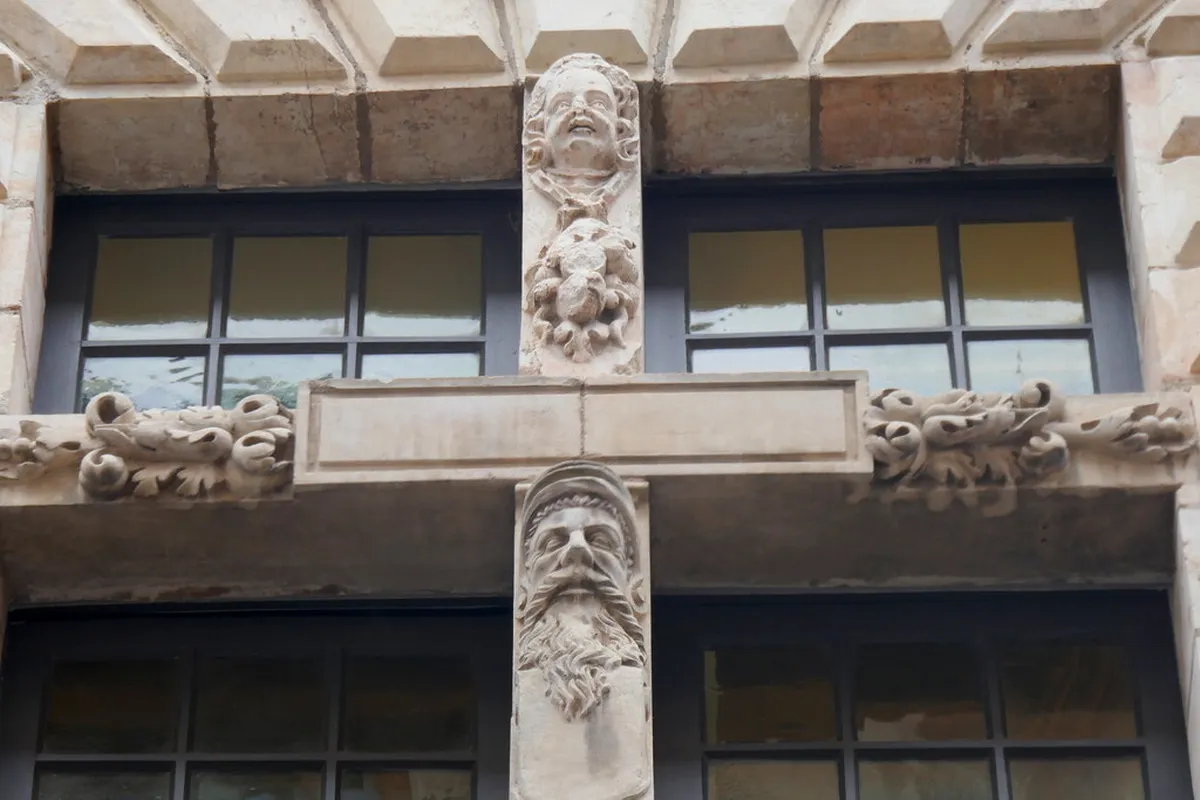
During the 1500s, Clermont-Ferrand became a center for legal professionals and wealthy merchants. These individuals commissioned the most talented architects to build their grand Hôtels Particuliers. The resulting buildings feature ornate doorways and sophisticated sculptural elements above the main entrances. These details reflect the high social standing of the city's elite class.
Architectural enthusiasts should look for the subtle differences in window designs across the district. Early Renaissance mansions often retain some Gothic elements like pointed arches and gargoyles. Later buildings show a shift toward the classical orders with pediments and fluted pilasters. This evolution captures the changing tastes of the French Renaissance period.
The Architectural Splendor of Montferrand
Montferrand was once a rival city but now forms a vital part of Clermont-Ferrand. It is famous for its strict grid layout and high concentration of medieval and Renaissance homes. The medieval architecture of Montferrand district remains remarkably intact and well-preserved. You can spend hours wandering through its quiet streets to discover hidden architectural treasures.
The Hôtel de Fontenilhes stands out as a masterpiece of Renaissance residential design in this area. It features a beautiful corner tower that provides a view over the surrounding neighborhood. The use of volcanic stone is consistent here, linking the two historic centers together. Montferrand offers a more peaceful atmosphere for exploring these historic mansions today.
Timber-framed houses also exist alongside the more prestigious stone Hôtels Particuliers in Montferrand. This mix of materials creates a diverse and interesting urban texture for visitors. You can see how the different social classes lived in close proximity during the Renaissance. The area feels like a time capsule from the late Middle Ages.
Many courtyards in Montferrand are open to the public during special heritage events in 2025. These spaces often contain hidden gardens and ancient wells that served the mansion residents. The sense of history is palpable as you walk across the original cobblestone paths. It is a must-visit destination for any serious student of French architecture.
The preservation of Montferrand is a major priority for the local government and heritage groups. They work to ensure that modern developments do not overshadow the historic character of the district. Strict rules govern the renovation of any building within this protected urban zone. This dedication keeps the Renaissance spirit of the city alive and well.
Staircases as Symbols of Status
One of the most striking features of these mansions is the design of the internal stairs. The Renaissance staircases in Clermont-Ferrand are often located in prominent towers. These spiral structures allowed for efficient vertical movement while saving space within the courtyard. They also served as a major architectural statement for the homeowner.
Architects used the staircases to demonstrate their technical skill and artistic creativity. You will find stairs with open loggias that overlook the central courtyard area. This design allowed residents to see and be seen as they moved between floors. The use of stone for the steps ensured durability for many generations of use.
The carvings on the central pillars of these stairs are often highly detailed. You might see floral motifs, family crests, or even mythological figures depicted in the stone. These decorations added a layer of luxury to the most functional part of the house. Every step was an opportunity to showcase the family's refined cultural tastes.
In 2025, several historic mansions allow visitors to climb these ancient stone staircases. Feeling the worn edges of the steps connects you directly to the people of the past. The cool temperature of the volcanic stone provides a sensory experience like no other. It is a highlight for anyone interested in the structural engineering of the era.
The transition from spiral stairs to straight flights marked a shift in architectural fashion. You can find both styles represented across the various Hôtels Particuliers in the city. Comparing these designs helps you date the buildings and understand their historical context. These staircases remain the heart of the Renaissance mansion experience.
Planning Your Architectural Visit in 2025
Visiting these historic sites requires some planning to ensure the best possible experience. Many of the finest Hôtels Particuliers remain private residences or offices today. However, you can join architectural walking tours of Clermont-Ferrand to see the best courtyards. These guided walks offer access to areas that are usually closed to the public.
The best time to visit is during the spring or fall months for pleasant weather. Summer can be quite warm, making long walks through the city center more tiring. In 2025, several museums housed in Renaissance mansions offer extended hours for tourists. Check local listings for special evening tours that feature dramatic lighting on the volcanic facades.
Budget travelers will be happy to know that many architectural highlights are free to view from the street. You can admire the stunning doorways and window carvings without spending any money. Some courtyard access is available for a small fee during the peak tourist season. Investing in a local guide is often worth the cost for the deep historical insights provided.
Photography is generally allowed in public areas, but always ask before shooting inside private courtyards. The dark stone can be challenging to photograph, so mid-day light is often helpful. Bring a wide-angle lens to capture the full height of the mansion towers and facades. You will find endless inspiration for your travel portfolio in these historic districts.
Make sure to wear comfortable shoes as the streets are often paved with uneven stones. The historic center is mostly pedestrian-friendly, allowing for a relaxed pace of exploration. Start your tour early in the morning to avoid the largest crowds of the day. This allows you to enjoy the quiet majesty of the Renaissance mansions in peace.
Frequently Asked Questions
What is an Hôtel Particulier in French architecture?
An Hôtel Particulier is a grand private townhouse that belonged to a noble family. Unlike a regular house, it usually stands between a courtyard and a garden. These structures were symbols of high social status in French cities. You can see many fine examples when visiting historic buildings in Clermont-Ferrand today.
Why are the mansions in Clermont-Ferrand black?
The buildings are black because they are constructed from Pierre de Volvic volcanic stone. This material is abundant in the Auvergne region due to its volcanic history. It is a very hard and durable rock that naturally has a dark charcoal color. This gives the city a unique and powerful architectural identity.
Are the Renaissance mansions open to the public in 2025?
Some mansions function as public museums or galleries and are open daily. Others are private property and can only be seen from the street or during tours. The annual Heritage Days in September offer the best chance to see private interiors. Always check with the local tourism office for the current opening schedules.
The Hôtels Particuliers and Renaissance mansions of Clermont-Ferrand offer a unique look at French history. Their dark volcanic stone and elegant designs create a city landscape unlike any other in the world. Whether you explore the Clermont center or the Montferrand district, you will find architectural wonders. Plan your visit for 2025 to experience these historic treasures in person and discover the secrets of the Auvergne nobility.
Key Takeaways
- Most mansions are built from dark Pierre de Volvic volcanic stone.
- The Montferrand district has a perfectly preserved medieval and Renaissance grid.
- Historic spiral staircases are key architectural features of these townhouses.
- Guided walking tours are the best way to access private courtyards.
- The architecture reflects a transition from Gothic defense to Renaissance decoration.
Related reads: architecturebycity.com, architecture in clermont ferrand.