
Vercingetorix Monument Architecture in Clermont-Ferrand
Discover the Vercingetorix monument architecture in France. Learn about the history, design, and visiting tips for this 2025 landmark in Clermont-Ferrand.
On this page
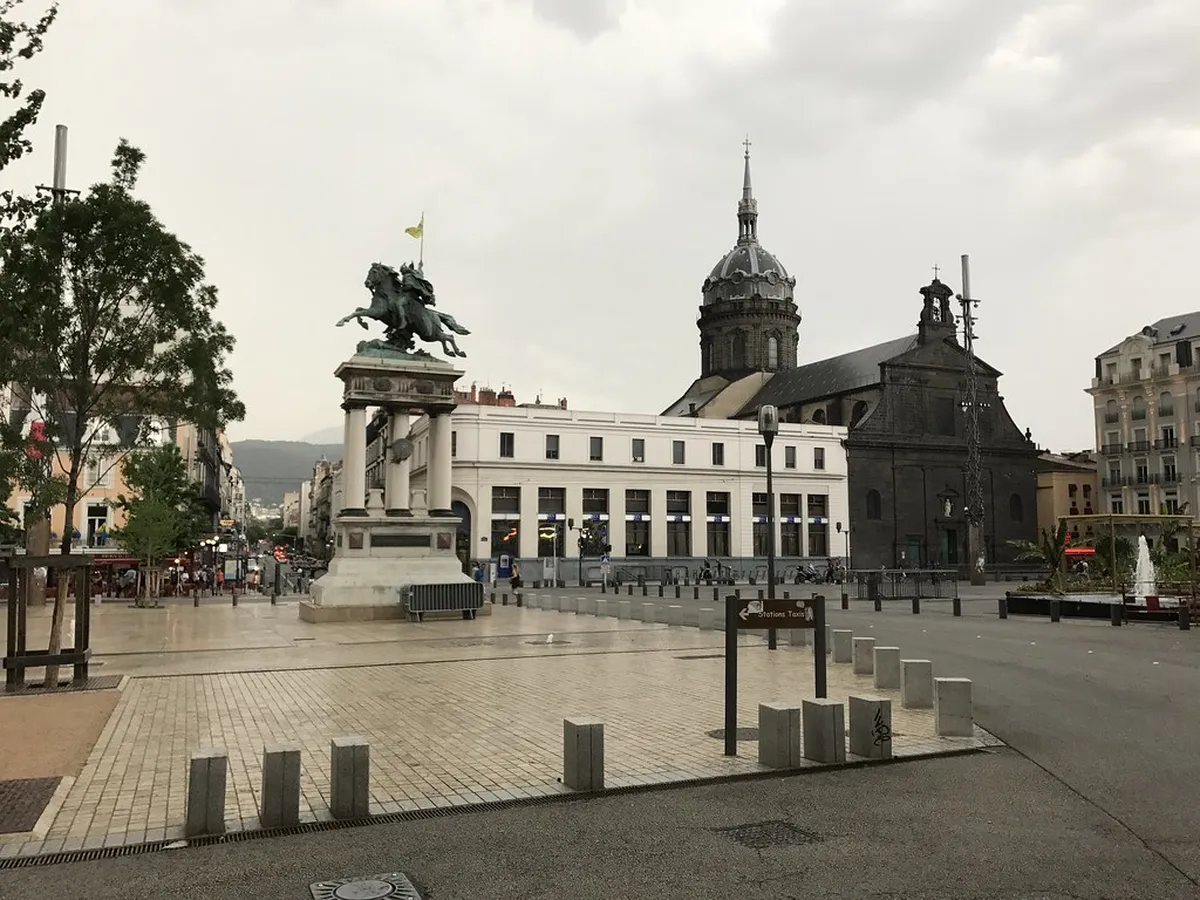
The Vercingetorix monument architecture stands as a proud symbol in the heart of Clermont-Ferrand. It commemorates the great Gaulish leader who once challenged the Roman Empire. This massive bronze statue sits on the bustling Place de Jaude today. In 2025, it remains a top destination for those interested in French history.
Visitors often stop to admire the intense detail of the charging horse. The monument represents a key moment in the history of the Auvergne region. It serves as a tribute to local strength and national identity. You can find this landmark easily while exploring the city center on foot.
The statue is more than just a piece of art for the residents. It is a central meeting point for both locals and travelers alike. Its grand scale makes it one of the most visible landmarks in the area. The Vercingetorix monument architecture continues to inspire visitors from all over the world.
Understanding the design helps you appreciate the skill of the artist. The materials used reflect the unique geology of this volcanic landscape. This guide will provide everything you need to know for your next visit. Prepare to dive deep into the fascinating world of Gaulish legends.
The Historical Origins of the Monument
The Vercingetorix monument architecture reflects a deep sense of French national pride. It was commissioned in the late nineteenth century to honor ancient heroes. The project aimed to celebrate the Gaulish resistance against Julius Caesar. This period saw a rise in public monuments across the country.
Officials chose Clermont-Ferrand because of its proximity to the Gergovia battlefield. This site is where the Gauls won a famous victory over Rome. The local government wanted a statue that felt both heroic and permanent. It took several years of planning to finalize the grand design.
The statue was officially inaugurated in June 1903 with a large ceremony. Thousands of people gathered in Place de Jaude to see the unveiling. It was a day of celebration for the entire Auvergne province. The monument has stood as a silent witness to history ever since.
Throughout the years, the statue has survived many changes in the city. It remains a focal point for political and cultural events today. The bronze has developed a beautiful patina that shows its great age. It is a true survivor of the twentieth century in France.
History lovers will find many stories hidden within the metal structure. Each part of the monument tells a tale of bravery and struggle. You can feel the weight of the past when standing near it. It is a must-see for anyone interested in ancient military history.
The Vercingetorix Monument Architecture and Style
The Vercingetorix monument architecture features high-quality bronze and a sturdy stone base. This material allows for fine details in the horse's powerful muscles. The sculptor used a style known for its dramatic movement and energy. You can see the rider's cape flowing in the imaginary wind.
The pedestal is made from dark stone taken from nearby extinct volcanoes. This connects the work to other volcanic stone fountains and public monuments in the city. The grey Volvic stone is famous for its extreme durability. It provides a perfect contrast to the darker metal of the statue.
The overall height of the monument is quite impressive for a city square. It was designed to be viewed from all four sides. Each angle reveals a different aspect of the complex artistic composition. The balance between the horse and rider is technically perfect.
Craftsmen used the lost-wax casting method to create the bronze sections. This technique ensures that every small detail from the model is preserved. You can see the individual scales on the leader's Gaulish armor. Such precision is a hallmark of great architectural sculpture from this era.
The internal support system is made of iron and heavy masonry. This allows the monument to withstand strong winds and heavy winter snow. It was built to last for many centuries in the open air. The Vercingetorix monument architecture remains as solid as the day it was built.
The Artistic Vision of Frédéric Auguste Bartholdi
Frédéric Auguste Bartholdi was the famous artist behind this spectacular public work. He is the same man who designed the Statue of Liberty. His talent for creating massive and inspiring figures is clearly visible here. He focused on capturing a sense of motion and intense emotion.
Bartholdi spent a long time researching the appearance of ancient Gaulish warriors. He wanted the Vercingetorix monument architecture to be as accurate as possible. The helmet and sword are based on historical archaeological finds of the time. This attention to detail adds to the realism of the piece.
The artist chose to depict the leader in a moment of victory. The horse is jumping over a fallen Roman shield and gear. This visual storytelling was meant to inspire the French people of 1903. It shows Bartholdi's skill in blending history with artistic flair.
This monument was one of the last major projects of his career. Bartholdi died in 1904, just one year after the statue's official unveiling. It stands as a powerful tribute to his lifelong artistic legacy. Many scholars visit Clermont-Ferrand specifically to study his unique style.
You can see his signature engraved on the base of the bronze. This mark of quality is sought out by many art historians today. It connects this statue to other world-famous monuments across the globe. Bartholdi truly understood how to create a lasting public masterpiece.
Symbolism and National Identity in Art
The Vercingetorix monument architecture is rich with symbolism for the French people. Vercingetorix is seen as the first hero of the French nation. He represents the spirit of resistance and the love of freedom. The statue brings these abstract concepts into a physical and touchable form.
The dynamic pose of the horse symbolizes the forward momentum of progress. It suggests that the city is always moving toward a better future. Even the direction the statue faces has a specific historical meaning. It looks toward the hills where the ancient battles took place.
For many years, the statue was used to teach children about history. It served as a visual aid for stories of the ancient past. Today, it still helps people connect with their local cultural heritage. It is a symbol that belongs to every citizen of the city.
The use of local stone for the base is also very symbolic. it ties the monument directly to the land of the Auvergne. This choice emphasizes the connection between the people and their volcanic environment. It makes the Vercingetorix monument architecture feel like it grew from the earth.
Modern visitors often see it as a symbol of regional independence. It reminds everyone of the unique character of the Clermont-Ferrand area. The statue is a bridge between many different eras of French history. It remains a powerful icon for the modern world in 2025.
Navigating Place de Jaude and Surroundings
Place de Jaude is the most important public space in Clermont-Ferrand. It is a wide square filled with light and local activity. The Vercingetorix monument architecture dominates the northern end of this grand space. You will find it surrounded by historic buildings and modern shops.
Getting to the monument is very easy using the city's tram system. The Jaude stop is located right next to the massive statue. This makes it an ideal spot for visiting historic buildings in Clermont-Ferrand today. You can start your walking tour right at the base of the statue.
The square offers many benches where you can sit and admire the art. There are several cafes with outdoor seating that face the monument directly. It is a perfect place to enjoy a coffee while people-watching. The atmosphere is always lively during the day and evening.
Nearby, you will find large department stores and a modern cinema. The contrast between the old bronze and the new glass is striking. This blend of styles is typical of the architecture in Clermont-Ferrand today. The square acts as a bridge between the past and present.
At night, the square is beautifully lit by modern street lamps. The statue of Vercingetorix is highlighted by powerful spotlights from below. This creates a dramatic effect that is perfect for late-night photography. The bronze glows with a warm light against the dark night sky.
Practical Tips for Travel and Photography
Visiting the Vercingetorix monument architecture is completely free for all travelers. It is located in a public square that never closes its gates. You can visit at any time of the day or night. This makes it a very convenient stop on any travel itinerary.
The best time for photography is during the early morning hours. The rising sun hits the front of the statue quite perfectly. You will also find fewer people in the square at this time. This allows for a clear shot of the entire monument and base.
If you visit in the summer, the square can get quite hot. There is very little shade directly around the metal statue itself. Bring water and wear a hat if you plan to stay long. The black volcanic stone can also radiate heat during the afternoon.
Winter visits provide a different but equally beautiful perspective of the site. A light dusting of snow makes the bronze look very dramatic. The grey sky often matches the color of the volcanic stone pedestal. Just be sure to dress warmly for the chilly mountain air.
Always keep an eye on your belongings while you are taking photos. The square is a busy place and attracts many different types of people. Stay aware of your surroundings to ensure a safe and happy visit. The monument is a safe area, but being careful is always wise.
Frequently Asked Questions
What is the Vercingetorix monument architecture made of?
The statue itself is made of high-quality cast bronze. It sits on a large pedestal made of grey volcanic stone. This stone comes from the local quarries near Clermont-Ferrand. The combination of materials makes it very durable and visually striking.
Who was the architect of the Vercingetorix monument?
The monument was designed by the famous sculptor Frédéric Auguste Bartholdi. He is most well-known for creating the Statue of Liberty in New York. Bartholdi was an expert in creating large-scale public monuments. He finished this specific project in 1903 before he passed away.
Where exactly is the statue located in Clermont-Ferrand?
You can find the statue in the center of Place de Jaude. This is the main public square of the city. It is very easy to reach by tram or by walking. The monument is located at the northern end of the square.
Is it free to visit the Vercingetorix monument?
Yes, the monument is located in a public space and is free. You can walk right up to the base at any time. There are no tickets or reservations needed to view it. It is a great budget-friendly activity for all travelers.
The Vercingetorix monument architecture is a true masterpiece of French public art. It combines historical importance with the creative genius of Bartholdi. Visiting this landmark allows you to connect with the ancient roots of the region. The dark volcanic stone and shining bronze create a lasting impression. Make sure to include this iconic statue in your 2025 travel plans. You will leave with a greater appreciation for the history of Clermont-Ferrand. Take a moment to stand in its shadow and feel the power of the past.
Key Takeaways
- The statue was designed by the same artist who made the Statue of Liberty.
- It is located in the lively Place de Jaude in the city center.
- The base is crafted from local volcanic stone for extra durability.
- It is a free landmark that is open to the public 24 hours a day.
- The monument commemorates the Gaulish victory at the Battle of Gergovia.
Related reads: architecturebycity.com, fontaine damboise renaissance history, wallace fountains of clermont ferrand.