
Quai de la Poissonnerie Golden Hour Guide
Plan your Quai de la Poissonnerie golden hour shoot in Colmar. Get expert timing tips and camera settings for 2025 photography. Start shooting now!
On this page
Colmar offers a magical backdrop for every travel photographer visiting France in 2025. The Quai de la Poissonnerie golden hour provides the most stunning lighting for your architectural shots. You will find vibrant colors and unique half-timbered houses reflecting in the calm Lauch River. This comprehensive guide explores how to capture the perfect image during this peak photography time.
Photographers from around the world visit this specific location to experience the incredible Alsatian charm. The soft light of the late afternoon transforms the historic buildings into a glowing masterpiece of color. You can capture the essence of old Europe by choosing the right moment for your shoot. Prepare your camera gear and follow these expert tips for the best results possible.
History of the Fishmongers District
The Quai de la Poissonnerie was once the center of the local fishing industry in Colmar. Professional fishermen lived in these colorful houses and sold their fresh catch at the nearby market. Today, this historic area forms the most picturesque part of the famous Little Venice district. You can explore the Little Venice Colmar urban layout to appreciate its design.
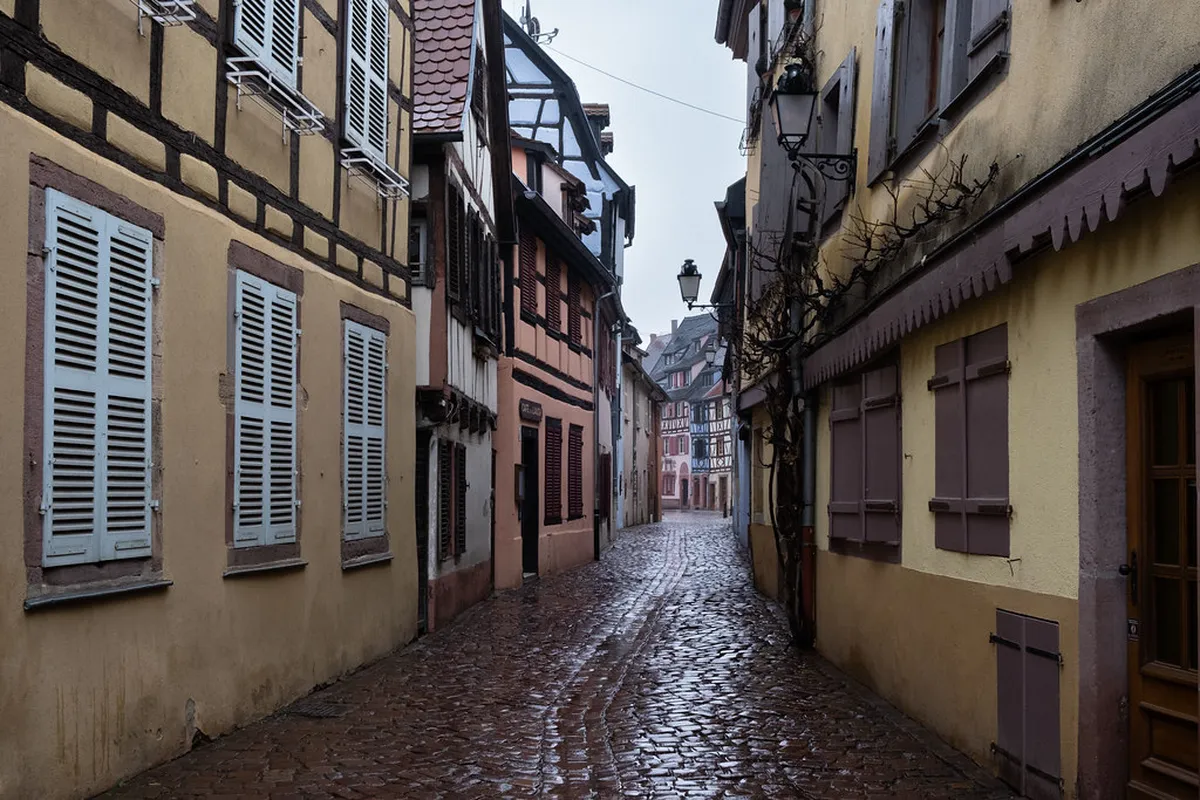
The buildings feature narrow designs to fit along the restricted space of the river bank. Each house displays a unique color that historically represented the specific trade of the owner. These vibrant hues create a beautiful contrast against the dark wood of the timber frames. Walking through this area feels like stepping back into a charming medieval fairy tale world.
Preservation efforts have kept these structures in excellent condition for modern visitors to enjoy. The district remains a symbol of the historic wealth found within the city of Colmar. You can see how the architecture has survived centuries of change in the Alsace region. Photographers appreciate the authenticity and the well-preserved details found on every single street corner.
Many of the houses date back to the 14th and 15th centuries with original wood beams. Major restoration projects in the late 1970s helped to restore the bright colors seen today. The combination of water and ancient wood creates a unique visual texture for your photos. This area serves as a living museum of the rich cultural heritage of eastern France.
Timing the Quai de la Poissonnerie Golden Hour
Golden hour usually occurs shortly after the sunrise or just before the sunset each day. In Colmar, the low sun hits the historic timber frames at a very beautiful angle. You should arrive at least thirty minutes early to find your preferred vantage point. Light changes very quickly during this time, so you must prepare your camera settings early.
The evening golden hour is particularly popular because it highlights the warm tones of the buildings. During the summer of 2025, sunset in Colmar will occur quite late in the evening. Spring and autumn provide shorter days but often feature more dramatic clouds in the sky. Winter photography offers a different charm with festive lights reflecting on the cold river water.
Check a local weather app to track the exact timing for the sunrise and sunset. Clear skies are ideal, but a few clouds can add texture to your final photograph. The soft light reduces harsh shadows and helps to prevent overexposed highlights in your images. Planning your visit around these specific times will ensure you get the best possible results.
The transition from golden hour to blue hour provides another opportunity for stunning urban photography. Once the sun dips below the horizon, the sky turns a deep and beautiful shade of blue. The street lamps begin to glow, creating a magical atmosphere throughout the old fishmongers' district. Capture both phases of light to get a diverse range of photos from your visit.
Best Colmar Architecture Photography Spots
Exploring the city reveals many best Colmar architecture photography spots beyond the main river quay. The bridge at the Rue des Écoles offers a direct view of the most famous facades. You can capture the classic reflection of the houses in the water from this specific point. Many photographers gather here, so arriving early is always a very good idea for you.
Another great spot is located near the covered market at the edge of the district. This location allows you to frame the houses with the greenery along the river banks. You can also find interesting angles by walking down the small side alleys near the water. Each perspective offers a new way to showcase the incredible architectural diversity of this city.
The Rue de la Poissonnerie provides a wonderful street-level view of the leaning historic buildings. Look for unique details like carved wooden beams and ornate window boxes filled with flowers. These small elements add character and a sense of place to your travel photography collection. Do not be afraid to experiment with different heights and angles during your visit.
Walk toward the Koifhus area to find more examples of Gothic and Renaissance building styles. The interaction between different eras of architecture makes Colmar a paradise for every urban photographer. You will find that the light hits different streets at various times throughout the late afternoon. Spend time wandering through the district to discover hidden gems away from the main crowds.
Techniques for Capturing Timber-Framed Textures
You should focus on capturing timber-framed textures when the light is at its softest. Use a mid-range aperture like f/8 to keep every detail in sharp focus throughout. This setting ensures that both the foreground and background remain clear in your final image. The natural texture of the old wood becomes much more visible under the warm light.
The horizontal and vertical lines of the timber frames provide excellent leading lines for composition. Position yourself so these lines guide the viewer's eye toward the center of your photo. Look for patterns in the wood that repeat across several different houses in a row. These repeating elements create a sense of rhythm and balance within your architectural photography.
Harsh midday sun often creates deep shadows that hide the intricate patterns of the historic wood. The Quai de la Poissonnerie golden hour eliminates these problems by providing very even illumination. You can see the grain of the wood and the details of the plasterwork clearly. High-quality textures will make your photos stand out and look professional to every viewer.
Close-up shots of the timber joints reveal the craftsmanship of the medieval builders in Colmar. Use a macro lens or a zoom to isolate these interesting architectural details for your portfolio. The contrast between the dark oak beams and the colorful plaster creates a very striking visual. These detailed shots complement your wide-angle landscapes to tell a more complete story.
Composition Near the Lauch River
The Lauch River acts as a perfect mirror for the colorful buildings of the fishmongers district. Use the water to create a symmetrical composition that highlights the beauty of the area. Still water is best for reflections, so look for moments when the wind is calm. Early morning is often the best time to find perfectly still water for your shots.
Incorporate the small tourist boats into your frames to add a sense of scale and life. These traditional boats move slowly through the canals and create gentle ripples in the water. You can use a slower shutter speed to blur the movement of the water slightly. This technique creates a dreamy effect that complements the fairy tale atmosphere of Colmar.
Framing your shot with overhanging trees or flowers can add depth and a natural border. Many buildings have window boxes that overflow with bright geraniums during the warmer spring months. These pops of color match the vibrant paint on the houses and enhance the overall scene. Experiment with both wide shots and tighter crops to capture the essence of the quay.
Pay attention to the background elements to avoid any modern distractions like signs or plastic trash. Small adjustments to your camera position can hide these unwanted items behind the historic structures. Aim for a clean and timeless look that emphasizes the historic nature of the Poissonnerie district. A well-composed shot will transport your viewers back in time to medieval France.
Professional Gear for 2025 Travel Photography
A sturdy tripod is an essential tool for capturing sharp images during the golden hour period. It allows you to use lower ISO settings and longer shutter speeds without any camera shake. This is especially important as the light begins to fade into the beautiful blue hour. Modern lightweight tripods are perfect for traveling through the narrow streets of old Colmar.
Bring a wide-angle lens to capture the full scale of the historic buildings and river. A 16-35mm lens is often the best choice for architectural photography in tight urban spaces. This focal length allows you to include both the river and the tops of houses. You might also want a telephoto lens to capture distant details on the roofs.
Polarizing filters are very helpful for reducing glare from the surface of the river water. They also help to saturate the colors of the sky and the painted house facades. Always carry a microfiber cloth to keep your lenses clean from dust or light rain. Having the right gear will help you make the most of your 2025 trip.
Do not forget to bring extra memory cards and a reliable backup system for your files. Capturing high-resolution images in RAW format will consume a lot of storage space very quickly. You should also carry a spare battery to ensure you do not miss the final sunset. Being prepared allows you to focus entirely on the creative aspects of your photography journey.
Frequently Asked Questions
What is the best month for Quai de la Poissonnerie golden hour?
May and September offer the best balance of weather and light for photography. The temperatures are pleasant, and the crowds are smaller than in the peak summer season. You will find beautiful flowers and great lighting during these months.
Where is the best bridge for a photo?
The bridge on Boulevard du Champ de Mars offers a classic wide view of the quay. It is the most famous spot for capturing the reflections in the water clearly. Arrive early to secure your spot among other photographers.
Should I use a flash for golden hour photos?
You should avoid using a flash for these architectural shots during the golden hour. Natural light is much more flattering and preserves the true colors of the buildings. Using a tripod is a better way to handle low light.
How long does the golden hour last in Colmar?
It usually lasts about forty minutes to one hour depending on the time of year. You should check a local sun tracker app for the most accurate daily timing. Light changes fastest during the last ten minutes of the sunset.
Capturing the Quai de la Poissonnerie golden hour is a highlight for any visitor to France. Plan your trip to Colmar in 2025 to experience this architectural wonder in person. Use these professional tips to ensure you bring home stunning images of the historic district. Enjoy the unique atmosphere and the incredible history found along the banks of the Lauch River.
Key Takeaways
- Arrive 30 minutes before sunset for the best light.
- Use a tripod for sharp reflections in the Lauch River.
- Focus on the textures of the half-timbered houses.
Related reads: architecturebycity.com, architecture in colmar, photography angles for maison pfister.